Follicular Dysplasia in a Portuguese Water Dog
It can be incredibly disheartening to notice your vibrant Portuguese Water Dog starting to lose patches of their beautiful, distinctive coat, or to see their fur become thin and brittle. This isn't just a cosmetic issue; it's often a sign of underlying skin or follicular problems that can cause discomfort and lead to secondary infections. This guide aims to thoroughly explain follicular dysplasia in Portuguese Water Dogs, breaking down what causes it, how to recognize it, and what you can do to manage the condition and keep your beloved companion as comfortable as possible.
Understanding Follicular Dysplasia in Portuguese Water Dogs
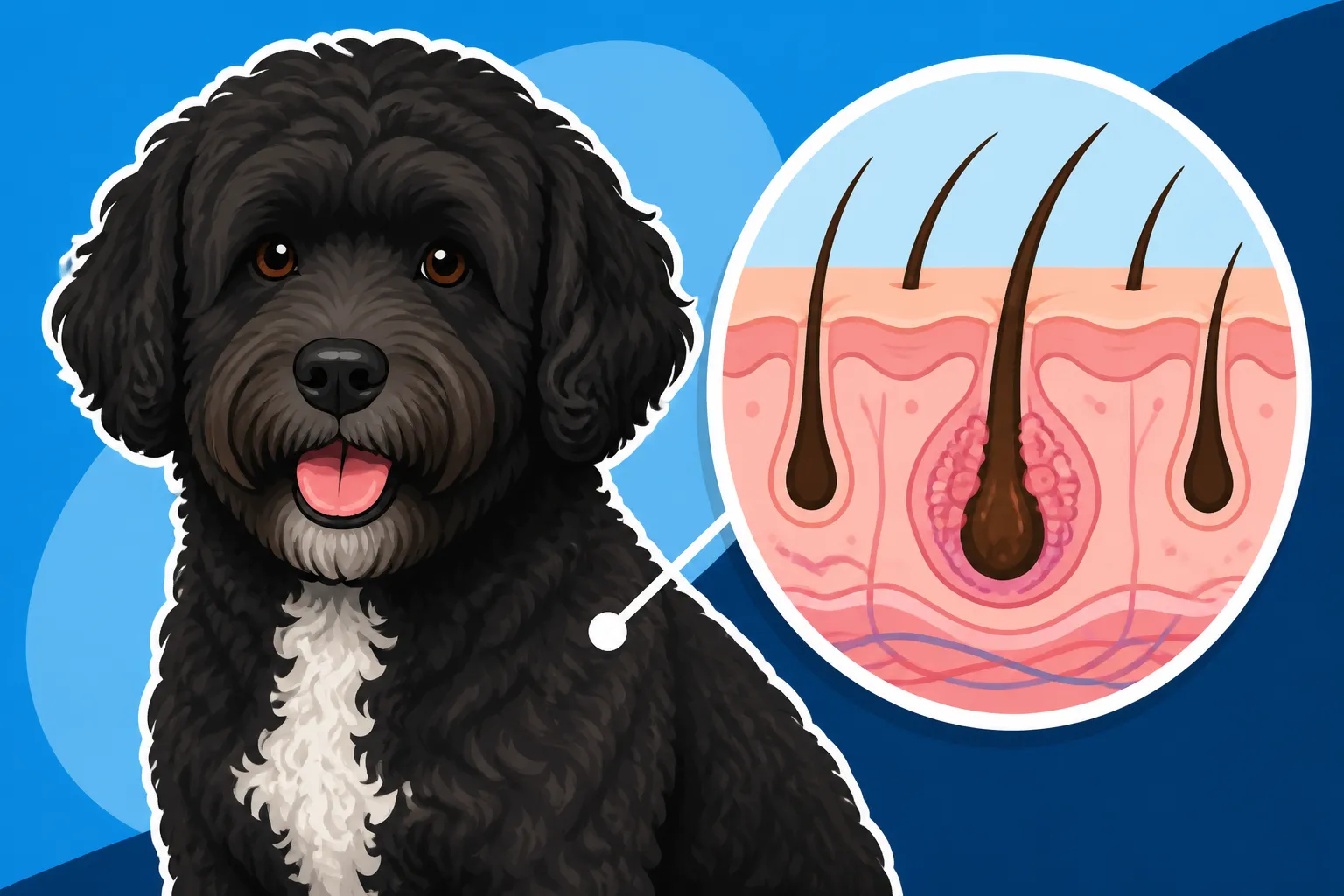
When we talk about follicular dysplasia, it's easy for your mind to immediately jump to serious, scary medical terms. But let's break it down in a way that makes sense for us PWD parents. Essentially, it's a condition where the hair follicles – those tiny structures in the skin responsible for growing hair – don't develop or function properly. Instead of producing strong, healthy hair, they produce weak, brittle, or completely absent hair shafts. For a breed like the Portuguese Water Dog, known for its glorious curly or wavy coat, this can be particularly noticeable and concerning.
What Exactly is Follicular Dysplasia?
Follicular dysplasia isn't a single disease; it's more of an umbrella term for a group of genetic disorders that affect the hair follicles. Think of it like a glitch in the hair production line. The follicles themselves are malformed, or the process by which they create hair is disrupted. This means the hair either grows abnormally, breaks easily, or simply stops growing altogether. In Portuguese Water Dogs, specific types of follicular dysplasia can lead to predictable patterns of hair loss and coat thinning, which can be quite frustrating for owners who pride themselves on their PWD's unique coat. Unlike conditions such as Improper Coat in a Portuguese Water Dog Is Genetic, Not Illness which is about the texture of the coat, follicular dysplasia is about the health and growth of the hair itself.
The underlying cause is often genetic, meaning it's something inherited from the dog's parents. This makes certain breeds, including our beloved PWDs, more predisposed to specific forms of the condition. For PWDs, some forms of follicular dysplasia are characterized by structural abnormalities in the hair shaft, making the hair weaker and more prone to breakage. This isn't just a surface-level problem; it originates deep within the skin where the hair is formed. Because it's a structural issue, simply brushing more or using different shampoos won't solve the core problem, though good grooming can certainly help manage the symptoms and prevent secondary issues.
How Follicular Dysplasia Manifests in PWDs
The signs of follicular dysplasia in a Portuguese Water Dog can vary, but generally, you'll start to notice changes in their coat that are distinct from normal shedding or routine wear and tear. One of the most common indicators is progressive hair loss, often starting in specific areas. This isn't usually the rapid, widespread hair loss you might see with a severe allergic reaction or hormonal imbalance; it tends to be more gradual, often patchy, and symmetrical. You might first spot it on the flanks, chest, or behind the ears, where the coat might appear thinner or more sparse than usual. It’s also important to differentiate this from general coat thinning that can happen when a dog is unwell, as discussed in Whether a Portuguese Water Dog's Coat Thins With Illness.
The hair itself might change in texture. What was once a lush, dense curly or wavy coat might become dull, dry, and brittle. The individual hairs might break off easily, leaving behind short, stubby shafts or bald spots. Sometimes, the skin in the affected areas can also look different—it might become darker (hyperpigmented) or develop scaling. In some cases, affected areas might even feel slightly rough or bumpy to the touch. The age of onset can vary, but it often becomes apparent in young to middle-aged adult dogs, typically between six months and a few years old, as their adult coat fully develops. The specific patterns and severity of hair loss can sometimes point veterinarians toward a particular type of follicular dysplasia, as some forms have characteristic presentations. For instance, color dilute alopecia, a type of follicular dysplasia, commonly affects dogs with "diluted" coat colors like blue or fawn, although classic PWD colors can also be affected by other forms.
Diagnosing and Managing Follicular Dysplasia
When you first notice these changes in your Portuguese Water Dog's coat, your immediate thought is probably, "What's going on, and how can I fix it?" It's a completely natural and valid concern. The good news is that while follicular dysplasia is often a lifelong condition, it can be managed. The first, and arguably most important, step is getting an accurate diagnosis from your veterinarian.
The Diagnostic Process
Diagnosing follicular dysplasia isn't always a straightforward "yes or no" answer, as many skin conditions can present with similar symptoms. Your vet will start with a thorough physical examination, looking closely at your dog's skin and coat, paying attention to the pattern of hair loss and any associated skin changes. They'll also ask you a lot of questions about when you first noticed the changes, if your dog is itchy, their diet, and any other symptoms they might be experiencing. It’s crucial to share all details, even if they seem minor.
To get a definitive diagnosis, your vet will likely recommend some specific tests. Skin scrapings and fungal cultures might be done first to rule out common culprits like parasites (mites) or ringworm, which can also cause hair loss. Blood tests might be performed to check for hormonal imbalances, such as hypothyroidism, which is another condition that can lead to coat problems and can even affect PWDs, as explored in Whether a Portuguese Water Dog Gets Hypothyroidism. If these initial tests come back negative, the next step is often a skin biopsy. This involves taking a small tissue sample from an affected area of the skin under local or general anesthesia. The sample is then sent to a veterinary dermatopathologist, a specialist who examines the tissue under a microscope. This examination is key because it allows them to see the abnormal hair follicles and hair shafts characteristic of follicular dysplasia, distinguishing it from other conditions. It's a precise process, but it's the gold standard for diagnosis. Remember, these diagnostic steps, especially biopsies, can accumulate in cost, making a good pet insurance plan like one from Healthy Paws a wise investment from the start, as discussed in What Insuring a Portuguese Water Dog Costs a Month.
Living with Follicular Dysplasia: Treatment and Care
Once your PWD has been diagnosed with follicular dysplasia, the focus shifts to management. Since it's typically a genetic condition, there's no "cure" in the traditional sense, but there's plenty we can do to keep our dogs comfortable and looking their best. The primary goal of treatment is to minimize hair loss, prevent secondary skin infections, and alleviate any discomfort.
One of the cornerstones of management involves meticulous skin and coat care. This often means regular bathing with medicated shampoos recommended by your vet. These shampoos might contain ingredients like benzoyl peroxide or sulfur to help unclog follicles and reduce bacterial or yeast overgrowth that can thrive on compromised skin. Following each bath, a good quality conditioner is essential to moisturize the skin and hair, preventing further dryness and breakage. For a breed known for its Curly or Wavy: the Two Portuguese Water Dog Coats, maintaining moisture is paramount. You might also find that specific topical treatments, such as leave-on conditioners or sprays containing emollients or humectants, can help keep the skin hydrated and soothe any irritation.
Preventing secondary infections is another critical aspect. When hair follicles are abnormal, the skin barrier can be compromised, making it easier for bacteria or yeast to take hold. If your PWD develops a secondary infection, your vet will prescribe antibiotics or antifungals, either orally or topically. Early detection of itching, redness, or further hair loss can help prevent these infections from becoming severe. Additionally, ensuring your dog isn't excessively scratching or licking the affected areas can reduce trauma to the skin.
While the hair loss might be aesthetically challenging, most dogs with follicular dysplasia live full, happy lives. Their overall health is generally not affected unless severe secondary infections occur. However, you'll need to be diligent about their ongoing care. Regular vet check-ups are important to monitor the condition, adjust treatments as needed, and catch any complications early. The financial aspect of these ongoing treatments, diagnostics, and specialty consultations can be significant, so having a robust pet insurance policy, perhaps from a provider like Healthy Paws, can provide considerable peace of mind, covering a substantial portion of these veterinary bills.
The Genetic Aspect and Breeding Considerations
Understanding the genetic underpinnings of follicular dysplasia is crucial, not just for managing affected dogs, but also for making responsible breeding decisions. When a condition is genetic, it means it can be passed down through generations, potentially affecting puppies in future litters.
Is Follicular Dysplasia Hereditary in PWDs?
Yes, many forms of follicular dysplasia are indeed hereditary, and this includes types that affect Portuguese Water Dogs. While a single, definitive "follicular dysplasia gene" hasn't been identified across all forms or specifically for every presentation in PWDs, the recurring nature of the condition within certain lines strongly suggests a genetic component. This makes it different from random environmental skin issues. The precise mode of inheritance can vary depending on the specific type of dysplasia, but it often involves recessive genes, meaning a puppy needs to inherit a copy of the gene from both parents to be affected. Dogs that carry only one copy might appear completely healthy but can still pass the gene on to their offspring.
This genetic basis is why conscientious breeders are so important. They strive to understand the health history of their breeding stock and their ancestors. Although there might not be a simple DNA test for every permutation of follicular dysplasia in PWDs, breeders who prioritize health will be vigilant for any signs in their lines and avoid breeding affected dogs or dogs that consistently produce affected offspring. This commitment to health helps to reduce the incidence of such frustrating and sometimes uncomfortable conditions. It also underlines why it's so important to ask a breeder about the health of their entire line, not just the parents, when you are looking for a puppy.
Responsible Breeding Practices
For Portuguese Water Dog breeders, responsible practices are paramount to safeguarding the health of the breed. This means more than just conducting the common DNA tests for conditions like JDCM or GM1. While those are critical, as highlighted in topics like The Four DNA Tests Every Portuguese Water Dog Breeder Runs and What a Portuguese Water Dog Breeder Should Have Tested, vigilance for less common or less understood genetic conditions like follicular dysplasia is also essential.
Reputable breeders will be transparent about any health issues that have arisen in their lines. They should be willing to discuss the health history of the sire and dam, as well as their siblings and previous litters. If there’s a known history of follicular dysplasia in a particular line, a responsible breeder would make informed decisions to avoid breeding dogs that are known carriers or affected, or to pair them only with dogs from lines with no known history of the condition. They understand that while they may produce a stunning Curly or Wavy: the Two Portuguese Water Dog Coats, the health of that coat is equally vital.
Record-keeping is a vital part of responsible breeding. Good breeders document health outcomes, including any instances of follicular dysplasia or similar coat issues, and use this information to guide their breeding choices. This proactive approach helps minimize the chance of passing on undesirable genetic traits, ensuring healthier future generations of Portuguese Water Dogs. Choosing a puppy from a breeder who demonstrates this level of commitment to health and transparency is one of the best ways to ensure you bring home a healthy companion.
Supporting Your PWD with Follicular Dysplasia
Living with a Portuguese Water Dog affected by follicular dysplasia means becoming a little more proactive and observant in your daily care routine. While the condition itself may not be curable, thoughtful management can significantly improve your dog's comfort and quality of life. Think of it as tailoring their care to their specific needs, much like you would adjust grooming for different coat types, understanding what What a Portuguese Water Dog's Coat Is Made Of truly entails.
Grooming and Skin Health
Grooming becomes an even more critical component of care for a PWD with follicular dysplasia. Regular, gentle grooming can help prevent matting in areas where the hair is sparse or brittle, and it allows you to closely inspect the skin for any signs of irritation or infection. Instead of harsh brushing, which can further damage fragile hairs, opt for soft brushes or a wide-toothed comb. Brushing techniques should be gentle and aimed at stimulating circulation without pulling on the weakened hair. You might also want to consult with a professional groomer who has experience with sensitive skin or coat conditions, as they can offer tailored advice and use appropriate products. For instance, knowing Which Brush a Portuguese Water Dog Needs can make a big difference.
Bathing frequency might need to be adjusted based on your dog's specific symptoms. If medicated shampoos are prescribed, follow your vet's instructions precisely. After swimming, especially in chlorine or saltwater, a thorough rinse with fresh water and a gentle conditioning treatment is crucial. This can help prevent dryness and further irritation to already compromised skin. Pay close attention to drying, as Why a Damp Portuguese Water Dog Gets Skin Trouble is a real concern, and proper drying helps prevent secondary fungal or bacterial infections. Ensure the skin is completely dry, especially in areas prone to dampness.
Moisturizing is key. Beyond conditioners, discuss with your vet the use of topical hydrating sprays or specialized balms for dry, flaky patches of skin. These products can help restore the skin's natural barrier function, reduce itching, and promote a healthier skin environment. Regular application can make a noticeable difference in your dog’s comfort levels.
Nutritional Support and Environmental Management
Beyond external care, what goes into your Portuguese Water Dog can also play a role in their skin and coat health. A high-quality diet rich in essential fatty acids, particularly Omega-3 and Omega-6, can support skin barrier function and reduce inflammation. Look for foods that list these fatty acids or consider adding supplements like fish oil, flaxseed oil, or borage oil. However, always discuss any new supplements with your veterinarian to ensure they are appropriate for your dog and won't interact negatively with other medications.
Environmental factors can also impact skin health. Protecting your PWD from extreme weather conditions is important. In colder climates, where dry air can exacerbate skin dryness, consider using a humidifier indoors. In sunny conditions, for areas where hair loss is significant, your dog might be prone to sunburn. Applying dog-safe sunscreen or providing protective clothing can prevent further skin damage.
Finally, reducing stress can indirectly benefit overall health, including skin health. A consistent routine, plenty of appropriate exercise (like swimming, which is great for PWDs), and a loving, stable environment contribute to your dog's well-being. Regular vet visits are also paramount for monitoring the condition and addressing any secondary issues promptly. Don't hesitate to ask your vet about What a Portuguese Water Dog's Yearly Bloodwork Should Cover to ensure all aspects of their health are being monitored.
| Symptom/Aspect | Description in PWDs | Management Strategy |
|---|---|---|
| Hair Loss | Progressive, often patchy, thinning or bald spots, can be symmetrical. Typically on flanks, chest, ears. | Gentle brushing, medicated shampoos, topical moisturizers. |
| Coat Texture | Dull, dry, brittle, easily broken hairs. | Conditioning treatments, Omega fatty acid supplements. |
| Skin Changes | Hyperpigmentation (darkening), scaling, slight roughness. | Regular bathing with vet-prescribed shampoos, soothing topical treatments. |
| Itching/Discomfort | May scratch or lick affected areas due to irritation. | Anti-itch medications (if prescribed), prevent secondary infections. |
| Secondary Infections | Bacterial or yeast infections thrive on compromised skin. | Vet-prescribed antibiotics/antifungals, diligent skin cleaning. |
| Onset | Usually young to middle-aged adult dogs (6 months – few years). | Early diagnosis and consistent long-term care are key. |
Disclaimer
Please remember that the information provided in this article is intended for educational purposes only and should not be considered a substitute for professional veterinary advice. Always consult with a qualified veterinarian regarding any health concerns or before making any decisions about your Portuguese Water Dog's care and treatment.