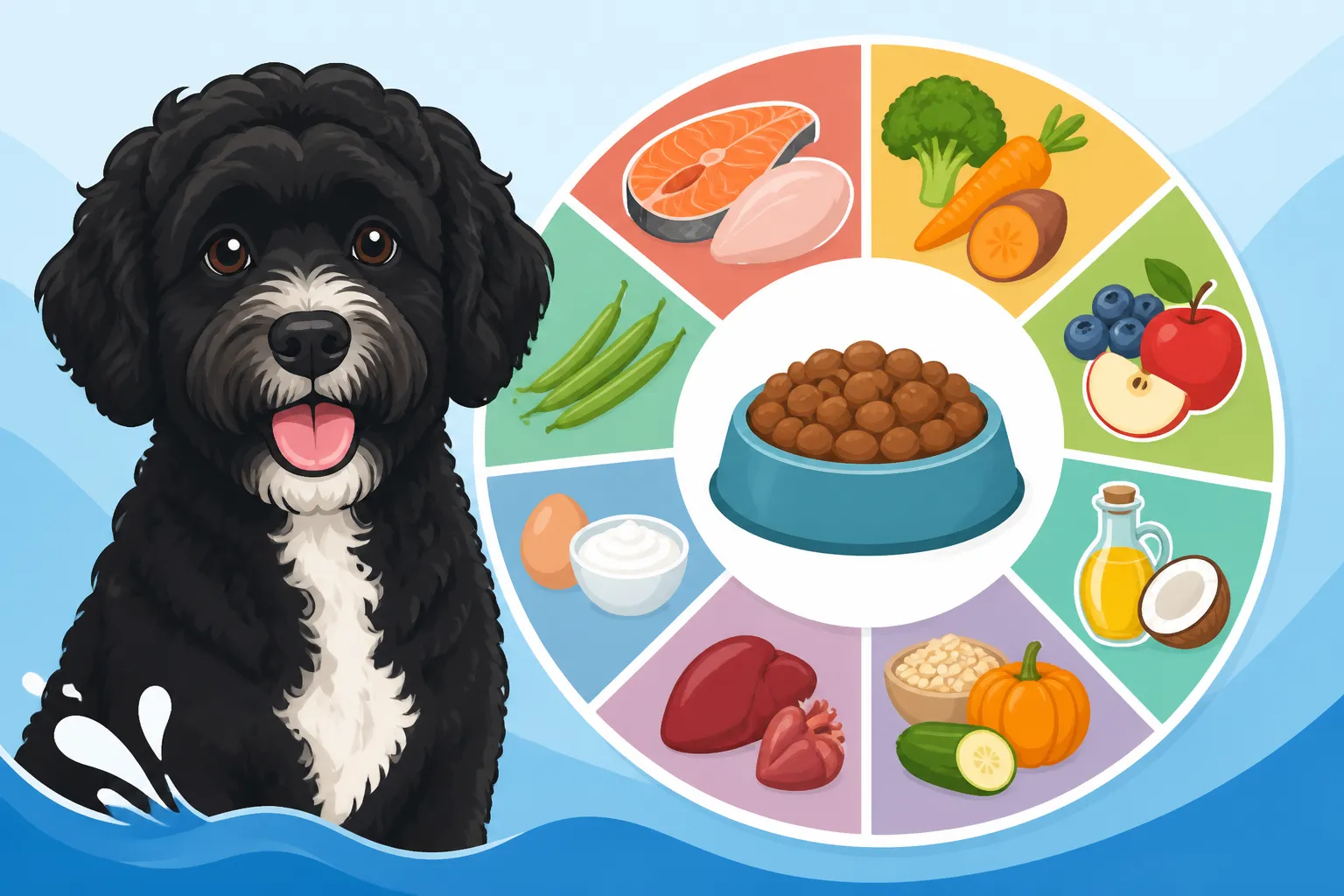
What a Portuguese Water Dog Eats in a Month
One of the biggest questions new Portuguese Water Dog owners, and even seasoned ones, grapple with is how much food their energetic companion actually needs, and what that looks like in the monthly budget. It's not just about tossing some kibble in a bowl; it's about understanding the unique demands of this vibrant, active breed and translating that into a consistent, healthy feeding plan that doesn't break the bank. This guide will meticulously break down the typical monthly food requirements for a Portuguese Water Dog, exploring everything from nutritional needs to various diet types, budgeting strategies, and those often-overlooked extras like treats and supplements.
Understanding Your Portuguese Water Dog's Nutritional Needs
Bringing a Portuguese Water Dog into your home means embracing a whirlwind of energy, intelligence, and a deep love for all things water. This isn't a couch potato breed; they were historically bred to work long hours with fishermen, herding fish, retrieving broken nets, and swimming from boat to shore. That kind of heritage translates into specific nutritional requirements that differ significantly from a more sedentary dog. You can't just feed them any old food and expect them to thrive; their diet is foundational to their boundless vitality and overall health.
Energy Requirements of an Active Breed
Imagine a typical day for a Portuguese Water Dog: a vigorous morning swim, a long walk or hike, perhaps some dock diving practice in the afternoon, and then active playtime with the family in the evening. This isn't an exaggeration; many PWDs thrive on this level of activity. All that movement, all that muscle engagement, and all that brainpower (because they're super smart, too!) burn a lot of calories. Their metabolism is often higher than many other breeds, demanding a diet rich in high-quality protein and fats to fuel their adventures. Without adequate energy, you might notice a drop in their typically exuberant spirit, a dulling of their coat, or even unintentional weight loss. It's a fine balance, though, because an overfed active dog can still gain unhealthy weight, especially if their activity temporarily decreases.
For puppies, these energy demands are even more critical. They're not just maintaining their body; they're building it from the ground up. This means specific ratios of protein, fat, and carbohydrates are crucial for healthy bone and muscle development. As they mature, their caloric needs per pound of body weight will naturally decrease, but the quality of those calories remains paramount. Feeding an Athletic Portuguese Water Dog is a real balancing act, ensuring they get enough to support their high-octane lifestyle without overdoing it.
Key Nutrients for Coat and Joint Health
Beyond sheer energy, a Portuguese Water Dog has some breed-specific considerations that directly impact their diet. Their iconic coat, whether curly or wavy, is a thick, single layer designed to protect them in cold water. Maintaining this lush, non-shedding coat requires ample amounts of omega fatty acids (like Omega-3 and Omega-6), which contribute to skin health and coat luster. A diet lacking in these essential fats can lead to dry, flaky skin, a dull coat, and even increased matting. Think of their coat as an indicator: if it looks great, chances are their diet is on point.
Then there are their joints. PWDs are generally a robust breed, but like many active, medium-to-large dogs, they can be prone to hip and elbow dysplasia or other joint issues later in life. A diet that supports joint health from puppyhood can make a world of difference. This often means ingredients like glucosamine and chondroitin, which are found naturally in some foods or added as supplements. Ensuring proper growth rates in puppies by avoiding overfeeding is also critical to preventing excessive stress on developing joints. This careful nutritional support is a lifelong commitment, as an aging dog's joints will continue to benefit from these protective nutrients. It's all part of the journey to ensure The Twelve to Fifteen Years a Portuguese Water Dog Gets are as healthy and comfortable as possible.
Different Types of Food for Your PWD
When you walk down the pet food aisle or browse online, the sheer volume of choices can feel overwhelming. Dry kibble, wet food, fresh-cooked, raw — where do you even begin? Each option comes with its own set of advantages and considerations, especially when thinking about the specific needs of a Portuguese Water Dog. What works for one PWD might not be ideal for another, so understanding the landscape of available foods is the first step to making an informed decision for your furry family member.
Dry Kibble: The Most Common Choice
Dry kibble remains the most popular and often most convenient choice for many dog owners, and for good reason. It's typically the most cost-effective option, has a long shelf life, and is easy to store. For an active breed like the PWD, high-quality dry kibble can provide a balanced nutritional profile, packed with the proteins, fats, and carbohydrates they need. Look for formulas that list a named meat source (like chicken meal, lamb meal, or salmon) as the first ingredient, and avoid those with excessive fillers or artificial preservatives. Brands that focus on "large breed formulas" or "active dog formulas" are often a good starting point, as they're formulated with higher caloric density and sometimes include joint support supplements.
However, not all kibble is created equal. The quality can vary dramatically, and it's essential to read labels carefully. Some PWDs can have sensitive stomachs, so finding a kibble that agrees with them might involve a bit of trial and error. For those who prioritize convenience and value, ordering larger bags of quality kibble through online retailers like Chewy can be a smart move, often offering subscription discounts and home delivery, making it easier to keep your PWD well-stocked. Remember to transition any new food gradually to avoid digestive upset.
Wet Food and Toppers
While wet food rarely forms the sole basis of a Portuguese Water Dog's diet due to cost and density, it can play a valuable role. Wet food is much more palatable for some dogs, and its high moisture content can be beneficial for hydration, especially for PWDs who might not drink enough water on their own, or after an intense swimming session. It can be a great option for picky eaters or for dogs recovering from illness, as the aroma and texture are often more appealing.
Many owners use wet food as a "topper" – a small dollop mixed into dry kibble to enhance flavor and interest. This can be particularly useful if your PWD is a bit of a fussy eater or if you're trying to hide medication. While it adds to the monthly food bill, a small amount of high-quality wet food can provide an extra boost of nutrients and variety. Just be mindful of the added calories, as it's easy to accidentally overfeed when supplementing kibble. For dogs that are reaching their senior years and perhaps experiencing An Aging Portuguese Water Dog Loses Its Appetite, wet food or toppers can be a lifesaver to maintain their calorie intake.
Raw and Fresh-Cooked Diets
The popularity of raw (BARF – Biologically Appropriate Raw Food) and fresh-cooked diets has surged, with many owners believing these diets offer superior nutrition that more closely mimics a dog's ancestral eating patterns. Raw diets typically consist of raw muscle meat, organs, bones, and sometimes fruits and vegetables. Fresh-cooked diets involve human-grade ingredients that are gently cooked to preserve nutrients, then typically frozen and delivered. These diets can offer excellent digestibility, improved coat health, better energy levels, and smaller, firmer stools for some Portuguese Water Dogs. Many pet parents who feed these diets swear by the visible improvements in their dogs.
However, these diets come with a higher price tag and require more careful handling. Raw food carries a risk of bacterial contamination if not prepared and stored correctly. Fresh-cooked diets, while safer from a bacterial standpoint, still require proper refrigeration and can be quite bulky to store. Brands like Ollie specialize in fresh-cooked, personalized meal plans delivered to your door, taking a lot of the guesswork out of nutrient balancing and preparation. While the initial investment might seem steep, many owners consider the long-term health benefits, potentially reducing vet bills down the line, a worthwhile trade-off. It’s definitely a commitment, but one that many PWD owners find pays dividends in their dog's vitality.
Calculating Monthly Food Quantities and Costs
Figuring out exactly "What a Portuguese Water Dog Eats in a Month" isn't a simple, one-size-fits-all answer. It's a dynamic calculation influenced by a variety of factors, from age and activity level to individual metabolism and even the specific brand of food you choose. Getting this right is crucial for their health and your budget, preventing both underfeeding and overfeeding, which can lead to other health issues.
Puppy Feeding Schedules and Growth Phases
A Portuguese Water Dog puppy is a little growth machine, and their dietary needs change rapidly during their first year. Generally, puppies require more calories and nutrients per pound of body weight than adults, as they're building bone, muscle, and organs at an incredible pace. A young puppy, say from 8 weeks to 4 months, might eat three to four smaller meals a day. As they grow, this often transitions to three meals, and then to two meals a day by around six months or so.
The type of food is also important. Puppies need a high-quality puppy formula, often specified for "large breeds" to ensure a slower, steady growth rate that supports healthy joint development. Overfeeding a puppy, especially with calorie-dense food, can lead to too-rapid growth, which puts undue stress on their developing joints and can contribute to conditions like hip dysplasia later on. For instance, What a Portuguese Water Dog Puppy Eats at Four Months will be significantly different in quantity and caloric density compared to an adult, or even a younger puppy. Always follow the feeding guidelines on the specific puppy food you choose, adjusting based on your puppy's energy levels and body condition. Regularly weighing your puppy and checking their growth can help ensure you're on the right track.
Adult PWD Portion Sizes and Adjustments
Once your Portuguese Water Dog reaches maturity, typically between 12 and 18 months, their feeding schedule usually settles into two meals a day. The actual portion size will depend heavily on the caloric density of their food and their individual metabolism and activity level. Most adult PWDs, especially those engaged in regular exercise like swimming, hiking, or dog sports, will fall into the higher end of recommended feeding guidelines. An active adult might consume anywhere from 3 to 6 cups of high-quality dry kibble per day, split across two meals. For example, How Many Cups a Day an Adult Portuguese Water Dog Eats can vary quite a bit depending on whether they're an everyday dock diver or a more sedate, though still active, family companion.
It's vital to monitor their body condition. You should be able to easily feel their ribs without seeing them prominently, and they should have a discernible waist when viewed from above. If you notice they're gaining weight, scale back their portions slightly and increase their exercise, if appropriate. Conversely, if they're looking too thin or lacking energy, a slight increase in food might be necessary. This ongoing adjustment is key to maintaining a healthy weight throughout their adult life.
Factors Influencing Food Consumption (Activity, Age, Health)
The biggest variable in how much your Portuguese Water Dog eats is their activity level. A PWD training for water trials or dock diving will naturally burn far more calories than one who enjoys daily walks and backyard play. During periods of intense training or competition, their caloric intake might need to be significantly increased. Similarly, the seasons can play a role; a dog spending more time outdoors in cold weather might need more calories to maintain body heat. When a Portuguese Water Dog Needs Extra Calories in Winter is a real consideration for many owners.
Age is another critical factor. As PWDs enter their senior years, typically around 7-9 years old, their metabolism can slow down, and their activity levels might decrease. This means their caloric needs will likely reduce, and they might benefit from a senior-specific formula that's lower in calories but still rich in joint-supporting nutrients. On the other hand, some older dogs can experience muscle wasting, and might need a diet higher in easily digestible protein. Health conditions also play a role; a dog recovering from surgery, battling an illness, or managing a chronic condition like Addison's disease (common in PWDs) may have specialized dietary requirements prescribed by their vet. This is where understanding your dog's individual needs and working with your veterinarian becomes paramount.
Here's a simplified look at how food types and life stages can influence monthly costs (figures are illustrative, actual costs vary widely):
| Food Type/Life Stage | Typical Daily Quantity (Adult PWD) | Cost Factor (Per Serving) | Pros | Cons |
|---|---|---|---|---|
| Puppy Kibble | Varies (smaller, frequent meals) | Medium to High | Formulated for growth, usually palatable | Higher cost than adult kibble |
| Adult Dry Kibble | 3-6 cups | Low to Medium | Cost-effective, convenient, long shelf life | Can be less palatable, lower moisture |
| Wet Food | As topper, few cans per week | High | Highly palatable, high moisture content | Very expensive as a sole diet, bulky |
| Fresh-Cooked | Portion-controlled meals | Very High | High digestibility, fresh ingredients | Most expensive, refrigeration needed |
| Raw Diet | Portion-controlled meals | High to Very High | Natural, can improve coat/digestion | Bacterial risk, requires careful prep |
| Senior Kibble | Often slightly less than adult | Medium | Joint support, controlled calories | May need adjustments for appetite loss |
Beyond the Bowl: Supplements, Treats, and Dental Chews
Feeding your Portuguese Water Dog a complete and balanced diet is the cornerstone of their health, but for many owners, the nutritional journey doesn't end with kibble or fresh food. Supplements, training treats, and dental chews are common additions to a PWD's monthly intake, each serving a specific purpose. While these items add to the overall cost, they often contribute significantly to their well-being, training, and oral hygiene.
Essential Supplements for PWD Health
Even with a high-quality diet, some Portuguese Water Dogs may benefit from targeted supplements. Given their active nature and predisposition to certain joint issues, joint supplements containing glucosamine and chondroitin are often recommended, especially as they age or if they're particularly active in sports like dock diving. These can help support cartilage health and mobility. When a Portuguese Water Dog Needs Joint Supplements is often a discussion between owners and their vets, particularly for working dogs or those with a family history of joint problems.
Omega-3 fatty acids, often from fish oil, are another popular supplement. These are fantastic for supporting their dense, water-repellent coat, promoting healthy skin, and also offer anti-inflammatory benefits that can help with joint health. Many PWD owners swear by the difference fish oil makes in the luster of their dog's coat and the reduction of dry, itchy skin. When a Portuguese Water Dog Needs Fish Oil can be a general recommendation for coat maintenance, or a specific treatment for certain skin conditions. Probiotics can also be useful, especially for PWDs with sensitive stomachs or those prone to digestive upsets, helping to maintain a healthy gut microbiome. Always discuss any supplement regimen with your veterinarian to ensure it's appropriate for your individual dog and doesn't interfere with any existing medications or health conditions.
Training Treats and Chews
Portuguese Water Dogs are intelligent and highly trainable, but they are also independent thinkers who thrive on positive reinforcement. This means treats are an indispensable part of their daily life, especially during puppyhood and for ongoing training throughout their lives. Whether you're teaching basic obedience, reinforcing good behavior, or working on advanced water commands like "retrieve the buoy," high-value treats are your best friend.
The type and quantity of treats can vary widely. Small, soft, easily digestible treats are ideal for training sessions, while larger, more durable chews can keep them occupied and help satisfy their natural urge to chew. Just be mindful of the caloric content of treats, as they can quickly add up and contribute to weight gain if not accounted for in their daily food intake. Using some of their daily kibble as training rewards is a great way to reduce extra calories, but for high-distraction environments or complex tasks, you'll want something more enticing. Many owners keep a variety of treats on hand, from plain cooked chicken to commercially available soft bites, ensuring they always have the right motivator for the task.
Dental Hygiene and Edible Chews
Oral health is often overlooked but is crucial for a Portuguese Water Dog's overall well-being. Poor dental hygiene can lead to painful gum disease, tooth loss, and even systemic infections affecting the heart, kidneys, and liver. While daily tooth brushing is the gold standard, it's not always easy for every owner. This is where dental chews and other edible items can play a supporting role.
Specialized dental chews are designed with textures and ingredients that help scrape away plaque and tartar as your dog chews. Look for those endorsed by veterinary dental health organizations. Beyond commercial dental chews, certain natural chews, like raw bones (always supervise and consult your vet on appropriate types) or durable, digestible options, can also contribute to mechanical cleaning. However, it's important to differentiate between recreational chews for mental stimulation and dedicated dental care. While any chewing can help, some products are specifically formulated for dental benefits. Incorporating these into your PWD's routine can help keep their teeth cleaner between professional cleanings and contribute to fresh breath. Remember, a healthy mouth means a healthier, happier dog in the long run.
Smart Shopping and Budgeting for PWD Food
Once you understand what your Portuguese Water Dog needs to eat, the next logical step is figuring out how to manage the costs effectively. The monthly food bill can be a significant portion of dog ownership expenses, especially for an active, medium-sized breed like the PWD. Smart shopping strategies and careful budgeting can help ensure your dog receives top-notch nutrition without causing financial strain. After all, the goal is long-term health and happiness for your companion.
Buying in Bulk and Subscription Services
For those who feed dry kibble, one of the most effective ways to save money is to buy in larger quantities. Larger bags of dog food typically have a lower price per pound than smaller ones. If you have the storage space and can use the food before it goes stale (which can happen with very large bags if you only have one dog), this is a no-brainer. Online retailers often offer competitive pricing on bulk items, and the convenience of having heavy bags delivered right to your door is a huge bonus. Companies like Chewy, for example, frequently offer discounts for setting up auto-ship subscriptions, ensuring you never run out and often saving you a percentage on each order.
This approach works particularly well for non-perishable items. For fresh-cooked or raw diets, bulk buying might involve purchasing larger quantities and freezing them, which requires significant freezer space. Subscription services like Ollie, which deliver pre-portioned, fresh-cooked meals on a regular schedule, can also offer cost savings over à la carte purchases, and the convenience factor is unparalleled. The key is to evaluate your storage capacity, your dog's consumption rate, and the available discounts to determine the most economical option for your household.
Comparing Brands and Quality vs. Cost
The pet food market is flooded with brands, ranging from budget-friendly options to premium, boutique formulas. It's tempting to opt for the cheapest bag, but with Portuguese Water Dogs, who have specific energy and nutrient needs, compromising on quality can have long-term health implications. A cheaper food might contain more fillers, be less digestible, and require you to feed larger quantities to meet your dog's caloric needs, potentially negating any initial cost savings. Moreover, a diet lacking in essential nutrients can lead to health issues down the line, resulting in costly vet visits.
Instead, focus on value: finding the best quality food you can afford that meets your PWD's specific requirements. This means reading ingredient labels carefully, understanding guaranteed analysis, and researching brands that have a solid reputation for quality control and nutritional science. Sometimes, a slightly higher-priced food that's more nutrient-dense means you can feed less of it, making the actual monthly cost comparable or even lower than a cheaper, less nutritious option. Don't be afraid to ask for samples, compare prices from different retailers (both brick-and-mortar and online), and read reviews from other PWD owners. For a comprehensive look at the financial commitment, consider resources like What a Portuguese Water Dog Costs Over Its Lifetime.
Homemade vs. Commercial Food Considerations
For some Portuguese Water Dog owners, the idea of preparing homemade meals is appealing, offering complete control over ingredients and avoiding potential allergens or artificial additives. This can be a viable option, but it comes with its own set of considerations, both in terms of cost and nutritional balance. Cooking for your dog means sourcing human-grade ingredients, which can be expensive, especially for quality meats and fresh vegetables. The time commitment for preparation is also significant.
More importantly, ensuring a homemade diet is nutritionally complete and balanced is incredibly challenging. Dogs, especially active breeds like PWDs, need precise ratios of vitamins, minerals, protein, fat, and carbohydrates. Without expert guidance from a veterinary nutritionist, it's very easy to create deficiencies or excesses that can lead to serious health problems over time. While the raw ingredients might seem cheaper upfront, the cost of potential health issues from an unbalanced diet can far outweigh any savings. If you're considering a homemade diet, consult with your vet or a board-certified veterinary nutritionist to ensure your recipes are appropriate and complete. For most owners, a high-quality commercial diet (kibble, wet, or fresh-cooked from a reputable company) offers the best balance of nutrition, convenience, and predictable cost. Why a Portuguese Water Dog Is Not a Budget Breed often comes down to these kinds of long-term care considerations.
Caring for an Aging Portuguese Water Dog's Diet
As our beloved Portuguese Water Dogs transition from their energetic prime into their senior years, typically starting around 7 to 9 years old, their dietary needs subtly shift. It’s a natural part of their life cycle, but one that requires careful attention from us, their human companions. Just like people, older dogs often experience changes in metabolism, activity levels, appetite, and the functionality of their organs. Adapting their diet appropriately can significantly impact their comfort, health, and quality of life during this precious stage.
Adjusting Caloric Intake for Slower Metabolisms
One of the most common changes in an aging Portuguese Water Dog is a decrease in their metabolic rate and, often, their overall activity level. While some PWDs remain surprisingly spry well into their golden years, many will naturally slow down. They might not chase the ball with the same relentless enthusiasm, swim as long, or hike quite as far. If their caloric intake remains the same as their younger, more active days, they can quickly start to pack on extra pounds. This weight gain puts unnecessary stress on their joints, which may already be experiencing age-related wear and tear, and can exacerbate conditions like arthritis.
Therefore, reducing their caloric intake becomes crucial. This doesn't necessarily mean cutting down on the amount of food, but rather transitioning to a senior-specific dog food. These formulas are typically lower in calories but still provide essential nutrients. They are designed to help maintain a healthy weight while preventing muscle mass loss. It’s also vital to continue monitoring their body condition closely; you should still be able to easily feel their ribs. If you notice Signs a Portuguese Water Dog Is Overweight, adjusting their diet is the first line of defense to ensure they stay comfortable and mobile.
Supporting Joints and Cognitive Function in Seniors
Beyond caloric adjustments, the nutritional focus for an aging Portuguese Water Dog often shifts to supporting specific bodily functions that decline with age. Joint health, as mentioned before, becomes paramount. Senior dog foods are frequently fortified with higher levels of glucosamine, chondroitin, and omega-3 fatty acids to combat inflammation and support cartilage integrity. These ingredients can significantly help manage discomfort from conditions like arthritis and improve mobility. If your PWD isn't on a senior formula with these ingredients, adding supplements like When a Portuguese Water Dog Needs Joint Supplements or When a Portuguese Water Dog Needs Fish Oil can be highly beneficial.
Cognitive function is another area to consider. Some senior dogs experience cognitive decline, showing signs like disorientation, changes in sleep patterns, or reduced interaction. Diets enriched with antioxidants, B vitamins, and medium-chain triglycerides (MCTs) can help support brain health and potentially slow cognitive aging. Additionally, ensuring good hydration is always important, but particularly for older dogs who might drink less or have reduced kidney function. Providing fresh water readily and even incorporating wet food or water-added kibble can help. These targeted nutritional strategies help address the unique challenges of aging, ensuring your PWD stays mentally sharp and physically comfortable.
Managing Decreased Appetite or Dental Issues
Aging can also bring about challenges like a decreased appetite or dental problems, which directly impact how and what your Portuguese Water Dog eats. Some senior PWDs might simply lose interest in their food, while others might find it painful to chew hard kibble due to worn teeth, gum disease, or other oral health issues. If you notice Whether an Aging Portuguese Water Dog Loses Its Appetite, it's important to rule out any underlying medical conditions with your veterinarian first.
If a medical issue isn't the cause, dietary adjustments can help. Switching to a wet food, or softening kibble with warm water or broth, can make meals more palatable and easier to eat. Warming food slightly can also enhance its aroma, enticing a finicky senior. For dogs with significant dental pain, professional dental cleaning and any necessary extractions are crucial, as untreated oral disease is incredibly painful and detrimental to overall health. Even with good dental care, a softer diet might be preferred. It's about finding what works best for your individual dog, ensuring they continue to receive the nutrition they need to enjoy their golden years to the fullest. Regular vet check-ups, as detailed in How Often a Portuguese Water Dog Needs a Wellness Exam, become even more important during this stage to catch and address these issues early.
Disclaimer
This article is for general informational purposes only and does not constitute professional advice. Laws, prices and regulations vary by location and change over time. Consult a qualified professional for guidance on your specific situation.