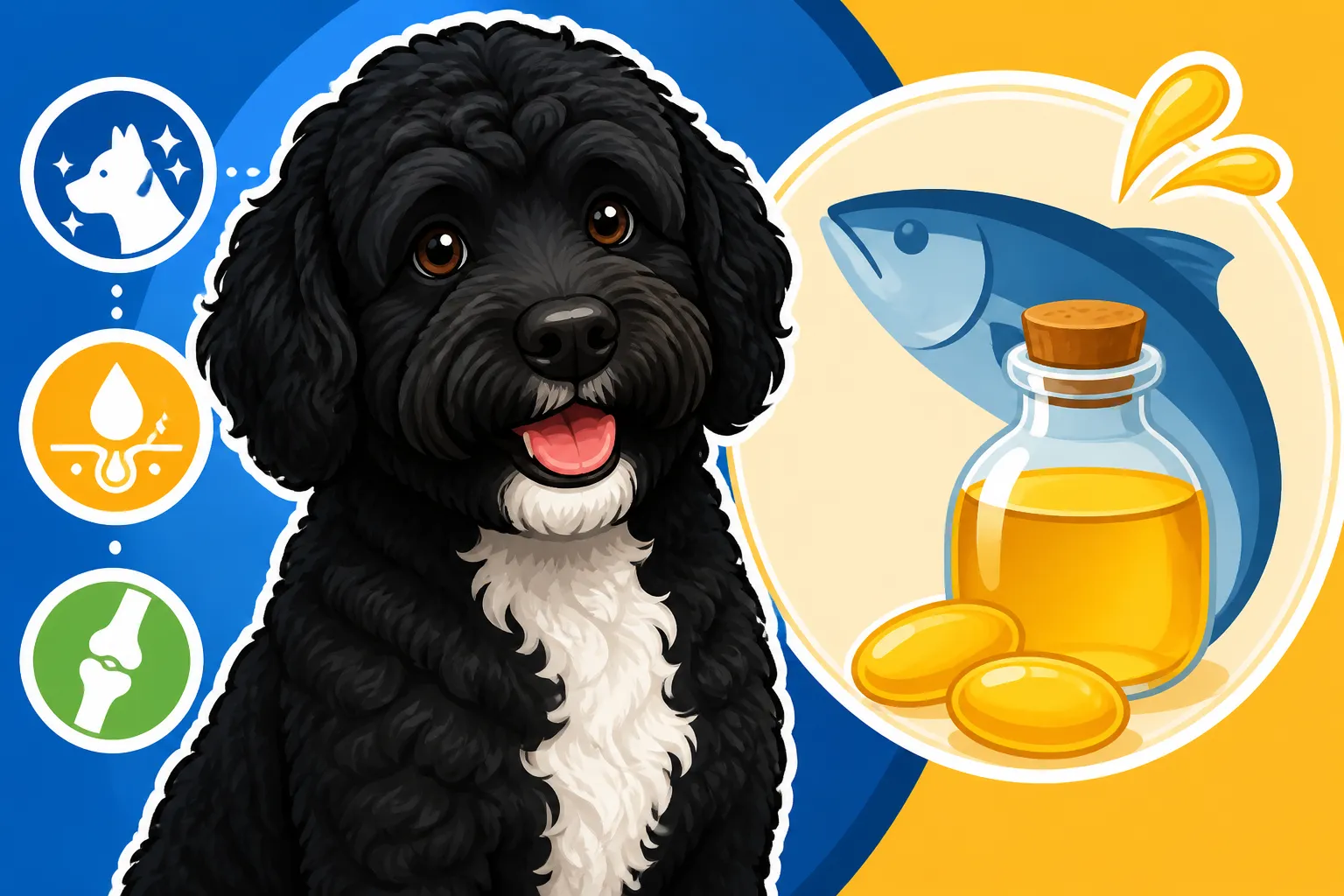
When a Portuguese Water Dog Needs Fish Oil
One of the biggest worries for any Portuguese Water Dog owner is ensuring our energetic, water-loving companions stay healthy and vibrant throughout their lives. It's especially frustrating when you see them starting to slow down or their beautiful, rich coat losing its luster, and you wonder if there's something more you could be doing. This comprehensive guide will walk you through the various reasons why fish oil supplementation might be a beneficial addition to your Portuguese Water Dog's routine, helping you understand when and why it could make a real difference, and what to look for when choosing a product.
Understanding Omega-3 Fatty Acids: Why Fish Oil Matters for Your Portuguese Water Dog
You've probably heard a lot about omega-3 fatty acids for human health, but these powerful nutrients are just as vital for our canine friends, especially a breed as active and prone to certain health conditions as the Portuguese Water Dog. Fish oil is a rich source of two primary omega-3s: Eicosapentaenoic acid (EPA) and Docosahexaenoic acid (DHA). Unlike other fats, dogs often can't produce enough of these essential fatty acids on their own, making dietary supplementation incredibly important. Think of it as giving their bodies the building blocks they need to combat inflammation and support crucial bodily functions.
The role of EPA and DHA in a dog's body is pretty extensive. EPA is particularly renowned for its anti-inflammatory properties. This means it can help calm down chronic inflammation throughout the body, which can be a silent culprit behind many discomforts and health issues. DHA, on the other hand, is a superstar for brain and eye development and function. For growing puppies, it's critical for neurological development, and for senior dogs, it can help maintain cognitive health. When we talk about keeping our Portuguese Water Dogs in top shape, whether they're a bouncing puppy or a wise old soul, understanding these foundational benefits is key.
The Role of Omega-3s in Cellular Health
At a microscopic level, omega-3s play a crucial role in the structure and function of every cell membrane in your Portuguese Water Dog's body. They help keep these membranes flexible and permeable, allowing nutrients to enter and waste products to leave more efficiently. This isn't just some abstract science; it translates directly into better overall health. When cell membranes are healthy, all the systems they make up – skin, joints, immune system, nervous system – function more effectively.
Consider the ongoing wear and tear our active Portuguese Water Dogs put on their bodies, whether they're diving into the lake, herding invisible fish in the backyard, or just bounding around with boundless energy. This activity, while wonderful for their spirits, can contribute to cellular stress over time. Providing ample omega-3s acts like a protective layer, helping the body manage and recover from this stress, maintaining cellular integrity and reducing oxidative damage. It's about proactive care, giving their bodies the best chance to thrive against everyday challenges and the natural aging process.
Key Scenarios When Your Portuguese Water Dog Might Benefit from Fish Oil
So, when does all this scientific talk translate into practical reasons for giving your beloved Portuguese Water Dog fish oil? The truth is, many common issues that crop up in the breed can be significantly alleviated, or even prevented, by consistent and appropriate fish oil supplementation. It’s not just for when they’re showing obvious signs of trouble; sometimes it’s about supporting their inherent vigor.
Supporting Joint Health and Mobility
This is probably one of the most common reasons owners turn to fish oil, and for good reason. Portuguese Water Dogs are athletic and active, which means their joints endure a lot of impact over their lifetime. While they are generally a robust breed, conditions like hip and elbow dysplasia can unfortunately still occur, and arthritis is almost a given as they age. When you consider Hips and Joints in a Portuguese Water Dog, providing joint support early can be a game-changer.
EPA, with its potent anti-inflammatory effects, directly targets the inflammation within joints that contributes to pain and stiffness. If your Portuguese Water Dog is starting to show subtle signs like a little stiffness after a long nap, hesitation before jumping into the car, or just generally slowing down on walks, it might be an early indicator that their joints could use some extra support. Fish oil won't cure these conditions, but it can certainly help manage the discomfort and improve their quality of life, allowing them to enjoy their favorite activities, like swimming, for longer. We want them to remain agile and happy, especially as we consider The Age a Portuguese Water Dog Gets Arthritis.
Enhancing Skin and Coat Health
The Portuguese Water Dog's distinctive coat is one of its most defining features – whether curly or wavy, it’s designed to protect them in water. However, this dense coat can also hide underlying skin issues or become dry, flaky, or dull if not properly nourished. Allergies, which can manifest as itchy skin, hot spots, or excessive licking, are also not uncommon. Fish oil can work wonders here because omega-3s are integral to healthy skin barrier function.
A well-nourished skin barrier is better equipped to retain moisture and defend against environmental irritants and allergens. If your Portuguese Water Dog is constantly scratching, has dandruff, or a coat that feels rough and brittle instead of soft and resilient, fish oil might offer relief. It helps reduce the inflammatory response that often drives itchy skin conditions, promoting a healthier, shinier coat from the inside out. This makes brushing easier and can even mitigate some of the common frustrations owners face with their PWDs’ grooming needs, such as managing mats. For more details on their unique coat, check out What a Portuguese Water Dog's Coat Is Made Of. When you consider Whether a Portuguese Water Dog Gets Skin Allergies, fish oil can be a supportive measure.
Boosting Immune Function and Reducing Inflammation
Beyond joints and skin, chronic inflammation can quietly undermine a Portuguese Water Dog's overall health. It can contribute to a range of issues, from digestive upset to a less robust immune system. Omega-3s help regulate the body's inflammatory pathways, essentially helping to keep the immune system balanced. Instead of overreacting to minor irritants or struggling to fight off genuine threats, a balanced immune system works more efficiently.
This broad anti-inflammatory effect means fish oil can be a beneficial supplement for general wellness, particularly for dogs with any kind of autoimmune condition or those who seem to be frequently battling minor infections. It's about fostering a strong internal environment where their body can function optimally. For active dogs like ours, who are constantly exploring, swimming, and interacting with their environment, a strong immune system is paramount to keeping them healthy and happy. This is part of the holistic care when considering What a Portuguese Water Dog Needs Every Day.
Cognitive Support for Puppies and Senior Dogs
DHA, one of the key omega-3s in fish oil, is crucial for brain development. For Portuguese Water Dog puppies, incorporating fish oil can support their rapidly developing nervous systems and cognitive function, potentially aiding in training and focus. Think of it as giving them the best start for their intelligent minds.
As our Portuguese Water Dogs enter their golden years, cognitive decline can sometimes become a concern. They might seem a bit disoriented, forget commands, or interact differently. DHA continues to support brain health by maintaining neuronal membrane fluidity and function. Adding fish oil to the diet of an aging Portuguese Water Dog can help maintain cognitive vitality, keeping their minds sharper and more engaged. When you're Caring for an Aging Portuguese Water Dog, supporting their brain health is just as important as their physical comfort. It helps them retain their joyful personalities and continue to be wonderful companions.
Choosing the Right Fish Oil and Administering it Safely
Once you've decided that fish oil might be a good fit for your Portuguese Water Dog, the next step is choosing a product and figuring out how to incorporate it into their routine. This isn't a one-size-fits-all situation, and quality really matters.
What to Look For in a Fish Oil Supplement
The market is flooded with options, which can feel overwhelming. Here’s what to prioritize:
- Source: Look for fish oils derived from small, cold-water fish like anchovies, sardines, and mackerel. These fish are lower on the food chain, meaning they accumulate fewer toxins like mercury compared to larger fish.
- Purity and Testing: This is absolutely critical. Reputable brands will openly state that their products are third-party tested for contaminants like heavy metals (mercury, lead), PCBs, and dioxins. Many will have certifications like those from the Global Organization for EPA and DHA Omega-3s (GOED) or similar quality assurance programs. Don't compromise on purity; you don't want to inadvertently introduce toxins into your dog's system.
- Form: Fish oil comes in liquid form or capsules. Liquid can be easier to administer, especially if you have a picky eater, as you can just drizzle it over their food. Capsules are convenient for precise dosing and can be good if your dog takes pills easily or if you're concerned about the fishy smell.
- EPA and DHA Content: Don't just look at the total omega-3s. Focus on the actual amounts of EPA and DHA per serving. These are the active ingredients that provide the benefits. Compare these numbers across brands to ensure you're getting a potent product.
- Added Ingredients: Some fish oils may include vitamin E, which is a good antioxidant and can help prevent the oil from oxidizing. However, avoid products with unnecessary fillers, artificial flavors, or excessive other vitamins unless specifically recommended by your vet.
Many trusted pet retailers, like Chewy or Amazon, carry a wide selection of reputable fish oil brands for dogs. It's always a good idea to read reviews and check the brand's website for their testing protocols before making a purchase. While there are fresh food companies like Ollie that focus on whole food nutrition, if you're specifically looking for concentrated fish oil, you'll likely be looking at dedicated supplements.
Here’s a quick overview of what to consider:
| Feature | Importance | Why it matters |
|---|---|---|
| Fish Source | High | Small, cold-water fish (anchovies, sardines) have less mercury. |
| Purity/Testing | Critical | Ensures no heavy metals, PCBs, or other contaminants. |
| EPA/DHA Content | High | These are the beneficial omega-3s; higher concentration means more potent. |
| Form | Moderate (preference) | Liquid for easy dosing, capsules for precision. |
| Added Vitamin E | Beneficial | Acts as an antioxidant, preventing oil rancidity. |
| Brand Reputation | High | Indicates reliability and commitment to quality. |
Proper Dosage and Administration
The correct dosage is crucial. Too little, and you won't see the benefits; too much, and you could potentially cause digestive upset or other issues. Dosage is usually based on your dog's weight and the concentration of EPA and DHA in the specific product. Always follow the guidelines on the product label first, but it's even better to consult your veterinarian for an individualized recommendation. They can consider your Portuguese Water Dog's specific health needs and existing diet.
Fish oil is best given with food. This not only aids in absorption but also helps prevent stomach upset. If you're using a liquid, you can simply drizzle it over their kibble or mix it into wet food. If using capsules, you can try hiding them in a treat or a dollop of peanut butter (xylitol-free, of course!). Start with a lower dose and gradually increase it to the recommended amount over a week or two to allow your Portuguese Water Dog's digestive system to adjust. Store fish oil according to the manufacturer's instructions, typically in a cool, dark place or refrigerator, to prevent it from going rancid. Rancid fish oil isn't just ineffective; it can be harmful.
When to Talk to Your Vet About Fish Oil Supplementation
While fish oil is generally safe, it's not a magic bullet, and it's always best to involve your veterinarian in any major dietary changes or supplementation plans. They are your best resource for personalized advice.
Consulting Your Veterinarian for Individualized Advice
Your vet knows your Portuguese Water Dog's complete health history, existing conditions, and any medications they might be taking. This information is vital for determining if fish oil is appropriate and what the correct dosage should be. For example, if your dog is on blood thinners, high doses of fish oil could potentially increase bleeding risk. Your vet can also help you identify underlying issues that might be mimicking symptoms that fish oil could help, ensuring you address the root cause rather than just masking symptoms.
Don't hesitate to bring up your interest in fish oil during a routine check-up or if you're noticing new symptoms in your Portuguese Water Dog. They can offer guidance on specific brands, dosage, and monitor your dog's response. This collaborative approach ensures the best possible outcome for your furry family member.
Potential Side Effects and Considerations
While rare, some Portuguese Water Dogs can experience mild side effects from fish oil, especially when first introduced or if the dose is too high. These can include:
- Diarrhea or loose stools: Usually resolves by reducing the dose or introducing it more slowly.
- Vomiting: Similar to diarrhea, often a sign of too much too fast.
- Fishy breath or body odor: More common with liquid forms, usually mild.
- Weight gain: Fish oil adds calories, so factor that into their overall diet, especially if you're trying to Getting Weight Off a Portuguese Water Dog.
In more serious cases, excessively high doses over a long period could potentially interfere with blood clotting or nutrient absorption. This is another reason why veterinary guidance is so important. They can help you strike the right balance and ensure that the benefits outweigh any potential risks, keeping your Portuguese Water Dog healthy and thriving through all their life stages. For instance, fish oil can work alongside or complement joint supplements (When a Portuguese Water Dog Needs Joint Supplements).
Ultimately, fish oil can be a powerful tool in your Portuguese Water Dog's health arsenal, particularly for supporting their joints, maintaining a glorious coat, bolstering their immune system, and keeping their minds sharp. By choosing a high-quality product, dosing it correctly, and working closely with your veterinarian, you can help your active companion live their fullest, most vibrant life.
Disclaimer
This article is for general informational purposes only and does not constitute professional advice. Laws, prices and regulations vary by location and change over time. Consult a qualified professional for guidance on your specific situation.