Why a Portuguese Water Dog’s Ear Bills Repeat
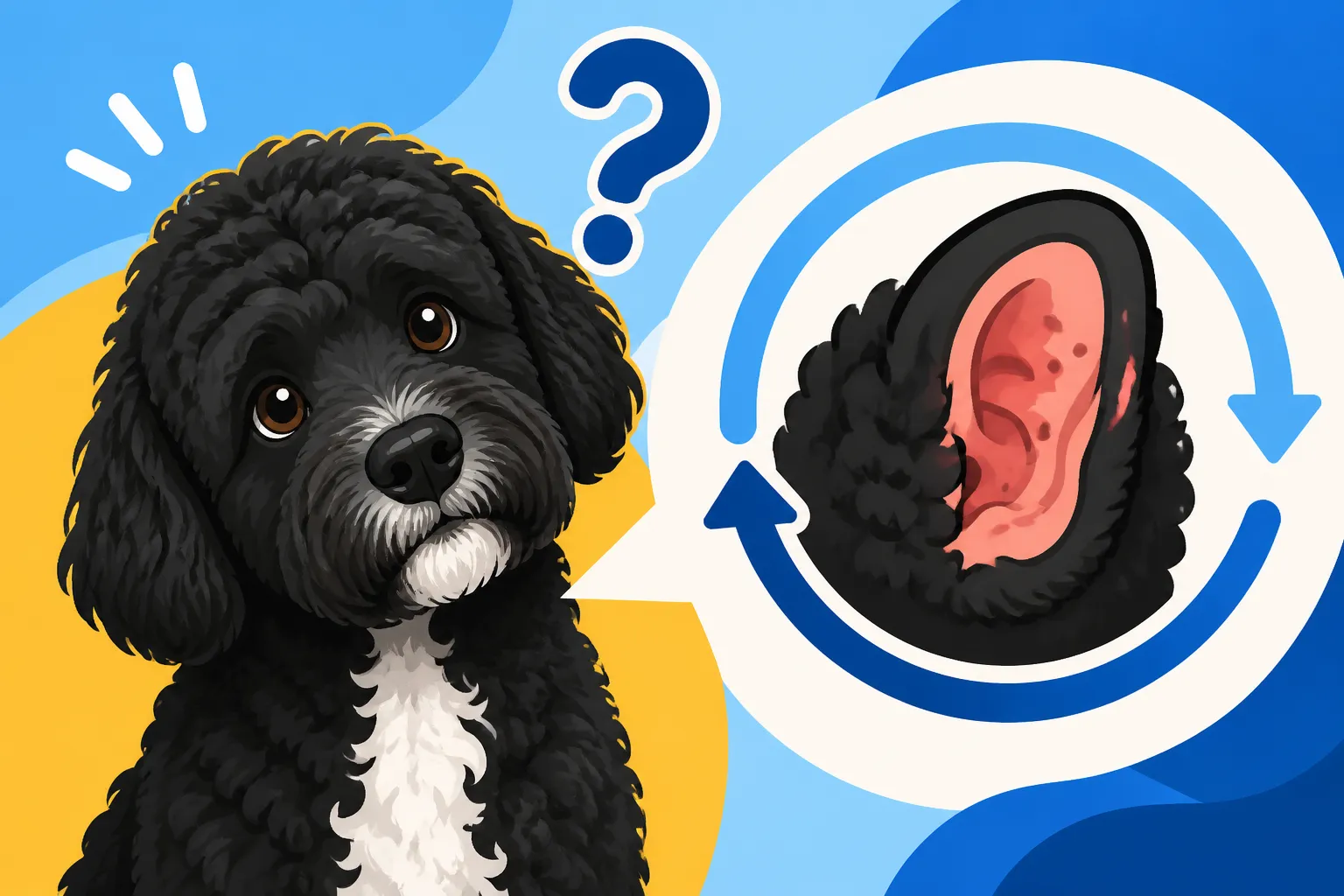
Oh, the dread of that recurring ear infection! If you're a Portuguese Water Dog owner, you've probably experienced the familiar cycle: your beloved, water-loving companion gets a little head shake, a bit of an odor, then a visit to the vet, and before you know it, you’re back again a few months later. It’s not just frustrating for you, it’s uncomfortable for your PWD, and let's be honest, the bills can really start to pile up. This guide is all about diving deep into why these ear problems seem to be a recurring saga for our wonderful Portuguese Water Dogs, and what you can do to potentially break that costly cycle.
Understanding the Unique Anatomy of the Portuguese Water Dog's Ear
It's not just bad luck that your Portuguese Water Dog seems prone to ear issues. Their ears are, in many ways, perfectly designed to trap moisture and become a breeding ground for problems. This isn't a criticism of the breed; it's simply a fact of their amazing, water-ready physiology that requires extra vigilance from us as their caregivers.
The Deep, Furry Ear Canal
Take a peek inside your PWD's ear (if they'll let you!). What you'll notice right away is how deep that ear canal goes, and crucially, how much hair grows down into it. Unlike some breeds with open, airy ear canals, the Portuguese Water Dog has a relatively narrow, often L-shaped canal that is thickly lined with fur. This dense hair acts like a sponge, holding onto moisture and debris, and significantly reducing air circulation. It's like a damp, warm, dark cave – absolutely perfect for yeast and bacteria to thrive. When moisture gets trapped deep within that furry canal after a swim, bath, or even just high humidity, it creates a stagnant environment that can quickly lead to infection. Think about trying to dry a thick, damp towel rolled up tightly; that's essentially what's happening inside your dog's ear. Whether a Portuguese Water Dog's Ear Canal Stays Wet delves into this a bit more.
This deep, hairy structure also makes it harder for natural ear wax and debris to exit the ear. In a healthy ear, these substances would typically migrate outwards. But with the PWD's ear, gravity and natural movements aren't enough to clear it effectively, leading to buildup. This buildup, combined with warmth and moisture, ferments and breaks down, further irritating the delicate skin of the ear canal and fueling microbial growth. It's a vicious cycle where the ear's own defenses are hampered by its unique design.
Webbing and Water Retention
Our Portuguese Water Dogs are bred for the water, and their incredible webbed feet are a testament to that heritage. But their love for water, combined with their ear structure, creates a perfect storm for ear problems. Every time they dive, swim, or even just splash around, water inevitably finds its way into those deep, furry ear canals. While a quick shake might dislodge some surface water, much of it can get trapped, especially with those heavy, drop ears covering the opening, further sealing in the moisture.
Consider a hot summer day at the lake. Your PWD is in their absolute element, happily retrieving toys from the water for hours. They emerge, shake, and you might towel them off. But deep inside their ears, water can linger for a surprisingly long time. This constant exposure to moisture, particularly from lakes or oceans which contain their own host of microorganisms, is a primary reason Why a Swimming Dog Gets Ear Infections is so common in this breed. Without diligent and consistent post-swim care, you're almost guaranteed to face recurring issues.
The Lifestyle Factors That Contribute to Recurring Issues
Beyond the inherent ear anatomy, the very lifestyle that makes Portuguese Water Dogs so unique and beloved can also contribute significantly to their chronic ear problems. From their enthusiastic embrace of all things aquatic to their grooming needs and even their diet, several elements can inadvertently fuel the fire of ear infections.
A Breed Built for Water Work
It’s no secret that Portuguese Water Dogs are water enthusiasts. They were bred to work alongside fishermen, retrieving tackle, herding fish into nets, and even carrying messages between boats. Water isn't just a hobby for them; it's practically in their DNA. This incredible trait, while wonderful for their exercise and mental stimulation, is also a major factor in their propensity for ear infections. A PWD that gets to swim regularly is a happy PWD, but it's also a PWD whose ears are constantly exposed to moisture, whether it's from a chlorinated pool, a murky lake, or the salty ocean. Each swimming session introduces water, and potentially bacteria, into those deep ear canals.
The sheer frequency of swimming for many PWDs means that even with the best intentions, it's easy for moisture to get trapped. A quick towel-dry might seem sufficient, but it rarely reaches deep enough into the canal. This constant battle against moisture infiltration means that owners often feel like they're endlessly treating the same problem. This is why it's crucial to understand How Often a Swimming Portuguese Water Dog Needs Ear Cleaning and to integrate proper drying techniques after every water activity. Without a rigorous post-swim routine, you're constantly fighting an uphill battle against the very thing your dog loves most.
Grooming Challenges and Overlooked Areas
The magnificent, non-shedding coat of the Portuguese Water Dog is another defining characteristic, and while it's fantastic for allergy sufferers, it comes with its own set of grooming demands. Those dense, curly or wavy locks extend right into the ear canal, creating another challenge for ear health. If the hair within the ear canal isn't regularly managed, it further traps moisture and debris, exacerbating the issues caused by their love of water.
Many owners, especially those new to the breed, might not realize the importance of ear hair plucking or trimming. While some argue against routine plucking, for a PWD with chronic issues, it can be a game-changer for improving air circulation and making cleaning more effective. A professional groomer or your vet can advise on the best approach for your individual dog, as some dogs are more sensitive than others. Neglecting this crucial aspect of grooming means you're leaving a thick, absorbent barrier deep inside the ear, practically inviting infection. This is a common reason why ear bills repeat; owners might be treating the infection, but not addressing the underlying grooming issue that's contributing to it. Understanding Whether a Portuguese Water Dog's Ear Hair Should Be Removed is key to effective preventative care.
Diet, Allergies, and Underlying Health
Sometimes, recurring ear infections aren't just about water and anatomy; they can be a red flag for deeper systemic issues like allergies or food sensitivities. Just like in humans, dogs can develop environmental allergies to pollen, dust mites, or certain foods, and one of the most common ways these allergies manifest is through skin inflammation, which often includes the ears. An allergic reaction can cause the lining of the ear canal to become inflamed, itchy, and produce excessive wax, creating a perfect environment for secondary bacterial or yeast infections.
If your PWD is experiencing chronic ear issues, and you've been diligent with cleaning and drying, it might be time to investigate potential allergies. This could involve working with your vet on an elimination diet, switching to a limited ingredient food, or discussing allergy testing. Brands like Ollie, which offers fresh, customizable dog food, might be a consideration for some owners exploring dietary changes to mitigate allergy symptoms. Beyond allergies, other underlying health conditions, such as hypothyroidism or autoimmune diseases, can also predispose dogs to recurring infections by impacting their immune system or skin health. A comprehensive veterinary check-up, including bloodwork, can sometimes uncover these hidden culprits.
The Financial Impact of Chronic Ear Problems
It's easy to feel like you're constantly writing checks for your Portuguese Water Dog's ears. The financial burden of recurring ear infections is a significant concern for many owners, and it's a frustration that's entirely valid. It’s not just the cost of a single vet visit; it’s the cumulative expense of multiple treatments, medications, and specialized products over time.
The Cycle of Diagnosis and Treatment
When your PWD develops an ear infection, the typical course involves a trip to the veterinarian. This initial visit usually includes an examination, sometimes a cleaning, and often a swab taken for cytology (looking under a microscope) or culture (growing the bacteria/yeast). This helps identify the specific culprit and determine the most effective medication. Then comes the medication itself: ear drops, oral antibiotics, anti-fungals, or anti-inflammatories. After a week or two, a recheck appointment is often necessary to ensure the infection has cleared.
Now, imagine this scenario playing out two, three, or even four times a year. Each cycle repeats these costs: the exam fee, diagnostic tests, medications, and follow-up visits. What an Ear Infection Costs a Portuguese Water Dog Owner a Year can quickly become a substantial line item in your pet care budget. It's a frustrating loop because you're paying to treat symptoms rather than definitively solving the root cause. Moreover, if an infection becomes chronic, the type of bacteria or yeast can become resistant to common treatments, requiring more expensive, specialized medications or even sedation for thorough deep cleaning by the vet. This escalating cost highlights why proactive prevention is so vital.
The Cost of Prevention Versus Reaction
It's tempting to think that you're saving money by only reacting when an ear infection flares up. However, for a breed like the Portuguese Water Dog, this approach almost invariably leads to higher overall costs. Reacting to a full-blown infection means paying for veterinary consultations, diagnostic tests, potent medications, and often follow-up appointments. These can add up quickly. For instance, an initial vet visit for a new ear infection might involve an exam, cytology, and a prescription for ear drops. If it doesn't clear up, or if it recurs, you're looking at another visit, possibly more advanced diagnostics, and different medications.
In contrast, investing in a robust preventative routine, while it has its own costs, is often significantly cheaper in the long run. This includes purchasing good quality ear cleaning solutions, such as those you might find on Chewy, ear-drying solutions (which can be a big help for PWDs), and potentially paying for regular professional ear cleanings or hair trimming by your groomer or vet tech. Think about the peace of mind that comes with knowing you're actively safeguarding your dog's health, rather than waiting for an infection to take hold. Pet insurance, from providers like Healthy Paws, can also be a valuable investment here, helping to offset the costs of both preventative vet checks and, crucially, recurring infection treatments if they do occur despite your best efforts. Understanding What Insurance Covers on a Portuguese Water Dog is a good idea to see if it makes sense for your family.
Breaking the Cycle: Proactive Strategies for PWD Ear Health
The good news is that while Portuguese Water Dogs are predisposed to ear infections, you are not powerless. With a proactive, consistent approach, you can significantly reduce the frequency and severity of these frustrating episodes, leading to a happier, healthier dog and fewer recurring vet bills.
A Consistent Ear Care Routine
The single most impactful thing you can do to prevent recurring ear infections in your Portuguese Water Dog is to establish and stick to a consistent ear care routine. This isn't just about cleaning when things look bad; it's about making ear maintenance a regular part of your week, especially if your PWD is a frequent swimmer.
Here's what that might look like:
- After Every Swim: Immediately after your PWD comes out of the water, gently dry the outer ear flap. Then, use an ear-drying solution specifically formulated for dogs. These solutions typically contain ingredients that help evaporate moisture and acidify the ear canal, creating an environment less hospitable to bacteria and yeast. Simply squirt the recommended amount into the canal, gently massage the base of the ear for 30 seconds, and then let your dog shake its head. You can then wipe away any dislodged debris from the outer ear with a cotton ball. Whether an Ear Drying Solution Helps a Portuguese Water Dog is a definite "yes" for many PWD owners.
- Weekly Cleaning (or more often if needed): Even without swimming, a weekly ear check and cleaning can prevent buildup. Use a veterinarian-approved ear cleaner (again, readily available from retailers like Chewy). These cleaners help break down wax and debris. Apply the cleaner, massage, let your dog shake, and then wipe. Never use cotton swabs inside the ear canal, as you can push debris deeper and potentially damage the eardrum.
- Regular Hair Management: Work with your groomer or vet to decide on the best approach for managing the hair inside your PWD's ear canal. For many, a light plucking or trimming significantly improves air circulation. This should be done carefully to avoid irritating the sensitive skin.
| Routine Step | Frequency | Purpose | Key Considerations |
|---|---|---|---|
| External Ear Drying | After every water exposure | Remove surface moisture, prevent water trapping | Use soft towel, focus on outer folds |
| Ear Drying Solution | After every water exposure | Evaporate deep moisture, acidify canal | Veterinarian-approved, gentle massage |
| Regular Ear Cleaning | Weekly (or as advised by vet) | Remove wax and debris, prevent buildup | Use vet-approved cleaner, avoid cotton swabs deep in canal |
| Ear Hair Plucking/Trimming | Monthly or every grooming session | Improve airflow, reduce moisture retention | Consult vet/groomer, can be sensitive for some dogs |
| Visual & Olfactory Check | Daily | Early detection of redness, odor, discharge | Look for subtle changes, be aware of "yeasty" smell |
Consistency is key here. Missing a cleaning after a swim or letting ear hair grow too long can quickly negate previous efforts and lead you right back to square one.
Partnering with Your Vet and Groomer
You are part of a team when it comes to your Portuguese Water Dog's health, and your veterinarian and professional groomer are invaluable members. Don't hesitate to lean on their expertise, especially when dealing with recurring ear issues. Your vet can provide guidance on the best cleaning products, demonstrate proper cleaning techniques, and help you identify if underlying allergies or health conditions are playing a role. They can also perform thorough deep cleanings if necessary, sometimes under sedation, to clear out stubborn debris.
Similarly, a groomer experienced with Portuguese Water Dogs will understand the unique challenges of their coat and ears. Discuss your PWD's history of ear infections with them. They can ensure that ear hair is managed appropriately during regular grooming appointments, which is a critical preventative step. They can also alert you to any early signs of irritation or infection they notice during their work. Building a strong relationship with both professionals ensures a holistic approach to your PWD's ear health. It’s all part of What Care a Portuguese Water Dog Needs Its Whole Life.
Considering Pet Insurance for Ongoing Care
Even with the most diligent preventative care, some Portuguese Water Dogs will still experience occasional ear infections due to their unique physiology and love for water. That's where pet insurance can truly provide peace of mind and help manage those unexpected, and often repeating, veterinary bills. Policies from providers like Healthy Paws are designed to cover accidents and illnesses, which would include ear infections, their diagnosis, and treatment. This can be a huge relief when you're facing multiple vet visits, specialized medications, or diagnostics that quickly add up.
While basic cleaning supplies are usually out-of-pocket, the significant costs associated with diagnosing and treating an active infection, or investigating underlying causes like allergies, can be substantially offset by a good insurance plan. When choosing a plan, it's wise to look for one that offers comprehensive coverage for illnesses and has flexible reimbursement options. Be sure to understand what's covered regarding chronic conditions, as ear infections can certainly fall into that category for some PWDs. Investing in pet insurance early in your dog's life can help ensure that when those ear issues inevitably crop up, your primary concern can be your dog's comfort and recovery, not the looming vet bill.
Disclaimer
This article is for general informational purposes only and does not constitute professional advice. Laws, prices and regulations vary by location and change over time. Consult a qualified professional for guidance on your specific situation.