Whether a Portuguese Water Dog’s Ear Canal Stays Wet
One of the absolute joys of owning a Portuguese Water Dog is watching them revel in water. Their heritage demands it, their instincts crave it, and their very being seems to hum with contentment when they're splashing, retrieving, and swimming. But that deep, abiding love for all things wet brings with it a specific concern for us owners: their ears. It's a common worry among PWD parents: does a Portuguese Water Dog's ear canal stay wet after a swim, and what does that mean for their health? This comprehensive guide will dive deep into the unique anatomy of your PWD's ears, the inherent risks of persistent moisture, and how to keep those working ears healthy and happy.
The Unique Design of a Portuguese Water Dog's Ears
Understanding why PWD ears are susceptible to issues begins with appreciating their unique anatomical structure. Unlike some breeds with open, upright ears, Portuguese Water Dogs have pendulous, heavy ear flaps that hang down, often quite close to the side of their head.
The Pendulous Ear Flap: A Double-Edged Sword
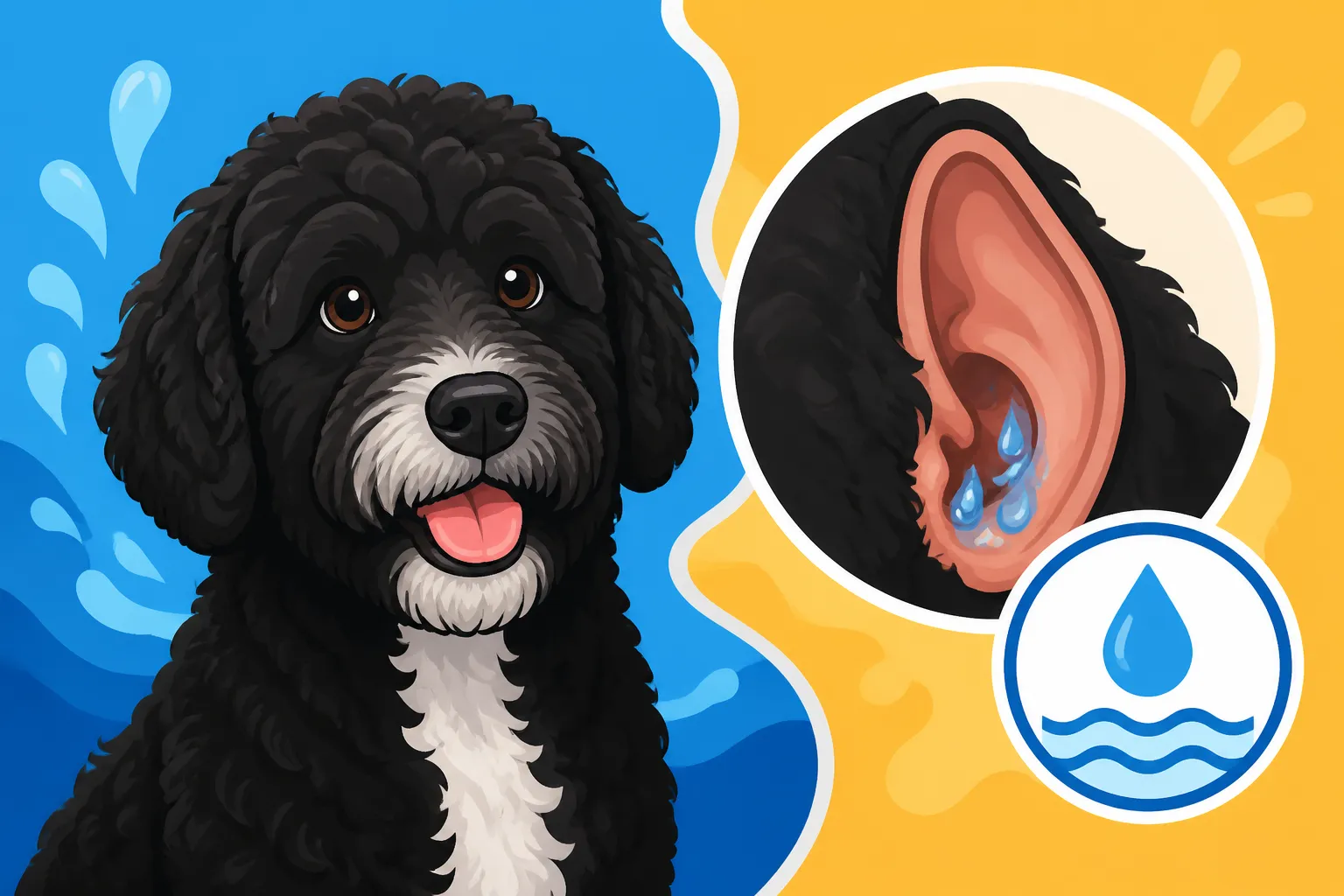
That lovely, soft ear flap is fantastic for keeping debris out when your PWD is romping through brush or diving through waves, but it also creates a warm, dark, and enclosed environment. This design naturally limits air circulation, which is a crucial factor in ear health. When you combine this limited airflow with the breed's passion for water, you've got a recipe for potential trouble if not managed correctly. Imagine wearing a heavy hat immediately after stepping out of the shower – that's a bit like what happens inside your PWD's ear. The moisture gets trapped, and the lack of air doesn't allow for quick evaporation.
The L-Shaped Ear Canal and Internal Hair
Beyond the external flap, the internal structure of a Portuguese Water Dog's ear canal is also a contributing factor. Their ear canals are famously L-shaped, making it difficult for water to simply drain out on its own. This L-shape creates a natural trap, and water can easily sit in that bend, turning the canal into a stagnant pool. Furthermore, many PWDs have a good amount of hair growing inside their ear canals. While this hair might offer a slight protective barrier against larger debris, it also acts like a sponge, holding onto moisture and preventing air from reaching the skin. It’s a bit of a conundrum: the very traits that were likely beneficial to their ancestors working the cold waters off the coast of Portugal can now pose challenges in modern pet ownership. This is precisely Why a Portuguese Water Dog's Ear Canal Traps Water.
The Risks of Persistent Moisture in the Ear Canal
When a Portuguese Water Dog's ear canal remains persistently wet, it's not just an inconvenience; it becomes a prime breeding ground for unwelcome guests like bacteria and yeast. This warm, dark, and moist environment is exactly what these microorganisms need to thrive and multiply, leading to uncomfortable and often painful ear infections.
Understanding Otitis Externa
The most common issue stemming from chronic moisture is otitis externa, which is simply inflammation of the external ear canal. It often starts innocently enough with a bit of itching, but if left unaddressed, it can quickly escalate. The skin inside the ear canal can become red, swollen, and even painful to the touch. Your dog might start shaking their head vigorously, scratching at their ears, or holding their head at a tilt. There might also be a noticeable odor and discharge from the ear, which can range in color and consistency depending on the type of infection. These are often the first Signs a Portuguese Water Dog's Ear Is Infected.
Yeast infections, frequently caused by Malassezia pachydermatis, are common and often result in a dark, waxy discharge with a distinct sweet or musty smell. Bacterial infections can produce yellowish or greenish pus and a more pungent odor. Sometimes, both yeast and bacteria can be present, making the infection particularly stubborn. It’s a miserable experience for your dog, and if you've ever had an ear infection yourself, you can empathize with the throbbing pain and irritation.
Potential for Chronic and Recurring Infections
The real challenge for Portuguese Water Dog owners is that once an ear infection takes hold, especially if the underlying cause (persistent moisture) isn't adequately managed, it can become a recurring nightmare. Some PWDs, despite diligent care, seem predisposed to developing ear infections frequently. This can be incredibly frustrating and expensive for owners. Chronic inflammation can lead to changes in the ear canal itself, such as thickening of the skin and narrowing of the canal, making future infections even harder to treat and setting up a vicious cycle. You might find yourself asking How Often a Portuguese Water Dog Gets an Ear Infection. Each episode means another trip to the vet, another round of medication, and a lot of discomfort for your beloved companion. In cases of chronic ear issues, having pet insurance like Healthy Paws can really make a difference, as it can help cover the costs of repeated vet visits, diagnostics, and prescriptions.
Long-Term Complications if Left Untreated
Beyond the immediate discomfort, untreated or poorly managed ear infections can lead to more severe complications. The infection can spread deeper into the middle or inner ear, potentially affecting balance and hearing. In rare but serious cases, chronic inflammation can even lead to rupture of the eardrum (tympanic membrane), causing significant pain and opening the door for even more serious issues. This is why addressing any signs of ear trouble promptly is absolutely critical. Over time, the constant head shaking and scratching can also lead to secondary problems like hematomas (blood blisters) in the ear flap, which often require surgical intervention to drain and heal. This is definitely Why a Swimming Dog Gets Ear Infections needs to be taken seriously.
Proactive Care: Keeping Those Ears Dry and Healthy
Given the anatomical predispositions and the PWD's love for water, a proactive and consistent ear care routine is not just recommended, it's essential. Preventing moisture build-up and keeping the ear environment healthy is your best defense against infections.
Immediate After-Swim Ear Drying Protocol
This is perhaps the single most important step for any water-loving Portuguese Water Dog. As soon as your dog finishes their swim – whether it's in the ocean, a lake, or your backyard pool – their ears need attention. Don't wait until you get home if you're out and about. Gently but thoroughly dry the accessible parts of the ear canal.
- Materials: Soft cotton balls, gauze pads, or even a soft cloth are ideal. Avoid cotton swabs, as these can push debris deeper into the ear canal or even damage the delicate eardrum.
- Technique: Lift the ear flap and gently wipe the visible folds and surfaces of the ear canal. You want to blot and absorb moisture, not rub vigorously. Be gentle! Most PWDs will tolerate this well if you start when they're puppies and make it a positive experience with praise and treats.
- Ear Drying Solutions: Many veterinarians recommend using a veterinary-approved ear drying solution after swimming. These solutions are formulated to help evaporate moisture and often contain ingredients that create an acidic environment, which is inhospitable to bacteria and yeast. Simply apply the recommended number of drops into the ear canal, gently massage the base of the ear for 30 seconds to distribute the solution, and then let your dog shake their head. Wipe away any excess. Choosing the right solution is key, and your vet can advise you on the best product for your specific dog. This is where you might ask yourself Whether an Ear Drying Solution Helps a Portuguese Water Dog.
Regular Ear Cleaning and Inspection
Even if your PWD isn't a frequent swimmer, regular ear care is still important. Ear canals naturally produce wax, which helps to protect and lubricate, but excessive build-up can trap moisture and debris.
- Frequency: For most PWDs, a weekly or bi-weekly check is a good idea. If your dog swims regularly, you might need to check and dry daily, and clean every 1-2 weeks. This falls under the realm of How Often a Portuguese Water Dog's Ears Need Checking.
- Cleaning Process: Only clean if the ears appear dirty or waxy. Use a veterinary-approved ear cleaner. These cleaners are designed to dissolve wax and debris without irritating the sensitive skin of the ear canal. Apply the cleaner as directed, massage the ear base, let your dog shake, and then gently wipe out any loosened debris with cotton. Never over-clean, as this can strip the ears of their natural protective oils and lead to irritation. Ask your vet What to Clean a Portuguese Water Dog's Ears With for personalized advice.
- Visual Inspection: During your routine checks, look for any redness, swelling, unusual odors, or discharge. These are early warning signs of an impending problem. Also, gently sniff your dog's ears; a healthy ear should have minimal odor.
Managing Ear Hair
The hair that grows inside a Portuguese Water Dog's ear canal can be a point of contention among owners and even vets. On one hand, it traps moisture; on the other, removing it can sometimes irritate the skin and lead to more problems.
- Plucking vs. Not Plucking: Some argue that plucking the ear hair allows for better airflow and prevents matting that can trap moisture and debris. Others contend that plucking creates micro-traumas in the ear canal, opening the door for infection. The best approach is usually to discuss this with your veterinarian. They can assess your dog's individual ear health and the density of their ear hair to recommend the most appropriate course of action. If plucking is recommended, it should be done carefully, ideally by a professional groomer or vet tech who knows how to do it without causing irritation or pain.
- Trimming: Some owners opt for trimming the hair at the entrance of the ear canal rather than plucking, to improve airflow without irritating the inner canal lining. Again, consult with your vet or groomer.
When to Seek Veterinary Help for Ear Issues
Despite your best preventative efforts, ear infections can still happen. Knowing when to call the vet and understanding the diagnostic and treatment process is crucial for your PWD's well-being.
Recognizing the Signs That Warrant a Vet Visit
It’s important to be vigilant and act quickly when you suspect an ear problem. Delaying treatment can lead to more severe and harder-to-resolve infections. Don't wait for the problem to resolve on its own, especially with a breed prone to ear issues.
Look out for any of these signs:
- Excessive head shaking or scratching at the ears.
- Rubbing ears on furniture or the ground.
- Redness or swelling around the ear canal opening.
- Discharge from the ear (waxy, purulent, bloody).
- Unpleasant odor emanating from the ear.
- Pain or sensitivity when you touch your dog's ears.
- Holding the head tilted to one side.
- Reluctance to play or lethargy (in severe cases).
If you observe any of these symptoms, even mild ones, it’s time to schedule an appointment with your veterinarian. They will be able to properly diagnose the issue and get your dog on the road to recovery.
The Veterinary Examination and Diagnosis
When you bring your PWD in for an ear concern, your vet will perform a thorough examination. This typically involves:
- Visual Inspection: Looking at the external ear flap and the visible parts of the ear canal for signs of inflammation, discharge, or foreign bodies.
- Otoscopic Examination: Using an otoscope, a specialized instrument with a light and magnifying lens, to look deep inside the ear canal, all the way to the eardrum. This helps them assess the severity of the inflammation, identify any foreign objects (like grass awns), and check the condition of the eardrum.
- Ear Swab and Cytology: This is a critical step. Your vet will take a swab of any discharge from the ear and examine it under a microscope (cytology). This allows them to identify whether yeast, bacteria, or mites are present, and often which specific types. This information is vital for selecting the most effective medication.
- Culture and Sensitivity (if needed): For recurrent or stubborn infections, your vet might send a sample to a lab for culture and sensitivity testing. This pinpoints the exact species of bacteria present and determines which antibiotics will be most effective against it.
Treatment Options and Management
Based on the diagnosis, your vet will prescribe the appropriate treatment. This most commonly involves:
- Topical Ear Medications: These are drops or ointments that you apply directly into your dog's ear canal. They often contain a combination of antibiotics, antifungals, and anti-inflammatories to tackle the infection, reduce swelling, and alleviate pain. It's crucial to follow the dosage and duration instructions exactly, even if your dog's ears seem better earlier.
- Oral Medications: In more severe cases, or if the infection has spread deeper, oral antibiotics or anti-inflammatory drugs might be prescribed in addition to topical treatments.
- Professional Ear Cleaning: Sometimes, the ear canal is so filled with wax and debris that topical medications can't penetrate effectively. In these cases, your vet might perform a deep ear flush under sedation to thoroughly clean the ear canal before starting medication.
- Addressing Underlying Causes: If allergies (food or environmental) are suspected to be contributing factors to recurrent ear infections, your vet will discuss strategies to manage these, which might include dietary changes, allergy medications, or immunotherapy.
- Follow-Up Visits: It's common to have a What a Portuguese Water Dog's Ear Recheck Costs to ensure the infection has cleared completely and to discuss long-term preventative measures. Skipping these can lead to unresolved infections that quickly flare up again.
Managing recurrent ear infections can be a significant financial burden, especially with diagnostics, medications, and specialized treatments. This is where pet insurance can be a huge relief. Providers like Healthy Paws offer robust coverage for accidents and illnesses, including chronic conditions like ear infections, helping to soften the blow of unexpected veterinary bills. Knowing you have that financial safety net allows you to prioritize your dog's health without added stress.
Ear Care Best Practices Summary
To keep your Portuguese Water Dog's ears in top shape, especially with their love for water, consistent and diligent care is key. Here's a quick reference for best practices:
| Practice | Frequency | Purpose | Key Considerations |
|---|---|---|---|
| After-Swim Drying | Immediately | Prevent moisture trapping | Use soft cotton, blot gently, consider veterinary-approved drying solution. |
| Visual Inspection | Weekly | Early detection of problems | Look for redness, swelling, discharge, odor. |
| Ear Cleaning (with solution) | Every 1-2 weeks (or as needed) | Remove wax and debris, maintain healthy environment | Use vet-approved cleaner, do not over-clean, massage gently, wipe excess. |
| Ear Hair Management | As advised by vet | Improve airflow, prevent matting | Discuss plucking/trimming with your vet; don't cause irritation. |
| Veterinary Checks | Annually (or if symptoms appear) | Professional assessment, diagnose/treat infections | Promptly seek vet care for any signs of discomfort or infection. |
Remember, your Portuguese Water Dog relies on you to keep them healthy. While their wet ears might seem like a small issue, they can lead to significant discomfort if not properly managed. Staying on top of ear health with regular checks, proper drying, and timely vet visits will ensure your water dog can enjoy their swims without consequence. A good pet insurance policy, like those offered by Healthy Paws, can provide peace of mind for both routine and unexpected health challenges, including those pesky ear infections.
Disclaimer
The information provided in this guide is intended for general knowledge and informational purposes only, and does not constitute veterinary advice. Always consult with a qualified veterinarian for any health concerns or before making any decisions related to your pet's health or treatment.