Whether a Walk Alone Satisfies a Portuguese Water Dog
You might find yourself exhausted after a long walk with your Portuguese Water Dog, only to see them bounce back with seemingly endless energy the moment you step inside. It’s a common frustration for many PWD owners who wonder if they're doing enough. The truth is, a simple walk, no matter how long, often falls short of truly satisfying the deep-seated physical and mental needs of this incredibly intelligent and active breed. This guide will explore why walks alone aren't enough and what truly helps your PWD thrive.
The Energetic Legacy of the Portuguese Water Dog
Before we dive into why a walk might not cut it, it's crucial to understand what makes a Portuguese Water Dog tick. These aren't your average lap dogs or even your typical park-strollers. They come from a lineage of working dogs, bred for a very specific and demanding job alongside Portuguese fishermen. That heritage is still very much alive in every single PWD, influencing their energy levels and their need for engagement.
The Original Job: A Canine Deckhand
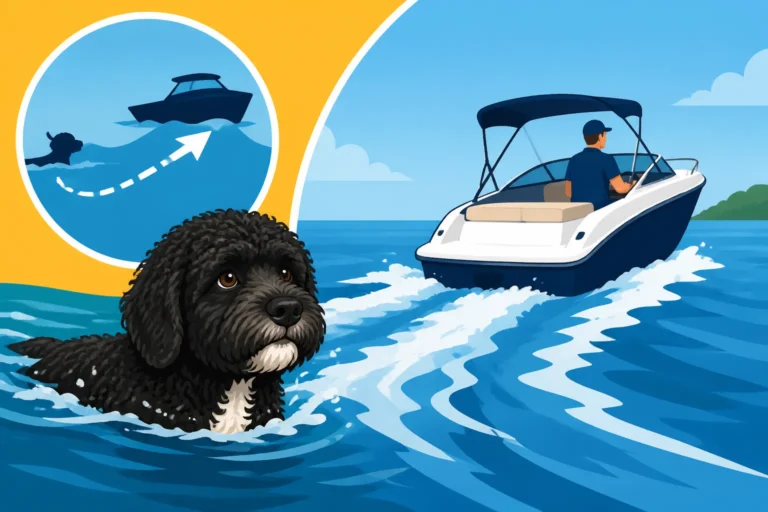
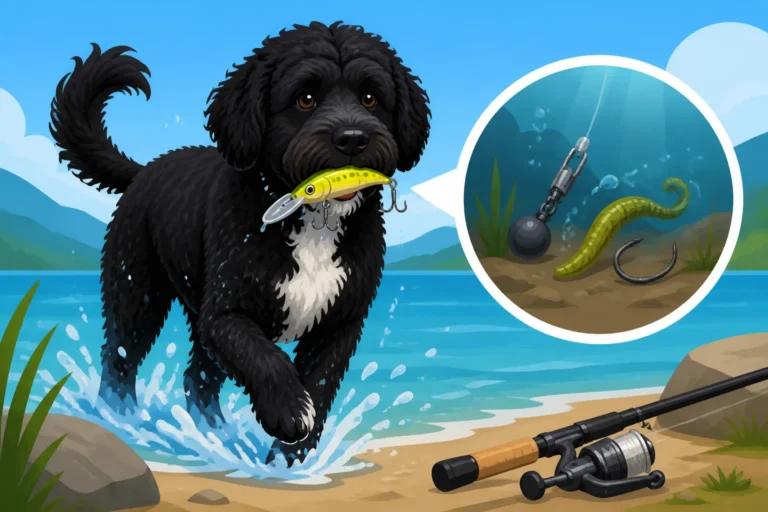
Imagine a dog working on a fishing boat off the coast of Portugal, day in and day out. That's the historical context of your furry friend. They weren't just passengers; they were active crew members. Their tasks were varied and essential, including retrieving lost gear from the water, herding fish into nets, carrying messages between boats, and even guarding the catch. This required a dog that was physically robust, mentally sharp, and incredibly biddable. They needed to be able to jump in and out of rough seas, swim for long distances, and problem-solve on the fly. When you consider this background, it becomes clear why A Portuguese Water Dog Was Bred to Work a Boat, Not a Yard. A simple stroll around the block, while pleasant, barely scratches the surface of this historical drive.
Built for Endurance, Not Just Sprints
The physical demands of their original job shaped the Portuguese Water Dog into a canine athlete. Their distinctive webbed feet are a testament to their aquatic prowess, and their powerful musculature allows them to swim and work tirelessly. It's not just about speed; it's about sustained effort and endurance. They weren't built for a quick sprint and then an afternoon nap. They were built to work for hours, often in challenging conditions. This means their bodies are naturally primed for prolonged activity, and their minds are wired to engage with tasks that require focus and stamina. Ignoring this inherent need for endurance-based exercise is like asking a marathon runner to be satisfied with a daily walk to the mailbox. They need to stretch those capabilities.
Why a Simple Walk Falls Short
So, you’re hitting the pavement, maybe even going for an hour or more, but your PWD still seems restless. It’s not your imagination. A walk, in and of itself, often misses key elements that contribute to a truly satisfied Portuguese Water Dog.
Mental Stimulation: The Brain Needs a Workout Too
One of the biggest misconceptions about dog exercise is that it's purely physical. For highly intelligent breeds like the Portuguese Water Dog, mental stimulation is just as, if not more, crucial than physical exertion. These dogs were bred to think, problem-solve, and take direction in complex situations. A repetitive walk, even in new surroundings, might offer some novelty, but it rarely challenges their keen minds in a way that truly tires them out.
Think about it from their perspective: sniffing around is great, but it’s not the same as figuring out how to retrieve a specific item from a moving boat or learning a new trick that requires multiple steps. Without this mental engagement, they can become bored, and a bored PWD is often a destructive PWD. They'll find their own "jobs," which might include redecorating your couch, counter-surfing for snacks, or creating intricate chew patterns on your furniture. This is often What an Under Exercised Portuguese Water Dog Does when their brain isn't adequately stimulated.
Physical Exertion: Beyond Pavement Pounding
While a walk provides physical exercise, it often doesn't tap into the full range of a PWD's athletic abilities. Walking on a leash, even at a brisk pace, is a controlled, linear movement. It doesn't engage the explosive power, agility, or sustained swimming muscles that are fundamental to the breed. These dogs thrive on varied terrain, off-leash exploration (where safe and appropriate), and activities that allow them to use their entire body in dynamic ways.
Consider the difference between walking on a flat sidewalk and navigating a rocky trail, swimming against a current, or leaping for a disc. The latter activities not only burn more calories but also build strength, coordination, and proprioception – the body's awareness of its position in space. A PWD has a very high work drive, and simply walking doesn't allow them to express this drive fully. They need activities that let them run, jump, and truly stretch their capabilities.
The Call of the Water
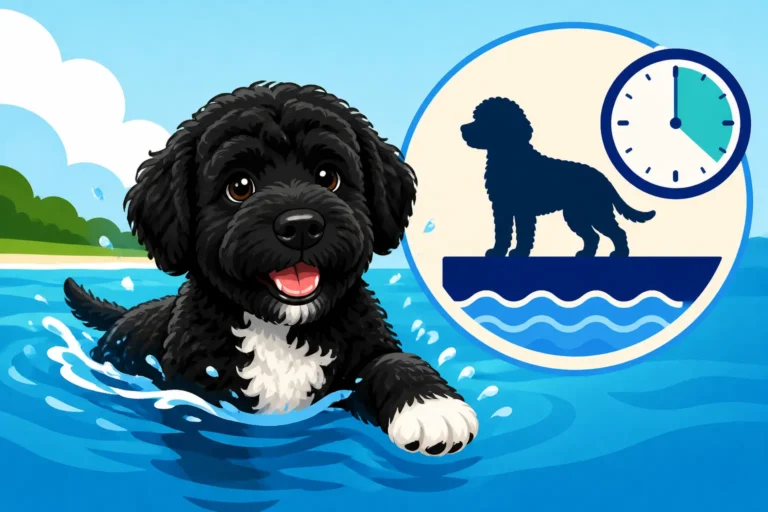
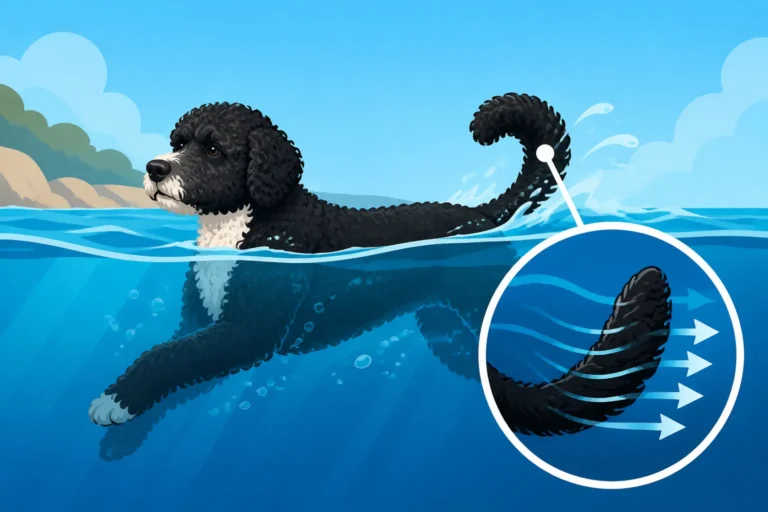
This is perhaps the most obvious, yet often overlooked, aspect of a Portuguese Water Dog's needs: water. These dogs were literally bred for the water. Their dense, single coat is designed to protect them in cold water, and their powerful, rudder-like tail helps them navigate. Their webbed feet? They're not just for show; they're built for propulsion and stability in aquatic environments. How Much a Portuguese Water Dog's Webbing Adds to Its Speed is significant when they are in their element.
A walk, by definition, is a land-based activity. While a PWD can certainly enjoy a hike, it doesn't fulfill that intrinsic desire to be in and around water. For many PWDs, swimming isn't just exercise; it's a fundamental part of their identity and a profound source of joy and satisfaction. Denying them access to water activities is like asking a retriever not to retrieve or a scent hound not to sniff. It leaves a deep part of their being unfulfilled. This is why many owners find that Whether a Portuguese Water Dog Would Rather Swim Than Run rings true.
Beyond the Leash: Activities to Truly Satisfy Your PWD
So, if a walk isn't enough, what is? The good news is there are countless ways to keep your Portuguese Water Dog happy, healthy, and perfectly behaved. It’s all about variety, engagement, and tapping into those natural instincts.
Embracing Water Work and Canine Sports
The absolute best way to truly satisfy a PWD is to let them do what they were born to do: work in and around water. Even if you don't live on the coast, there are many options.
- Swimming: This is non-negotiable for most PWDs. Find a safe lake, river, or even a dog-friendly pool. Teach them to Teaching a Portuguese Water Dog to Swim on Cue and make it a regular part of their routine. Swimming is low-impact, excellent for muscle development, and incredibly mentally stimulating. Just remember to rinse their coat thoroughly afterward, especially if swimming in chlorine or saltwater, and always dry their ears to prevent infections.
- Dock Diving: This exciting sport is perfect for PWDs! It combines their love of water with their retrieving drive and athletic jumps. Local clubs often host events or have facilities where you can practice. It's a fantastic way to bond and provide intense physical and mental exercise. Dock Diving and Water Trials With a Portuguese Water Dog are excellent competitive avenues to explore.
- Water Trials: These trials simulate the PWD's original working tasks, such as retrieving articles, delivering messages, and swimming with their handler. It's a truly authentic way to engage your dog's heritage.
- Other Canine Sports: Beyond water, PWDs excel in a variety of sports. Agility, obedience, rally, and even scent work are all great options that provide both physical and mental challenges. These activities require focus, problem-solving, and teamwork, all of which are deeply satisfying for a PWD.
Engaging the PWD Mind Indoors and Out
Even when you can't be out swimming or training, there are plenty of ways to keep your PWD's brain active.
- Puzzle Toys and Interactive Feeders: These are a lifesaver! Instead of simply putting food in a bowl, make your PWD work for it. There are many excellent puzzle feeders available on Amazon that require dogs to manipulate objects to get their kibble. This slows down eating and provides valuable mental stimulation.
- Training Sessions: PWDs love to learn. Short, positive training sessions throughout the day can be incredibly effective. Teach them new tricks, practice advanced obedience commands, or even work on simple tasks like "find the toy." Utilize resources like BAXTER & Bella's online programs for structured, positive reinforcement training that you can do from home. These structured learning opportunities are crucial for Why a Portuguese Water Dog Needs a Job.
- Scent Work: Hide treats or toys around the house or yard and encourage your PWD to find them. Their noses are powerful tools, and using them is incredibly tiring for dogs. Start easy and gradually increase the difficulty.
- Chew Toys: Quality chew toys are essential. PWDs are often quite mouthy, and providing appropriate outlets for chewing is vital. Look for durable options that can stand up to their strong jaws. This can help with Why a Portuguese Water Dog Puts Everything in Its Mouth.
Structuring a Fulfilling Day for Your PWD
The key is to integrate a variety of activities into their daily routine. It's not about one massive workout, but a blend of physical and mental challenges spread throughout the day.
| Activity Type | Examples for PWD Satisfaction | Time Commitment (Daily) | Benefits |
|---|---|---|---|
| Intense Physical | Swimming (30-60 min), Dock Diving practice, Long off-leash run | 60-90 minutes | Core strength, endurance, cardiovascular health, joy |
| Mental Challenge | Puzzle feeders, Training sessions, Scent games | 30-45 minutes | Cognitive function, problem-solving, prevents boredom |
| Moderate Physical | Brisk walk/jog, Fetch in the yard | 30-60 minutes | General fitness, energy release, socialisation (if with dogs) |
| Quiet Engagement | Chew toys, Grooming (calming experience), Cuddle time | 30 minutes + | Stress reduction, bonding, self-soothing |
A typical day for a truly satisfied PWD might look something like this: a brisk morning walk combined with some mental games, followed by a mid-day swim or a session of dock diving, then an evening of training and puzzle toys. This varied approach ensures all their needs are met. This comprehensive approach is part of What a Portuguese Water Dog Needs Every Day and contributes significantly to The Twelve to Fifteen Years a Portuguese Water Dog Gets.
Recognizing the Signs of an Under-Stimulated PWD
It’s easy to overlook the subtle signs that your Portuguese Water Dog isn’t getting enough. After all, they’re often described as high-energy, so some level of "zoomies" or restlessness might seem normal. However, there’s a difference between a happy, playful dog and one who is genuinely frustrated and under-stimulated. Recognizing these signs early can help you adjust their routine before minor issues become major behavioral problems. This is closely related to The Portuguese Water Dog That Has Not Had Enough Exercise.
Destructive Behaviors and Nuisance Habits
When a Portuguese Water Dog's physical and mental needs aren't met, they often resort to behaviors that we, as owners, find frustrating. These aren't acts of spite; they are often an outlet for pent-up energy, boredom, or anxiety.
- Chewing and Destructiveness: Is your furniture suddenly looking like a beaver's project? Are shoes mysteriously migrating to your dog's bed, only to be found in tatters? This is a classic sign of an under-stimulated PWD. They need an appropriate outlet for their strong jaws and desire to "work" with their mouths. If they're not given puzzle toys or durable chews, they'll find their own. This ties back to Why a Portuguese Water Dog Puts Everything in Its Mouth.
- Excessive Barking or Whining: If your PWD is barking excessively at every leaf that blows by, or whining persistently even after a walk, it might be a cry for more engagement. They might be trying to "herd" you into action or simply expressing their frustration and boredom vocally.
- Pacing and Restlessness: Do you find your dog constantly pacing around the house, unable to settle down? Even after what you consider adequate exercise, if they're still seeking attention by nudging you with their nose, bringing you toys non-stop, or just generally being "antsy," it’s a strong indicator they need more.
- Counter Surfing or Stealing Items: These intelligent dogs are excellent problem-solvers. If they're bored, they'll invent games for themselves, and "what can I get off the counter today?" or "can I get that interesting object from the coffee table?" become fun challenges. They're seeking engagement and often a reaction from you, even if it's a negative one.
Behavioral Frustrations and What They Mean
Beyond destructive habits, under-stimulation can manifest in more subtle, yet equally concerning, behavioral issues. These are often signs that your PWD is struggling to cope with an unfulfilled drive.
- Hyperactivity and Difficulty Settling: It's one thing for a PWD to be energetic, but another for them to be unable to relax even after an activity. If your dog is constantly "on," struggling to nap, or unable to be calm in the house, it suggests they haven't had their deep needs met. They might zoom around the house, bounce off the walls, or seem to have an inexhaustible supply of energy that a walk simply didn't tap into. This is often the difference between a naturally active dog and one who is wired from lack of appropriate release.
- Anxiety or Stress-Related Behaviors: While not always immediately obvious, chronic under-stimulation can lead to anxiety. This might show up as excessive licking, tail chasing, or even mild separation anxiety if they feel they aren't getting enough attention and mental engagement from you when you are home. A dog that is constantly craving attention or exhibiting stress signals is likely not a truly satisfied dog.
- Nipping or Herding Behaviors (Especially with children/other pets): Remember that herding instinct? If a PWD isn't given an appropriate outlet for it, they might try to "herd" family members, especially children, or even other pets. This can involve nipping at heels or trying to control movement. This is them attempting to fulfill their intrinsic job, just in an inappropriate context.
- Reluctance to Engage in Training: A PWD that is under-stimulated mentally might actually resist training, not because they're stubborn, but because their brain is overwhelmed or simply not in a receptive state. They might be too restless to focus, or they might prefer to find their own, more exciting (to them) activities.
Understanding these behaviors as signals, rather than just "bad dog" moments, is key to providing a truly fulfilling life for your Portuguese Water Dog. It means looking beyond the leash and embracing the full spectrum of activities that honor their incredible heritage and capabilities. Ultimately, a walk is a good start, but it's rarely the end of what a Portuguese Water Dog truly needs to be satisfied. A multifaceted approach, rich in physical challenges and mental puzzles, is what truly allows these magnificent dogs to thrive and be the well-adjusted, joyful companions they are meant to be. This holistic approach is crucial for understanding What a Portuguese Water Dog Does All Day and ensuring their overall happiness.
Disclaimer
This article is for general informational purposes only and does not constitute professional advice. Laws, prices and regulations vary by location and change over time. Consult a qualified professional for guidance on your specific situation.