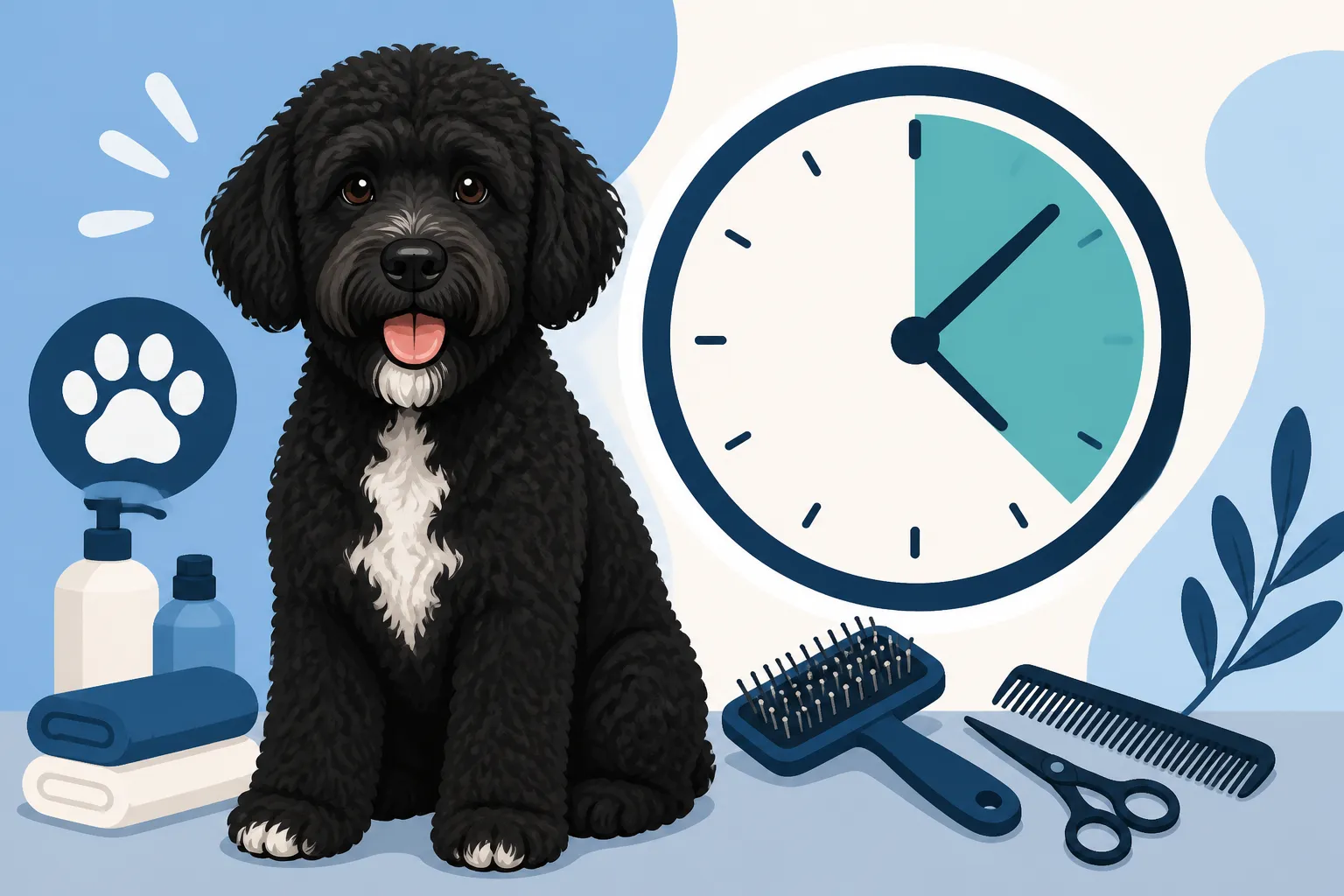
How Long Home Grooming a Portuguese Water Dog Takes Weekly
One of the biggest questions I hear from potential Portuguese Water Dog owners, and even those who've just brought their first PWD puppy home, is about the sheer amount of grooming required. You've heard they don't shed, which is a huge bonus, but that dense, glorious coat comes with its own set of demands. It's easy to feel overwhelmed wondering how much of your precious free time will be swallowed up by brushing, bathing, and trimming. This guide is here to give you a realistic breakdown of how much weekly home grooming a Portuguese Water Dog truly takes, so you can plan your time and keep your companion comfortable and mat-free.
Understanding the Portuguese Water Dog Coat's Unique Demands
Before we even talk about clippers and brushes, it's crucial to understand the very thing you'll be grooming: that iconic Portuguese Water Dog coat. It's truly a marvel of nature, perfectly adapted for their aquatic heritage, but it requires a specific kind of attention. Ignoring its unique characteristics is where the real time-sinks and frustrations begin.
Curly vs. Wavy: The Foundation of Your Grooming Time
Portuguese Water Dogs come in two distinct coat types: curly and wavy. While they look different, both are single coats, meaning they lack an undercoat, which is why they're often touted as "hypoallergenic" and don't shed much loose hair around your home. However, this non-shedding trait is a double-edged sword when it comes to grooming time. The hair just keeps growing and growing, and instead of falling out, it intertwines with itself, forming mats.
The curly coat is generally tighter, more compact, and has a slightly coarser texture. It tends to hold onto debris more readily and can form tight, dense mats if neglected. Think of it like a tightly coiled spring that, once tangled, can be a real bear to untangle. The wavy coat, on the other hand, is softer, with more open waves and a shaggier appearance. While it might seem less prone to matting at first glance, its softer texture can actually lead to very fine, felt-like mats that are just as difficult to remove, sometimes even harder because they pack down so tightly. Neither is inherently "easier" to groom; they simply present different challenges that you'll quickly learn to navigate. Your approach to brushing, and how often you need to do it, will be influenced by which coat type your PWD sports.
The Matting Reality: Where Time Goes Quickly
Mats are the bane of every Portuguese Water Dog owner's existence, and they are where the majority of your grooming time will be spent if you're not diligent. Because the coat doesn't shed, dead hair gets trapped within the living hair, forming tangles that quickly escalate into dense, painful mats if not brushed out regularly. These mats can appear anywhere on the dog's body, but there are notorious hotspots that seem to collect them faster than anywhere else. Areas behind the ears, in the armpits, on the insides of the legs, under the collar or harness, and around the tail base are prime candidates. These are high-friction zones where the hair constantly rubs, causing tangles to form rapidly.
A PWD that loves to swim – and most do! – will also be more prone to matting. When the coat gets wet, the hair strands clump together, and as it dries, they can fuse into mats, especially if the dog isn't thoroughly dried and brushed afterward. This is why a quick rinse after a swim, followed by a thorough towel dry and a brush-out, is non-negotiable. If you've ever had to deal with a deeply matted dog, you know the frustration and the time it consumes, not to mention the discomfort it causes your beloved companion. Prevention truly is the only cure, and it often means dedicating specific attention to these areas. You can read more about Whether a Portuguese Water Dog Mats After Swimming and Where a Portuguese Water Dog Mats Behind the Ears to understand these issues better.
Breaking Down the Weekly Grooming Routine
So, with those unique coat characteristics in mind, what does a typical week of home grooming for a Portuguese Water Dog actually look like? It's not just one big session; it's a series of consistent tasks that, when done regularly, keep the bigger picture manageable. Think of it as preventative maintenance for their comfort and your sanity.
The Non-Negotiable Daily & Quick Checks
You might balk at "daily" grooming, but for a Portuguese Water Dog, a few minutes each day can save you hours of heartache later. These aren't full-on brush-outs, but rather quick, targeted checks and mini-sessions that address nascent tangles before they become full-blown mats. Spend five to ten minutes each day running a comb through the "trouble spots" we just discussed: behind the ears, under the armpits, and under the collar. These are the areas where mats start small and grow fast, often out of sight. Catching them early means a quick flick of the comb rather than a battle with a slicker brush and dematting spray.
Beyond brushing, daily checks should include a quick look at their eyes for any discharge and a sniff of their ears. PWDs, with their drop ears and love for water, are particularly prone to ear infections. A quick daily check allows you to spot issues early, before they become painful and require a vet visit. This minimal daily investment helps ensure your dog's comfort and significantly reduces the time and effort required for the more intensive weekly sessions. Consistency truly is your best friend when it comes to managing that glorious PWD coat. You can get more details on How Often a Portuguese Water Dog Needs Brushing to fine-tune your routine.
The Dedicated Weekly Brush-Out Session
This is where the bulk of your active grooming time will be concentrated. Depending on your dog's coat type (curly or wavy), length, and activity level, you should plan for at least one, if not two, thorough brush-out sessions each week. For many owners, this means setting aside anywhere from 30 minutes to a full hour. This isn't a quick once-over; this is a "line brushing" session, where you systematically brush through the entire coat, layer by layer, down to the skin. You'll need a good quality slicker brush and a sturdy metal comb. Retailers like Chewy offer a wide selection of brushes and combs specifically designed for dense, curly coats, making it easy to find the right tools for the job.
The technique involves parting the hair with your hand, exposing a small section, and brushing up and out from the skin, then combing through to ensure no tangles remain. You work your way across the dog, section by section, starting from the feet and working your way up to the back. It’s methodical, it takes patience, and it absolutely must be done. If you can't get a comb cleanly through the hair all the way to the skin, there's a mat lurking. This regular, deep brushing stimulates the skin, distributes natural oils, and most importantly, prevents those tight, painful mats that can lead to skin irritation, infections, and necessitate a full shave-down. Remember, a healthy diet, perhaps one tailored to their needs like those offered by Ollie, can also contribute to a healthier coat, making it less prone to dryness and breakage, which in turn can make brushing a bit smoother.
Nail Trims and Ear Care: Essential Time Sinks
Beyond the coat itself, two other areas demand consistent weekly or bi-weekly attention: nails and ears. Ignoring these can lead to discomfort, pain, and more serious health issues for your PWD. Nail trimming is crucial for any dog, but PWDs, especially active ones, can still grow long nails if not regularly maintained. Overgrown nails can affect their gait, cause pain, and even lead to splayed feet over time. Plan to spend about 5-10 minutes trimming or grinding your dog's nails every week or two. If your dog isn't used to it, this can be a slow process, gradually acclimating them to the tools and sensation. You might find more detail on this in How Often a Portuguese Water Dog's Nails Need Trimming.
As mentioned, ear care is paramount for a water dog. Their floppy ears create a warm, moist environment ideal for yeast and bacteria growth, especially if they’re frequently swimming. After every swim, and at least once a week, you'll need to clean your PWD's ears. This involves using a veterinarian-approved ear cleaning solution and cotton balls to wipe out any debris and moisture. Some owners also choose to pluck or trim the hair inside the ear canal, as directed by their vet or groomer, to improve air circulation. This task usually takes another 5-10 minutes, but it's vital for preventing painful and costly ear infections. Understanding Why a Portuguese Water Dog's Ears Need Checking Every Week truly highlights the importance of this step.
Beyond the Basics: Seasonal and Situational Grooming
While weekly brushing, nail trims, and ear care form the bedrock of your Portuguese Water Dog's grooming routine, there are other tasks that, while less frequent, demand significant time when they do occur. These include bathing and drying, as well as periodic trimming and clipping, which can dramatically impact your overall grooming burden.
Bathing and Drying: The Major Time Commitment
Bathing a Portuguese Water Dog isn't a quick splash in the tub. Their dense, water-repellent coat takes time to saturate, shampoo, and thoroughly rinse. Depending on their activity level and how often they swim in lakes or the ocean, a bath might be needed every 2-4 weeks. The actual washing process, including a good lather and thorough rinsing (which is critical to prevent skin irritation), can take 15-30 minutes. But the real time commitment comes with drying.
Because their coat is designed to hold water and protect them, air-drying a PWD is simply not an option if you want to prevent matting and potential skin issues like hot spots. You must thoroughly dry their coat, right down to the skin. This usually requires a high-velocity force dryer, followed by a brush-out as the coat dries. The entire process, from wet dog to fully dry and tangle-free, can easily take 1 to 2 hours, sometimes more for a very dense or long coat. If you skip this step, or don't dry them completely, you're not just risking mats; you're inviting skin problems. This is why understanding How Long a Portuguese Water Dog Takes to Dry and Whether a Portuguese Water Dog Must Be Force Dried is so important for owners.
Trimming and Clipping: When to Budget More Time
For most Portuguese Water Dog owners who opt for a practical "Retriever Clip" (a shorter, all-over clip) rather than a show "Lion Clip," professional grooming typically occurs every 6-8 weeks. However, even with regular professional grooming, you'll likely find yourself needing to do some touch-up trimming at home. Hair grows, and certain areas can become unruly or prone to matting between professional appointments. This might involve trimming hair around the eyes to prevent it from obstructing vision, tidying up the sanitary area, or clipping the hair between their paw pads. This helps prevent debris accumulation and improves traction.
These intermediate trims, if you choose to do them yourself, could add another 15-30 minutes to your weekly or bi-weekly routine. If you're comfortable with clippers and want to save on professional grooming costs, you might even take on the full clipping at home. If you're wondering Whether Grooming a Portuguese Water Dog at Home Saves Money, the answer is yes, but it significantly increases your weekly time investment in actual cutting and shaping, not just maintenance. Keeping the coat in a shorter, more manageable length like the Retriever Clip will generally reduce the daily and weekly brushing time compared to a longer coat, as there's simply less hair to tangle.
Realistic Time Estimates and Maximizing Efficiency
Now that we've broken down the various aspects of Portuguese Water Dog grooming, let's put some realistic numbers to it. It's not about scaring you, but about preparing you for the commitment that comes with owning one of these amazing dogs. Being informed helps you set proper expectations and avoid those frustrating moments where grooming feels like an insurmountable chore.
Weekly Time Commitment Breakdown
The total weekly time for home grooming a Portuguese Water Dog can vary significantly based on several factors: the individual dog's coat type and density, how long you keep their coat (shorter clips require less brushing time), their activity level (more swimming equals more drying and potential matting), and your personal efficiency. However, a rough breakdown can help you plan:
| Task | Minimum Weekly Time (Approx.) | Maximum Weekly Time (Approx.) | Notes |
|---|---|---|---|
| Daily Quick Checks (ears, friction zones) | 35 minutes (5 min/day) | 70 minutes (10 min/day) | Essential for mat prevention and early detection of ear issues. |
| Thorough Weekly Brush-Out | 30 minutes | 60 minutes | Required at least once, potentially twice, for dense/longer coats. |
| Nail Trimming / Grinding | 5 minutes | 15 minutes | May be weekly or bi-weekly depending on growth and wear. |
| Ear Cleaning | 5 minutes | 10 minutes | Essential for water dogs, especially after swims. |
| Subtotal (Routine Maintenance) | 75 minutes (1h 15m) | 155 minutes (2h 35m) | This is your baseline weekly commitment. |
| Bathing & Drying | 0 minutes* | 60 minutes | *Assumes bi-weekly bathing, so average half the time. If weekly, add 1-2 hours. |
| Trimming/Touch-ups | 0 minutes* | 15 minutes | *Assumes professional grooming covers most, but occasional tidying up. If full home clipping, add 1-2 hours. |
| TOTAL WEEKLY GROOMING TIME | 75 minutes (1h 15m) | 230 minutes (3h 50m) | This is a realistic range for most pet owners doing some home grooming. |
As you can see, even without full home clipping or frequent bathing, you're looking at a minimum of an hour and a quarter of dedicated time each week. If you're bathing every week or doing your own full clips, that number easily jumps to 3-4 hours.
Tips for Cutting Down Grooming Time
While Portuguese Water Dog grooming will always be a time commitment, there are strategies to make it more efficient and less burdensome:
- Consistency is Key: The absolute best way to minimize grooming time is to be consistent with those daily quick checks and weekly brush-outs. It's much faster to remove small tangles than to battle large, dense mats.
- Invest in Quality Tools: A good slicker brush that reaches the skin, a sturdy metal comb, quality clippers if you're trimming, and especially a force dryer, are worth their weight in gold. Don't skimp on your tools; they make the job easier and more effective. You can find excellent grooming equipment at reputable online stores like Chewy, ensuring you have everything you need.
- Keep the Coat Shorter: The longer the coat, the more hair there is to tangle, and the more time you'll spend brushing. A shorter "Retriever Clip" will drastically reduce daily brushing time compared to a longer, shaggier look.
- Make it a Positive Experience: Start grooming your PWD puppy early and make it a pleasant experience with treats and praise. A dog that tolerates, or even enjoys, grooming will make the process faster and less stressful for both of you.
- Professional Help: Don't be afraid to lean on a professional groomer. Even if you do most of the maintenance at home, a professional bath, dry, and full clip every 6-8 weeks can reset the coat and take a huge burden off your shoulders. They have specialized equipment and expertise that can keep the coat in top condition.
- Healthy Coat, Easier Groom: Ensure your PWD is on a high-quality diet, which contributes to skin and coat health. A well-nourished coat is generally easier to brush and less prone to breakage. Brands like Ollie, known for fresh, high-quality dog food, can support overall well-being, including coat condition. And while proper grooming prevents many issues, sometimes skin conditions can arise, and having pet insurance from providers like Healthy Paws can offer peace of mind for unexpected veterinary costs.
Home grooming a Portuguese Water Dog is a commitment, but it's also an incredible bonding opportunity and essential for their health and comfort. With realistic expectations and a consistent routine, you'll be able to manage that magnificent coat like a pro.
Disclaimer
This article is for general informational purposes only and does not constitute professional advice. Laws, prices and regulations vary by location and change over time. Consult a qualified professional for guidance on your specific situation.