Whether a Portuguese Water Dog Mats After Swimming
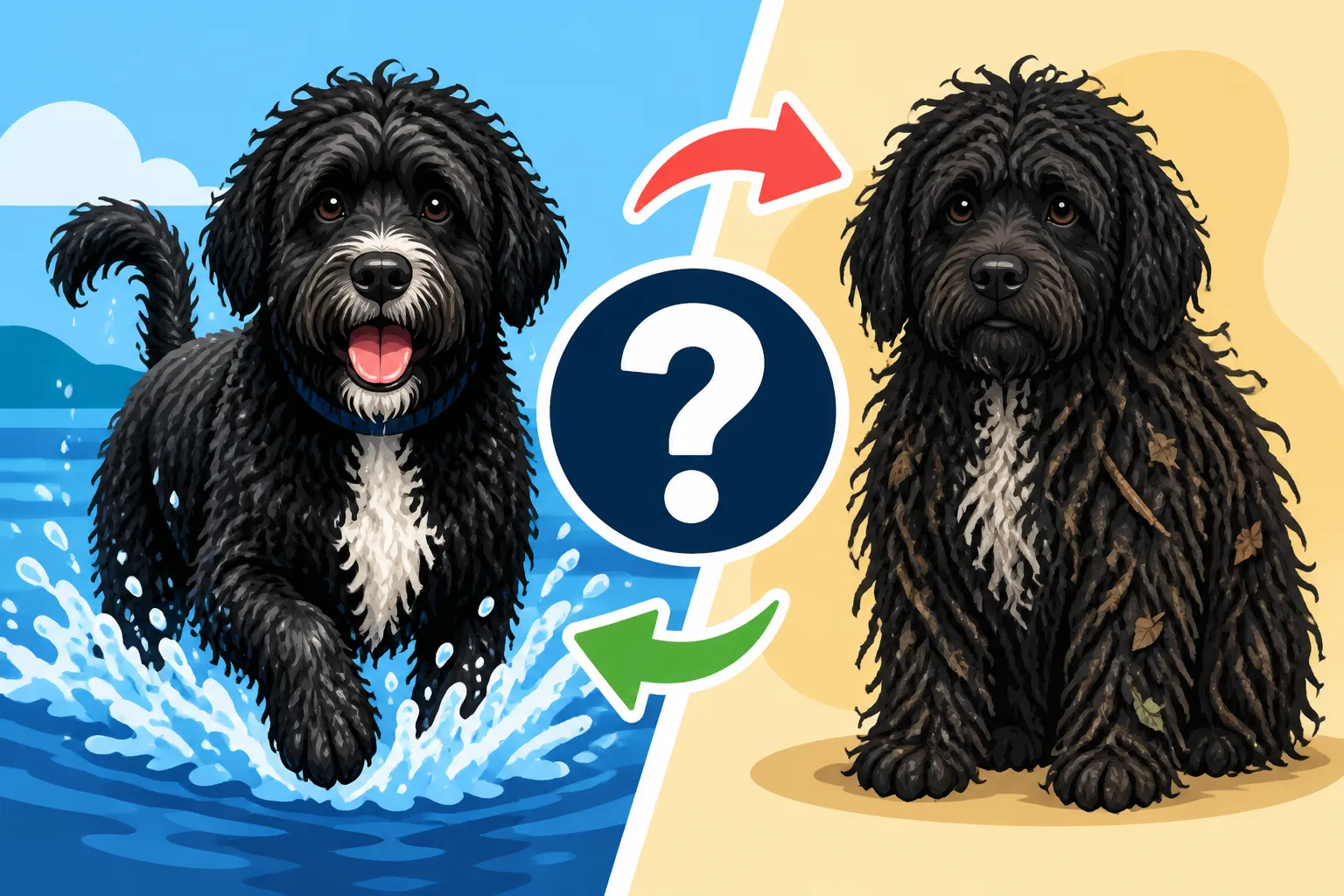
It’s a joy to watch your Portuguese Water Dog plunge into the water, tail wagging, retrieving that favorite bumper, or simply enjoying a good swim. The sheer delight they get from their aquatic heritage is contagious! But then, as they emerge, shaking off the excess water, a familiar dread might creep in: the mats. You know the feeling – that beautiful, dense coat, so perfect for water work, seems to conspire against you the moment it gets wet, tangling itself into stubborn knots that feel impossible to tackle. This guide is all about understanding why your PWD's coat mats after swimming and, more importantly, how to prevent it, so you can both enjoy the water without the post-swim grooming headache.
Understanding the Portuguese Water Dog's Unique Coat
The Portuguese Water Dog's coat is truly a marvel, perfectly adapted for its original job herding fish and retrieving gear from the chilly waters off the coast of Portugal. But what makes it so efficient in the water also makes it incredibly prone to matting if not managed correctly, especially after a swim.
The Double-Edged Sword of a Single Coat
Unlike many breeds that have a soft undercoat and a coarser topcoat, the Portuguese Water Dog boasts a single coat. This coat is dense, rich, and comes in two main textures: curly or wavy. It's often touted as "hypoallergenic" because it sheds minimally, but this very quality is what creates its matting potential. The hair, rather than falling out, holds onto itself, and when external factors like water, friction, or debris are introduced, it grabs on even tighter. Curly or Wavy: the Two Portuguese Water Dog Coats are both beautiful, but they each present their own grooming challenges.
Think about it: the individual strands of hair don't release easily. When they get wet, they clump together. As the water evaporates or is toweled away, these clumps can shrink and tighten, forming the beginning of a mat. It’s like trying to comb through wet spaghetti that's been left to dry in a tangled mess – only this spaghetti is your beloved dog's fur, and it's much more painful to untangle. If you've ever wondered What a Portuguese Water Dog's Coat Is Made Of, it's these robust, non-shedding strands that are both a blessing and a curse.
How Water Itself Contributes to Matting
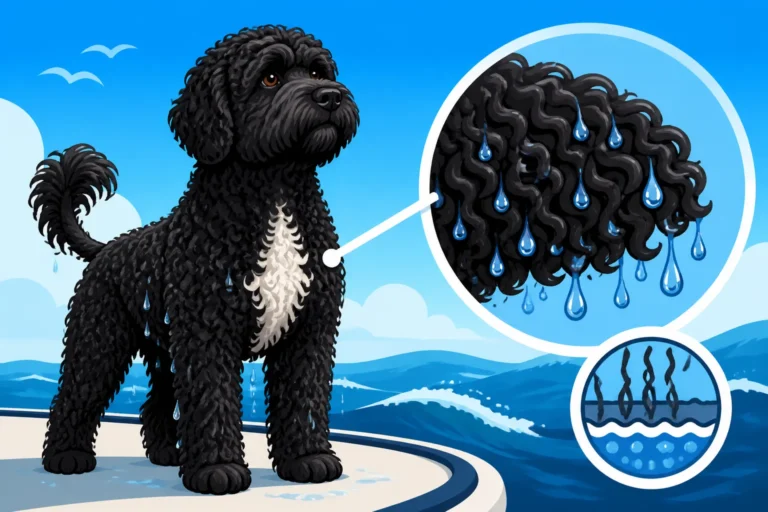
Water, whether from a lake, ocean, or even a bathtub, changes the structure of your PWD's coat. It causes the individual hairs to swell and then, as they dry, to contract. This contraction, especially if the hair isn't brushed out while wet or damp, pulls the hairs closer together, intensifying any existing tangles and creating new ones.
Imagine a cotton rope. When it's dry, the fibers are somewhat loose. Soak it in water, and the fibers swell and compress. As it dries, it might shrink a bit, and those compressed fibers can become very stiff and intertwined. The same principle applies to your PWD's coat, albeit on a finer, more complex scale. The water acts as a catalyst, transforming minor tangles into full-blown mats almost instantaneously. This is particularly true if your dog has a denser, Which Portuguese Water Dog Coat Mats More – often the curly variety, though wavy coats are by no means immune.
The Post-Swim Matting Mechanism
It’s not just the water itself that causes mats; it’s the combination of the water, movement, and the drying process. Understanding this "matting mechanism" helps you tackle the problem more effectively.
Friction and Movement in Water
While your Portuguese Water Dog is joyfully swimming, diving, and shaking, their coat is undergoing a lot of friction. The movement of water against the hair, combined with the dog’s own motion, causes the wet strands to rub against each other. This friction encourages the hairs to interlock, laying the groundwork for mats. If your PWD is playing rough with another dog in the water, or repeatedly retrieving a toy, that increased physical activity only exacerbates the tangling.
It's similar to how a person's long hair might get tangled after swimming vigorously without it being tied back. Every twist and turn, every paddle, every shake amplifies the opportunity for individual hairs to bind together. The dense nature of the PWD's coat means there are simply more hairs in close proximity, increasing the chances of this friction-induced matting.
Improper Drying and the Shrink Factor
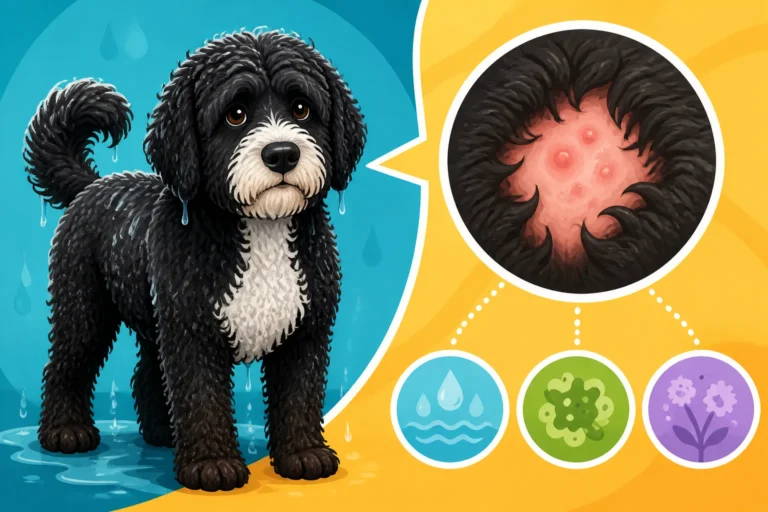
The absolute biggest culprit for post-swim mats is improper drying. Allowing your PWD to air dry, or only towel drying superficially, is an open invitation for mats to form and tighten. As the wet coat air dries, it shrinks. Any tangles that were loosely present become compressed, tightening into solid, painful mats. These mats often form close to the skin, pulling on it and causing discomfort, or even skin irritation if left untreated.
Think about how a wool sweater shrinks in the dryer if it's not handled correctly. The fibers contract and become denser. Your PWD's coat, when allowed to dry without thorough brushing and forced air, behaves similarly. The water literally glues the hairs together as it evaporates, and any existing knots become incredibly difficult to remove once they are dry and tight. This is especially problematic in areas where hair tends to rub, like behind the ears, under the collar, or in the armpits – common places Where a Portuguese Water Dog Mats First.
Preventing Mats: Before and After the Splash
Preventing mats is far easier than trying to remove them once they've set in. A consistent routine, both before and after water exposure, is your best defense.
Pre-Swim Preparations: A Few Minutes Save Hours
Before your Portuguese Water Dog even gets a paw wet, a few minutes of preparation can make all the difference. This might sound counterintuitive – why brush a dog that's about to get soaked? But it's crucial.
First, give your PWD a thorough brushing session. Use a good quality slicker brush and a steel comb to work through the entire coat, making sure there are no existing tangles or mats. Pay extra attention to those common matting areas like behind the ears, the armpits, the groin, and around the collar or harness. If you send your dog into the water with even small tangles, they will turn into big, stubborn mats. How Often a Portuguese Water Dog Needs Brushing is a question many new owners ask, and the answer is: more often than you think, especially if they’re frequent swimmers. A fully brushed-out coat offers fewer anchor points for new tangles to form.
Second, consider your dog's clip. A shorter, well-maintained retriever clip or even a sportier, shorter cut can significantly reduce the risk of matting. Long, flowing coats might look majestic, but they are a nightmare for matting when wet. Discuss with your groomer what length would be practical for your dog's lifestyle.
The Immediate Aftermath: The Golden Hour of Grooming
The moment your Portuguese Water Dog comes out of the water, your mat-prevention protocol needs to kick in. This is the "golden hour" where your efforts will either make or break the matting situation.
1. Rinse Thoroughly: If your dog has been swimming in saltwater or a chlorinated pool, a thorough rinse with fresh water is non-negotiable. Salt and chlorine residues can dry out the coat, making it more brittle and prone to breakage and matting. Get right down to the skin to wash away any lingering chemicals or sand. When a Portuguese Water Dog Should Be Rinsed After the Sea or after a pool swim isn't just about cleanliness; it's a critical mat-prevention step.
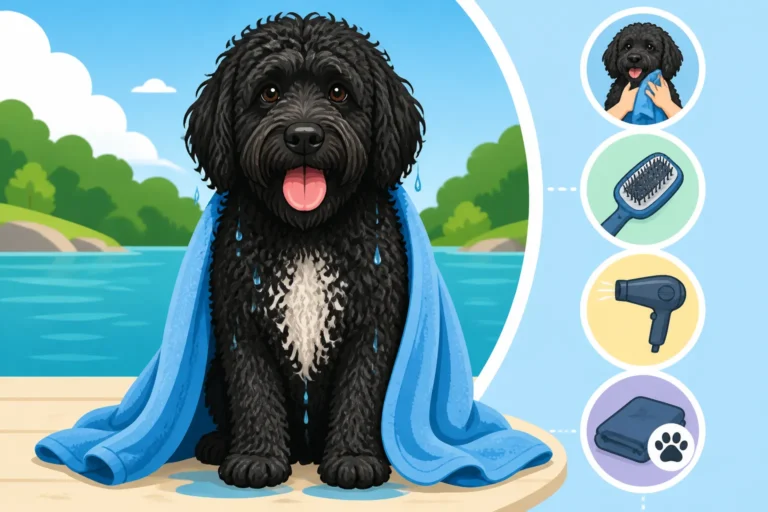
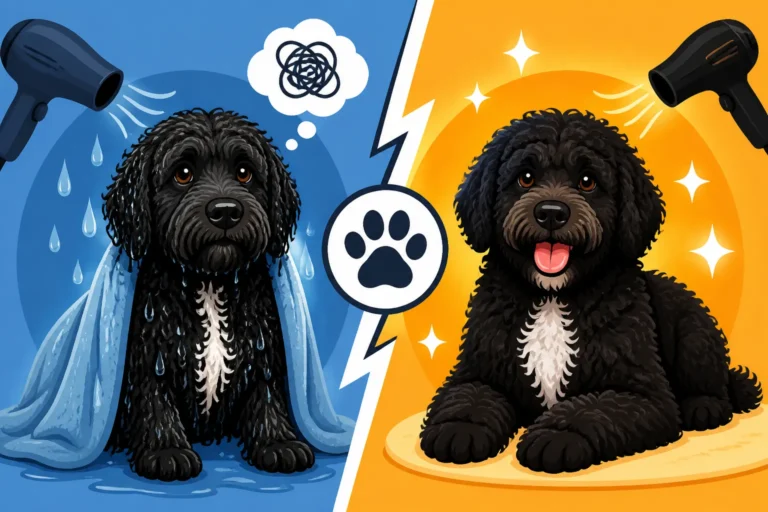
2. Towel Dry, Then Force Dry: Initial towel drying helps remove the bulk of the water. Gently blot and squeeze the coat; avoid vigorous rubbing, which can create tangles. Once the excess water is out, immediately move to a force dryer. This is, hands down, the most effective tool for preventing mats after swimming. A force dryer blows air at high velocity, separating the hairs and pushing water out, rather than just evaporating it. As you use the force dryer, continuously brush the coat with a slicker brush, section by section, from the skin out. This simultaneously dries and straightens the hair, preventing tangles from forming. This thorough process is paramount to Drying a Portuguese Water Dog After Every Swim. Allowing the coat to air dry even partially is a recipe for disaster.
3. The Final Comb-Out: Once your PWD is completely dry – and I mean bone dry – go over their entire coat with a steel comb. The comb should be able to glide smoothly through the hair from root to tip. If you hit any snags, go back with your slicker brush and then the comb until it's smooth. This ensures no hidden tangles remain to turn into full-blown mats later.
Essential Tools for a Mat-Free PWD
Having the right equipment makes this post-swim routine much less daunting. Investing in quality tools is an investment in your dog's comfort and your peace of mind.
The Grooming Arsenal
- Slicker Brush: This is your workhorse. A good quality slicker brush, perhaps one with slightly longer pins for their dense coat, is essential for daily brushing and for use during force drying. Brands like Chris Christensen offer excellent options that are often praised by professional groomers.
- Steel Comb: A sturdy, wide-toothed steel comb is critical for line brushing and checking your work. It helps ensure you're getting all the way down to the skin. Look for a comb with both wide and fine teeth for versatility.
- Force Dryer: I cannot stress this enough – a force dryer is a game-changer. It dramatically speeds up drying time and, more importantly, prevents mats by blasting water out and straightening the hair. Don't confuse it with a human hairdryer, which can be too hot and doesn't have the necessary power. Many options are available on Amazon or Chewy, and while they might seem like an upfront cost, they will save you countless hours of detangling and potential emergency groomer visits. What a Force Dryer Does for a Portuguese Water Dog is truly magical for their coats.
- Dematting Spray/Conditioner: A leave-in detangling spray or a conditioning spray can be invaluable for damp coats, helping the brush glide through more easily and reducing friction. This is especially helpful if you find small snags even after rinsing.
- High-Quality Shampoo and Conditioner: Regular bathing with a good moisturizing shampoo and conditioner will keep the coat healthy and easier to manage. Dry, brittle hair is more prone to matting. You can find excellent selections for PWDs on Chewy, ensuring their coat remains in prime condition.
Example Grooming Product Checklist for PWDs
| Item | Purpose | Usage Frequency | Key Feature |
|---|---|---|---|
| Slicker Brush | Daily brushing, mat prevention, use during drying | Daily/Every other day | Longer, stiff pins for dense coat |
| Steel Comb | Checking for tangles, line brushing, detangling | Daily/After brushing | Dual-tooth spacing (wide/fine) |
| Force Dryer | Rapid drying, blasting out water, mat prevention after bathing/swimming | After every water exposure | High velocity, powerful motor, no heat element |
| Detangling Spray | Easing brushing, adding moisture, preventing static | As needed (damp coat) | Non-greasy, moisturizing, anti-static |
| Canine Shampoo | Cleaning coat, maintaining skin health | Every 2-4 weeks | pH-balanced, moisturizing, breed-appropriate |
| Canine Conditioner | Softening coat, reducing tangles, adding shine | After every shampoo | Deep conditioning, detangling properties |
| Ear Cleaner | Preventing ear infections, especially for swimmers | Weekly/After swimming | Gentle, drying agent for ear canals |
What to Do If Mats Still Form
Despite your best efforts, sometimes a mat or two might still sneak in. Don't panic, but act quickly. The longer a mat is left, the tighter and more painful it becomes.
Gentle Detangling and When to Cut
For small, loose mats, you can try to gently work them out using a detangling spray, your slicker brush, and a comb. Spray the mat liberally with detangling spray, then use the very tips of your slicker brush to "tease" the edges of the mat apart. Work from the outside of the mat inwards, never pulling directly on the mat itself. Once you've loosened it, use your steel comb to carefully work through the hair. Always hold the hair closest to the skin to minimize pulling.
However, if a mat is tight, large, or close to the skin, attempting to brush it out can be incredibly painful for your dog and cause skin irritation. In these cases, it's often kinder and safer to carefully cut the mat out. Use blunt-nosed scissors, always pointing the tips away from the skin. Slide the scissor blade under the mat, parallel to the skin, and cut. Never try to cut through a mat with the scissors pointing into the mat from above, as it's far too easy to accidentally cut the skin, which can fold into a tight mat. If you’re unsure, or if the mat is extensive, it’s always best to call a professional groomer.
Professional Grooming Intervention
A professional groomer is a Portuguese Water Dog owner's best friend. They have specialized tools, techniques, and the experience to handle even the most severe matting. If your dog comes home from a swim session looking like a giant felted sheep, don't hesitate to book an appointment. A groomer can often "demat" a coat that you might think needs to be shaved, or they can safely shave down a severely matted dog without causing injury. Regular professional grooming, perhaps every 4-6 weeks, can help maintain a manageable coat and catch small mats before they become big problems. They can also offer advice on the best clips and routines for your specific dog and their coat type. It's an investment that saves you time, stress, and your dog unnecessary discomfort.
Remember, the goal is always to keep your Portuguese Water Dog happy and healthy, so they can continue to enjoy their passion for water without the painful consequence of matting. With the right routine and tools, those post-swim blues can be a thing of the past!
Disclaimer
This article is for general informational purposes only and does not constitute professional advice. Laws, prices and regulations vary by location and change over time. Consult a qualified professional for guidance on your specific situation.