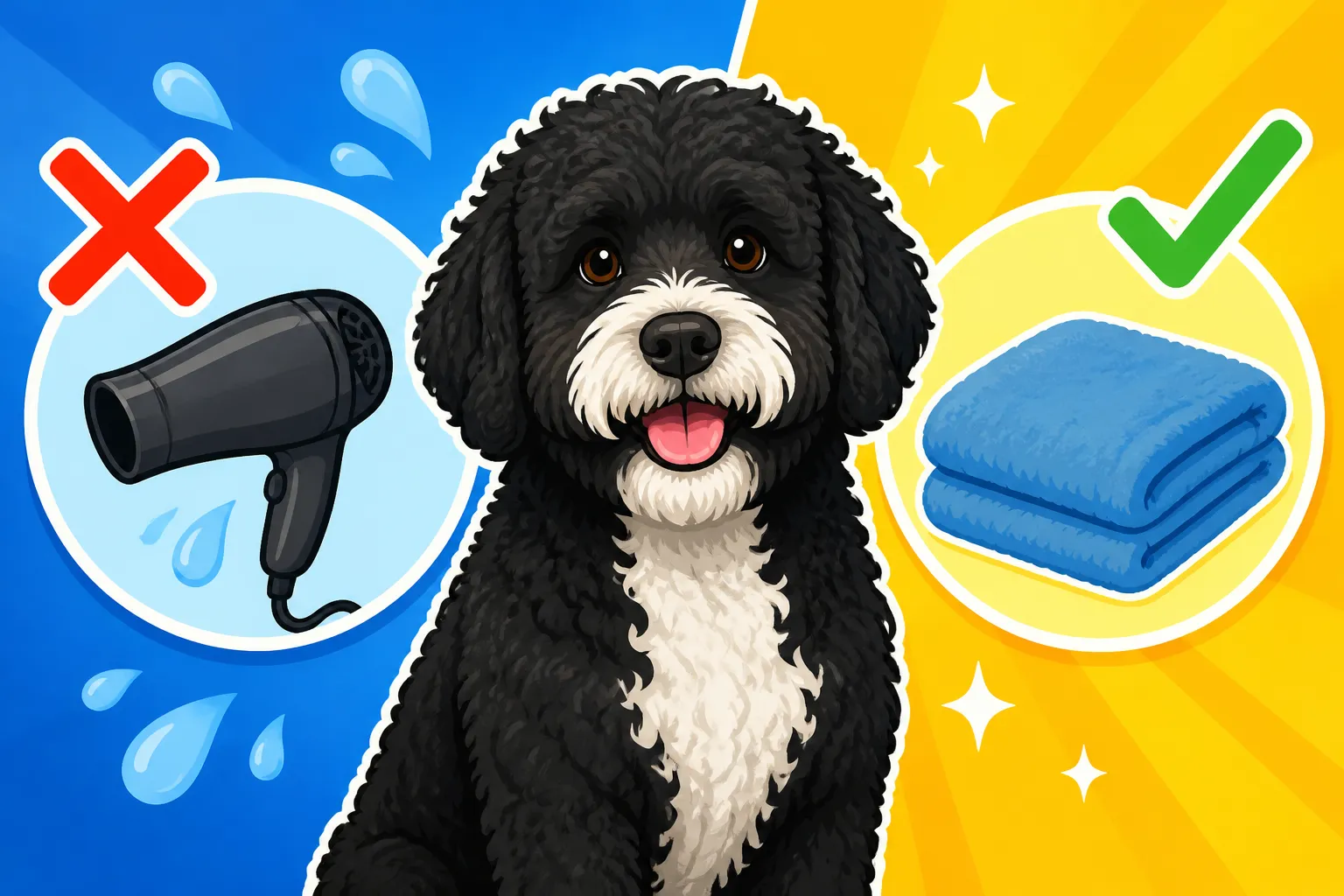
Whether a Portuguese Water Dog Must Be Force Dried
If you're a Portuguese Water Dog owner, you know the immense joy these intelligent, spirited dogs bring to life, especially their boundless enthusiasm for all things water. But that same love for swimming often leads to a common frustration: how do you get that incredibly dense, water-retentive coat thoroughly dry? Many owners quickly realize that letting their PWD air dry isn't just inefficient; it can actually be detrimental to their dog's health and coat. This comprehensive guide will explore why force drying is not just a luxury, but often a necessity for Portuguese Water Dogs, and how to make it a positive experience for both you and your loyal companion.
The Portuguese Water Dog's Coat: A Double-Edged Sword for Water Lovers
The Portuguese Water Dog's coat is a marvel of natural engineering, perfectly adapted for its original purpose of working in and around the water with Portuguese fishermen. However, this specialized coat, while beautiful and functional, demands specific care, especially when wet. Understanding its unique properties is the first step in appreciating why proper drying is so critical.
Built for Water: The PWD's Unique Coat Structure
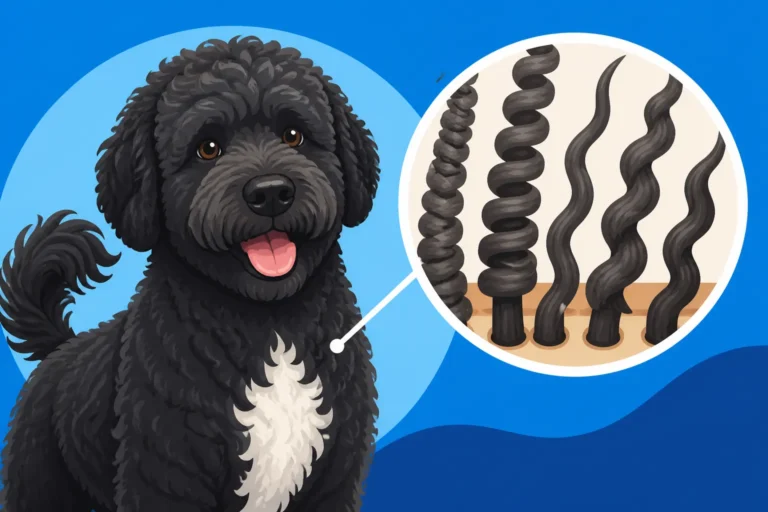
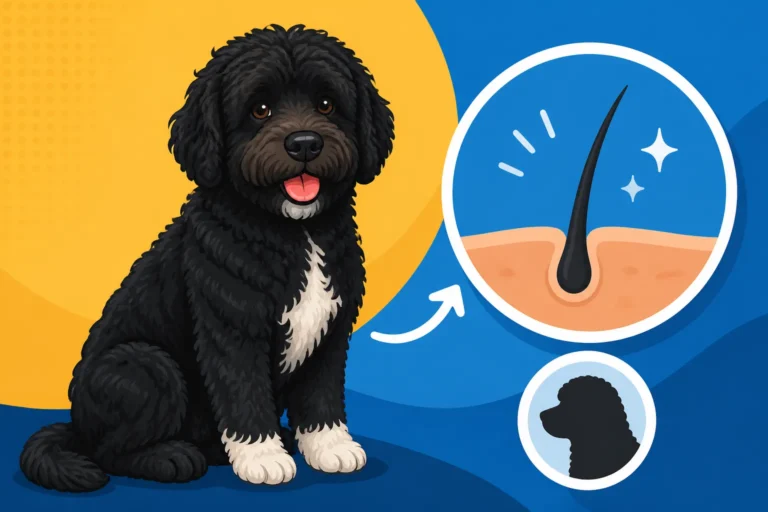
Unlike many dog breeds, the Portuguese Water Dog boasts a single coat, meaning they lack an undercoat. This single layer is either curly or wavy, densely packed, and designed to provide insulation in cold water while repelling some moisture. It’s also often cited as "hypoallergenic" because it sheds very minimally, trapping shed hairs within the existing coat. This non-shedding trait, while great for allergy sufferers, means those dead hairs don't fall out on their own; instead, they become trapped, contributing to matting if not regularly brushed and properly dried.
Imagine your Portuguese Water Dog, after an invigorating session of Dock Diving and Water Trials With a Portuguese Water Dog or a long swim in the lake, emerging from the water. The individual hairs, already dense, cling together, forming tight ropes that hold onto water like sponges. This isn't just surface moisture; the water penetrates deep into the coat, right down to the skin. This exceptional water retention is what made them such effective working dogs, keeping them warm in icy Atlantic waters, but it's also what makes air drying a serious challenge in a modern home environment.
The sheer volume and texture of the PWD's coat means that gravity alone won't get them dry in any reasonable timeframe. A dog with a curly coat, for example, might take significantly longer to air dry than one with a wavy coat, simply because the tighter curls create more pockets to trap moisture. Curly or Wavy: the Two Portuguese Water Dog Coats delves deeper into these coat types. Without intervention, your PWD could remain damp for hours, even indoors, creating a less-than-pleasant environment for everyone in the house, and more importantly, for the dog themselves.
The Unseen Costs of Perpetual Dampness: Skin, Mats, and Smell
While a damp dog might seem like a minor inconvenience, for a Portuguese Water Dog, prolonged dampness can lead to a cascade of health and hygiene issues. The warm, moist environment created by a wet, undried coat is a breeding ground for bacteria and yeast, which can quickly lead to painful skin infections. These often manifest as "hot spots" – localized areas of inflamed, infected skin that can appear suddenly and worsen rapidly. Your PWD might scratch or lick at these spots incessantly, exacerbating the problem and leading to further irritation and hair loss.
Beyond superficial skin infections, a continuously damp coat can also encourage the growth of fungus, leading to yeast infections that produce an unpleasant, musky odor and can cause chronic itching and discomfort. Owners might notice their dog constantly scratching even when no fleas are present, or a greasy, discolored appearance to the skin beneath the coat. These conditions often require veterinary intervention, including medicated shampoos, topical treatments, or even oral antibiotics, adding unexpected costs and stress to your life. For more on coat health, consider What a Portuguese Water Dog's Coat Is Made Of.
Then there's the issue of matting. As mentioned, the PWD's coat traps shed hairs. When these wet, trapped hairs are left to dry on their own, they intertwine and tighten, forming dense, felt-like mats that pull at the skin. These mats are not only uncomfortable but can be incredibly painful, restricting movement and causing skin irritation underneath. Mats often form in high-friction areas like behind the ears, in the armpits, around the collar, and under the harness. Where a Portuguese Water Dog Mats First and Whether a Portuguese Water Dog Mats After Swimming cover this in more detail. If mats become severe, they can cut off circulation, harbor parasites, and even prevent proper air circulation to the skin, worsening skin conditions. In extreme cases, a matted dog may require a full shave-down by a professional groomer, which can be an expensive and stressful experience.
And let's not forget the smell. A perpetually damp Portuguese Water Dog develops a distinctive "wet dog" odor, often intensified by any bacterial or yeast overgrowth. This isn't just a faint smell; it can permeate your home, furniture, and car, making for an unpleasant living situation. While some degree of wet dog smell is inevitable right after a dip, it shouldn't linger for hours or days. If you find yourself asking Whether a Portuguese Water Dog Smells When Wet, it's a strong indicator that their coat isn't drying properly.
Beyond the Surface: Why Towel Drying Isn't Enough
Many owners, myself included, start with the best intentions, reaching for a towel the moment their PWD shakes off excess water. While towel drying is an important first step, it simply isn't sufficient for a breed with such a dense, water-absorbing coat. A standard bath towel, even a highly absorbent microfiber one, can only wick away so much surface moisture. It might make your dog feel drier to the touch, but beneath the superficial layer, the coat and skin can remain damp for hours.
Consider the physics: a towel works by absorbing water. But the PWD's coat is so thick and tightly curled or wavy that a towel struggles to penetrate deep enough to reach the skin. You might get the outer layer of hair somewhat dry, but the inner layers and the skin itself will still be moist. This leaves a damp foundation that quickly leads to the problems discussed above – hot spots, yeast, and matting. It's like trying to dry a thick wool blanket by just rubbing a small towel over the top; the core remains stubbornly wet.
Even with diligent towel work, you'll find that your Portuguese Water Dog will likely still leave damp spots on your furniture, floors, and clothing for a significant time after. For a dog that loves to swim daily, relying solely on towel drying is a losing battle that will inevitably lead to coat and skin problems, increased professional grooming bills, and a less comfortable dog. This is precisely why more robust drying methods are essential for this breed.
Force Drying: The Gold Standard for Portuguese Water Dog Care
Given the challenges posed by the Portuguese Water Dog's unique coat, it's clear that a more effective drying solution is needed. Enter the force dryer, a tool that has become indispensable for PWD owners and professional groomers alike. Far from being a luxury, it's often considered the gold standard for maintaining the health and hygiene of this water-loving breed.
What is a Force Dryer and How Does It Work?
A force dryer, also known as a high-velocity dryer or blaster, is specifically designed for drying pets. Crucially, it is not a human hairdryer. Human hairdryers operate at high temperatures, which can quickly overheat and burn a dog's sensitive skin, especially beneath a thick coat. They also lack the necessary air pressure to effectively remove water.
A force dryer, by contrast, uses a powerful motor to push a high volume of unheated or very lightly heated air through a nozzle at high velocity. The magic isn't in the heat, but in the sheer force of the air. This powerful blast of air literally "forces" the water out of the dog's coat, separating the hairs and blasting water droplets off and away from the body. It works by mechanically pushing the water off the hair shaft, rather than evaporating it with heat. This action is incredibly efficient, drying a PWD much faster and more thoroughly than any towel or human hairdryer ever could.
The various nozzles that come with a force dryer also play a crucial role. A flat, wide nozzle can quickly clear large areas of coat, while a concentrated, conical nozzle can be used to "open" the coat and target dense, matted areas or the undercoat (though PWDs don't have a true undercoat, the density of their hair benefits from this action). This direct expulsion of water, combined with the separation of individual hairs, is what makes force drying so effective in preventing mats and ensuring complete dryness right down to the skin.
The Unmatched Benefits for Coat Health and Hygiene
The benefits of consistently force drying your Portuguese Water Dog are profound and address all the issues we've discussed concerning prolonged dampness. First and foremost, force drying drastically reduces drying time. What might take hours to air dry (and still be damp at the core) can be fully dry in 30-60 minutes, depending on coat length and density. This efficiency means less time spent waiting around for your dog to dry and more time enjoying their company without the damp smell.
Beyond speed, the thoroughness of a force dryer is unparalleled. By blasting water directly off the hair and separating the strands, it ensures that moisture is removed from the entire coat, all the way down to the skin. This eliminates the damp, warm environment that fosters bacterial and yeast growth, making hot spots and skin infections far less likely. Regular force drying after every bath or swim is one of the best preventative measures against these common and often painful dermatological issues. For tips on managing skin issues, you might find Whether a Portuguese Water Dog Gets Hot Spots helpful.
Furthermore, force drying is a powerful tool in mat prevention. As the high-velocity air separates individual hairs, it helps to detangle and fluff the coat, making it much easier to brush through. When followed by a thorough brushing, the risk of mats forming is significantly reduced. This not only keeps your dog more comfortable but also saves you time and money on professional dematting or shave-downs. A properly dried and brushed coat is healthier, shinier, and generally more pleasant to touch. This also helps maintain the coat's natural texture, whether curly or wavy, making it easier to manage for clips like the Retriever Clip Is the Coat Most Portuguese Water Dogs Wear.
Overcoming the Hurdles: Noise, Heat, and Training
Despite the clear benefits, some owners are hesitant about force drying, often due to concerns about noise or their dog's reaction. It's true that force dryers can be loud, which can be startling for a dog not accustomed to it. However, with patience and proper introduction, most Portuguese Water Dogs can be desensitized and even learn to enjoy the process.
The key is positive reinforcement and gradual exposure. Start by simply letting the dryer run in the same room while your dog is doing something positive, like eating a meal or chewing on a favorite toy. Keep the nozzle far away from them at first, letting them get used to the sound. Gradually, you can introduce the air stream from a distance, rewarding them with high-value treats (like those from Ollie, for example) and praise for calm behavior. Many professional groomers use cotton balls in the dog's ears to reduce noise, which can be a good idea, but ensure they are placed gently and not pushed too deep into the ear canal.
Regarding heat, it's crucial to reiterate that a proper force dryer uses air velocity, not high heat. While some models offer a very low heat setting, the primary function is air pressure. Always check the air temperature with your hand before directing it at your dog, ensuring it feels cool to lukewarm, never hot. The goal is to dry quickly and thoroughly without discomfort or risk of burns. Moving the nozzle constantly and never focusing on one spot for too long also prevents any localized heating, even with minimal heat settings. With consistent, positive training, your PWD can learn that the force dryer is a normal part of their routine, leading to a much happier and healthier life.
Setting Up Your Home Drying Station: Essential Tools and Techniques
Deciding to invest in a force dryer is a game-changer for Portuguese Water Dog owners. But having the right equipment is only half the battle; knowing how to set up an effective drying station and mastering the technique are equally important. With a little planning and practice, you can transform a potentially chaotic chore into a manageable routine.
Choosing the Right Force Dryer for Your PWD
Selecting a force dryer can feel a bit overwhelming given the variety on the market. For a Portuguese Water Dog, you'll want a model with sufficient power to penetrate their dense coat. Look for features like variable speed settings, which are crucial for acclimatizing your dog to the noise and force, and for adjusting the power based on the coat area (e.g., lower speed for sensitive facial areas, higher for the body). A longer, flexible hose is also beneficial, allowing you to move around your dog more easily.
Many reputable pet supply retailers like Chewy and Amazon offer a range of force dryers. While professional groomers might opt for dual-motor dryers for maximum power and speed, a good quality single-motor force dryer is often more than sufficient for home use. Consider the noise level if you live in an apartment or have noise-sensitive pets or family members; some models are marketed as "quiet" or "low noise." Durability is also a factor, as this will be a frequently used tool.
Here's a quick comparison of common force dryer features to help you choose:
| Feature | Low-End Models (Entry-Level) | Mid-Range Models (Good for Home) | High-End Models (Professional/Advanced Home) |
|---|---|---|---|
| Motor Type | Single Motor | Single Motor | Dual Motor (often) |
| Speed Settings | Fixed or Limited (2-3 settings) | Variable (Dial control) | Variable (Precise dial control) |
| Heat Control | No heat or fixed low heat | No heat or low heat switch | No heat or adjustable low heat |
| Airflow (CFM) | Lower (e.g., 50-70 CFM) | Medium (e.g., 80-100 CFM) | High (e.g., 120+ CFM) |
| Noise Level | Can be quite loud | Moderate to louder | Often include noise reduction technology |
| Hose & Nozzles | Basic hose, 1-2 nozzles | Durable hose, 3-4 nozzles | Flexible, long hose, full set of nozzles |
| Price Point | More budget-friendly | Balanced value and performance | Higher investment |
Remember, the goal is effective and safe drying. Read reviews, especially those from owners of similar dense-coated breeds, to gauge real-world performance.
Beyond the Blower: Grooming Tables, Brushes, and Ear Care
While the force dryer is the star of your drying station, several other tools are essential for a smooth and effective process. A grooming table, for instance, provides a stable, elevated surface that saves your back and keeps your PWD contained and at a comfortable working height. This makes it much easier to reach all parts of their body and ensures you don't miss any damp spots. You can find sturdy, foldable grooming tables on Amazon or Chewy that are perfect for home use, even if What a Grooming Table Costs for a Portuguese Water Dog might seem like an initial expense.
Before and during drying, you'll need the right brushes and combs. A good quality slicker brush and a sturdy metal comb are indispensable for working through the coat. As you force dry, the air will help separate the hair, making it easier to brush out any loose hair or incipient tangles. Brushing while drying helps ensure even drying and prevents the coat from clumping back together as it dries. This proactive approach to mat prevention is far more effective than trying to brush out dried-in mats later. For specific tools, you might find guidance in Which Brush a Portuguese Water Dog Needs.
Finally, don't forget ear care. The Portuguese Water Dog's drop ears can trap moisture, and their love for swimming means their ear canals are frequently wet, creating a perfect environment for infections. After every swim or bath, once the force drying is complete, a thorough ear cleaning with a vet-approved solution is crucial. Why a Portuguese Water Dog's Ears Need Checking Every Week and What a Portuguese Water Dog's Ear Cleaner Costs a Year highlight the importance of this regular maintenance to prevent painful and costly ear infections. Gently wiping the outer ear and using a suitable ear cleaner will help keep those aquatic ears healthy.
Step-by-Step: A Force Drying Routine That Works
Establishing a consistent routine is key to making force drying a positive experience for your Portuguese Water Dog. Here's a step-by-step guide to help you:
-
Pre-Drying Prep:
- Initial Towel Dry: As soon as your PWD exits the water, give them a good, vigorous towel rub with an absorbent microfibre towel. This removes excess surface water and speeds up the overall drying process.
- Quick Brush: If their coat isn't too matted, a quick brush can help remove any large debris or separate some of the clumping hair. If there are obvious mats, don't try to brush them out wet; the dryer will help loosen them.
- Ear Protection: Place cotton balls gently in your dog's ears to muffle the sound of the dryer. Ensure they are easy to remove afterward.
- Secure Your Dog: Place your PWD on the grooming table, ideally secured with a grooming loop for safety. This prevents them from jumping off and makes the process much more controlled.
-
The Force Drying Session:
- Start Slow: Begin with the dryer on its lowest setting, holding the nozzle a few inches away from your dog. Direct the air away from their face initially. Reward calm behavior with praise and treats.
- Work in Sections: Start from the back of the dog (rump, tail) and work your way forward. This allows them to get used to the sensation before you tackle more sensitive areas.
- Blast the Water Out: Use a "blasting" motion, moving the nozzle constantly and systematically across the coat. Don't just blow air on top; aim to separate the hair and push the water out. You'll actually see water droplets flying off the coat.
- Fluff and Brush: As you dry a section, use your slicker brush and metal comb to brush through the hair, working against the growth direction to lift and separate the strands. This helps the air penetrate and ensures thorough drying.
- Target Dense Areas: Pay extra attention to the thickest parts of the coat and known matting spots: armpits, groin, behind the ears, the chest, and the "skirts" of the body. Where a Portuguese Water Dog Mats Behind the Ears can give you specific guidance on this.
- Face and Ears Last: Use the lowest setting for the head and face, gently directing air away from their eyes and nose. Continue to offer reassurance and treats.
-
Post-Drying Care:
- Final Inspection: Once the coat feels dry, do a final run-through with your comb, making sure it glides smoothly through the hair from root to tip. Any snagging indicates dampness or a missed tangle.
- Ear Cleaning: Remove the cotton balls and clean your dog's ears with a vet-recommended ear cleaner.
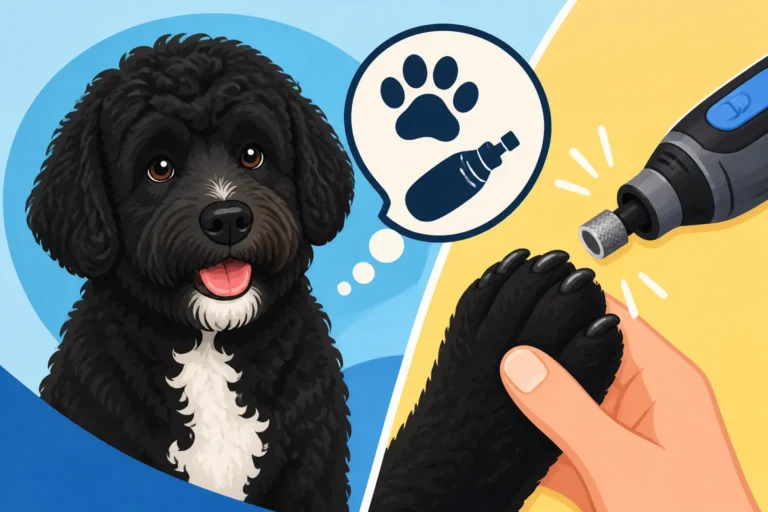
- Nail Trim: If part of your routine, this is a good time to trim nails or dremel them smooth. How Often a Portuguese Water Dog's Nails Need Trimming
- Reward: End every session with lavish praise, a favorite toy, or a special treat. The goal is for your PWD to associate drying with positive experiences.
By following this routine consistently, your Portuguese Water Dog will not only be perfectly dry but will also be more comfortable, healthier, and happier.
The Ripple Effect: Long-Term Health and Happiness for Your Water Dog
Committing to proper drying techniques, especially force drying, for your Portuguese Water Dog isn't just about avoiding a soggy mess today. It has significant, positive long-term impacts on their overall health, coat integrity, and quality of life. This proactive approach will save you headaches, heartache, and potentially considerable veterinary bills down the line.
Preventing Chronic Conditions: Hot Spots, Infections, and Irritation
The most immediate and impactful long-term benefit of thorough drying is the drastic reduction in the incidence of chronic skin and ear problems. When a PWD's dense coat is consistently left damp, it creates the perfect incubator for bacteria and yeast, leading to recurring hot spots, fungal infections, and skin irritation. These aren't just minor inconveniences; they can become persistent, painful conditions that require ongoing veterinary care, including antibiotics, antifungals, medicated shampoos, and special diets. Such treatments can become quite expensive over time.
By regularly and thoroughly force drying your Portuguese Water Dog after every bath or swim, you eliminate the moist environment that allows these pathogens to thrive. This breaks the cycle of infection and inflammation, keeping their skin healthy and itch-free. Similarly, consistent ear cleaning after water exposure, coupled with a dry coat, drastically reduces the risk of painful and recurring ear infections, a common ailment for water-loving breeds. Why a Swimming Dog Gets Ear Infections provides more context on this particular struggle. Preventing these chronic issues means fewer vet visits, less discomfort for your dog, and significant savings in time and money for you.
Think of the relief of not constantly checking for new hot spots, not dealing with a perpetually itchy dog, and not having to administer foul-tasting medicines. This peace of mind, knowing you are actively preventing common ailments, is invaluable for any devoted PWD owner.
Maintaining Coat Integrity and Reducing Grooming Stress
A properly dried coat is a healthy coat. Force drying, combined with regular brushing, ensures that individual hairs are separated, clean, and free from moisture that can cause matting. When mats are allowed to form and tighten, they pull on the skin, causing pain and discomfort, and can even lead to skin breakdown underneath. Severe matting often requires a professional groomer to shave down the affected areas, or even the entire dog, which can be an uncomfortable and sometimes traumatic experience for the dog.
Regular force drying prevents these extreme situations. It helps to keep the coat in its natural, beautiful state, whether curly or wavy, making it soft, clean, and much easier to maintain. You'll find that regular brushing between grooming appointments becomes a much simpler task when the coat isn't riddled with hidden damp spots and tangles. How Often a Portuguese Water Dog Needs Brushing is a good guideline for coat maintenance. This ease of maintenance not only preserves the aesthetic appeal of your PWD but also makes grooming sessions a more positive experience for both of you.
A well-maintained coat also provides better insulation against the elements, fulfilling its natural purpose. While a PWD might handle cold water well for short periods, a matted or unhealthy coat compromises its natural protective qualities. Investing the time in proper drying translates directly into a healthier, more beautiful coat that performs as nature intended.
Embracing Their Instinct: More Water Fun, Less Worry
Ultimately, the Portuguese Water Dog was bred for water. Their very essence is tied to their love for swimming, retrieving, and working in aquatic environments. Denying them these natural outlets due to concerns about their coat is a disservice to the breed's heritage and their innate desires. With a solid routine for force drying, you can fully embrace your PWD's passion for water without the accompanying worries.
Imagine being able to take your PWD to the beach, lake, or pool as often as they desire, knowing that you have the tools and techniques to ensure they are thoroughly dry and comfortable afterward. This freedom allows them to engage in vital physical and mental exercise, like Why Swimming Protects a Portuguese Water Dog's Joints and Whether Swimming Tires a Portuguese Water Dog Enough. This means a happier, better-exercised dog who is less likely to develop behavioral issues stemming from boredom or pent-up energy.
By integrating force drying into your Portuguese Water Dog's care routine, you are not just maintaining their hygiene; you are supporting their very being. You are fostering a lifestyle where their natural instincts can flourish, leading to a truly fulfilled and well-adjusted companion. It’s an investment in their health, your peace of mind, and the deep bond you share with your unique water dog.
Disclaimer
This article is for general informational purposes only and does not constitute professional advice. Laws, prices and regulations vary by location and change over time. Consult a qualified professional for guidance on your specific situation.