How Many Portuguese Water Dogs a Boat Carried
Many people marvel at the Portuguese Water Dog's athletic prowess and natural affinity for water, yet often wonder about the practical realities of their working past. It’s easy to romanticize their role on fishing boats, but the practical details, like how many dogs actually worked on a single vessel, often get overlooked. This guide will dive deep into the historical context of the Portuguese Water Dog's seafaring life, exploring the factors that determined their numbers on board and offering insights into their incredible heritage.
The Portuguese Water Dog's Indispensable Role on Fishing Boats
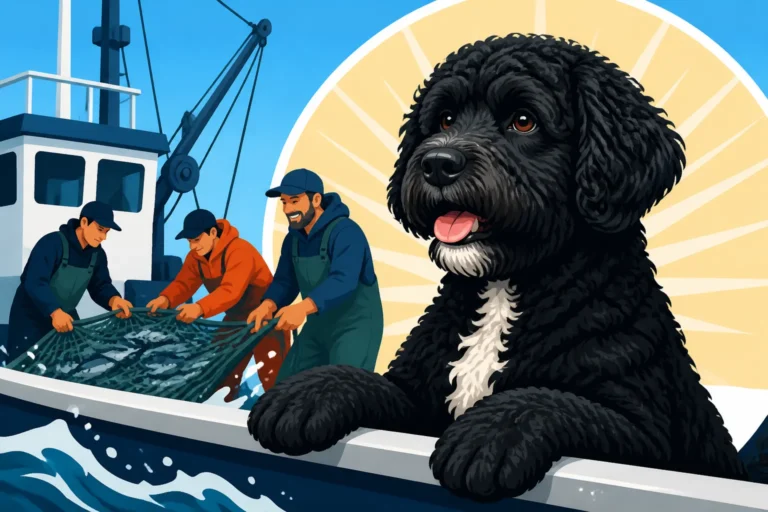
To understand how many Portuguese Water Dogs might have been aboard a fishing boat, we first need to appreciate why they were there in the first place. These weren't pets enjoying a scenic cruise; they were working members of the crew, as vital to the fishermen's livelihood as the nets and the boat itself. Hailing from the coasts of Portugal, particularly the Algarve region, these dogs had a variety of tasks that made them invaluable.
Their jobs were physically demanding and required keen intelligence and a strong bond with their human partners. They were bred for a life at sea, their unique physical attributes—like their incredible swimming ability, powerful webbed feet, and a rudder-like tail—perfectly suited for the challenging marine environment. These dogs were the ultimate aquatic multi-taskers, adapting to whatever their human companions needed. The Portuguese Water Dog Worked the Algarve Fishing Fleet for centuries, proving their worth daily.
Working the Nets: Herding and Retrieving
One of the primary roles of the Portuguese Water Dog was assisting with fishing nets. Imagine a time before advanced technology, where human strength and animal instinct were the main tools. These dogs would plunge into the water, often in rough seas, to help with the nets. They would bark and splash to drive fish into the nets, a remarkable display of canine intelligence and teamwork. This wasn't just a simple fetch; it required understanding complex commands and working in sync with the fishermen.
Beyond herding, they were masters of retrieval. Lost fishing gear, lines, or even fish that escaped the nets were fair game for a Portuguese Water Dog. Their thick, single coat provided insulation against the cold water, allowing them to stay in the frigid Atlantic longer than most breeds. How a Portuguese Water Dog Drove Fish Into a Net paints a vivid picture of this skilled work. A single dog could retrieve repeatedly, making them incredibly efficient.
Communication and Guard Duty
But their duties weren't limited to fish and nets. In an era without radios, these dogs served as vital communication links between boats or between boats and shore. They would carry messages tucked into waterproof containers attached to their collars, swimming tirelessly across stretches of water. This task required immense stamina, focus, and an unwavering commitment to their handler. Think about the trust placed in these dogs to deliver critical information across unpredictable waters. Whether a Portuguese Water Dog Carried Messages Between Boats explores this fascinating aspect of their history.
On board, they also served as vigilant watchdogs. Fishing boats often carried valuable catches, and a keen-eared dog was an excellent deterrent against pilfering. They would alert the crew to any approaching vessels or unauthorized visitors, adding an extra layer of security to the demanding life at sea. A dog could guard the boat while the crew was ashore or resting, giving them peace of mind. Whether a Portuguese Water Dog Slept Aboard really highlights their constant presence and loyalty.
Factors Influencing the Number of Dogs Per Boat
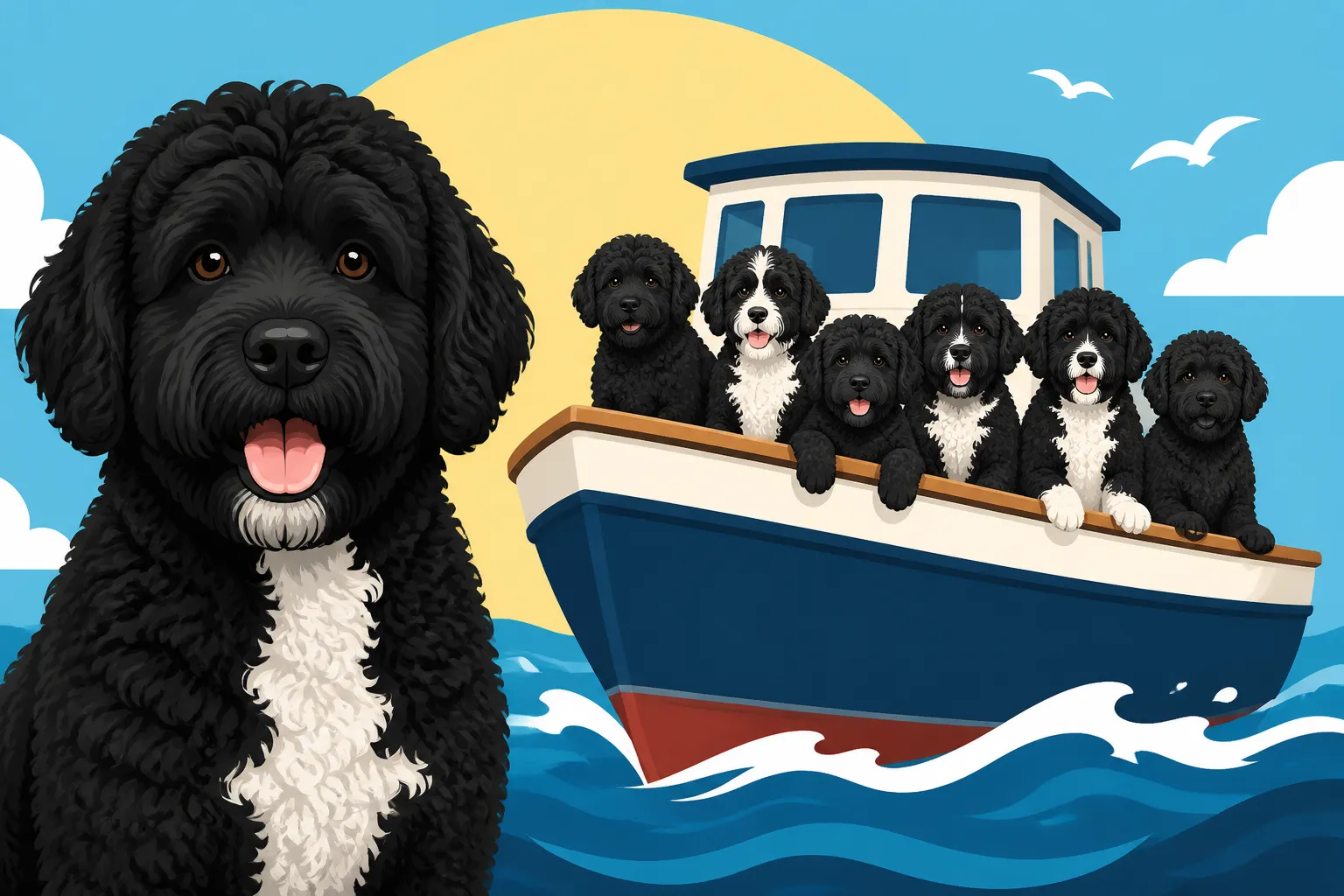
So, given these diverse and demanding roles, how many Portuguese Water Dogs would a typical fishing boat carry? The truth is, there wasn't a fixed number. It varied greatly depending on several practical factors, reflecting the dynamic and often lean nature of the fishing industry.
Fishermen were pragmatic; every mouth to feed on board had to earn its keep. Space was also at a premium on these vessels, and resources like food and fresh water were carefully managed. The number of dogs directly correlated to the specific needs of the fishing operation and the capacity of the boat and crew. You certainly wouldn't find a dog on board that wasn't pulling its weight, or three when one could do the job.
Size of the Vessel and Crew
The most obvious factor was the size of the fishing boat itself. A small, single-person dory or a dinghy wouldn't have had room or resources for more than one, if any, dog. These were often boats for short, inshore trips. On the other hand, larger trawlers, long-liners, or vessels involved in extensive net fishing, which carried more crew members and spent longer periods at sea, could realistically accommodate more dogs.
A larger crew also meant more hands to feed, manage, and care for the dogs. Each dog required training and attention, and a bigger team of fishermen could dedicate the necessary time. Imagine trying to manage three energetic Portuguese Water Dogs on your own in rough seas; it simply wouldn't be practical. However, if you had a crew of five or six, dividing the responsibility for the dogs' well-being and deployment would be much more feasible.
Type of Fishing and Specific Tasks
The kind of fishing operation was another critical determinant. If the primary method involved herding large schools of fish into vast nets, a team of two or three dogs might have been exceptionally effective. They could work together, creating a formidable "dog wall" to guide the fish. This cooperative herding often called for multiple skilled dogs working in tandem, covering more ground and increasing efficiency.
However, if the main task was retrieving individual lost items or acting as a messenger, one highly capable dog would usually suffice. A dog that was an expert at diving for lost gear (Whether a Portuguese Water Dog Dived for Lost Gear) would be incredibly valuable on its own, capable of performing this specialized task without needing a companion. For specialized retrieving, sometimes the focus was on a single, highly-trained animal rather than a larger group.
Historical Accounts and the Reality of Cost
It's difficult to pinpoint an exact average number of Portuguese Water Dogs per boat from historical records. Written accounts from the time often focused on the dog's capabilities rather than precise statistics on numbers. Most depictions, both artistic and anecdotal, typically show one or two dogs working alongside fishermen. A common image is of a single dog, fiercely dedicated, standing sentinel or plunging into the waves.
The economic reality of a fisherman's life meant that every expense was scrutinized. Feeding and caring for multiple large, active dogs required significant resources. Fishermen, often living hand-to-mouth, would only keep the absolute essential animals that directly contributed to their catch and income. Therefore, while a few boats might have had two or even three highly trained dogs for specialized tasks, the most common scenario was likely one dedicated working dog, perhaps two on larger vessels with more extensive operations. It would be rare to see more than two.
| Factor | Likelihood of Multiple PWDs | Why It Matters |
|---|---|---|
| Small Vessel | Very Low (1 dog max) | Limited space, fewer resources, usually a single-person crew. |
| Large Vessel | Moderate to High (1-2 dogs, rarely 3) | More space, more crew to manage, longer trips, more complex tasks. |
| Herding Fish | Moderate to High (2-3 dogs optimal) | Cooperative effort needed to drive schools of fish into nets. |
| Retrieving Lost Gear | Low (1 highly trained dog sufficient) | Specialized task, often managed by a single skilled animal. |
| Messenger Duty | Low (1 dog per message) | One dog was sent with a message; multiple weren't practical. |
| Guard Dog | Low (1 vigilant dog is enough) | A single dog's alert system often sufficed for security. |
| Crew Size (small) | Low (1 dog max) | Limited hands for training, feeding, and managing multiple active dogs. |
| Crew Size (large) | Moderate (1-2 dogs, potentially 3) | More individuals to share the responsibilities of dog care and deployment. |
| Economic Conditions | Generally Low (focus on essential needs) | Every animal had to be cost-effective and contribute significantly to livelihood. |
Connecting History to the Modern Portuguese Water Dog
While the specific number of dogs on a boat might seem like a historical footnote, understanding this context is vital for modern Portuguese Water Dog owners. It speaks volumes about the breed's intrinsic nature and why they are the way they are today. The traits that made them invaluable to fishermen are still very much present, and they continue to influence their behavior, needs, and overall temperament.
The independence, intelligence, and relentless drive for work that allowed a Portuguese Water Dog to swim miles or herd fish are the same qualities that can make them a handful if not properly channeled. This isn't a couch potato breed; they still carry the legacy of their working ancestors in their DNA.
Their Enduring Drive and Intelligence
The fact that one or two dogs could perform such a wide array of critical tasks speaks to their incredible intelligence and problem-solving abilities. They weren't just following orders; they were often improvising, making decisions in dynamic environments, and working collaboratively with humans. This is why today's Portuguese Water Dog is often described as having a "thinking brain." They thrive on mental challenges and engagement, not just physical exercise. This is also why Training a Portuguese Water Dog That Was Bred to Think for Itself is so important.
If you bring a Portuguese Water Dog into your home expecting them to be content with just a daily walk around the block, you're likely to find yourself with a bored, and potentially destructive, companion. Their historical role on fishing boats instilled in them a deep need for a "job" or purpose. They want to be involved, to contribute, and to use their sharp minds. Engaging them in activities like obedience, agility, rally, or even scent work is crucial.
The Need for Exercise and Water
The tireless work they did on those fishing boats, often swimming for hours in cold, rough seas, also explains their immense energy levels and their profound love for water. How Much Exercise a Portuguese Water Dog Needs is more than just a casual stroll. These dogs need vigorous activity, and swimming is often their favorite outlet. It’s not just a preference; it's a deeply ingrained instinct. After all, they were purpose-bred for the water.
If you have a Portuguese Water Dog, you'll quickly realize that "wet dog smell" is going to be a part of your life. Investing in good quality, absorbent towels and maybe even a dog-specific force dryer, which you can find readily on Chewy, becomes an essential part of their care. This intense drive for activity is why What an Under Exercised Portuguese Water Dog Does can be a real challenge for unprepared owners. They can become destructive, bark excessively, or develop separation anxiety.
Modern Day "Crew" and Companionship
In the modern home, your Portuguese Water Dog might not be herding fish, but they still thrive on being an integral part of the family "crew." They want to be wherever you are, participating in your activities, and feeling like they have a job. Whether that job is retrieving toys from the pool, accompanying you on a hike, or simply being your shadow as you move through the house, they excel when they feel useful and engaged.
Many Portuguese Water Dog owners find that having one dog is a joyful experience, but having two can sometimes create an even more enriching environment for the dogs, as they often enjoy the companionship of another active, intelligent canine. For owners providing multiple dogs with durable toys and high-quality food, shopping at places like Chewy can often make stocking up a little easier, ensuring all your "crew members" are well-equipped.
Their intense desire for connection and partnership with humans, forged over centuries on those small, often isolated fishing boats, remains a defining characteristic. It’s a powerful bond that makes them incredibly loyal and devoted companions, a testament to their remarkable history and the enduring spirit of a working dog.
Disclaimer
This article is for general informational purposes only and does not constitute professional advice. Laws, prices and regulations vary by location and change over time. Consult a qualified professional for guidance on your specific situation.