How to Feel a Portuguese Water Dog’s Ribs Under the Coat
One of the trickiest things about owning a Portuguese Water Dog, with their glorious, dense coats, is knowing what's truly going on underneath all that fluff! It's so easy for weight fluctuations to hide from plain sight, leaving you wondering if your beloved companion is getting just the right amount of food and exercise. This guide will walk you through the simple, yet vital, technique of feeling your Portuguese Water Dog's ribs to accurately monitor their weight and ensure they stay in peak condition.
Why Feeling Your Portuguese Water Dog's Ribs Matters So Much
You might think a quick glance or a weigh-in at the vet is enough to keep tabs on your PWD's physique, but trust me, it's not always that straightforward. Our fuzzy friends are masters at camouflaging weight changes, both gains and losses, within their beautiful, curly, or wavy coats.
The Hidden Truth Under All That Glorious Coat
Imagine trying to spot a weight change on a dog whose coat is designed to keep water out and body heat in – it's a wonderfully efficient system, but it also means a few extra pounds (or a few too few) can easily go unnoticed. A Portuguese Water Dog's dense, often corded or curly coat acts like a natural padded suit, making it incredibly difficult to tell by sight alone if they're carrying too much condition or if they're looking a little lean. What might appear "normal" to your eye could actually be a significant departure from their ideal weight, and that's where problems can start brewing. Undetected weight gain can put extra strain on their joints and organs, while being underweight could signal an underlying health issue or simply insufficient nutrition for their active lifestyle. This is why a regular, hands-on check is truly invaluable.
Beyond the Scale: A Hands-On Health Check
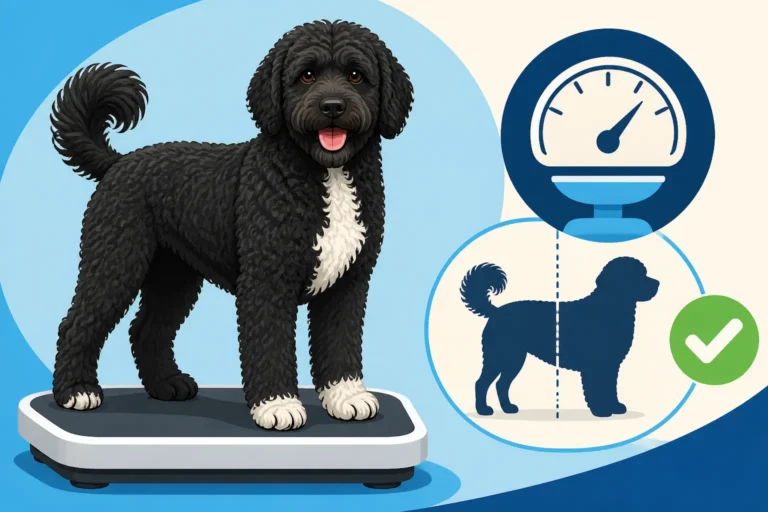
While the scale provides a number, it doesn't tell you about body composition. A lean, muscular PWD might weigh more than a less active one of the same size, yet be perfectly healthy. That's why feeling their ribs offers a much more accurate and consistent method for assessing their body condition. It helps you catch subtle changes before they become big problems. Think of it as your secret weapon in proactive health care, a simple but powerful tool you can use daily or weekly without any special equipment. It helps you understand if the food you're giving them is the right amount, or if their exercise routine is adequate. This tactile assessment provides immediate feedback that complements visual checks and occasional weigh-ins, creating a comprehensive picture of your PWD's physical well-being. Keeping on top of your dog's ideal weight is critical for their long-term health and mobility, especially as they get older.
The Goldilocks Zone: What "Just Right" Feels Like
So, what exactly are we looking for when we put our hands on our PWDs? It's all about finding that "just right" feeling – not too bony, not too padded, but perfectly proportioned.
Locating the Ribs: Your Starting Point
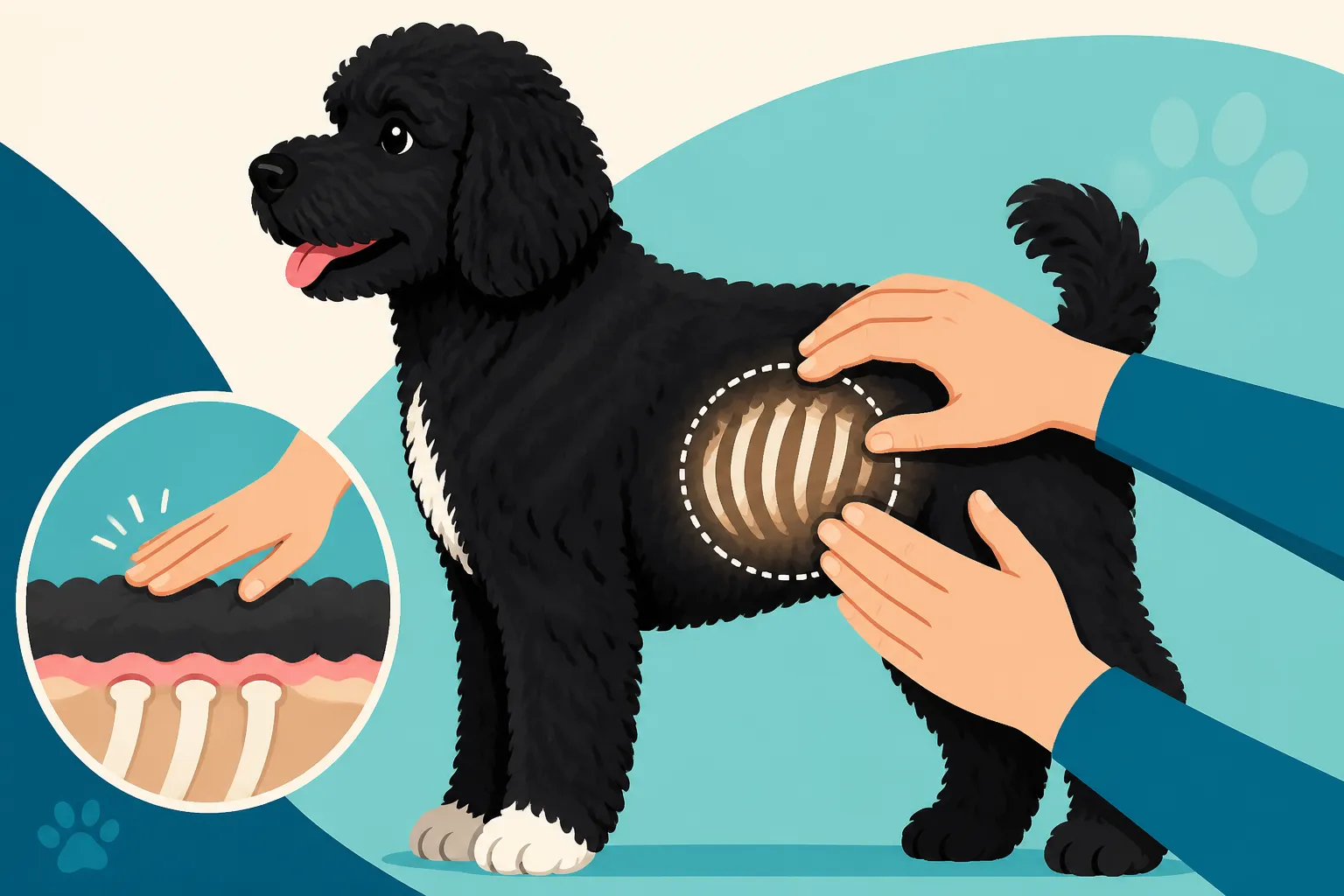
Finding your PWD's ribs isn't hard once you know where to go. Start by standing beside your dog. Place both of your hands flat on their chest, just behind their elbows. Gently spread your fingers so they lie along their side. You're aiming for the area where their rib cage is broadest, towards the middle of their body, not too far up their spine or too far down their belly.
Now, with a light but firm touch, slowly move your hands back and forth across their rib cage, almost like you're gently raking your fingers across their side. You're not trying to dig in; it's a surface-level palpation. The goal is to feel the individual ribs beneath the skin and coat. Some Portuguese Water Dogs have incredibly dense coats, even when clipped to a Retriever Clip Is the Coat Most Portuguese Water Dogs Wear, so don't be discouraged if it takes a moment to get the hang of it. Just be patient and let your fingers explore.
The Gentle Glide: How Your Fingers Should Feel
Once you've located the general area, refine your touch. You should be able to feel each individual rib with ease, without having to press hard. It's a bit like running your hand over a washboard covered with a thin towel – you can feel each ridge distinctly, but it's not sharp or painful. The ribs should be palpable, but not visually prominent, and certainly not sticking out.
A common analogy used in veterinary circles is to compare the feeling of your dog's ribs to parts of your own hand:
- Too Thin: If the ribs feel like your knuckles when you make a fist – sharp, distinct, and easily seen – your PWD might be underweight. You're feeling bone with very little cover. This could be a sign of Signs a Portuguese Water Dog Puppy Is Not Thriving or an underlying issue.
- Just Right: If the ribs feel like the back of your hand – you can feel the bones easily under a thin layer of skin and tissue, but they aren't sharply defined – your PWD is likely at their ideal weight. This is the "Goldilocks Zone." You should be able to distinguish each rib without much effort.
- Too Heavy: If the ribs feel like your palm – you have to press firmly to feel the bones, or you can't feel them at all because there's a significant layer of padding over them – your PWD is likely overweight. This extra padding is fat, and it's a concern for their long-term health.
Remember, the goal is to feel the ribs easily but without them being visually evident or sharply protruding. This gives you a clear indication of What a Portuguese Water Dog Weighs and How to Keep It There.
What It Means If You Can't Feel the Ribs (Or Feel Them Too Easily)
Detecting changes in your Portuguese Water Dog's body condition through rib checks is a powerful tool. It allows you to address potential issues proactively, whether they're gaining too much weight or losing too much.
When the Ribs Are Hard to Find: Overweight Concerns
If you find yourself pressing down quite firmly to feel individual ribs, or if you can't feel them at all, it's a strong indicator that your Portuguese Water Dog is carrying too much weight. That extra cushioning you're feeling is a layer of fat, and while a little padding might seem harmless, chronic obesity can lead to a host of health problems.
Overweight PWDs are at a higher risk for:
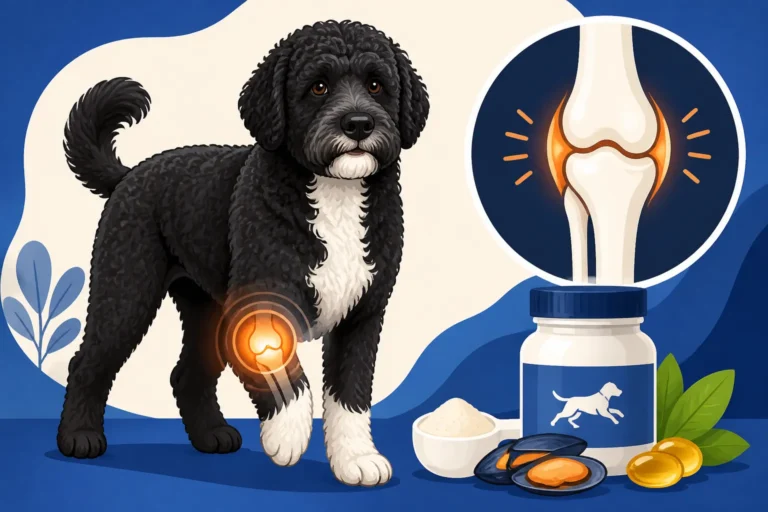
- Joint Issues: Extra weight puts significant strain on their joints, exacerbating conditions like Hip Dysplasia in a Portuguese Water Dog or Elbow Dysplasia in a Portuguese Water Dog, leading to pain, arthritis, and reduced mobility. This is particularly concerning for an active breed that loves to swim and run.
- Heart and Respiratory Problems: Carrying excess weight can lead to increased blood pressure, heart disease, and make breathing more difficult, especially during exercise.
- Diabetes: Just like in humans, obesity can predispose dogs to developing diabetes.
- Decreased Stamina: An overweight Portuguese Water Dog simply won't have the energy or endurance for the activities they love, impacting their quality of life and potentially leading to behavioral issues from lack of adequate exercise.
- Shorter Lifespan: Studies consistently show that dogs maintained at a healthy weight live longer, healthier lives.
If you suspect your PWD is overweight, the first steps involve reviewing their diet and exercise. Are you feeding them the right amount for their activity level? What an Adult Portuguese Water Dog Should Weigh provides a good general guideline, but individual needs vary. Consider reducing portion sizes slightly or switching to a lower-calorie, high-quality dog food. Increasing their daily activity, whether it's longer walks, more vigorous playtime, or extra swimming sessions, will also help. Make sure to check out Getting Weight Off a Portuguese Water Dog for more specific advice. Always consult your veterinarian before making significant changes to their diet or exercise routine, as they can help you create a safe and effective weight loss plan. They might also rule out any underlying medical conditions, such as Whether a Portuguese Water Dog Gets Hypothyroidism, that could be contributing to weight gain.
When the Ribs Are Too Prominent: Underweight Worries
On the flip side, if your Portuguese Water Dog's ribs are very easy to feel, or even visible through their coat, feeling sharp and distinct, they might be underweight. This means there isn't enough muscle mass or fat covering their bones, which can also be a cause for concern.
Being underweight can stem from several factors:
- Insufficient Calorie Intake: Perhaps your PWD is incredibly active and simply isn't getting enough calories to fuel their energy demands. Whether a Working Portuguese Water Dog Needs More Food is a question many PWD owners grapple with, as their dogs can burn a lot of energy.
- Pickiness or Stress: Some dogs, especially during periods of stress or change, may not eat enough.
- High Metabolism: Particularly lean or very active individuals might naturally have a higher metabolism, requiring more food than average.
- Underlying Health Issues: More seriously, unexplained weight loss can be a symptom of various medical conditions, including parasites, dental problems, malabsorption issues, or other illnesses. For example, conditions like Addison's disease can manifest with vague symptoms including weight loss and lethargy, which is why Addisons Disease Is Common in Portuguese Water Dogs. It’s also crucial to monitor puppies for Signs a Portuguese Water Dog Puppy Is Not Thriving.
If you find your PWD is too thin, consider if their food portions are adequate for their activity level. You might need to gradually increase their food intake or switch to a more calorie-dense formula. If they seem to have lost weight without a clear reason, or if their appetite has decreased, a visit to the veterinarian is absolutely essential. They can perform a thorough examination and recommend appropriate diagnostics to identify and address any underlying health issues. It's important to rule out medical causes first, then adjust diet as needed.
Making Rib Checks a Regular Part of Your Routine
Integrating this simple physical check into your daily or weekly routine is key to maintaining your Portuguese Water Dog's optimal health. It doesn't have to be a chore; in fact, it can become another bonding opportunity!
How Often and How to Make It Pleasant
Aim to check your Portuguese Water Dog's ribs at least once a week, perhaps even more frequently if you're actively trying to manage their weight. Consistency is what makes this technique so effective. The best way to make it a pleasant experience for both of you is to integrate it into activities your dog already enjoys.
- During Grooming: As you're brushing or drying your PWD after a swim (which they probably do often!), take a few moments to run your hands over their ribs. Their coat might be a bit damp, which can sometimes make the ribs even easier to feel. This is a natural time when they're already accustomed to being handled.
- During Petting Sessions: When your PWD cuddles up for some affection, gently incorporate the rib check into your petting routine. Use soft, reassuring words and positive reinforcement. If they enjoy a little ear scratch or belly rub, do the rib check as part of that relaxed interaction.
- After Exercise: When they're winding down from a good romp or a refreshing swim, their muscles will be relaxed, and they'll be more amenable to gentle handling.
Always keep the experience positive. If your dog seems uncomfortable, stop and try again later, or with more treats and praise. The goal is to make it a non-event, just another part of their routine care. Many dogs quickly learn to enjoy the attention!
Documenting Changes and Seeking Professional Advice
While feeling your PWD's ribs is an excellent gauge, it's also helpful to keep a simple record if you're concerned about weight changes. You don't need fancy charts; just a note on your calendar or in a journal about how their ribs felt ("easily felt," "a bit padded," "too bony") can help you track trends over time. Remember, How a Portuguese Water Dog's Coat Hides Weight Loss can be quite deceptive, so tactile checks are paramount.
This hands-on assessment is a tool for monitoring, not diagnosing. If you notice significant changes in your Portuguese Water Dog's body condition – whether they're rapidly gaining or losing weight, or if you simply can't seem to get them into that "just right" zone – it's crucial to consult your veterinarian. They can provide a professional body condition score, discuss dietary adjustments, recommend appropriate exercise levels, and investigate any underlying health issues. Regular How Often a Portuguese Water Dog Needs a Wellness Exam appointments are vital for catching potential problems early. Your vet is your best partner in ensuring your PWD lives a long, healthy, and happy life.
| Rib Feel Description | Body Condition Interpretation | Potential Action |
|---|---|---|
| Sharp & Visible | Underweight | Vet check, increase calories gradually |
| Easily Felt, Not Seen | Ideal Weight | Maintain current diet & exercise |
| Hard to Feel / Press | Overweight | Vet consult, adjust diet & exercise |
| Can't Feel | Obese | Urgent vet consult, strict weight plan |
Disclaimer
This article is for general informational purposes only and does not constitute professional advice. Laws, prices and regulations vary by location and change over time. Consult a qualified professional for guidance on your specific situation.