Whether a Wet Portuguese Water Dog Rides Home in the Car
Ah, the classic dilemma of the Portuguese Water Dog owner: your adventurous, water-loving companion has just enjoyed a glorious swim, but now you're faced with the inevitable soggy ride home. It's a common frustration, and one that often leaves car interiors smelling a bit like a damp locker room and covered in water spots. This comprehensive guide is here to walk you through everything you need to know about successfully, and as cleanly as possible, transporting your wet Portuguese Water Dog home from their aquatic adventures.
The Inevitable Wet Dog Ride Home
It’s almost a given that if you own a Portuguese Water Dog, your car will, at some point, become a temporary mobile drying station. These dogs were quite literally bred for the water, and denying them a good swim is like asking a bird not to fly. But their enthusiasm for all things wet brings with it a unique set of challenges when it comes to keeping your vehicle, and your sanity, intact on the journey back home.
Understanding the Portuguese Water Dog's Love for Water
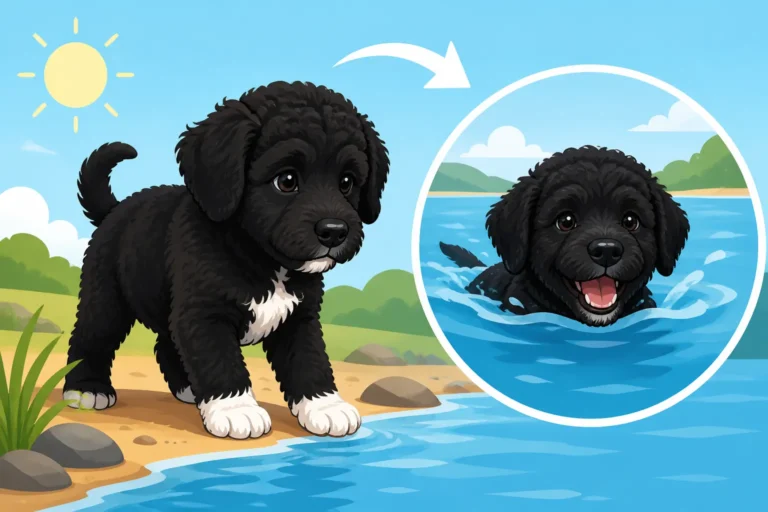
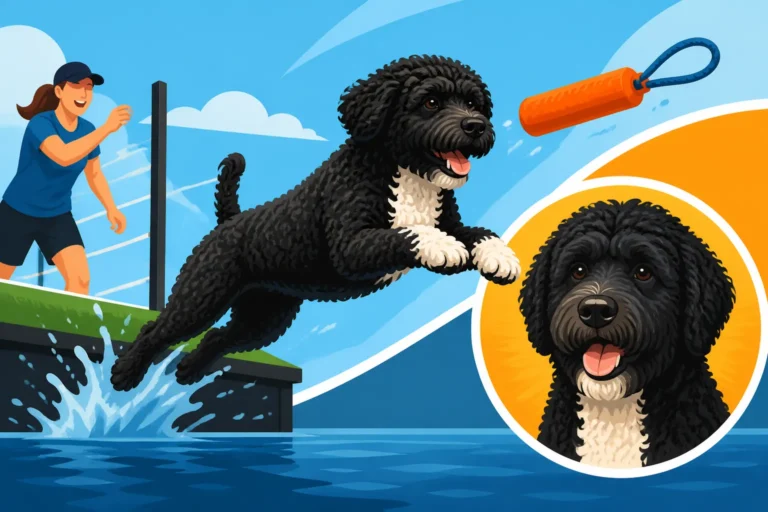
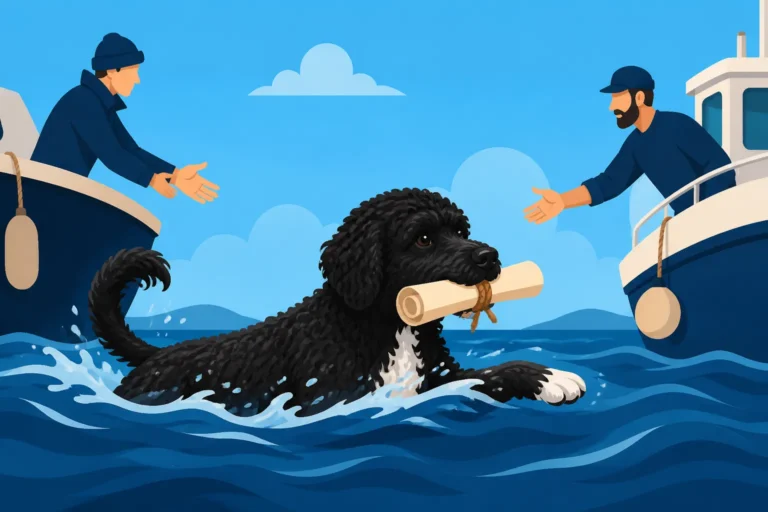
Portuguese Water Dogs possess an undeniable, almost instinctual, drive to be in the water. For centuries, their ancestors worked alongside fishermen on the coasts of Portugal, herding fish into nets, retrieving lost tackle, and even carrying messages between boats. This isn't just a preference; it's deeply ingrained in their genetic makeup. So, when you take your PWD to the beach, lake, or even just a backyard pool, expecting them to stay dry is simply unrealistic. They're going to dive in with gusto, often emerging looking like a shaggy, happy mop. Understanding this fundamental aspect of their breed is the first step in accepting and preparing for the wet ride home. It's part of their charm, and part of the lifestyle you signed up for.
Their webbed feet, powerful rudder-like tail, and unique single coat are all perfectly adapted for swimming. They aren't just tolerating the water; they're thriving in it. Whether it's a brisk dip in the ocean or a leisurely paddle in a calm lake, your Portuguese Water Dog will embrace the opportunity. This means that every time you head out for a water adventure, you need to have a plan for the aftermath. The joy they get from swimming is well worth the effort of cleanup, but it definitely requires effort! You might even find yourself wondering How a Portuguese Water Dog Can Swim in a Lake without making it absolutely muddy.
The Reality of Their Coat: Holding Water
One of the most defining characteristics of the Portuguese Water Dog is its single coat, which can be either curly or wavy. This coat is designed to be water-resistant, protecting them from cold water and harsh elements. However, this same protective quality also means it acts like a sponge, holding onto a significant amount of water. Unlike dogs with a double coat that might shed water more easily, a PWD’s dense, non-shedding coat absorbs and traps moisture close to the skin. This means that even after a vigorous shake, your PWD will still be thoroughly damp, if not dripping, for a considerable time.
The curly texture, especially, tends to wick water deep into the coat, making it challenging to get them truly dry with just a quick rub-down. It's not just surface wetness; the water penetrates right down to their skin. This is why you often hear owners talk about the "wet dog smell" lingering long after the swim. The reality is, your Portuguese Water Dog will be more than just damp; they'll be saturated. This means preparing your car isn't just about catching a few drips; it's about managing a sustained release of moisture and potential mud, depending on where they've been swimming. Understanding Why a Portuguese Water Dog's Coat Holds Water is crucial for effective post-swim care.
The Challenges of a Soaked Car Interior
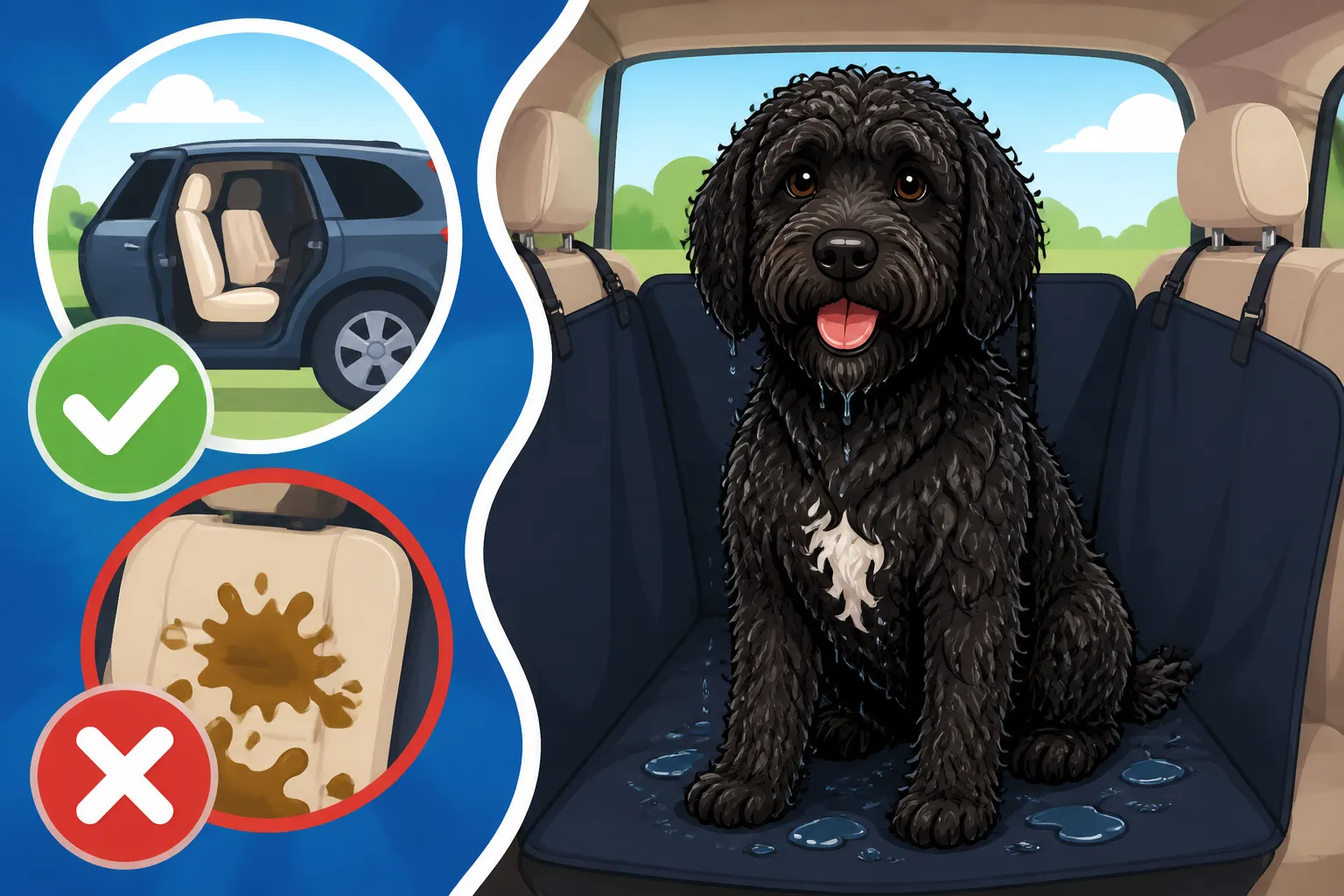
Bringing a dripping wet Portuguese Water Dog directly into your car can lead to a host of problems beyond just a damp seat. The moisture can seep into upholstery, creating an unpleasant mildew smell over time, especially if not dried properly. If your dog was swimming in a muddy lake or river, you're also looking at dirt and debris being tracked into every nook and cranny. Plus, the constant shaking, which is a natural way for dogs to dry themselves, will spray water droplets everywhere—windows, dashboard, and even the headliner.
Beyond the aesthetic and olfactory issues, wet car interiors can also present practical challenges. Slippery seats can make it harder for your dog to maintain balance, especially during turns or stops, which isn't safe for them or for your driving. And let's not forget the potential for rust or damage to electronic components if enough moisture gets into sensitive areas. Investing a little time and effort into preparing for the wet ride home can save you a lot of headache, cleaning, and potentially costly repairs in the long run. Nobody wants their car to become a permanent monument to their dog's love for water!
Essential Gear for a Smooth (and Dry-ish) Ride
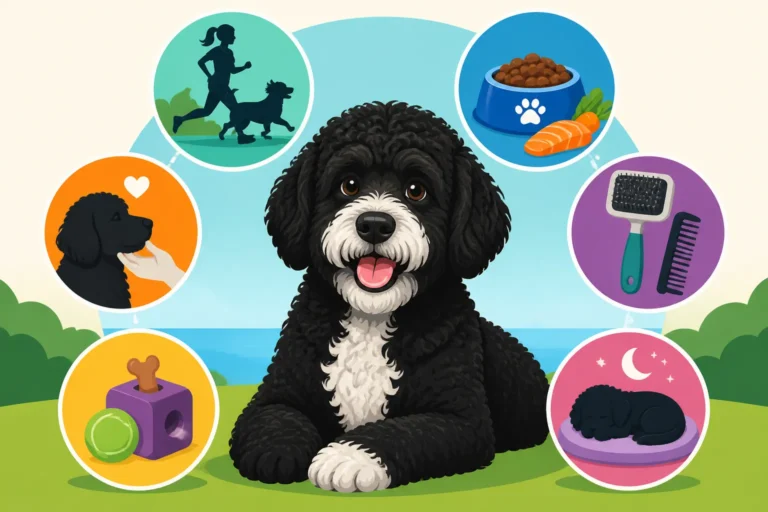
Preparing for the wet ride home means having the right tools at your disposal. This isn't just about convenience; it's about protecting your investment (your car!), ensuring your dog's comfort, and making the post-swim transition as seamless as possible. Think of it as your portable "wet dog management" kit.
Protecting Your Car's Interior
This is arguably the most critical step to prevent your vehicle from becoming a permanent wet dog zone. There are numerous products on the market designed to create a barrier between your soggy PWD and your car's upholstery.
- Waterproof Seat Covers: These are a lifesaver. Look for durable, waterproof materials that cover the entire back seat or cargo area. Many come with anchors that tuck into the seat creases to keep them from sliding around, and some even have side flaps to protect the door panels. A hammock-style cover is excellent as it creates a barrier between the front and back seats, preventing your dog from jumping forward and catching any drips. You can find a huge variety of options on Amazon, ranging from simple bench covers to full cargo liners. Prioritize materials that are easy to wipe down or throw in the washing machine.
- Cargo Liners: If your Portuguese Water Dog rides in the back cargo area of an SUV or hatchback, a heavy-duty, waterproof cargo liner is essential. These often have raised edges to contain water, mud, and hair. Some even extend up the back of the rear seats and sides of the cargo area for maximum protection.
- Heavy-Duty Towels or Blankets: While not as foolproof as a dedicated seat cover, layering several old towels or waterproof blankets can offer a good first line of defense. These are especially useful for those impromptu swims when you might not have your full setup. Just be prepared for them to get saturated quickly and need a good wash afterward. The goal is to absorb as much moisture as possible before it gets to your car's interior.
- Floor Mats: Don't forget the floor! Rubber floor mats are much easier to clean than carpeted ones and can catch any drips that manage to escape the seat covers. You can even layer extra towels on top of the mats for added absorption.
Consider what level of protection you need based on how often your PWD gets wet and how much they tend to shake in the car. It’s better to be over-prepared than to spend hours scrubbing out a persistent wet dog smell.
Drying Solutions for Your PWD
While you won't get your PWD bone-dry in the field, reducing the amount of water they carry into the car makes a huge difference.
- Super Absorbent Towels: Forget your standard bath towels; you need something that can really soak up water. Microfiber pet towels are excellent for this, as they are specifically designed to absorb a high volume of water quickly. Keep at least two or three in your car. Some even come with hand pockets to make toweling off easier. A good rub-down with one of these can remove a surprising amount of surface moisture. This also ties into Drying a Portuguese Water Dog After Every Swim, as the process starts immediately.
- Drying Coats or Robes: These are brilliant for dogs who will tolerate wearing them. A drying coat is essentially a super-absorbent bathrobe for your dog. You can put it on them immediately after a swim, and it will continue to wick moisture from their coat during the ride home. This keeps the car cleaner and helps your dog dry faster, reducing the risk of dampness-related skin issues. They're particularly useful for longer drives.
- Portable Force Dryer: For the truly dedicated (or those with very tolerant dogs), a small, portable force dryer can work wonders for a quick blast before getting into the car. These aren't meant for a full grooming session, but a few minutes can remove a significant amount of water from their dense coat, especially after a dip in the ocean. This might sound excessive, but it can cut down on moisture substantially and helps avoid the 'damp' smell. Many owners find these invaluable, especially if their PWD is regularly swimming. For more on this, you might be interested in Whether a Portuguese Water Dog Tolerates a Dryer.
Managing the Wet Mess: Other Useful Items
Beyond drying and protection, a few other items can make the wet dog transport experience much more manageable.
- Ear Cleaner and Cotton Balls: Portuguese Water Dogs are prone to ear infections due to their love of water and their floppy ears, which trap moisture. Always have a vet-approved ear cleaning solution and cotton balls on hand. As soon as you're done with the swim, a quick wipe down of the visible part of the ear canal can help prevent issues. A deeper clean is often needed once home. This is vital, as Whether a Portuguese Water Dog's Ears Should Be Dried Inside is a common question. If their ear canal traps water, it becomes a breeding ground for bacteria.
- Booties or Paw Wipes: If your PWD has been playing in muddy areas, dog booties can be a temporary solution to keep their paws clean until you get home. Otherwise, a good set of heavy-duty pet paw wipes or a dedicated paw cleaner can help remove dirt and sand before they even step into the car.
- Plastic Bags: For soiled towels, wet drying coats, or any other muddy items, have some plastic bags (like grocery bags or small trash bags) to seal them up and prevent transferring the mess and smell to other items in your car.
- Water Bottle and Portable Bowl: Even after a swim, your PWD might be thirsty from exertion, especially if they've swallowed some lake or ocean water. Offer fresh water before the ride home to help flush out anything they might have ingested.
- Secure Crate or Harness: Even if your dog is wet, safety comes first. A travel crate (especially a wire or plastic one that's easy to clean) or a secure car harness is essential. This also contains the wetness to a smaller, more manageable area. Using a crate is a fantastic solution for a wet dog, as we'll explore later.
Here's a quick comparison of popular car protection options:
| Feature | Hammock Style Seat Cover | Full Cargo Liner | Heavy-Duty Towels/Blankets |
|---|---|---|---|
| Coverage | Backseat floor & seat, often includes front seat back. | Entire cargo area, often sides and back of seats. | Variable, depends on size and placement. |
| Waterproof | High, typically rubberized backing or coated fabric. | High, often thick, molded plastic or rubber. | Low to moderate, depends on material; can soak through. |
| Durability | High, designed for frequent use. | Very High, designed for heavy loads and wear. | Low to moderate, may tear or bunch. |
| Cleanup | Easy wipe-down, machine washable. | Very easy, rinse with hose or wipe down. | Requires washing after each heavy use. |
| Containment | Excellent, forms a barrier, contains loose hair/mud. | Excellent, raised edges contain liquids and debris. | Poor, liquids can seep through or run off. |
| Cost | Moderate | Moderate to High | Low (if using old towels), Moderate (for dedicated pet blankets) |
| Best For | Backseat passengers, frequent wet dogs. | SUVs/Wagons, large breeds, very muddy adventures. | Emergency/occasional use, supplementary protection. |
Having a well-stocked "wet dog" kit in your car means you're always ready for that unexpected splash or planned water adventure.
Practical Strategies for the Ride Home
Getting your PWD from the water to a clean car interior requires a bit of strategy and a well-thought-out routine. It’s not just about the gear; it’s about how you use it and the habits you establish.
Pre-Car Prep
The moments immediately after your Portuguese Water Dog leaves the water are crucial for minimizing the mess.
- The Shake-Off Ritual: Encourage your dog to shake off before getting close to the car. A game of fetch away from the vehicle, or a brief run, can help them expel a lot of excess water. Some dogs respond well to a "shake" command, but even without one, letting them naturally shake several times helps immensely. Remember, their coat really holds water, so multiple shakes are better than one. This is their natural way to shed water, so let them do it to their heart's content, just not next to your open car door.
- Vigorous Towel Drying: This is where your super-absorbent towels come into play. Immediately after the shake-off, give your PWD a thorough rub-down. Pay special attention to their legs, belly, and head. Don't be shy; really get in there and absorb as much moisture as possible. The more water you can remove now, the less will end up in your car. Some owners even bring a small, dedicated chamois cloth for a final pass to really soak up those last drops. This also helps distribute some of the water-resistant qualities of their coat. Remember, a partially dried dog is still much better than a completely saturated one.
- Ear Cleaning: This cannot be stressed enough. After towel drying, use your ear cleaning solution and cotton balls to gently clean the visible parts of their ears. Water trapped in the ear canal is a prime cause of infection. A quick wipe now can prevent painful problems later. This is especially important if your PWD has been diving underwater or has been swimming for an extended period. Whether a Portuguese Water Dog's Ear Canal Traps Water is a critical concern for their health.
- Paw Wipes/Rinse: If there's mud or sand, a quick rinse with a portable water sprayer (many camping stores sell small, handheld pump sprayers) or a thorough wipe with strong pet wipes can save your car's floorboards. Don't let sandy paws grit up your seats!
- Drying Coat Application: If you use a drying coat, put it on your PWD now. It will continue to absorb moisture during the ride home, and if they do a final shake in the car, most of the spray will be contained within the coat itself. It's an excellent way to continue the drying process passively.
During the Drive
Once your PWD is in the car, there are still steps you can take to ensure their comfort and minimize lingering issues.
- Secure Confinement: Whether it's a secured crate or a car harness, ensuring your PWD is safely confined is paramount. Not only is it a safety measure for you and your dog, but it also helps contain the wetness. A plastic or metal crate (lined with towels, of course) is ideal because it's easy to clean. If using a harness and seatbelt, ensure your car seats are fully covered with waterproof material. Whether a Damp Portuguese Water Dog Should Be Crated is often debated, but with proper ventilation and absorbent towels, it's often the best solution for keeping the car clean.
- Ventilation is Key: Even with a protective cover, moisture in the air can contribute to that damp smell. Crack a window or two, even on cooler days, to allow for air circulation. If you have air conditioning, consider running it on a low setting with fresh air intake to help dry the air in the cabin. This helps dissipate the humidity and prevents condensation on windows, which can be a driving hazard.
- Minimize Movement: Encourage your PWD to settle down quietly. The less they move around, the less they'll rub moisture into various surfaces and the less water they'll slosh about. This is where good car manners, perhaps reinforced with training as discussed by BAXTER & Bella, really come in handy.
- Comfort for Your Dog: Even though they're wet, ensure your dog is comfortable. If they're in a crate, make sure there are enough absorbent towels for them to lie on. If they're on a seat, ensure the cover isn't bunching up uncomfortably. A slightly damp dog is still a happy dog, but discomfort can lead to fidgeting and more mess.
Post-Arrival Routine
You've made it home! The battle isn't over yet; a good post-arrival routine is essential for finishing the drying process and keeping your home clean.
- Immediate Release and Drying: As soon as you open the car door, be ready with another towel. Lead your PWD directly to a designated drying area, ideally an area that can handle some water, like a bathroom or mudroom. Give them another vigorous towel dry, or if you have a force dryer, this is the perfect time to use it for a more thorough drying session. Remember, How Long a Portuguese Water Dog Takes to Air Dry is often longer than you think, making a force dryer a real time-saver and health benefit for their skin.
- Remove Car Protection: Take out all your seat covers, towels, and liners. Shake them out outdoors to remove loose hair and debris, then either wash them immediately or hang them to air dry before storing. Don't leave wet items in the car; this is how mildew starts. How Often a Portuguese Water Dog's Bedding Needs Washing applies to car covers too!
- Clean Car Interior: Give your car's interior a quick wipe-down, especially any hard surfaces that might have gotten wet. Vacuum up any lingering hair or dirt once everything is dry. A simple spray of an automotive fabric refresher can also help neutralize any lingering damp smells.
- Full Ear Check and Clean: Once your PWD is mostly dry, perform a more thorough ear check and cleaning. Gently lift their ear flap and look inside for any redness, discharge, or foul odor. Use your vet-approved cleaner. If you suspect an infection, contact your vet.
- Designated "Damp Dog" Zone: Have a specific mat or bed in your home where your PWD can relax and finish air-drying without tracking water everywhere. Some owners have a "towel by the door" policy for this exact reason, as addressed in Whether a Portuguese Water Dog Needs a Towel by the Door. This helps contain any residual moisture and ensures they don't get the furniture wet.
By establishing a consistent routine, you can make the wet Portuguese Water Dog ride home a manageable, rather than miserable, experience.
Training Your PWD for Car Rides (Even Wet Ones)
While gear and routine are crucial, training plays a significant role in making car rides, especially with a wet dog, a much calmer and safer experience. A well-trained Portuguese Water Dog is not only a joy to be around but also much easier to manage in challenging situations, like being soaked to the skin in your vehicle.
Desensitization to the Car
For some dogs, the car itself can be a source of anxiety or over-excitement, which only compounds the challenge when they're wet and prone to shaking or trying to get comfortable. Desensitizing your PWD to the car can turn it into a neutral, even pleasant, space.
- Start Slow and Positive: Begin by simply having your dog approach the car, rewarding calm behavior. Don't even open the door initially. Gradually, work up to having them sit in the car (doors open), then with doors closed, then with the engine on, and finally short drives. Each step should be positive, with treats and praise.
- Make it a Happy Place: Associate the car with good things. Feed them meals in the car (while parked), give them high-value chew toys, or practice short training sessions inside. This helps them view the car as a comfortable extension of their home, rather than just a means to an end.
- Practice Dry Runs: Before a big swim adventure, do several short "dry" car rides to fun places like a park or for a quick treat. This reinforces the positive association without the added stress of being wet. A relaxed dog is less likely to thrash around and make a bigger mess.
- Consistency is Key: Ensure that every car ride, whether long or short, wet or dry, follows a consistent positive routine. This predictability helps reduce anxiety and promotes good behavior.
Crate Training for Car Travel
For many Portuguese Water Dog owners, a travel crate is the ultimate solution for transporting a wet dog. It offers security, contains the mess, and provides a den-like space for your dog.
- Benefits of Crate Travel: A sturdy, well-ventilated crate, ideally made of plastic or wire for easy cleaning, can significantly cut down on mess. It limits your wet PWD's ability to shake water all over your car and keeps them safely confined. Line the bottom with plenty of absorbent towels, and you've got a contained drying station on wheels. Whether a Damp Portuguese Water Dog Should Be Crated becomes a resounding yes when you see how much cleaner your car stays.
- Introducing the Crate in the Car: Just like desensitizing to the car itself, introduce the crate in the car gradually. Start by placing an already crate-trained dog in their crate in the parked car for short periods, again with treats and praise. Slowly increase the duration and introduce short drives.
- Making the Crate Comfortable: Even when wet, the crate should be a comfortable place. Use plenty of soft, absorbent towels that can be easily changed or washed. In cooler weather, ensure the crate isn't directly exposed to cold drafts.
- Security Matters: Always ensure the crate itself is securely fastened in your vehicle so it doesn't slide or tip during transit. There are specialized straps and anchor points available for this purpose.
For excellent resources on crate training and general puppy socialization, resources like BAXTER & Bella offer online programs that can guide you through the process, helping your Portuguese Water Dog become a calm and confident car rider, wet or dry.
Positive Reinforcement for Calm Behavior
Portuguese Water Dogs are intelligent and eager to please, but they also have a mind of their own. Positive reinforcement is the most effective way to train them, especially for behaviors that might go against their instincts, like staying still when they're full of water and excitement.
- Reward the Calm: Actively reward your PWD for calm behavior in the car, even small moments. A quiet sit, a relaxed lie-down, or simply not barking or whining should earn a treat and praise. This teaches them that calm behavior gets them what they want.
- Address Over-Excitement: If your PWD gets overly excited by the prospect of water (or coming home from it), work on impulse control training away from the car. Practice "wait" and "stay" commands in various environments. This will help them learn to control their impulses when the excitement levels are high. Learning to "wait" before bursting out of the car door is a valuable lesson. This can be tied into Teaching a Portuguese Water Dog to Wait on the Bank before jumping into the water, extending that patience to the car.
- Consistency from Everyone: Ensure everyone who interacts with your PWD maintains consistent expectations for car behavior. If one person allows them to jump all over the seats, it undermines the training efforts of another.
- Short, Successful Sessions: Keep training sessions short and positive. End on a high note, even if it means just achieving one small success. This builds confidence and eagerness to learn more.
By combining the right gear, a solid routine, and consistent positive training, you can transform the daunting task of transporting a wet Portuguese Water Dog into a much more manageable and enjoyable part of your shared adventures. Your car (and your nose) will thank you!
Disclaimer
This article is for general informational purposes only and does not constitute professional advice. Laws, prices and regulations vary by location and change over time. Consult a qualified professional for guidance on your specific situation.