When a Portuguese Water Dog Should Be Walked Midday
One common concern I hear from Portuguese Water Dog owners, especially as the seasons change, is trying to figure out the best time for walks. It’s not always straightforward, especially when life gets busy and that midday slot feels like the only option. Knowing whether it’s truly safe to take your energetic companion out when the sun is high can be a real source of worry. This guide will help you understand the factors involved in midday walks for your Portuguese Water Dog, offering practical advice to keep them happy and healthy, even when the thermometer starts to climb.
Understanding Your Portuguese Water Dog's Heat Tolerance
Portuguese Water Dogs are an amazing breed, renowned for their athleticism, intelligence, and undeniable love for water. But sometimes, these very traits can lead us, their devoted humans, to misjudge their limits, especially when it comes to heat. We see their boundless energy, their thick, often black or dark brown coats, and we might assume they're tougher than they are in all conditions. The truth is, while they are certainly robust, they aren't immune to overheating, and their history gives us clues as to why.
Think about their origins: they were bred to work with fishermen along the Portuguese coast, plunging into the Atlantic to retrieve nets, lost tackle, and even drive fish into nets. This tells us they thrive in cool water and often cooler coastal climates, not baking hot pavements or stagnant summer air. Their unique, single coat, whether curly or wavy, is fantastic for insulation against cold water and quick drying, but it can also trap heat when they're on land in warm conditions. It's not a double coat that sheds to a lighter summer version; it's a consistent, dense barrier. This means they rely heavily on panting to cool down, and if the air itself is hot and humid, that mechanism becomes much less efficient. Knowing What a Portuguese Water Dog Was Bred to Do on a Boat helps set the context for their physical capabilities and limitations.
The Impact of Their Coat and Activity Level
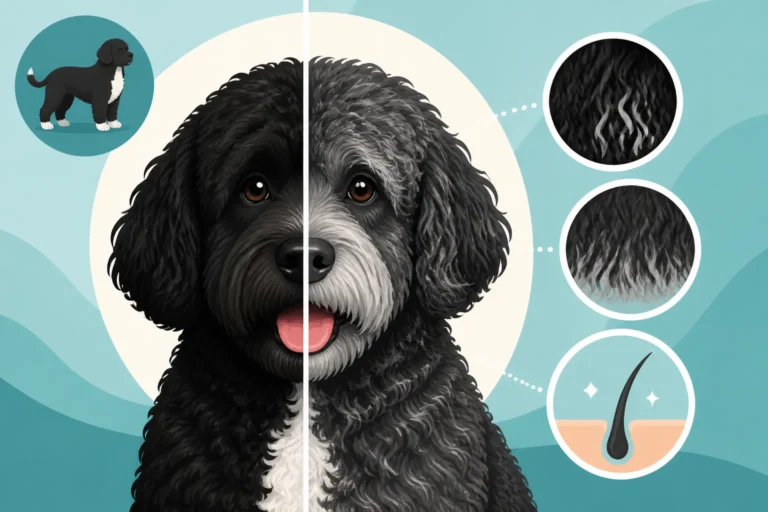
Their signature coat, which is often lauded as "hypoallergenic" because it doesn't shed like many other breeds, needs our careful consideration. While it helps keep them warm in chilly water, it doesn't offer the same kind of temperature regulation on hot land. Imagine wearing a thick wool sweater on a summer day – that's somewhat akin to what our PWDs experience. Darker coats absorb more heat, too, making those beautiful black and brown dogs even more susceptible to the sun's intensity.
Combine this with their naturally high energy levels and their desire to go, go, go, and you have a recipe for potential trouble. A Portuguese Water Dog isn't typically content with a leisurely stroll around the block; they crave vigorous exercise and mental stimulation. An owner might think a quick midday walk is fine because their dog seems eager, but that eagerness can mask the early signs of overheating. They have a strong working drive, and they'll often push themselves past comfort if they're engaged in an activity they love, like a spirited game of fetch or a long walk. This is why understanding How Much Exercise a Portuguese Water Dog Needs is critical, and why that exercise often needs to be carefully scheduled.
Individual Differences and Health Considerations
Just like people, individual Portuguese Water Dogs can have different tolerances for heat. A younger, more robust dog might seem to handle it better than an older or less conditioned one. Dogs with underlying health conditions, such as cardiac issues or respiratory problems, are at significantly higher risk. Even a dog that seems perfectly healthy can be more sensitive to heat on a given day if they're a bit dehydrated or haven't had adequate rest.
It's also worth remembering that their paws are directly exposed to the ground. Pavement, asphalt, and even artificial turf can become incredibly hot, reaching temperatures that can burn paw pads in mere minutes. A general rule of thumb is to place the back of your hand on the pavement for five to seven seconds; if it's too hot for your hand, it's definitely too hot for your dog's paws. This is a crucial, often overlooked factor when considering a midday outing.
Reading the Signs: Is It Too Hot for a Midday Walk?
Determining if it's safe for a midday walk isn't just about looking at the thermometer, though that's certainly a big part of it. It's about combining environmental clues with keen observation of your specific Portuguese Water Dog. They can be stoic, sometimes pushing through discomfort because they want to please you or simply because they're driven. It's our job to be their advocates and protect them from their own enthusiasm. The last thing we want is for our beloved companion to suffer from heatstroke, which can come on surprisingly fast and be deadly. You really need to be vigilant about Whether a Portuguese Water Dog Overheats in Summer.
Environmental Clues: Beyond the Air Temperature
While a general guide might say "don't walk above X degrees," that's an oversimplification. Humidity plays a huge role. When the air is humid, your PWD's ability to cool itself through panting is severely hampered because the evaporating moisture from their tongue and respiratory tract has nowhere to go. A 75-degree day with high humidity can be far more dangerous than an 85-degree dry day.
Consider the sun's intensity. Is it a bright, cloudless day with direct sun beating down, or is it overcast? Shade offers some respite, but if you're walking mostly in direct sun, that heat absorption, especially for dark-coated dogs, is significant. Think about the surface you'll be walking on. As mentioned earlier, pavement can be scorchingly hot. Even grass can get quite warm, but it’s generally much safer than asphalt. Concrete, while often cooler than blacktop, still absorbs and radiates heat.
Wind can be a double-edged sword. A gentle breeze might feel nice, but if it's a hot, dry wind, it can actually accelerate dehydration. Also, remember that temperatures are often taken in the shade; the "feels like" temperature in direct sun on a hot surface can be significantly higher.
Behavioral Cues From Your Portuguese Water Dog
Your dog will try to tell you if they're struggling, but you need to know what to look for. Early signs of overheating are subtle and easily missed:
- Excessive Panting: More than usual for their activity level, with deep, rapid breaths.
- Dark Red Gums: Check their gums – they should be pink. If they're bright red, it's a warning sign.
- Drooling: More drool than typical, or thicker, ropy drool.
- Lethargy or Slowing Down: They might lag behind, seem less enthusiastic, or even try to sit or lie down during the walk. This is a critical sign to heed immediately.
- Seeking Shade: They might actively try to walk on the shady side of the street or pull towards any available cover.
- Warm to the Touch: Feel their ears or belly. If they're unusually warm, they're retaining too much heat.
As overheating progresses, the signs become more severe and require immediate veterinary attention:
- Stumbling or Disorientation: They might seem wobbly or confused.
- Vomiting or Diarrhea: This indicates severe distress.
- Glassy Eyes: Their eyes may appear glazed or unfocused.
- Collapse or Seizures: This is an emergency.
If you see any of these signs, even the subtle ones, stop immediately. Get your dog into the shade, offer water, and consider using cool (not icy) water on their paws, belly, and inner thighs to help them cool down. A small, portable cooling mat, easily found on Amazon or Chewy, can be a lifesaver to carry in your car for emergencies. Knowing What a Portuguese Water Dog Needs Every Day includes being attuned to their comfort and well-being.
Here’s a quick guide to help you assess midday walking conditions:
| Air Temperature (Fahrenheit) | Humidity Level | Pavement Temperature (Approx.) | Recommendation for PWDs |
|---|---|---|---|
| Below 60°F | Any | Safe | Generally safe for walks |
| 60-75°F | Low | Warm, often safe | Monitor for exertion |
| 60-70°F | Moderate-High | Warm, can be too hot | Shorter walks, shady areas, consider water activities |
| 75-85°F | Low | Hot, potentially burning | Avoid pavement, very short walks on grass/dirt, prioritize water activities |
| 75-85°F | Moderate-High | Very Hot, burning | Avoid midday walks entirely, seek indoor exercise or early/late outings |
| Above 85°F | Any | Extremely Hot, dangerous | Absolutely no midday walks, risk of heatstroke is high |
This table is a general guide. Always observe your individual dog and local conditions.
Strategies for Safe Midday Activity (When It's Necessary)
Sometimes, despite our best intentions, a midday outing might be unavoidable, or your Portuguese Water Dog simply has an unshakeable need for activity that can't be fully met by early morning or late evening romps. The key here is adaptation and alternative activities that prioritize their safety. It's not about replicating a long, strenuous walk; it's about smart, safe engagement.
If you absolutely must take them out during the hotter parts of the day, keep it short, purposeful, and as cool as possible. A quick potty break on a shady patch of grass, rather than a full walk, is often the best approach. Don't push them for distance or speed. Focus on getting them in and out of the heat efficiently. This might be especially true if you live in an urban environment where shady, grassy areas are scarce, which presents a real challenge for many owners.
Alternatives to Midday Walks
The best strategy for active breeds like the Portuguese Water Dog during warm midday hours is often to shift their primary exercise to cooler parts of the day – early mornings or late evenings. But what about that midday energy burst? This is where their love for water truly shines.
- Swimming: This is by far the best option for a PWD in warm weather. A trip to a local dog-friendly beach, a lake, or even a backyard kiddy pool can provide fantastic, low-impact exercise while keeping them cool. Just remember to rinse their coat thoroughly afterward, especially if they've been in salt water or chlorinated pools, to prevent skin irritation. Drying them properly is crucial, as their dense coat can hold moisture against the skin, leading to hot spots or ear infections. Drying a Portuguese Water Dog After Every Swim is a whole routine, not just a quick towel-off. And while they love water, be mindful of Why a Swimming Dog Gets Ear Infections and check their ears regularly.
- Indoor Mental Stimulation: On days when outdoor heat is just too much, pivot to indoor activities. Puzzle toys, training sessions with new tricks, or even hide-and-seek with treats can burn mental energy effectively. Brands like Chewy offer a wide range of interactive toys that can keep intelligent breeds like PWDs engaged. You can also work on obedience cues in short bursts, using their mealtime kibble from a brand like Ollie as high-value rewards to make training extra motivating.
- Shaded Play: If you have a large, heavily shaded yard, short sessions of fetch or tug on the grass can be an option, but monitor them constantly for signs of overheating. Always have fresh water readily available.
Essential Precautions for Warm Weather Outings
If a midday walk, even a short one, is genuinely necessary, implement every precaution possible.
- Timing: Aim for the coolest possible time within the midday window, usually very early in the morning or as late in the afternoon as possible. Avoid the peak heat between 10 AM and 4 PM.
- Route Selection: Stick to shaded paths, grass, or dirt trails. Avoid pavement at all costs. If you must cross a road, move quickly.
- Hydration: Always carry fresh, cool water for your dog and offer it frequently. A portable water bottle with an attached bowl, readily available on Amazon, is invaluable. Make sure they drink before you leave and immediately upon return.
- Paw Protection: Dog booties can protect paws from hot surfaces, but ensure they are breathable and fit properly to avoid rubbing. They take some getting used to, so practice beforehand.
- Cooling Gear: Consider a cooling vest or bandanna, which typically use evaporative cooling. Soak them in cold water before putting them on your dog.
- Know Your Dog: Every PWD is an individual. Observe your dog's specific tolerance. Some might be fine with a short, shaded stroll in moderate heat, while others will struggle quickly. If your dog has a dark coat, they may struggle more in direct sun. How a Portuguese Water Dog's Coat Holds Water also means it can hold heat.
The Importance of Hydration and Gear for Warm Weather
Keeping your Portuguese Water Dog properly hydrated and equipped with the right gear are non-negotiable aspects of warm weather care. These aren't just good ideas; they're essential safety measures that can prevent serious health issues, especially if you ever find yourself needing to be out during less-than-ideal midday temperatures.
Water, as you know, is critical for all living things, but for active dogs like PWDs, especially those expending energy in warmer weather, their fluid needs soar. Panting, their primary cooling mechanism, causes significant water loss. Replenishing these fluids constantly is vital for maintaining their body temperature and overall health.
Keeping Your PWD Hydrated
It's not enough to just offer water when you get home; consistent hydration is key throughout the day, and particularly around exercise.
- Before, During, and After Exercise: Make it a habit to offer water before you even head out, even for a short trip. During the walk, especially if it's longer or warmer, stop every 15-20 minutes to give them a drink. And as soon as you get back, have a fresh bowl ready.
- Portable Water Solutions: Invest in a good portable dog water bottle or collapsible bowl. These are small, lightweight, and easy to carry on every outing. You can find excellent options on Chewy or Amazon. Don't rely on finding public water sources, which might not be clean or available.
- Water-Rich Foods: Some owners opt for fresh, human-grade dog food, like that offered by Ollie, which tends to have a higher moisture content than dry kibble. This can contribute to overall hydration. You can also add a splash of water to their kibble or offer frozen treats (like ice cubes or frozen broth) to encourage more fluid intake.
- Monitor Water Intake at Home: Always ensure your dog has access to fresh, clean water bowls in multiple locations around the house. If they've been particularly active or it's been a hot day, you might notice them drinking more than usual – this is normal and good.
Essential Gear for Warm Weather Safety
Beyond water, a few pieces of gear can make a significant difference in your Portuguese Water Dog's comfort and safety.
- Cooling Vests and Bandannas: These work by evaporative cooling. You soak the vest or bandanna in cold water, wring it out, and put it on your dog. As the water evaporates, it draws heat away from their body. This can be especially helpful for PWDs with their dense coats, as it provides a direct cooling effect. Just make sure the vest isn't too heavy or restrictive.
- Paw Protection Booties: As previously mentioned, pavement and other surfaces can get dangerously hot. Dog booties provide a protective barrier. They do require some training for your dog to get used to them, so introduce them gradually with positive reinforcement well before you actually need them.
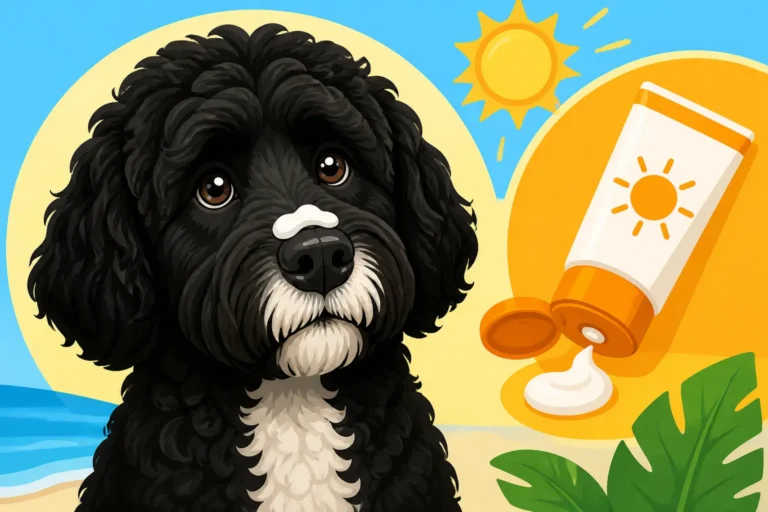
- Shade and Shelter: While not gear you wear, having access to shade is paramount. If you're going to be outdoors for a while, consider bringing a small, portable shade tent for your dog. Even an umbrella can provide a vital spot of relief from direct sun. Remember, Whether a Clipped Portuguese Water Dog Sunburns is a real concern, so shade is vital.
- First-Aid Kit with Cooling Supplies: Always have a basic first-aid kit, including some cooling items. Things like instant cold packs (never apply directly to skin, wrap in a cloth), a small spray bottle for cool water, and extra drinking water can be critical in an emergency. Being prepared for unexpected overheating is part of being a responsible PWD owner.
By understanding the unique needs of your Portuguese Water Dog, reading both environmental and behavioral cues, and proactively using smart strategies and gear, you can ensure their health and happiness even when the sun is blazing.
Disclaimer
This article is for general informational purposes only and does not constitute professional advice. Laws, prices and regulations vary by location and change over time. Consult a qualified professional for guidance on your specific situation.