Whether a Portuguese Water Dog Should Be Allowed to Sleep Damp
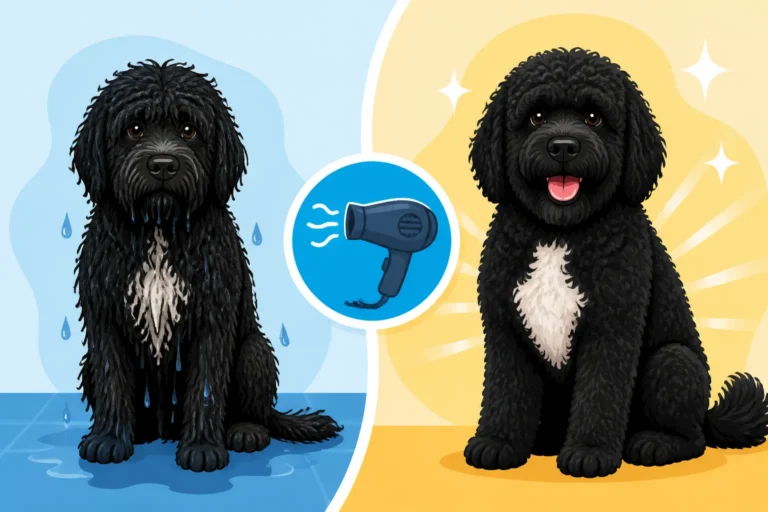
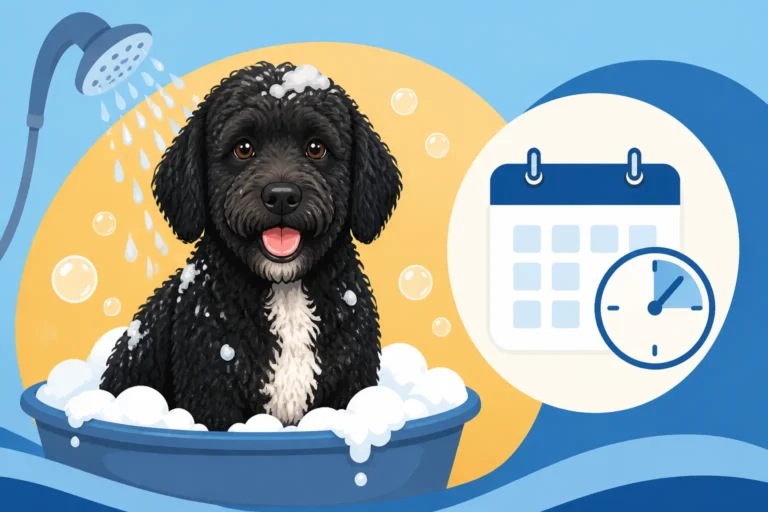
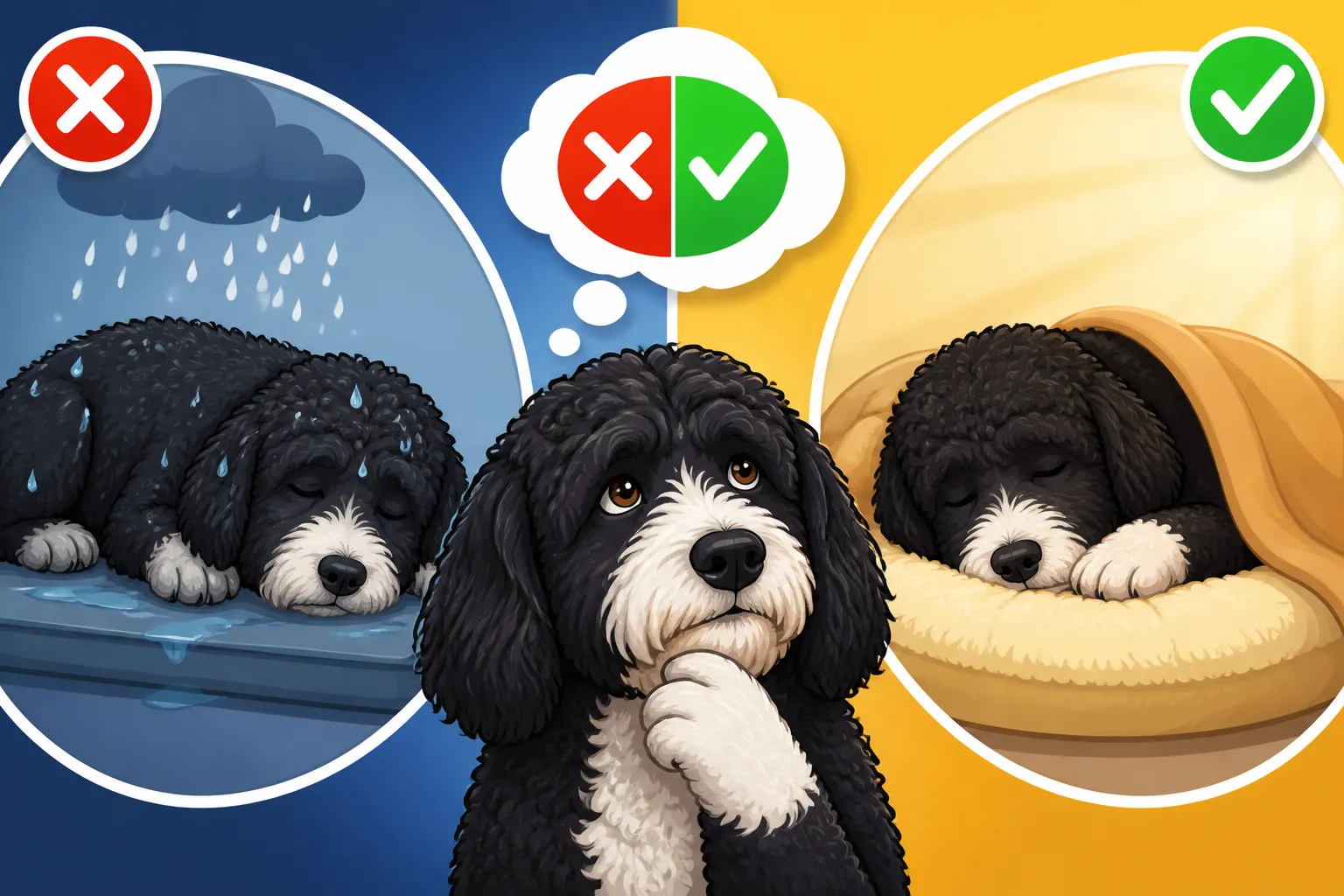
It's a familiar sight for any Portuguese Water Dog owner: your beloved companion, dripping wet and full of joy after a vigorous swim, shaking off water with gusto. The natural inclination might be to let them air dry, especially if they're settling down for a nap in their favorite spot. But here's the honest truth, my friends, that dampness, while seemingly harmless, can actually be a ticking time bomb for a host of skin and coat issues. This guide is all about diving deep into why a Portuguese Water Dog should absolutely not be allowed to sleep damp, and how to keep them healthy, happy, and thoroughly dry after every aquatic adventure.
The Risks of a Damp Coat on Your Portuguese Water Dog
You might think a damp coat is just a minor inconvenience, perhaps leading to a "wet dog smell" that permeates your home. But for a Portuguese Water Dog, whose unique coat is designed to repel water yet also insulate, persistent dampness can lead to a cascade of health problems. It's not just about comfort; it's about preventing painful and costly conditions.
Skin Irritation and Hot Spots
Imagine wearing wet clothes for hours on end; your skin would get irritated, right? The same principle applies to your Portuguese Water Dog. Their dense, often curly or wavy coat, when left damp, creates a warm, moist environment right against their skin. This is the perfect breeding ground for bacteria and yeast, which naturally live on a dog's skin. When these organisms multiply out of control, they can cause a condition known as acute moist dermatitis, or "hot spots."
Hot spots appear as red, raw, inflamed lesions that can pop up seemingly overnight. They are incredibly itchy and painful, causing your dog to lick, chew, and scratch the area incessantly, which only makes the problem worse. They can spread rapidly and become quite large, requiring veterinary intervention with antibiotics, anti-inflammatory medications, and often, shaving the area to allow it to dry and heal. Preventing hot spots is far easier than treating them, and a crucial first step is ensuring your dog's skin and coat are thoroughly dry after every swim or bath. Whether a Portuguese Water Dog Gets Hot Spots is a common concern among owners precisely because of this predisposition.
Persistent Ear Infections
Portuguese Water Dogs adore the water, which is one of their most charming traits. However, all that swimming can lead to water getting trapped deep within their ear canals. Their ears, much like their coats, are designed to keep water out, but if water does get in and stays there, it's problematic. Add a damp coat around the ears, which can also hold moisture against the skin, and you've got a double whammy for ear infections.
The warm, dark, moist environment of a damp ear canal, often exacerbated by a thick curtain of hair, is an ideal incubator for bacterial and yeast infections. You might notice your dog shaking their head, scratching at their ears, or a foul odor coming from the ear. Untreated ear infections can be incredibly painful, lead to chronic issues, and in severe cases, even affect hearing. Regularly checking and drying your Portuguese Water Dog's ears after every water exposure is paramount. Why a Portuguese Water Dog's Ear Canal Traps Water explains this further and highlights the importance of proactive care.
Coat Matting and Skin Problems
The Portuguese Water Dog's coat, whether curly or wavy, is a marvel, but it's also prone to matting if not properly cared for. When a coat is left to air dry, especially if it's not brushed out first, the individual hairs can clump together. As the water evaporates, these clumps tighten and form dense mats, often right against the skin.
Mats are not just a cosmetic issue. They pull on the skin, causing discomfort and pain, and can restrict blood flow. Even worse, they create an anaerobic environment underneath them, further trapping moisture and promoting skin irritation, bacterial growth, and yeast infections. Mats can also hide parasites and make it difficult to detect underlying skin issues. Over time, severe matting can lead to skin infections and even necrosis if the blood supply is cut off. Dealing with a matted coat often requires professional grooming, which can be time-consuming and expensive, sometimes necessitating a complete shave-down. Whether a Portuguese Water Dog Mats After Swimming is a very real concern, and preventing it starts with proper drying and brushing.
Why Portuguese Water Dog Coats Stay Wet
Understanding why your Portuguese Water Dog's coat takes so long to dry is key to appreciating why letting them stay damp is such a bad idea. It's not like a short-haired dog that can shake once and be mostly dry; their coat is a finely tuned piece of aquatic engineering.
The Unique Composition of Their Coat
The Portuguese Water Dog possesses a single coat, meaning they lack an insulating undercoat. This might make you think they'd dry quickly, but it's actually the opposite. Their coat is incredibly dense, thick, and comes in two textures: tight curls or wavy. Both types are designed to be water-repellent, shedding water from the outer layer, but the individual hairs themselves are quite absorbent and compact. This creates a barrier that keeps water on the dog, rather than soaking into their skin immediately, which was a huge advantage for fishermen working in cold Atlantic waters.
However, this density also means that once water penetrates the outer layer, it gets trapped within the labyrinth of curls or waves close to the skin. It's like a highly effective sponge that resists initial saturation but then holds onto moisture tenaciously. Air has difficulty circulating through such a dense, water-logged coat, significantly slowing down the natural evaporation process. This means your dog will stay damp for far longer than you might expect, sometimes hours, or even overnight, creating the perfect conditions for the problems we discussed. Why a Portuguese Water Dog's Coat Holds Water dives into the science behind this amazing, yet high-maintenance, feature.
Insulation and Moisture Retention
The Portuguese Water Dog's coat served a vital purpose for their working ancestors: insulation. In the frigid waters of the Portuguese coast, their coat acted like a natural wetsuit, protecting them from hypothermia. This insulating quality, while brilliant for cold-water work, also contributes to its slow drying time. The tightly packed hairs, combined with the natural oils in the coat, create a thermal barrier that traps warmth and, unfortunately, moisture close to the body.
This trapped moisture, unable to quickly evaporate due to the coat's density and insulating properties, becomes a breeding ground for problems. It’s not simply "air drying"; it's more like slow-baking the skin in a humid environment. This prolonged dampness is exactly what irritates the skin, encourages bacterial and yeast overgrowth, and leads to matting. Relying solely on air drying, especially in a cool or damp environment, is essentially asking for trouble for your water dog's skin and coat health.
Best Practices for Drying Your Portuguese Water Dog
Given the risks and the nature of their coats, allowing a Portuguese Water Dog to sleep damp is simply not an option for responsible owners. Thorough and proper drying is a non-negotiable part of their care, just as important as feeding and exercise. It might seem like a lot of work, but with the right tools and routine, it becomes second nature.
Towel Drying and Initial Absorption
Immediately after your Portuguese Water Dog finishes their swim or bath, the first step is always thorough towel drying. Don't just pat; really work those towels into the coat to absorb as much surface water as possible. Use highly absorbent towels, such as microfiber dog towels, which are much more effective than standard bath towels. You can find excellent options on Amazon or at your local pet supply store like Chewy.
Start by gently squeezing excess water from their legs and tail, then move to their body, head, and ears. Don't rub vigorously, as this can tangle the coat and start the matting process. Instead, blot and press the towel against the coat, working in sections. You'll likely go through several towels, especially with a larger or very wet dog. The goal here is to remove as much moisture as you can before moving to the next stage, making the subsequent drying steps more efficient.
The Power of a Force Dryer
For a Portuguese Water Dog, a force dryer (also known as a high-velocity dryer) is an absolute game-changer and, dare I say, an essential tool. This isn't your human hairdryer; a force dryer uses high-volume, unheated or slightly warmed air to literally blow water out of the coat, not just evaporate it. It's crucial for getting down to the skin and ensuring deep dryness.
Start with the dryer on a lower setting to acclimate your dog, gradually increasing the power as they get comfortable. Direct the nozzle close to the skin, parting the coat with your free hand to allow the air to penetrate. Work systematically through their entire body, paying special attention to dense areas like the mane, tail, and legs, and of course, the ears. Force drying not only dries the coat quickly and thoroughly but also helps to de-shed loose hair and prevent mats from forming. It might take 20-45 minutes depending on your dog's size and coat density, but it's an investment in their health. What a Force Dryer Does for a Portuguese Water Dog provides more detail on this invaluable tool.
Brushing and Final Touches
As you force dry, or immediately after, use a slicker brush and a metal comb to work through the coat. Brushing while the coat is still slightly damp (but not soaking wet) and especially during force drying helps to straighten the curls or waves, allowing the air to reach all the way to the skin. This also ensures that no mats are forming as the coat dries.
Once the coat feels completely dry to the touch, run your fingers through it all the way to the skin in various places. You should feel no dampness whatsoever. Pay extra attention to common matting areas like behind the ears, armpits, and groin. A final comb-through will ensure every last tangle is out and the coat is fluffy and dry. This entire process, from toweling to final brushing, is what Drying a Portuguese Water Dog After Every Swim is all about. It's an important routine that keeps their coat healthy and their skin free from irritation.
Preventing Issues: Daily Care for the Water-Loving Portuguese Water Dog
Beyond the immediate drying after a swim, a consistent care routine is vital to prevent long-term issues associated with their water-loving nature and unique coat. Proactive care is always more effective and less stressful than reactive treatment.
Regular Grooming and Coat Maintenance
The Portuguese Water Dog's coat demands attention, whether they've been swimming or not. Regular brushing, ideally several times a week, is key to preventing mats from forming and maintaining skin health. Even if your dog hasn't been in the water, their dense coat can still collect debris and start to tangle. A good slicker brush and a sturdy metal comb are your best friends here.
For those who prefer professional grooming, establishing a regular schedule – typically every 6-8 weeks – is crucial. A skilled groomer understands the PWD coat and can ensure it's thoroughly brushed out, clipped to an appropriate length, and free of any hidden mats. If you're doing home grooming, invest in quality clippers and learn proper techniques. The choice of shampoo also matters; opt for a mild, moisturizing dog shampoo to maintain skin and coat health. You can find highly-rated dog grooming supplies, including brushes, combs, and shampoos, from retailers like Chewy or Amazon.
Here's a quick comparison of drying methods:
| Method | Pros | Cons | Effectiveness for PWDs | Effort Level |
|---|---|---|---|---|
| Air Drying | No equipment needed, natural. | Very slow, high risk of mats/skin issues, wet dog smell. | Very Low | Low |
| Towel Drying Only | Removes surface water, accessible. | Doesn't get to the skin, coat remains damp underneath. | Low | Medium |
| Force Dryer | Fast, thorough, gets to the skin, prevents mats. | Requires equipment, can be noisy, dogs need acclimation. | Very High | High |
| Hairdryer (Human) | Accessible, warm air. | Too hot, can burn skin, slow, not powerful enough to blow water out. | Low (dangerous) | Medium |
Dedicated Ear Care Routine
Given their propensity for ear infections, your Portuguese Water Dog needs a dedicated ear care routine, especially if they are frequent swimmers. After every swim, gently clean and dry their ears. Use a soft cloth or cotton ball to wipe the visible parts of the ear canal. For deeper cleaning and drying, use a veterinarian-approved ear cleaning solution designed to dry out the ear canal. Apply a few drops, massage the base of the ear, and then let your dog shake their head to dislodge debris and excess cleaner. Wipe away any discharge.
Some owners also find it helpful to gently pluck excess hair from inside the ear canal, as directed by their vet or groomer, to improve air circulation. However, this should only be done if you know how or by a professional, as improper plucking can cause irritation. Keep an eye out for any signs of infection, such as redness, swelling, discharge, or a foul odor. Early detection makes treatment much easier. How Often a Portuguese Water Dog Gets an Ear Infection is a testament to the importance of this preventative measure.
Nutritional Support for Skin and Coat Health
A healthy coat and skin start from the inside out. Providing your Portuguese Water Dog with a high-quality, balanced diet is fundamental. Look for dog foods that list real meat as the first ingredient and are rich in omega-3 and omega-6 fatty acids, which are vital for skin barrier function and coat luster. Brands like Ollie offer fresh, human-grade food options that can contribute to overall skin health.
If your dog is prone to skin issues despite proper drying and grooming, discuss dietary changes or supplements with your veterinarian. They might recommend specific supplements like fish oil, or a prescription diet formulated for sensitive skin. Ensuring your dog is at a healthy weight also plays a role, as obesity can exacerbate skin folds and increase the risk of skin infections. Good nutrition helps bolster their natural defenses against the common problems that can arise from their love of water.
By understanding the risks, respecting the unique qualities of their coat, and implementing a consistent drying and grooming routine, you can ensure your Portuguese Water Dog stays healthy and comfortable, ready for their next big splash without any worries.
Disclaimer
This article is for general informational purposes only and does not constitute professional advice. Laws, prices and regulations vary by location and change over time. Consult a qualified professional for guidance on your specific situation.