Whether a Portuguese Water Dog Overheats in Summer
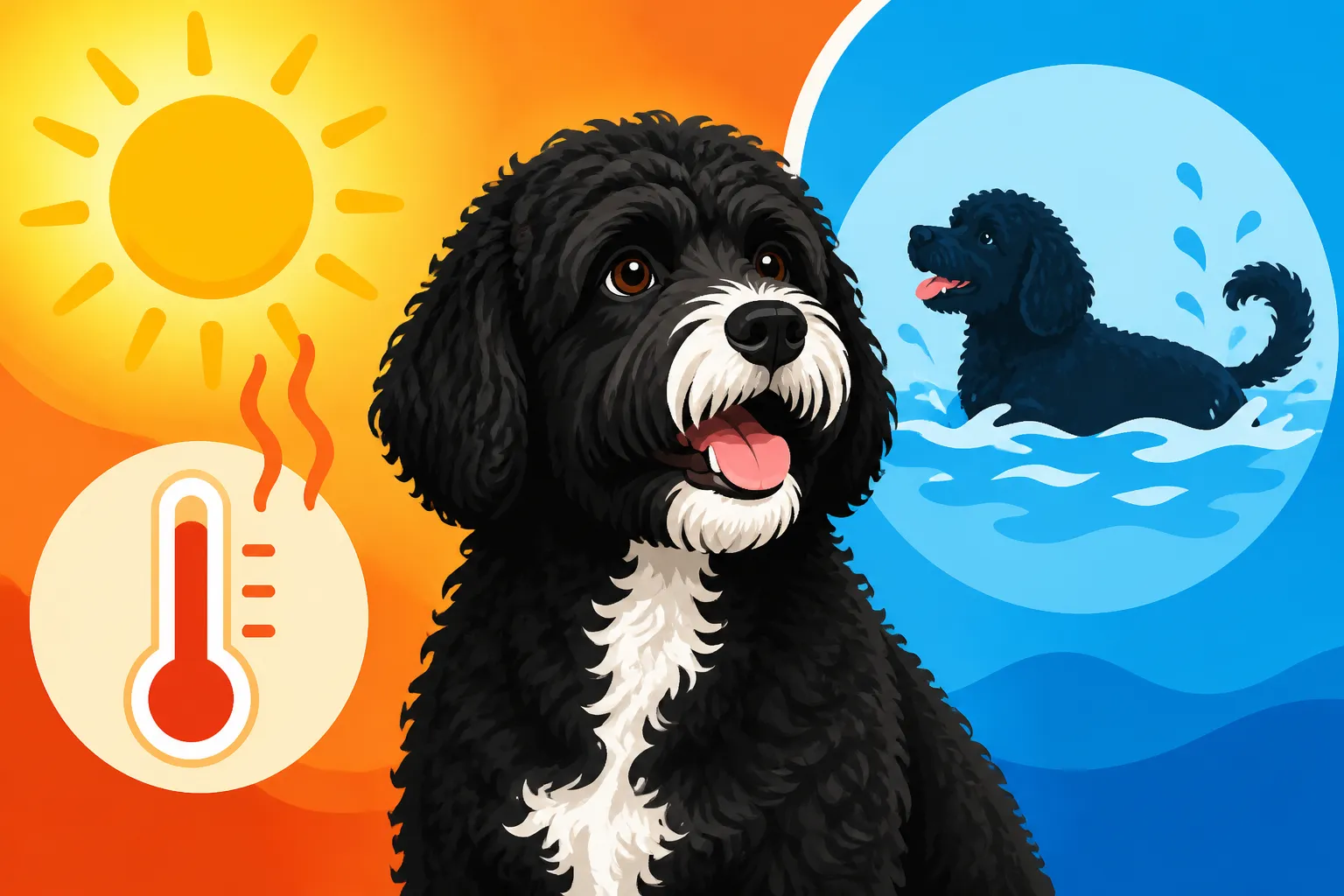
It's a common worry for any doting Portuguese Water Dog owner when the temperatures start to climb: can my beloved PWD, with that thick, sometimes dense, coat, really handle the summer heat? Many of us instinctively feel that fluffy coats equal overheating risk, and you're not wrong to be concerned. This guide will walk you through the nuances of how Portuguese Water Dogs manage in warm weather, offer crucial prevention strategies, and arm you with the knowledge to keep your water dog safe and comfortable all season long.
Understanding Your Portuguese Water Dog's Heat Tolerance
Our Portuguese Water Dogs are renowned for their incredible coats, which are practically a marvel of nature. But this very feature, so perfect for diving into chilly waters, can make us nervous when the sun is blazing. It's not just about the hair itself, but how their bodies are designed to work.
The PWD Coat and Heat Regulation
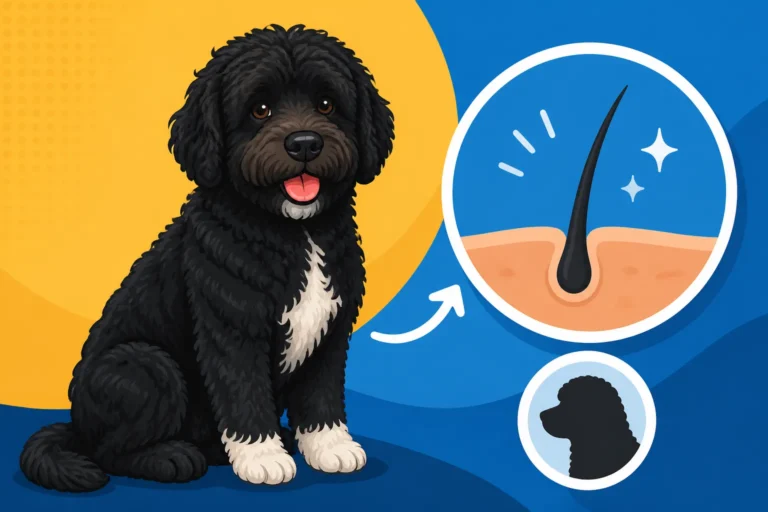
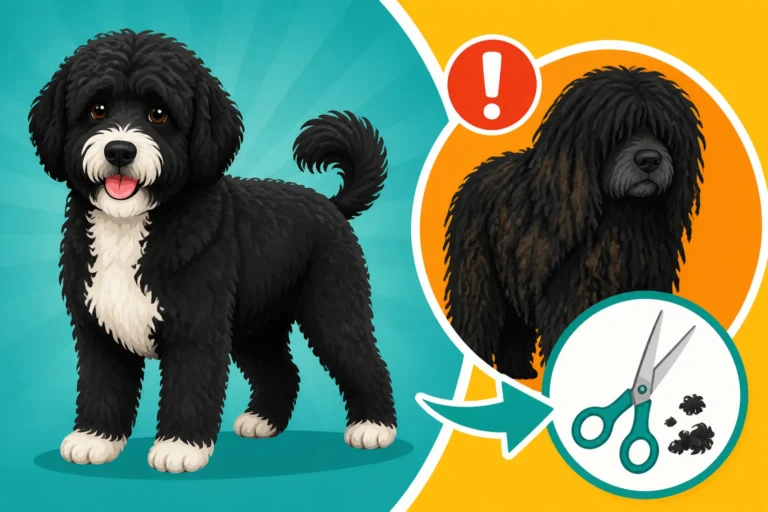
Unlike many breeds that have a double coat and "blow" their undercoat for summer, the Portuguese Water Dog boasts a single coat. This coat, whether curly or wavy, is a remarkable insulator. In cold water, it traps air to keep them warm. In hot weather, it can actually work to insulate them from the heat, much like how desert dwellers wear loose-fitting clothing. However, this is only effective if the coat is kept clean, knot-free, and well-maintained. A matted coat, for instance, prevents air circulation and becomes a significant heat trap, making a dog far more susceptible to overheating. It's a delicate balance, and understanding this unique coat is the first step in ensuring their comfort. Think of it as a finely tuned wetsuit that works both ways – great for keeping warmth in, but also excellent at keeping excess heat out when properly managed.
Factors Influencing Heat Risk
While their coats play a role, many other elements contribute to how well your Portuguese Water Dog can cope with rising temperatures. It’s never just one thing; it’s a combination.
First, humidity is often a silent enemy. Dogs cool themselves primarily by panting, which evaporates moisture from their tongues and respiratory tracts. When the air is thick with humidity, this evaporation process becomes much less efficient, making it harder for your PWD to cool down effectively. A 90-degree day in Arizona might feel more tolerable to a PWD than a 75-degree day in Florida with high humidity.
Activity level is another huge factor. A PWD resting indoors will have a much lower risk than one out on a long walk or, especially, vigorous play. Their innate drive to retrieve and work can sometimes override their sense of self-preservation, pushing them past their limits if we're not careful. We need to be their responsible thermometer.
Age and underlying health conditions also play a significant role. Puppies and senior dogs are generally more vulnerable to heat. Puppies haven't fully developed their thermoregulation systems, and older dogs might have health issues like heart conditions or compromised respiratory function that make them less able to cope with heat stress. Just like us, a PWD with Addisons Disease Is Common in Portuguese Water Dogs might have different heat tolerances than a perfectly healthy young adult.
Finally, acclimation matters. A Portuguese Water Dog that has spent its whole life in a cooler climate and is suddenly exposed to a heatwave will be at higher risk than one that has gradually adjusted to warmer temperatures over weeks or months. It’s always best to introduce them to changing weather conditions gradually.
Preventing Overheating in Your Portuguese Water Dog
Prevention is always the best medicine, especially when it comes to the dangers of heatstroke. A proactive approach to summer care can make all the difference for your Portuguese Water Dog.
Smart Exercise Schedules and Locations
Your PWD is an active breed, no doubt about it. They thrive on mental and physical stimulation. But in summer, we need to adjust when and where that exercise happens.
The golden rule is to avoid the hottest parts of the day. This typically means early mornings and late evenings. A brisk walk or a lively game of fetch at 7 AM is far safer than one at 2 PM. Pay attention to the ground temperature, too. Asphalt and concrete can absorb and radiate heat, becoming scorching hot, easily burning sensitive paw pads. If you can't comfortably hold your hand on the pavement for five seconds, it's too hot for your dog's paws. Stick to grassy areas or shady trails, and always keep their feet in mind.
Swimming is often touted as the perfect summer exercise for a Portuguese Water Dog, and it absolutely can be! It allows them to cool their core temperature while expending energy. However, even in water, overheating can occur, especially if they are working intensely in very warm water or if the air temperature is high. Ensure they have breaks and access to shade. Also, after a swim, it's crucial to dry their ears thoroughly to prevent infections, which can be a recurring issue for water-loving dogs. You can learn more about this in Why a Portuguese Water Dog's Ear Canal Traps Water.
Hydration and Cooling Strategies
Keeping your PWD well-hydrated is non-negotiable. Always have fresh, cool water available, both indoors and outdoors. If you're out and about, carry a portable water bottle and a collapsible bowl. Dogs don't always regulate their water intake perfectly, so offering it frequently is key.
Beyond drinking, there are many tools to help them stay cool. A simple kiddie pool in the backyard with a few inches of water can be a godsend, allowing them to splash and lie down to cool their undersides. Cooling vests or bandanas, often available on sites like Chewy or Amazon, use evaporative cooling to help regulate body temperature. Just make sure they don't stay wet and chafe the skin. Wet towels draped over their backs or bellies can provide immediate relief. Some people even put ice cubes in their dog's water bowl or offer frozen treats (like KONGs filled with peanut butter and frozen) to help them cool down from the inside out.
Grooming for Summer Comfort
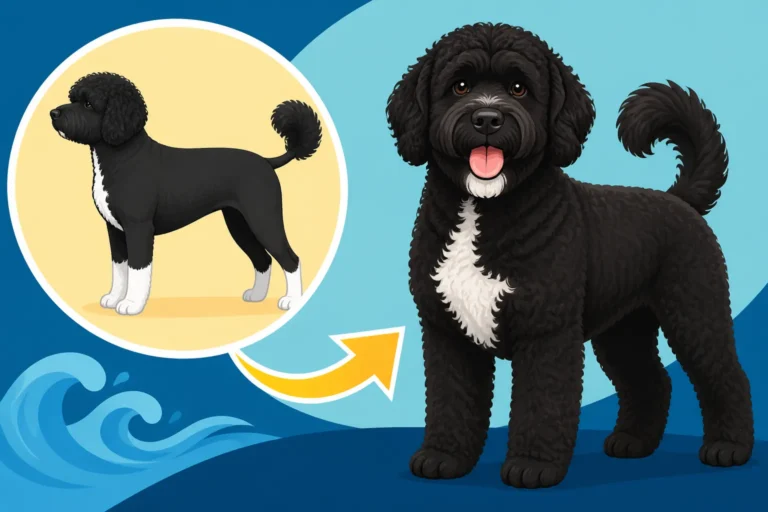
The Portuguese Water Dog's coat, while insulating, still needs attention to help with heat regulation. Many owners opt for a shorter clip during the warmer months.
The Retriever clip, for example, is a popular choice for pet PWDs. It leaves the coat short enough to be manageable and allows for better air circulation, without shaving them down completely. If you’re considering The Retriever Clip Is the Coat Most Portuguese Water Dogs Wear, you’ll find it’s practical for summer. While it might seem intuitive to shave a PWD completely, it’s not always the best idea. Their coat provides some protection from the sun's UV rays, and shaving them to the skin can expose them to sunburn, especially if they have lighter skin underneath. Plus, regrowing their unique coat after a complete shave can sometimes lead to coat texture changes.
Regular brushing is vital, regardless of the clip. Mats and tangles prevent air from circulating against the skin, trapping heat and making your dog feel much hotter. Daily or every-other-day brushing helps keep the coat open and airy, allowing it to do its job. For those who love the traditional look, The Lion Clip Costs a Portuguese Water Dog Owner Daily Brushing details how much work that takes, but even a Lion clip needs meticulous maintenance to avoid heat-trapping mats.
Recognizing and Responding to Heatstroke Signs
Even with the best preventative measures, it's crucial to know the signs of overheating and heatstroke. A Portuguese Water Dog can easily become so engrossed in play or work that they push themselves too far, and recognizing the danger quickly can be life-saving.
Early Warning Signs
The first thing you'll likely notice is excessive panting. While panting is normal for dogs, especially after exercise, excessive panting – rapid, heavy, and seemingly labored – is a red flag. Their breaths might become shallow but very quick, or deep and ragged.
Another sign is profuse drooling. Their saliva might appear thicker than usual, or they might drool constantly. Check their gums; if they are bright red or dark pink, it indicates elevated body temperature and increased blood flow to the surface. As heatstroke progresses, these gums can become pale or even bluish.
Other early signs include lethargy or weakness. Your normally energetic PWD might seem unusually tired, reluctant to move, or stumble a bit. They might seek out cool spots or shade more intensely than usual. You might also notice a rapid heart rate if you can feel their pulse. Their body temperature might feel warm to the touch, especially their ears and paws.
Advanced Symptoms and Emergency Action
If the early signs are missed or ignored, heatstroke can rapidly progress to life-threatening stages. Advanced symptoms include vomiting and diarrhea, which can sometimes be bloody. They might appear disoriented, confused, or stagger and collapse. In severe cases, seizures can occur, indicating critical neurological impact. Their breathing might become extremely distressed, and they could lose consciousness.
If you suspect your Portuguese Water Dog is experiencing heatstroke, immediate action is vital.
- Move them to a cooler environment immediately. Get them into shade, air conditioning, or near a fan.
- Start cooling them down. The goal is to cool them gradually, not shock their system with ice-cold water. Use cool (not ice-cold) water to wet their coat, especially on their underside, groin, and paw pads. You can use a hose or wet towels. Focus on areas with good blood flow. Do not cover them with a towel, as this can trap heat.
- Offer small amounts of water. If they are conscious and able to drink, offer cool (not cold) water. Do not force water down their throat if they are disoriented or unable to swallow.
- Seek veterinary care immediately. Even if your dog seems to be recovering, internal damage (to kidneys, liver, brain, etc.) can occur quickly and might not be apparent. Call your vet or the nearest emergency clinic while you are cooling your dog so they can prepare for your arrival. Early intervention at a vet can save their life.
Tailoring Summer Care for Your Portuguese Water Dog
Every Portuguese Water Dog is an individual, and their summer care plan should reflect that. What works for one might not be ideal for another, so paying close attention to your dog’s specific needs is paramount.
Diet and Hydration
During summer, your PWD's metabolism might shift slightly, especially if their activity levels are either maintained at a high intensity in warmer weather or slightly reduced to avoid overheating. Ensure their diet is still providing adequate nutrients and energy without contributing to additional internal heat generation. High-quality dog food, like those available through services like Ollie, can be excellent year-round, but ensuring a balanced diet that supports their energy needs without excess calories (which can lead to overheating) is important.
It's tempting to give them a lot of icy cold water, but cool water is generally safer and just as effective for rehydration. Large amounts of ice water can sometimes cause stomach upset or even bloat in some dogs, though this is rare. Small, frequent offerings of cool water are best. Consider adding a little water to their kibble or offering wet food to boost hydration. Watch for signs of dehydration, like sunken eyes, lethargy, or loss of skin elasticity (though their thick coat can make the skin elasticity test tricky, so rely on other signs).
Travel and Car Safety
Road trips with your PWD can be a blast, but cars can quickly become death traps in the summer. The temperature inside a parked car can rise by 20 degrees Fahrenheit in just 10 minutes, even with the windows cracked. Never, ever leave your Portuguese Water Dog unattended in a car, even for a "quick" errand.
When traveling, ensure your dog has plenty of ventilation. Use car seats designed for pets, open windows (safely, so they can't jump out or get hit by debris), or use air conditioning. Always have fresh water accessible during stops, and schedule travel during cooler parts of the day if possible. If you’re taking your PWD to the coast for some swimming, make sure they get a good rinse afterwards to protect their coat, as mentioned in When a Portuguese Water Dog Should Be Rinsed After the Sea.
Here’s a quick overview of summer safety tips:
| Category | Do's | Don'ts |
|---|---|---|
| Exercise | Early morning/late evening walks | Midday exercise or long walks on pavement |
| Offer swimming opportunities | Force intense activity in high heat/humidity | |
| Hydration | Provide constant access to cool water | Offer excessive ice water or restrict water |
| Offer water frequently on outings | Assume they'll drink enough on their own | |
| Cooling Aids | Use cooling vests, wet towels, kiddie pools | Shave coat completely (unless vet advised) |
| Keep coat brushed and mat-free | Leave mats to trap heat | |
| Car Safety | Use AC, provide ventilation | Leave dog in a parked car, even with windows cracked |
| Travel during cooler parts of the day | Ignore rising internal car temperatures | |
| Monitoring | Learn early signs of overheating | Dismiss subtle changes in behavior or breathing |
| Have vet's number handy | Delay seeking emergency veterinary care |
In summary, yes, a Portuguese Water Dog can absolutely overheat in summer, just like any dog. Their unique coat offers insulation, but it's not a magical shield against extreme temperatures or improper care. With careful planning, consistent hydration, smart exercise choices, and vigilant monitoring, you can help your PWD enjoy the warmer months safely. Pay attention to their signals, be their advocate, and you’ll both have a happy and healthy summer!
Disclaimer
This article is for general informational purposes only and does not constitute professional advice. Laws, prices and regulations vary by location and change over time. Consult a qualified professional for guidance on your specific situation.