Whether a Portuguese Water Dog Swam Between Boats
It’s truly incredible to imagine a dog performing complex tasks out at sea, far from the comfort of land. Many of us picture our loyal companions fetching a ball in the park, but the Portuguese Water Dog was bred for a world of waves, nets, and busy fishing boats. If you’ve ever wondered about the extent of their maritime duties, particularly if they truly swam between boats in open water, you're tapping into a rich history that sets this breed apart. This guide will explore the fascinating historical roles of the Portuguese Water Dog, confirming their daring dives and dedicated work, and shedding light on the capabilities that made them indispensable to fishermen.
The Historical Role of the Portuguese Water Dog at Sea
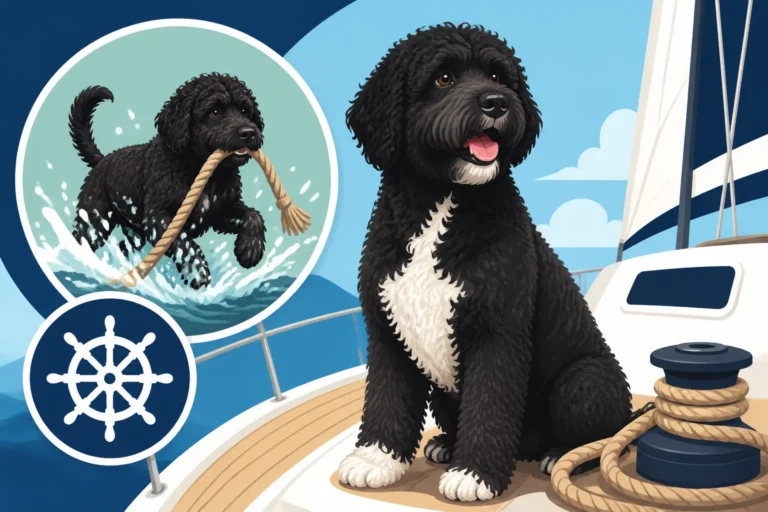
The Portuguese Water Dog, or Cão de Água Português, wasn't just a mascot on a fishing vessel; they were vital, active members of the crew. Their history is deeply intertwined with the hardy fishermen of Portugal, particularly along the rugged coast of the Algarve. These dogs weren't pets in the modern sense; they were partners, bred and trained to perform specific, often dangerous, jobs in the challenging marine environment. It's a testament to their intelligence and physical prowess that they thrived in such a demanding role.
The Algarve Coast and Traditional Fishing Practices
Picture the scene: the windswept coastlines of Portugal, where for centuries, fishermen relied on traditional methods to make their living from the sea. These were not the large, mechanized trawlers of today, but smaller, often open boats, where every crew member, human or canine, had to pull their weight. The Portuguese Water Dog evolved alongside these fishermen, adapting to the specific needs of their unique livelihood. Their role was critical in an era before modern technology, making fishing more efficient and often safer.
The daily life of these fishermen was grueling, often starting before dawn and extending late into the night. Their success, and indeed their survival, depended on quick thinking, strong backs, and reliable equipment. In this demanding world, the Portuguese Water Dog proved to be an invaluable asset, a furry extension of the human crew, performing tasks that would be impossible or too dangerous for people. Their presence on board was not a luxury, but a necessity that had been refined over generations.
A Multi-Talented Deckhand: General Duties
The Portuguese Water Dog truly earned its keep through a variety of general duties that made fishing operations run smoothly. They were responsible for more than just fetching a dropped item; they were integral to the entire process. From the moment the boats left shore until they returned with the day's catch, these dogs were working. Their intelligence allowed them to understand complex commands and anticipate the needs of their human partners.
These dogs were adept at everything from guarding the boat and the catch while in port, to acting as a vigilant watchdog against thieves or even dangerous marine life. They were known to stand watch at the prow, alerting the fishermen to approaching boats or changes in the weather. This deep understanding of their environment and their unwavering loyalty fostered an incredible bond between the dogs and their human companions. You can learn more about What a Portuguese Water Dog Was Bred to Do on a Boat to appreciate the full scope of their original purpose.
The Bond Between Fisherman and Dog
The relationship between a Portuguese Water Dog and its fisherman owner was far more than just master and pet; it was a partnership forged in the harsh realities of the sea. These dogs were often born and raised on the boats, growing up immersed in the sights, sounds, and smells of their working environment. This early exposure instilled in them a deep understanding and comfort with maritime life.
This bond was built on trust, respect, and mutual dependence. Fishermen relied on their dogs for their incredible skills, and the dogs, in turn, found purpose and companionship in their work. Stories from the old days often highlight the deep affection and almost telepathic communication between a fisherman and his Cão de Água, emphasizing that these dogs were considered family, not just tools. This enduring connection is a hallmark of the breed's heritage.
More Than Just a Fisherman's Companion: Specific Tasks
While their general duties were impressive, the real marvel of the Portuguese Water Dog lies in the specific, highly specialized tasks they were trained to perform. These weren't simple fetches; they involved incredible strength, focus, and an almost uncanny understanding of complex situations in the water. It’s these specific jobs that really highlight their extraordinary capabilities and why they were so highly valued.
Retrieving Lost Gear and Guiding Fish
One of the most critical jobs for a Portuguese Water Dog was retrieving lost gear. Imagine a rough sea, a snapped rope, a dropped net, or an oar slipping overboard. In the days before GPS or easy replacements, losing such equipment could mean the end of a day's fishing, or worse, put the crew in peril. This is where the Portuguese Water Dog shone. With their exceptional vision and powerful swimming ability, they could plunge into the choppy waters and locate items that humans might miss. Their sturdy mouths were perfect for grasping and carrying heavy, often slippery, objects back to the boat.
Beyond retrieval, they played a role in guiding fish into nets. This might sound like something out of a storybook, but it’s true! They would splash and bark in the water, creating a commotion that would direct schools of fish towards the waiting nets, maximizing the day's catch. This required not just instinct, but a precise understanding of the fishermen's strategy and signals. It truly illustrates How a Portuguese Water Dog Worked a Net and their indispensable contribution.
The Messenger Dog: Swimming Between Boats
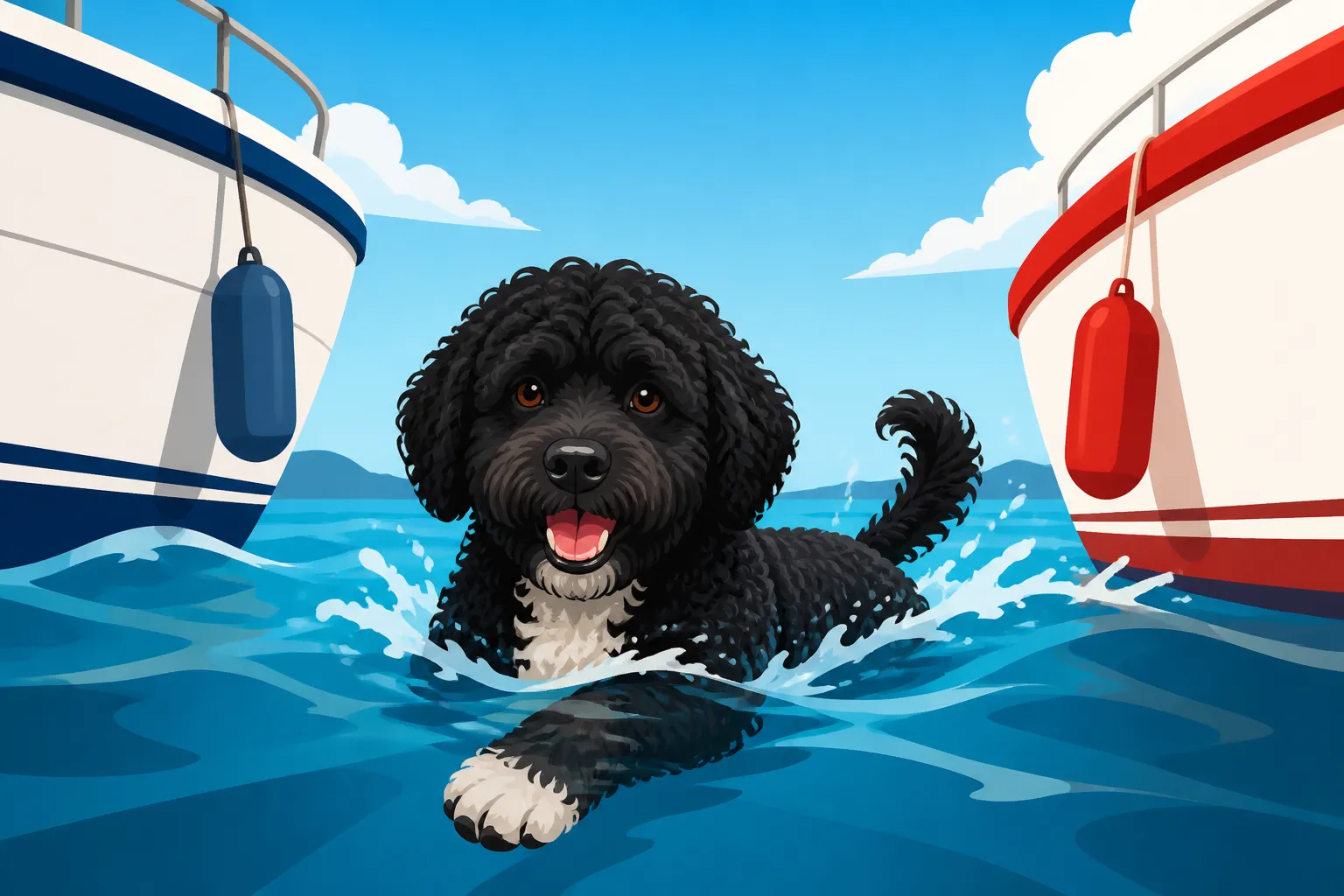
And yes, to finally answer the burning question: the Portuguese Water Dog absolutely swam between boats! This wasn't a casual dip; it was a purposeful, often long-distance swim across open water, carrying messages, small supplies, or even lines. In a time when radio communication was non-existent or unreliable for small fishing fleets, these dogs served as living, breathing communication links. A fisherman might send his dog with a message to another boat in the fleet, perhaps concerning a good fishing spot, a change in weather, or a request for help.
The dog would swim from one vessel to another, often carrying a pouch or a note in its mouth, demonstrating incredible loyalty and endurance. This particular task required immense physical stamina and a keen sense of direction, especially in the vastness of the sea. It highlights their unwavering dedication to their job and their human partners. How a Portuguese Water Dog Can Swim Beside a Kayak is a modern echo of this ancient skill, showing how their innate abilities are still cherished.
Ensuring Safety and Alertness
Beyond their direct tasks, Portuguese Water Dogs contributed significantly to the overall safety and alertness of the fishing crew. Their keen senses were an extra pair of eyes and ears on the often-solitary ocean. They could detect changes in the wind, approaching storms, or even the presence of dangerous marine predators long before humans could. Their barks and body language would serve as early warnings, allowing fishermen to react quickly to potential threats.
Moreover, their presence itself was a psychological comfort. The sea could be a lonely and dangerous place, and having a devoted, capable companion on board surely eased the burdens of the job. In dire situations, their strength and swimming prowess could even be a last line of defense, potentially assisting in rescue efforts, though such stories are more anecdotal. Their vigilance was a silent, constant contribution to the well-being of the entire fishing expedition.
The Physical Adaptations for a Seafaring Life
You can't just throw any dog into the ocean and expect them to perform these kinds of complex tasks. The Portuguese Water Dog is a masterclass in natural selection and selective breeding, possessing a unique set of physical adaptations that made them perfectly suited for their aquatic working life. Every aspect of their physical being, from their feet to their fur, is designed for efficiency and survival in the water.
The Webbed Feet and Powerful Build
Perhaps the most iconic adaptation of the Portuguese Water Dog is their distinctively webbed feet. These aren't just slightly joined toes; they are pronounced, strong webs of skin between their pads that act like natural flippers. This webbing drastically increases their propulsion through the water, allowing them to swim with remarkable speed and agility. It's a key reason they could cover distances between boats so effectively. You can really see How Much a Portuguese Water Dog's Webbing Adds to Its Speed when you watch them glide through water.
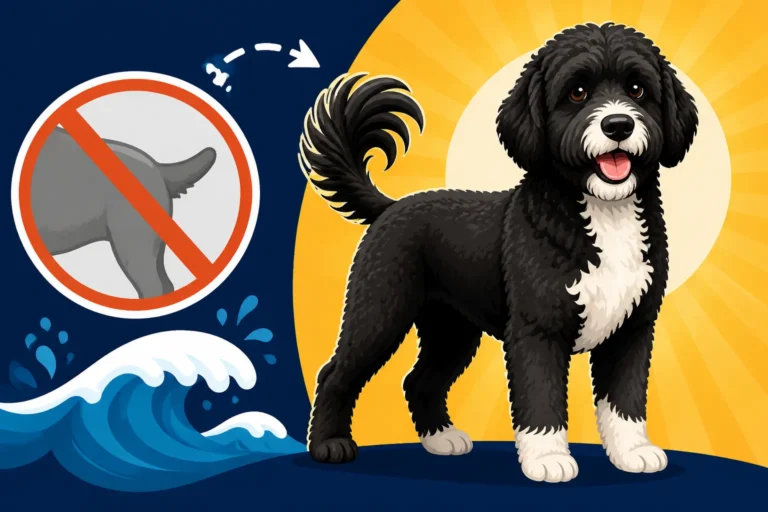
Their overall build is also robust and powerful. They possess a deep, broad chest for lung capacity, strong hindquarters for powerful kicks, and a thick, muscular tail that acts like a rudder, providing exceptional steering and balance in even the choppiest waters. Why a Portuguese Water Dog's Tail Works as a Rudder is a fascinating insight into their aquatic mechanics. This combination of webbed feet, strong musculature, and rudder-like tail made them incredibly efficient and tireless swimmers.
The Water-Resistant Coat: Protection in the Ocean
The coat of a Portuguese Water Dog is another marvel of natural engineering. Unlike many double-coated breeds, they have a single coat, but it's incredibly dense and water-resistant. It comes in two varieties: curly, forming tight, compact cylinders, and wavy, falling in soft waves. Both types repel water much like a duck's feathers, helping the dog stay insulated even in cold ocean temperatures. This coat doesn't just keep them warm; it also offers a degree of protection against abrasions and cuts from rocks or marine debris.
This unique coat also dries relatively quickly, especially when given a good shake, which was crucial for dogs spending much of their day wet. A dog that stayed perpetually soaked would be prone to skin issues and hypothermia, neither of which were options for a working dog. Maintaining this coat with regular grooming, perhaps with products found on Chewy, would have been important even back then, though their grooming routines were likely more utilitarian than aesthetic.
Endurance and Strength for Long Swims
Swimming between boats, retrieving heavy nets, and guiding fish were not quick dashes; they often involved sustained periods of physical exertion. The Portuguese Water Dog was bred for incredible endurance and strength, capable of swimming for hours without tiring. Their cardiovascular system is robust, allowing them to maintain high levels of activity in the water.
This endurance wasn't just about covering distance; it was also about being able to perform tasks in challenging conditions—against currents, in rough seas, or during long shifts. Their powerful build meant they could contend with the ocean's forces and still complete their assignments effectively. How Long a Portuguese Water Dog Can Stay in Cold Water speaks to their incredible resilience and physical makeup tailored for a life at sea.
Training and Instinct: How They Learned Their Job
It’s one thing to have the physical capabilities, but quite another to perform complex tasks on command, especially in a dynamic environment like the open sea. The Portuguese Water Dog’s ability to work alongside fishermen was a blend of strong natural instincts, combined with dedicated, often intensive, training passed down through generations.
Natural Drive and Instinctive Behavior
From puppyhood, Portuguese Water Dogs display an innate affinity for water and a strong retrieving drive. They are often born with a natural inclination to jump in, splash, and carry objects in their mouths. This powerful instinct to retrieve is a foundation for their working abilities, making them eager participants in games of fetch that could easily transition into real-world tasks. This drive also makes training easier, as you’re building upon what comes naturally to them.
Their intelligence is another key factor. Portuguese Water Dogs are highly intelligent and possess a remarkable problem-solving ability. This allowed them to understand nuanced commands and even improvise when faced with unexpected situations, which was crucial in the unpredictable environment of the sea. They weren't just following orders blindly; they were actively thinking and engaging with their work.
The Art of Early Training and Socialization
The training of a working Portuguese Water Dog began very early, often as soon as they were old enough to safely be on a boat. Puppies would be exposed to the sounds, movements, and sensations of life at sea from a young age, helping them to become completely at ease in that environment. This early socialization to the boat and water was paramount. Learning to enter the water confidently, perhaps with guidance on Teaching a Portuguese Water Dog Puppy to Enter Water, was among their first lessons.
Their training would have been consistent, using positive reinforcement and building on their natural retrieving instincts. Fishermen would use simple commands and gestures, and the dogs would quickly learn what was expected of them. The consistency of their environment and the repetition of tasks helped to solidify their training, creating a highly disciplined and effective working partner.
Motivation and Reward in a Challenging Environment
Working at sea was challenging, and even the most dedicated dogs needed motivation. For Portuguese Water Dogs, the reward often wasn't just a treat, but the sheer joy of the work itself and the praise from their beloved fishermen. These dogs thrived on having a job to do and the satisfaction of a task well done. The retrieval of an object, the successful delivery of a message, or the completion of a complex swimming task would have been its own reward, reinforced by the appreciation of their human companions.
The bond with their owner was also a powerful motivator. Their loyalty meant they wanted to please, and the constant companionship and shared purpose created a strong incentive to perform their best. This combination of intrinsic drive, effective training, and strong emotional bonds made them exceptionally capable and willing workers.
The Decline of the Working PWD and Modern Relevance
As the world modernized, the need for dogs to perform these physically demanding and highly specialized tasks on fishing boats began to wane. This shift led to a significant decline in the working Portuguese Water Dog population, bringing the breed to the brink of extinction. However, their incredible history and unique attributes ensured their survival, albeit in a different role.
The Rise of Technology and Changing Fisheries
The mid-20th century brought significant advancements in fishing technology. Outboard motors replaced sails and oars, allowing boats to travel faster and farther. Sonar and radar made it easier to locate fish and navigate. Synthetic ropes and nets were more durable and less likely to be lost. These technological innovations, while making fishing more efficient for humans, gradually rendered the Portuguese Water Dog’s traditional jobs obsolete. There simply wasn't the same desperate need for a dog to swim between boats or retrieve lost gear when a motorboat could zip over or new equipment was readily available.
This period led to a dramatic reduction in the breed's numbers, as their specialized skills were no longer economically necessary. Many feared the Portuguese Water Dog would vanish entirely, a poignant end to a remarkable lineage. It truly underscores Why Fishermen Stopped Needing the Portuguese Water Dog, marking a bittersweet transition for the breed.
From Working Dog to Cherished Companion
Thankfully, dedicated breed enthusiasts stepped in to save the Portuguese Water Dog from extinction. They recognized the breed's intelligence, athleticism, and loyal temperament, and began to champion them as companions and performance dogs rather than just working partners. Today, the Portuguese Water Dog is celebrated for its hypoallergenic coat, energetic personality, and trainability, making it a popular family pet. They still adore water, of course, and excel in modern canine sports that echo their ancestors' duties.
While most modern Portuguese Water Dogs don't spend their days retrieving nets from the Atlantic, their inherent traits—their love for water, their strong retrieving drive, and their desire to work alongside their humans—remain. Many owners find immense joy in channeling these natural instincts into activities like dock diving, obedience, or even just long swims at the lake. Products like durable water toys available at Chewy can help fulfill their innate retrieving drive.
Preserving the Legacy and Water Instincts Today
Even though their original job on the fishing boats is largely a thing of the past, preserving the Portuguese Water Dog's legacy is paramount. Modern breeders and owners are committed to maintaining the breed's health, temperament, and working instincts. This includes genetic testing to ensure healthy lines, and encouraging participation in water sports and activities that allow the dogs to express their natural abilities.
Activities like competitive dock diving, water rescue trials, and even just regular swimming trips are fantastic ways for Portuguese Water Dogs to engage their ancestral drives. These activities not only provide excellent physical and mental exercise but also honor the incredible history of a breed that once bravely swam between boats, carrying messages and vital gear, a true testament to the enduring spirit of the Portuguese Water Dog. It’s a wonderful way to acknowledge Whether a Portuguese Water Dog Still Retrieves with the same passion.
Here's a quick look at some of the historical duties compared to their modern counterparts:
| Historical Duty | Description | Modern Equivalent / Activity |
|---|---|---|
| Swimming Between Boats | Delivering messages or items between vessels in open water. | Dock diving, competitive swimming, retrieving water toys. |
| Retrieving Lost Gear | Fetching dropped nets, ropes, or equipment from the sea. | Fetching toys (like a floaty frisbee from Chewy), participating in water trials. |
| Guiding Fish to Nets | Splashing and herding fish into the designated fishing areas. | Herding games, agility, or sometimes even just playful splashing near children. |
| Guarding Boat & Catch | Alerting fishermen to intruders or dangers while docked or at sea. | Watchdog duties (alerting to visitors), scent work, or rally obedience. |
| General Alertness at Sea | Notifying crew of weather changes, approaching vessels, or marine life. | Canine good citizen tests, advanced obedience, or simply being a vigilant family member. |
Disclaimer
This article is for general informational purposes only and does not constitute professional advice. Laws, prices and regulations vary by location and change over time. Consult a qualified professional for guidance on your specific situation.