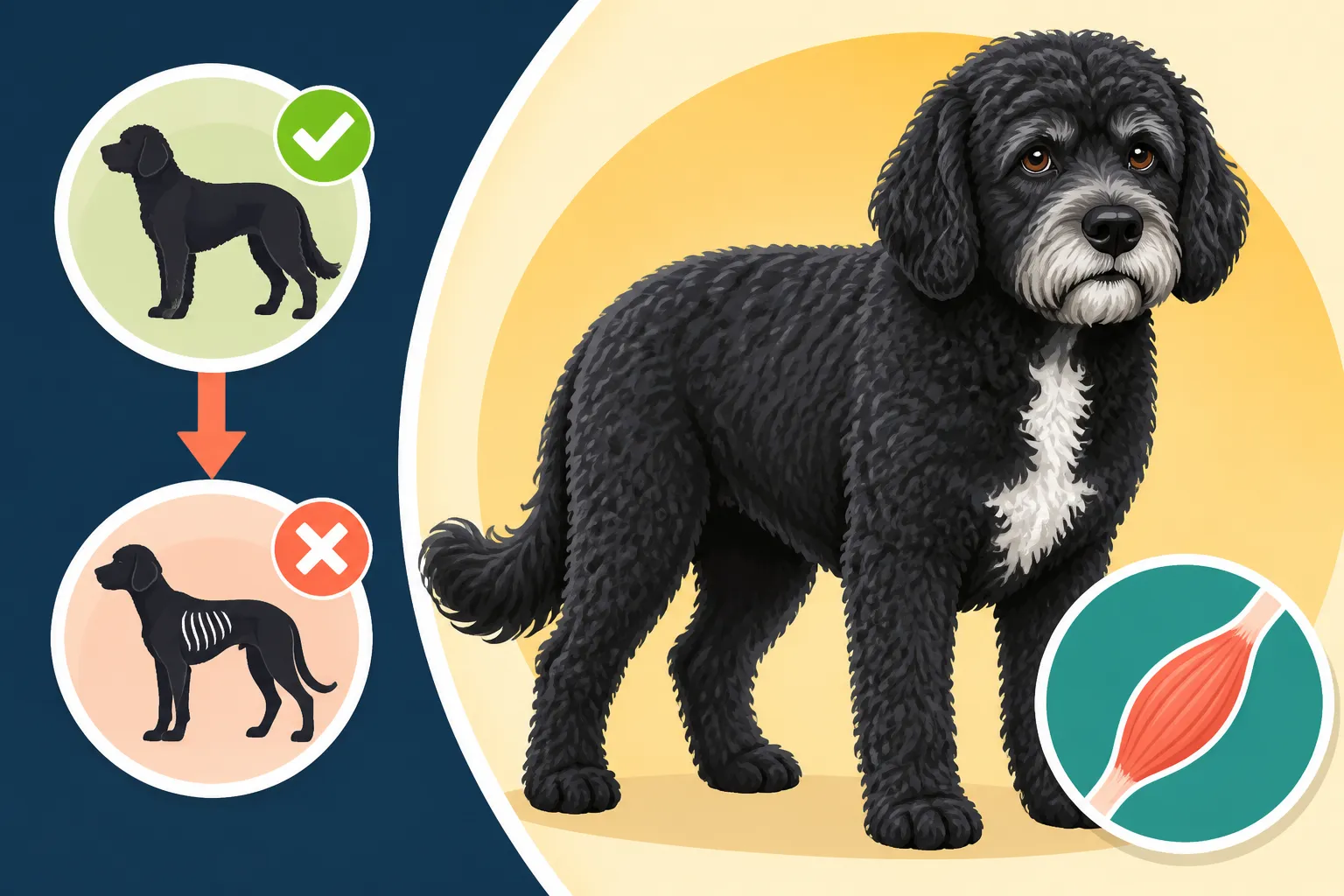
Whether an Aging Portuguese Water Dog Loses Muscle
It’s a truly bittersweet experience watching your vibrant, energetic Portuguese Water Dog start to show the subtle, or sometimes not-so-subtle, signs of aging. You remember their boundless puppy energy, their incredible stamina in the water, and their powerful physique, and it's only natural to worry when you see them slowing down. One of the most common concerns for owners of senior PWDs is whether their beloved companion will begin to lose that characteristic muscle tone. This comprehensive guide will explore the reality of muscle loss in aging Portuguese Water Dogs, helping you distinguish between normal changes and those that might signal a deeper issue, and offering practical strategies to keep your senior companion as strong and comfortable as possible.
Understanding Age-Related Muscle Loss in Portuguese Water Dogs
As our cherished PWDs transition into their senior years, their bodies undergo a variety of changes. Just like humans, dogs can experience age-related muscle wasting, a condition that can impact their quality of life if not understood and managed proactively.
What is Sarcopenia and Why Does It Happen?
The fancy term for age-related muscle loss is sarcopenia, and it’s a natural, progressive condition that affects almost all aging mammals, including our dogs. This isn't just about your dog becoming a "couch potato" in their golden years; it's a complex biological process. Sarcopenia involves a gradual decrease in the number and size of muscle fibers, particularly the fast-twitch fibers responsible for power and strength. Simultaneously, there's often a reduction in the body's ability to synthesize protein effectively, which is crucial for muscle repair and maintenance.
For Portuguese Water Dog owners, seeing this happen can be particularly frustrating. These dogs are athletes at heart, known for their robust builds and incredible endurance. When you notice their powerful hindquarters start to look a little less defined, or their movements become less fluid, it’s not just a cosmetic change; it's a sign that their fundamental physical capabilities are shifting. It's important to remember that this process is largely beyond your dog's control and not a sign of laziness on their part. Their body simply isn't as efficient at maintaining muscle mass as it once was.
The Impact of Age on Portuguese Water Dog Physiology
Portuguese Water Dogs are an active, athletic breed, bred for demanding tasks like retrieving gear from the sea and herding fish into nets. Their entire physical being is centered around muscle and stamina. This history makes muscle maintenance even more critical for their well-being and happiness. As a Portuguese Water Dog reaches The Age a Portuguese Water Dog Is Considered Senior, typically around 7-9 years old, various physiological shifts contribute to sarcopenia. These include changes in hormone levels, such as a decline in growth hormone and testosterone, which play vital roles in muscle anabolism. Cellular functions also slow down, and there can be a decrease in the efficiency of nerve impulses reaching muscle fibers, further contributing to their weakening.
What this means for your PWD is that their body is less capable of responding to the demands you might be used to. A quick sprint across the yard, a powerful jump onto the sofa, or extended play sessions at the park may become more challenging. While it's a normal part of aging, the impact on a breed so defined by its physicality can be profound. It’s not about them losing their spirit, but rather their physical capacity gradually diminishing. Understanding these underlying changes helps us approach their care with greater empathy and tailor our expectations and activities to their evolving needs, especially considering What Changes in a Portuguese Water Dog After Nine.
Recognizing the Signs of Muscle Loss in Your PWD
Detecting muscle loss in a Portuguese Water Dog can sometimes be tricky due to their dense, often curly or wavy coat. However, knowing what to look and feel for can help you identify changes early.
Visual Cues of Muscle Atrophy
The thick, often abundant coat of a Portuguese Water Dog can be a fantastic insulator and certainly contributes to their charm, but it can also be a master at disguising underlying physical changes, including muscle loss. This is especially true when considering How a Portuguese Water Dog's Coat Hides Weight Loss or muscle atrophy. So, you can't just rely on a quick glance. Instead, you need to use your hands and eyes more deliberately.
One of the most common areas to notice muscle wasting is in the hindquarters. You might start to observe a "tapering" look, where the top of their thighs or the muscles around their hips appear less full and more concave than before. Gently run your hands along their spine and ribs; if you can feel the bony prominences of their hips, spine, and shoulders more distinctly than you used to, it's a strong indicator that muscle mass is decreasing. In a healthy, well-muscled PWD, these bones are typically well-covered. Also, pay attention to symmetry. While sarcopenia tends to be generalized, sometimes an underlying issue can cause more significant muscle loss on one side, which would be a red flag. Look at them from above and from behind; compare old photos if you have them to gauge the change.
Behavioral Changes to Watch For
Beyond the physical appearance, your PWD's behavior will often be the first and most telling sign of muscle loss and the reduced strength that comes with it. Their once-effortless movements might become more deliberate, or even hesitant. You might notice a reluctance to jump into the car, climb stairs, or even get up from a comfortable lying position. That joyful leap into the water for a retrieve might be replaced by a slower, more careful entry, or they might seem less enthusiastic about water activities altogether, even if deep down they still Whether an Aging Portuguese Water Dog Still Wants to Swim.
Their gait might change; perhaps they take shorter strides, or their hind legs seem a bit unsteady or wobbly. They might start lagging behind on walks, needing more frequent breaks, or simply not wanting to go as far. Even simple actions like shaking themselves dry after a swim might look more arduous. These aren't signs of disobedience or stubbornness; they're often indicators that their body simply can't perform these actions with the ease it once could. It's heartbreaking to witness your once-invincible companion hesitate, but recognizing these changes promptly is the first step toward providing them with the support they need.
To help you distinguish between normal aging and potentially more serious concerns, here's a quick comparison:
| Symptom Category | Normal Age-Related Muscle Loss (Sarcopenia) | Concerning Muscle Loss (Potentially Other Issues) |
|---|---|---|
| Onset | Gradual, over months/years | Rapid, sudden, noticeable within weeks |
| Symmetry | Generally symmetrical, though hindquarters first | Often asymmetrical (one limb weaker/smaller) |
| Pain Level | Minimal or no overt pain (may have general stiffness) | Accompanied by limping, yelping, reluctance to move |
| Mobility | Slowing down, less jumping, still willing to walk | Refusal to bear weight, falling, severe weakness |
| Appetite/Weight | May remain stable or slight decrease in appetite | Significant weight loss, drastic appetite change |
| Energy | Reduced stamina, more rest breaks | Lethargy, severe disinterest in activities |
Proactive Strategies to Support Muscle Health in Senior PWDs
While sarcopenia is inevitable, its progression can often be slowed, and its effects mitigated through thoughtful care, exercise, and nutrition. Your goal is to maximize your PWD's comfort and mobility for as long as possible.
Tailored Exercise Programs for Seniors
It's a common misconception that an aging dog needs less exercise. In reality, they need appropriate exercise. Complete inactivity will only accelerate muscle loss and worsen mobility. The key is to shift from high-impact, strenuous activities to more gentle, consistent movement. For a Portuguese Water Dog, swimming remains an excellent option throughout their life, even into their senior years. It's low-impact, provides full-body conditioning, and keeps those muscles working without putting undue strain on Hips and Joints in a Portuguese Water Dog. Shorter, more frequent swim sessions, perhaps in warmer water, can be highly beneficial.
Gentle, consistent walks are also important. Instead of one long hike, consider two or three shorter, easy strolls throughout the day. Focus on flat, even terrain to minimize stumbling. Incorporate very gentle incline walks to engage hindquarter muscles without excessive impact. Simple balance exercises, like standing on an unstable surface (a cushion or a dog-specific balance disc) for short periods, can also help maintain core strength and proprioception. Always ensure a proper warm-up with slow movement before any activity and a gentle cool-down afterward. The goal isn't to build new muscle like a young dog, but to maintain existing muscle and keep joints supple.
Nutritional Support for Muscle Health
Diet plays a profoundly important role in supporting your senior Portuguese Water Dog's muscle health. As they age, their nutritional needs shift. Many senior dog foods are formulated with lower calories to prevent weight gain in less active dogs, but sometimes they also have lower protein. For a dog experiencing sarcopenia, adequate high-quality protein is paramount to help mitigate muscle loss. Look for senior formulas that boast higher protein levels from excellent sources like lean meats, fish, and eggs.
It's crucial not to simply cut calories across the board, especially if your PWD is losing muscle rather than gaining fat. Focus on nutrient density. If Whether an Aging Portuguese Water Dog Loses Its Appetite becomes an issue, you might need to get creative. Warming food slightly, adding a little low-sodium broth, or incorporating novel protein sources can entice a picky eater. Always consult with your veterinarian before making significant dietary changes, as they can help you formulate a diet plan tailored to your individual dog's health needs, factoring in any other conditions they might have.
The Role of Supplements and Therapies
Beyond diet and exercise, various supplements and therapeutic modalities can offer significant support for an aging PWD experiencing muscle loss. Joint supplements, such as those containing glucosamine, chondroitin, and MSM, are often recommended for senior dogs to support cartilage health and reduce inflammation, which can indirectly help with mobility and muscle usage. Omega-3 fatty acids, found in fish oil, also have anti-inflammatory properties that can benefit joint health and overall well-being. If you're wondering When a Portuguese Water Dog Needs Joint Supplements, the answer is often well before significant symptoms appear.
Your vet might also suggest specific supplements designed to support muscle mass, such as HMB (beta-hydroxy-beta-methylbutyrate) or creatine, though their efficacy in dogs is still an area of ongoing research. Beyond supplements, physical therapies can be incredibly beneficial. Hydrotherapy (therapeutic swimming) is a natural fit for PWDs, offering a buoyancy-supported environment to strengthen muscles without impact. Canine massage, acupuncture, and even therapeutic laser treatments can help manage pain, improve circulation, and maintain muscle flexibility. These therapies can add up quickly, but resources like Healthy Paws pet insurance can be a true lifesaver for managing the costs of ongoing treatments. Having a comprehensive insurance plan ensures that your beloved PWD has access to the best possible care, allowing you to focus on their comfort and quality of life without undue financial stress.
When to Seek Veterinary Advice
While some muscle loss is a normal part of aging, it's vital to know when the changes you observe might be symptoms of something more serious that requires veterinary intervention.
Differentiating Sarcopenia from Other Conditions
It’s easy to dismiss a senior dog's slowing down as "just old age," but sometimes, muscle loss and reduced mobility can be red flags for underlying medical conditions. Sarcopenia is distinct from muscle atrophy caused by disease. For example, conditions like arthritis (which many senior dogs, including PWDs, are prone to, so asking whether a Portuguese Water Dog gets arthritis is prudent), neurological disorders (such as degenerative myelopathy), or endocrine diseases (like hypothyroidism or Cushing's disease) can all lead to muscle wasting or weakness that mimics sarcopenia. Even chronic pain from an injury or dental issues can cause a dog to favor certain limbs, leading to disuse atrophy.
If you notice rapid, asymmetrical muscle loss, a sudden onset of lameness, extreme pain, or significant behavioral changes beyond typical slowing down, these are all signs that you should immediately consult your veterinarian. Remember, How a Portuguese Water Dog Hides Pain can be quite effective, so subtle behavioral shifts might be the only clue. A thorough veterinary examination, potentially including blood work, X-rays, or other diagnostics, can help differentiate between normal aging and a treatable medical condition. Early diagnosis and intervention can make a significant difference in your PWD's comfort and prognosis.
The Importance of Regular Vet Check-ups
Regular veterinary check-ups are absolutely non-negotiable for senior Portuguese Water Dogs. As they transition into their golden years, annual or even bi-annual visits become increasingly important. Your veterinarian is your best partner in navigating Caring for a Portuguese Water Dog Past Nine and can provide invaluable guidance on monitoring their health, adjusting their diet, and managing any age-related issues. They can track changes in muscle mass, assess joint health, and recommend specific diagnostic tests to screen for common senior ailments.
During these visits, discuss any changes you've observed, no matter how small they seem. Your observations are critical. Your vet might suggest regular blood panels to check organ function, thyroid levels, and other indicators of health. They can also provide a realistic outlook on The Twelve to Fifteen Years a Portuguese Water Dog Gets and help you plan for their evolving care needs. These proactive check-ups can lead to early detection of problems, allowing for timely treatment and a better quality of life for your senior PWD. The cumulative cost of these regular vet visits, diagnostic tests, and potential ongoing medications for age-related conditions can become substantial. This is where a reliable pet insurance provider like Healthy Paws can truly alleviate the burden. With comprehensive coverage, you can ensure your aging Portuguese Water Dog receives the consistent, high-quality veterinary care they need without constantly worrying about the financial implications, making decisions based on their health rather than your budget.
Disclaimer
This article is for general informational purposes only and does not constitute professional advice. Laws, prices and regulations vary by location and change over time. Consult a qualified professional for guidance on your specific situation.