Signs a Portuguese Water Dog’s Ear Is Infected
Many Portuguese Water Dog owners, especially those new to the breed, often find themselves wrestling with persistent ear issues. It's a common frustration to see your energetic companion suddenly shaking their head or scratching frantically, leaving you wondering if it's just a bit of an itch or something more serious brewing deep within their floppy, furry ears. This guide is dedicated to helping you recognize the tell-tale signs of an ear infection in your beloved PWD, empowering you to seek timely veterinary care and bring your pup relief.
Why PWD Ears Are a Magnet for Trouble
Portuguese Water Dogs are unique, athletic, and truly built for the water. But this incredible heritage, while making them fantastic companions for active families, also comes with a few built-in vulnerabilities, and their ears are definitely one of them. It's not just bad luck; there's a real anatomical reason why these wonderful dogs can be prone to ear infections. Understanding this helps us be more vigilant and proactive in their care.
The Perfect Environment for Unwanted Guests
Think about the structure of a Portuguese Water Dog's ear. They have those lovely, dense, curly or wavy coats that extend right into their ear canals. Unlike many breeds with open, upright ears, a PWD's ears are pendulous – they hang down, effectively covering the ear canal opening. This design, combined with that thick hair, creates a warm, dark, and often humid environment that's just begging for trouble. It's like a mini sauna inside their ear, an ideal breeding ground for opportunistic bacteria and yeast to multiply.
When we talk about the ear canal itself, it's not a straight shot like in humans. A dog's ear canal takes a sharp turn, going down vertically before turning horizontally towards the eardrum. This deep, L-shaped structure makes it incredibly difficult for moisture, debris, and any budding infections to naturally drain out. Instead, they often get trapped, creating a perfect storm for an infection to take hold. This anatomical quirk is a primary reason why PWD owners often deal with recurring ear woes, validating the common frustration of constant vigilance. You might be interested in Why a Portuguese Water Dog's Ear Canal Traps Water for a deeper understanding of this anatomical challenge.
The Swimming Factor: A Double-Edged Sword
It's no secret that Portuguese Water Dogs adore water. They're called "Water Dogs" for a reason! Whether it's a splash in the lake, a romp in the ocean, or a dip in the backyard pool, water is integral to their happiness and exercise. However, this love of aquatic adventures is a double-edged sword when it comes to ear health. Every swim, every dive, can introduce moisture and foreign particles into that already predisposed ear canal.
Imagine your PWD happily swimming, water sloshing around, and then shaking their head afterward. While they try their best to clear their ears, a good amount of water can still remain trapped deep inside that winding canal. This constant exposure to moisture keeps the internal ear environment damp, weakening the skin's natural defenses and making it easier for opportunistic bacteria and yeast to flourish. This is why paying close attention to post-swim ear care is paramount for these water-loving canines, and a major reason why many owners struggle with Why a Swimming Dog Gets Ear Infections. It’s a recurring battle that feels endless sometimes, but understanding the cause is the first step to prevention.
Recognizing the Red Flags: Signs of Infection
Spotting an ear infection early can make a huge difference in your PWD's comfort and the ease of treatment. Sometimes the signs are glaringly obvious, but often, our stoic companions can try to hide their discomfort until it becomes unbearable. It's up to us to be observant and know what to look for, both in their behavior and in the physical state of their ears.
Behavioral Cues: When Your PWD Is Trying to Tell You Something
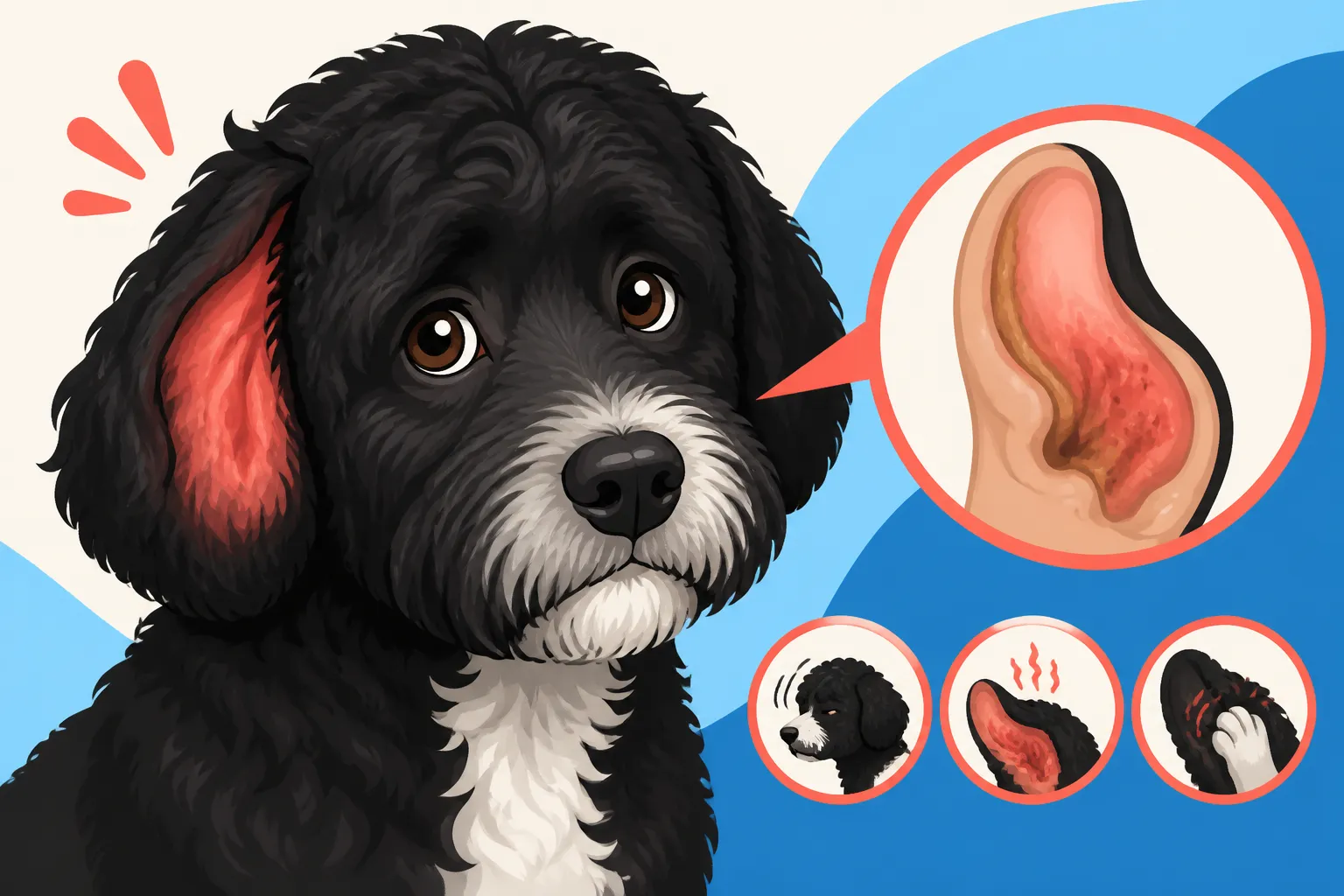
One of the first things you might notice is a change in your dog's typical demeanor or actions related to their head. Persistent head shaking is probably the most common and obvious sign. It's not just a casual shake after a bath; it's a repetitive, sometimes violent, shaking motion as if they're trying to dislodge something annoying or painful from deep inside their ear. You might also see them scratching at their ears with a back paw, sometimes so intensely that they cause skin irritation or even open wounds around the ear flap, leading to more issues.
Another strong indicator is rubbing their ears against furniture, the carpet, or even against your leg. They're essentially trying to itch an inaccessible spot or relieve pressure. You might also notice them tilting their head to one side, favoring the unaffected ear, or holding their head at an unusual angle. If your PWD usually loves head scratches and suddenly flinches, pulls away, or even snaps when you go near their ears, that's a huge red flag signaling pain or extreme sensitivity. Don't dismiss these subtle signs; they are crucial signals from your dog, communicating their distress. How Often a Portuguese Water Dog's Ears Need Checking should ideally be part of your routine, enabling you to catch these cues early.
It's not just direct ear-related behaviors, either. An ear infection can make a normally cheerful PWD withdrawn, grumpy, or less enthusiastic about their usual activities. The constant discomfort and potential pain can lead to changes in appetite, disturbed sleep, or a general malaise. They might seem less interested in play, hesitant to jump, or just generally "off." As responsible owners, we need to tune into these overall behavioral shifts, recognizing that an ear infection could be the underlying cause of their altered mood. This is part of understanding What a Portuguese Water Dog Needs Every Day for overall health and happiness.
Visual and Olfactory Indicators: What You Can See and Smell
Beyond behavior, a close inspection of your PWD's ears can reveal a lot. Gently lift the ear flap and look inside the ear canal opening. A healthy ear canal should be clean, pale pink, and free of discharge or odor. If you see redness or swelling, especially compared to the other ear or how it normally looks, that's a clear sign of inflammation. You might also notice discharge: it could be waxy and dark brown, crumbly and black (often indicative of ear mites, though less common in adult PWDs), or yellow/green and pus-like. The consistency can vary from gooey to thin and watery.
Don't underestimate your nose! Ear infections often come with a distinctive, unpleasant smell. A yeast infection, for example, typically has a strong, sweet, yeasty odor, almost like old bread or corn chips. Bacterial infections can smell foul, pungent, or even putrid. If you detect any odor that's not typical for your dog, it's definitely time to investigate further. You might also notice crusting or scabbing around the entrance to the ear canal or on the inside of the ear flap, especially if your dog has been scratching excessively. In more severe or chronic cases, there might be noticeable hair loss around the ear due to constant rubbing and scratching, which can also lead to secondary skin infections.
Take a look at the table below for a quick comparison of what a healthy ear usually looks like versus one that's showing signs of infection. This can be a handy guide when you're doing your regular checks, helping you quickly identify potential issues.
| Feature | Healthy PWD Ear | Infected PWD Ear |
|---|---|---|
| Color of Skin | Pale pink, consistent with inner membrane | Red, inflamed, sometimes dark purple from severe irritation |
| Odor | Neutral, no discernible smell | Yeasty (sweet, like corn chips), foul, pungent, or sour |
| Discharge | Minimal to no waxy buildup, light brown | Excessive dark brown, black, yellow, or greenish discharge; waxy, gooey, or pus-like |
| Swelling | None | Swollen ear flap, thickened ear canal opening, sometimes painful to touch |
| Scratching/Rubbing | Occasional, normal itch | Frequent, intense scratching, rubbing against surfaces, head shaking |
| Hair | Clean, no matting or irritation | Matted hair from discharge, hair loss around ear canal, crusting |
| Pain Response | Tolerant of ear handling | Flinching, vocalizing, pulling away, or snapping when ears are touched |
When to Seek Veterinary Help (Don't Delay!)
It's easy to dismiss a little head shake here or there, especially if your PWD is known for their playful antics. But with ear infections, playing the "wait and see" game can often lead to more severe problems, more pain for your dog, and a longer, more complicated (and expensive) treatment process. When you suspect an ear infection, prompt veterinary attention is truly the best course of action. You might be surprised at What a Portuguese Water Dog's Ear Infection Costs to Treat when left too long.
The Perils of Procrastination
One of the biggest mistakes owners make is hoping an ear infection will just "clear up on its own." Unfortunately, because of the dog's deep ear canal and the factors contributing to these infections, they rarely resolve without medical intervention. Leaving an infection untreated can have serious consequences. The inflammation and infection can spread deeper into the ear canal, potentially affecting the middle or inner ear, leading to balance issues, hearing loss, or even neurological problems. Chronic, untreated infections can also cause permanent changes to the ear canal, such as thickening and narrowing, making future infections even harder to treat and manage.
Beyond the physical complications, remember the pain your dog is enduring. Even if they're trying to be stoic, an ear infection is incredibly uncomfortable, ranging from an annoying itch to throbbing pain. Prolonged discomfort impacts their quality of life, their mood, and their willingness to interact. It’s an act of kindness and good pet ownership to address these issues as quickly as possible. When in doubt, it’s always best to err on the side of caution and consult with your veterinarian. They can provide an accurate diagnosis and prevent unnecessary suffering.
The Vet Visit: Getting to the Root of the Problem
When you bring your PWD in for a suspected ear infection, your vet will perform a thorough examination. This usually starts with a visual inspection and then moves to an otoscopic exam, where they use a special lighted tool to look deep into the ear canal and check the eardrum. This helps them assess the severity, identify any foreign bodies, and ensure the eardrum is intact before recommending any drops. This detailed inspection is crucial for effective treatment.
Crucially, your vet will likely take a sample of the ear discharge to examine under a microscope, a process called cytology. This allows them to identify the specific type of organism causing the infection – whether it's yeast, bacteria (and what type), or even ear mites. This step is incredibly important because different types of infections require different medications. Treating a bacterial infection with antifungal drops, for instance, won't work and can prolong your dog's suffering. Based on the cytology results, your vet will prescribe appropriate ear drops, sometimes oral antibiotics or anti-inflammatories, and possibly a cleaner. It's really important to follow the medication instructions precisely and complete the entire course, even if your dog's ear seems better after a few days. Often, a recheck appointment is needed to ensure the infection has fully cleared, which can help prevent recurrence.
Proactive Care: Keeping Those Ears Happy and Healthy
While Portuguese Water Dogs might be predisposed to ear infections, there's a lot you can do as an owner to minimize the risk and keep their ears in tip-top shape. Consistent, proactive care is your best defense against those uncomfortable and recurring ear troubles. It's an investment of time that truly pays off in your dog's comfort and your peace of mind.
Essential Post-Swim Rituals
For a water-loving breed like the PWD, post-swim ear care isn't optional; it's absolutely crucial. The moment your dog is out of the water, whether it's a lake, pool, or even a good rinse after a muddy walk, you need to address their ears. Gently blot the outer ear flap and the visible part of the ear canal with a soft towel. For deeper moisture, many owners find great success using cotton balls, carefully twisting them into the outer part of the ear canal to absorb water. Never insert anything deep into the ear canal, as this can push debris further in or damage the eardrum.
Consider investing in a canine ear-drying solution, particularly one recommended by your vet. These solutions are formulated to help evaporate moisture and acidify the ear canal, creating an environment less hospitable to yeast and bacteria. After a swim, apply the solution as directed, massage the base of the ear, and then let your dog shake their head naturally. For a truly thorough dry, especially for a curly-coated PWD, a force dryer can be invaluable for drying the coat and helping to dry the outer ear. Remember, Drying a Portuguese Water Dog After Every Swim isn't just about their coat, it's about crucial ear health too, and Whether a Portuguese Water Dog's Ears Should Be Dried Inside safely is a key consideration. You can find many effective ear cleaning solutions and cotton balls on sites like Chewy or Amazon.
Grooming and Routine Maintenance
Beyond drying, regular grooming plays a significant role in ear health. That thick hair that grows inside a PWD's ear canal can trap moisture and debris, exacerbating the problem. Some owners and groomers advocate for carefully plucking or trimming the hair from the ear canal. This is a topic to discuss with your vet or a professional groomer, as improper plucking can cause irritation and inflammation, potentially leading to more infections. If done correctly, it can significantly improve air circulation within the ear. Your vet can show you how to do it safely or recommend a professional who can. Understanding Whether a Portuguese Water Dog's Ear Hair Should Be Removed is a common owner question, and professional guidance is always best here.
Regardless of whether you pluck, establish a routine for checking and gently cleaning your PWD's ears. Aim for weekly checks, especially if your dog is frequently in the water or has a history of infections. Use a veterinarian-approved ear cleaner (again, never insert cotton swabs deeply). Squirt the cleaner into the ear canal, massage the base of the ear gently for about 30 seconds to help break up wax and debris, then allow your dog to shake their head. Finish by wiping away any loosened gunk from the outer ear with a clean cotton ball. Consistency is key here; a few minutes of care each week can save you a lot of headache and vet bills down the line. For more on regular cleaning, check out What to Clean a Portuguese Water Dog's Ears With. A healthy diet, perhaps even exploring fresh food options from services like Ollie (after consulting your vet), can also contribute to overall immune health, which indirectly supports ear health by making your dog more resilient to infections and allergies.
Disclaimer
This article is for general informational purposes only and does not constitute professional advice. Laws, prices and regulations vary by location and change over time. Consult a qualified professional for guidance on your specific situation.