When a Mat Should Be Cut Out of a Portuguese Water Dog
That moment you run your fingers through your beloved Portuguese Water Dog's gorgeous, curly, or wavy coat and hit a solid, unyielding lump of tangled fur – it's enough to make any PWD owner sigh in frustration, maybe even a little panic. Mats aren't just an eyesore; they can be incredibly painful for your dog, pulling at their skin, causing irritation, and even hiding serious skin issues. This guide is here to walk you through the tricky decision of when to try and brush out a mat and, more importantly, when it's absolutely necessary to pick up the clippers or scissors to carefully cut it out, ensuring your PWD's comfort and health.
Understanding Portuguese Water Dog Coats and Matting
The Portuguese Water Dog's coat is a thing of beauty, a hallmark of the breed, but it's also a full-time job to maintain. Many new owners, and even some seasoned ones, underestimate just how prone these unique coats are to matting. It's not just about aesthetics; neglected mats can lead to significant discomfort and health problems for your furry companion.
Why PWD Coats are Prone to Matting
Unlike many double-coated breeds that shed profusely, Portuguese Water Dogs have a single coat that is often described as non-shedding, or at least very low-shedding. This is a blessing for allergy sufferers, but it comes with a trade-off. Their hair, whether it's the tight curl or the flowing wave, doesn't fall out easily. Instead, dead hairs get caught within the live coat, intertwining and binding together with healthy strands. Add in a bit of moisture, dirt, or friction, and you have the perfect recipe for a mat.
Imagine a fine wool sweater that you never wash or comb; it would quickly felt together. A PWD's coat is similar. Its texture is designed to be water-repellent and insulating, which means it's dense and grows continuously. When those individual hairs don't get brushed out regularly, they lock together into a formidable tangle. This isn't a flaw in the breed; it's just how their marvelous, functional coats work. Understanding this unique characteristic is the first step in effective mat prevention and removal.
Common Areas Where Mats Form
Mats aren't random; they tend to gravitate towards specific high-friction or high-moisture areas on your Portuguese Water Dog's body. These are the "hot spots" you need to pay extra attention to during your regular grooming sessions. The areas behind their ears are notorious for developing tight mats. Why? Because the hair there is often finer and softer, and it gets rubbed constantly when they scratch or just move their head around. Combine that with a little ear wax or moisture, and it's a perfect storm.
Another common trouble zone is in their "armpits" (the axillary region) and groin area. These spots experience constant friction from leg movement, and they're also warmer and often damp. Underneath the collar or harness is also a prime location for mats to form, as the constant rubbing can quickly felt the hair. Don't forget the base of the tail and the feathering on their legs and feet – these areas can quickly become dense with tangles if not brushed through regularly. Being proactive and checking these areas daily can save you a lot of heartache down the line. It's often where the most stubborn knots begin their life. Where a Portuguese Water Dog Mats First will give you even more insight into these challenging zones.
When to Attempt Mat Removal vs. When to Cut
It's a tough call sometimes, isn't it? You spot a mat, and your first instinct is usually to brush it out. But for a Portuguese Water Dog, blindly attacking a mat with a brush can do more harm than good, causing pain and deepening your dog's aversion to grooming. Knowing the difference between a minor tangle and a truly cemented mat is crucial.
The "Small, Loose Mat" Scenario (Attempting Removal)
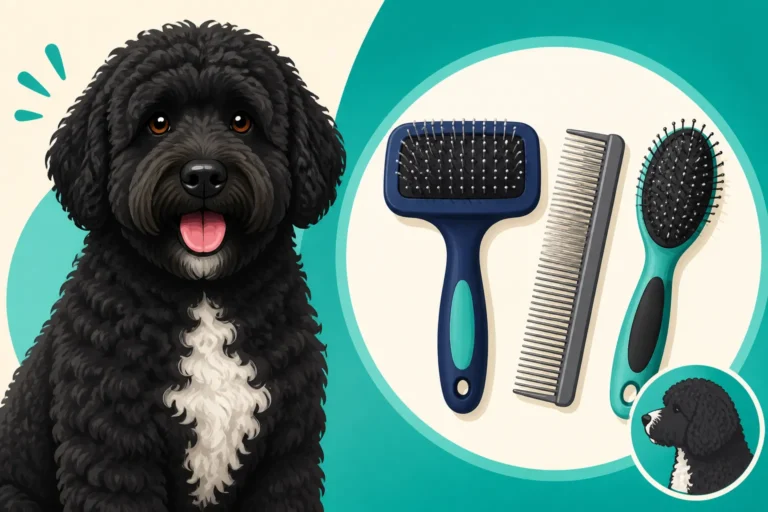
If you catch a mat early, when it's still relatively small, feels somewhat loose, and isn't pulling tightly on the skin, you absolutely can and should attempt to brush it out. These are often surface tangles, or a few strands just starting to felt together. The key here is gentleness and patience. You'll want to gather your tools: a good quality slicker brush, a steel comb, and crucially, a dematting spray or even a touch of cornstarch or baby powder. The spray helps lubricate the hair, making it easier for strands to separate, while powder can help absorb oil and provide some slip.
Start by isolating the mat with your fingers, holding the hair closest to the skin to minimize pulling. Then, using just the very tips of your slicker brush, or a mat rake, gently tease out the edges of the mat. Work from the outside in, never trying to pull the brush straight through the whole tangle. It's like unraveling a knot, strand by tiny strand. Once you've loosened it up, follow with your steel comb, again working through small sections. This process can take time, but a calm, steady approach will make it much more tolerable for your PWD. Remember, consistency is key, and regular grooming can prevent these small mats from becoming big problems. How Long Brushing a Portuguese Water Dog Takes can give you an idea of the commitment involved.
The "Dense, Skin-Tight Mat" Scenario (When Cutting is Necessary)
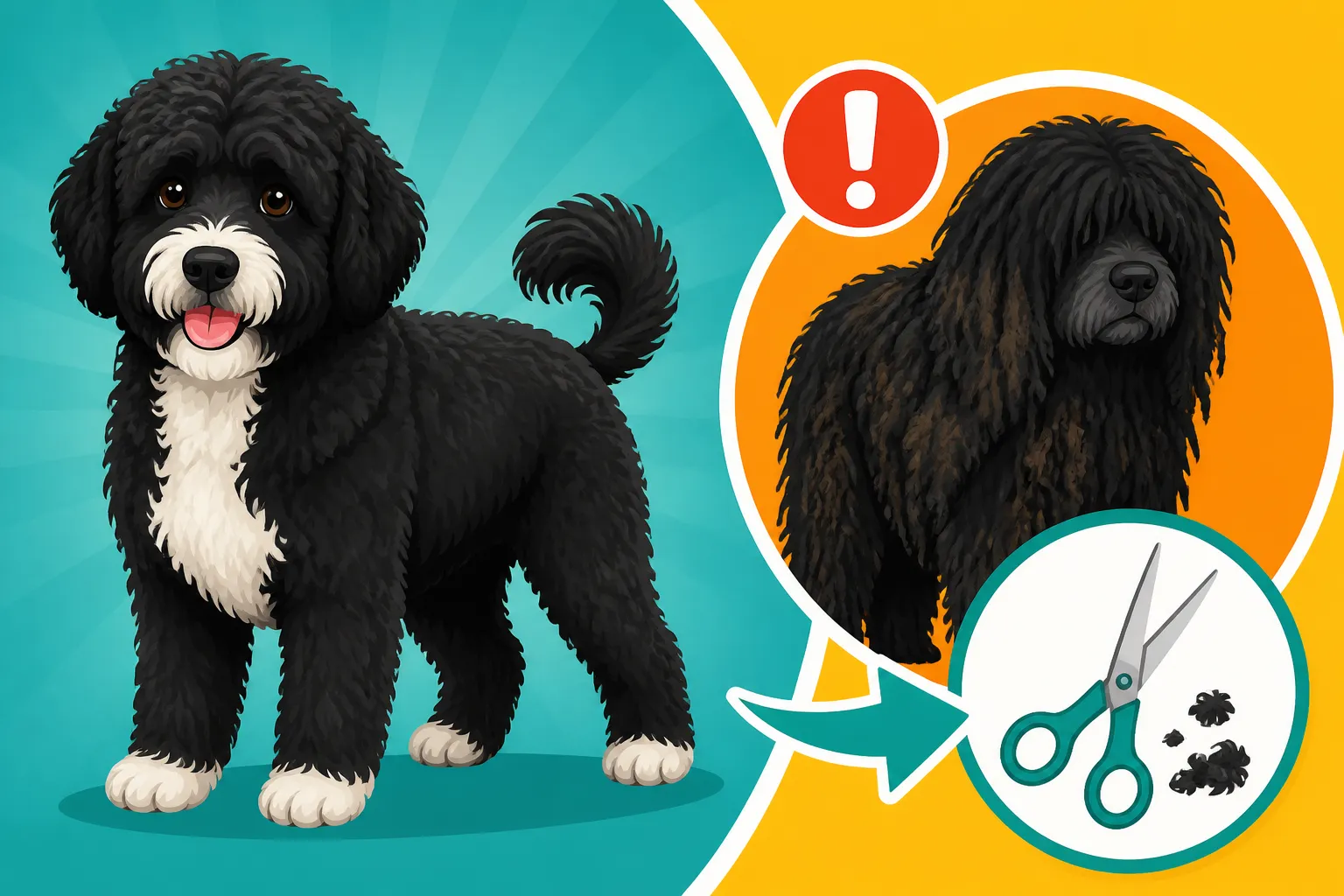
This is where tough decisions come in. If a mat is dense, hard to the touch, and feels like it's pulling the skin tight, or if it's large and covers a significant area, trying to brush it out will only cause your dog immense pain and likely result in severe brush burn or skin irritation. These mats are often cemented right down to the skin, forming a solid felted mass. It's far kinder and safer to carefully cut these out.
Trying to force a brush or comb through a skin-tight mat can tear your dog's delicate skin, causing open wounds that can easily become infected. Even trying to use electric clippers blindly on such a mat can be dangerous, as the mat itself can hide folds of skin that can get caught in the clipper blade, leading to nasty cuts. When you decide to cut, you must proceed with extreme caution. The rule of thumb is to always slide your blunt-nosed scissors under the mat, parallel to the skin, keeping a finger or comb between the blade and the skin as a guard. Never point the scissors directly at your dog's skin. If using clippers, choose a short blade and carefully try to get it under the mat, again, keeping the blade as flat as possible against the skin, using your fingers to pull the skin taut where possible, but always mindful of what the mat might be hiding. What Blade Length a Portuguese Water Dog's Retriever Clip Uses discusses blades, but for mat removal, you'd be looking at very short, precise blades, or even just cutting into the mat to break it up before clipping. If you're unsure, or the mat is extensive, it's truly best to seek professional help.
Seeking Professional Help for Severe Matting
Sometimes, a mat is just too big, too tight, or too numerous for a home grooming attempt, and that's absolutely okay. There's no shame in admitting that a professional groomer is the best solution. In fact, for severe matting, it's often the only humane option. A professional groomer has specialized tools, experience, and the skill to handle even the worst cases with minimal stress and pain for your dog. They understand how a PWD's coat grows and behaves.
Often, for widespread or very tight matting, a groomer will recommend a "shave down." This means clipping the dog's entire coat very short, effectively removing all the mats in one go. While it might be a shock to see your fluffy PWD in a much shorter coat, it's truly the kindest thing to do. It removes the source of pain, allows the skin underneath to breathe and heal, and gives you a fresh start for proper coat maintenance. Groomers prioritize the dog's safety and comfort above all else. They'll also be able to check for any underlying skin issues, hot spots, or parasites that mats can easily conceal. Remember, Why a Groomer Charges More for a Matted Portuguese Water Dog isn't just about the time; it's about the specialized skill and risk involved in safely dealing with severe matting.
The Risks and Realities of Cutting Out Mats
Cutting mats out of a Portuguese Water Dog's coat might seem like a quick fix, but it's not without its hazards. It's important to understand these risks before you even pick up a pair of scissors. The goal is always to keep your PWD safe and happy, not to cause accidental harm or a negative association with grooming.
The Dangers of DIY Mat Cutting
The most immediate danger when cutting out a mat yourself is the risk of accidental injury to your dog. Mats pull the skin up into folds, and what looks like a solid chunk of hair might actually have a thin layer of skin pulled taut right beneath it. A quick snip with scissors can easily cut the skin, leading to a painful wound, infection, or even a trip to the vet for stitches. These cuts can be deep and bleed profusely, creating a stressful and traumatic experience for both you and your dog.
Beyond physical injury, there's the psychological impact. If your dog associates grooming with pain or discomfort from past cutting incidents, they'll become anxious and resistant, making future grooming sessions even more challenging. This can break down trust and make necessary maintenance a constant battle. Furthermore, cutting out mats often leaves unsightly holes or uneven patches in the coat, which might not be a health risk but can certainly detract from the PWD's signature look. Whether Mats Hurt a Portuguese Water Dog is a definite yes, and cutting them improperly can compound that pain.
Why Prevention is Always Better
The absolute best way to deal with mats is to prevent them from forming in the first place. This requires a consistent, dedicated grooming routine, which is non-negotiable for a Portuguese Water Dog. Daily brushing with the right tools is paramount. You need to ensure your brush reaches all the way down to the skin, not just glides over the top layer of curls. A good slicker brush followed by a steel comb is essential to catch those beginning tangles before they solidify. How Often a Portuguese Water Dog Needs Brushing really can't be stressed enough – it's a daily commitment.
Regular professional grooming, every 4-8 weeks depending on coat type and length, is also a vital part of prevention. Your groomer can keep the coat at a manageable length and catch any nascent mats you might have missed. Beyond brushing, proper bathing and thorough drying are critical. A wet Portuguese Water Dog allowed to air dry without being line-brushed will almost certainly mat as the hair dries and contracts. Always force dry your PWD after a swim or bath, ensuring every strand is dry and free of tangles. Drying a Portuguese Water Dog After Every Swim and Whether a Portuguese Water Dog Mats After Swimming highlight the importance of meticulous post-water care. Using conditioning sprays can also help keep the coat hydrated and less prone to tangles, especially when brushing.
Tools and Techniques for Mat Management
Having the right tools is half the battle when it comes to managing your Portuguese Water Dog's coat and preventing mats. Trying to tackle a PWD's unique hair with inadequate equipment is like trying to build a house with a spoon – frustrating and ineffective. Let's talk about what you really need in your grooming kit.
Essential Grooming Tools for PWD Owners
For any Portuguese Water Dog owner, a well-stocked grooming kit is as important as their food bowl. First and foremost, you need a high-quality slicker brush. Not just any slicker, but one with strong, long pins that can penetrate their dense coat down to the skin. This is your primary tool for daily brushing and loosening tangles. Following that, a sturdy metal greyhound comb with both fine and wide teeth is indispensable for checking for missed mats and getting through deeper sections. Remember, if the comb can't go through, there's a mat. Which Brush a Portuguese Water Dog Needs can help you choose wisely.
For mats that are just starting to form, a mat rake or dematting comb can be very helpful. These tools have specially designed blades that can cut through mats without pulling excessively on the surrounding hair. And for those stubborn, skin-tight mats that absolutely need to be cut out, invest in a pair of blunt-nosed scissors. The blunt tips are a safety feature, reducing the risk of accidental pokes or cuts to the skin. If you're feeling adventurous and want to manage the coat length yourself, a good set of clippers is also a must. You can find all these essential grooming tools at reputable pet supply stores or online retailers like Chewy and Amazon. Always look for tools designed for dense, curly coats. Which Clippers Handle a Portuguese Water Dog's Coat will give you specific recommendations.
Step-by-Step Approach for Small Mats
When you encounter a small, manageable mat, approach it systematically and gently. First, spray the mat liberally with a dematting spray or apply a small amount of cornstarch or baby powder to help lubricate the hairs. This makes them easier to separate. Next, gently separate the mat from the surrounding healthy coat with your fingers. Hold the hair at the base of the mat, closest to your dog's skin, to prevent painful pulling. This is a critical step to ensure your dog remains comfortable.
Now, using either a mat rake or the very tips of your slicker brush, start picking at the outer edges of the mat. Work slowly, in small sections, always working from the outside of the mat inwards, never trying to pull through the entire mat at once. Think of it like carefully unraveling a ball of yarn. Once the mat starts to loosen, you can switch to your metal comb, again, working through small sections, and gradually working your way through the entire tangle. Constant reassurance and praise for your Portuguese Water Dog will go a long way in making this a positive experience. If you hit resistance or your dog shows signs of pain, stop and reassess. Patience is your greatest tool here. Whether a Slicker Reaches a Portuguese Water Dog's Skin is important, as you need to ensure your tools are actually working through the coat.
Post-Mat-Removal Care
Once you've successfully removed a mat, whether by brushing or carefully cutting it out, your job isn't quite done. Take a moment to inspect the skin underneath where the mat was. Mats can hide irritated, red, or even broken skin, especially if they were tight or there was a lot of pulling. If you notice any redness or irritation, a soothing pet-safe spray containing aloe vera or colloidal oatmeal can help calm the skin. Keep an eye on the area for the next few days to ensure no infection develops.
Equally important is positive reinforcement. Even if the process was a little uncomfortable, end on a high note. Offer your Portuguese Water Dog a favorite treat, some playtime, or lots of verbal praise. You want them to associate grooming with positive outcomes, not just the discomfort of mat removal. This helps rebuild trust and makes future grooming sessions less stressful. Finally, use the experience as a reminder to intensify your preventative grooming routine. Regular, thorough brushing is the best defense against future mats, ensuring your PWD stays comfortable and happy in their beautiful coat. How Long Home Grooming a Portuguese Water Dog Takes Weekly is a good metric to understand the time commitment required for prevention.
Disclaimer
This article is for general informational purposes only and does not constitute professional advice. Laws, prices and regulations vary by location and change over time. Consult a qualified professional for guidance on your specific situation.