Whether Swimming Tires a Portuguese Water Dog Enough
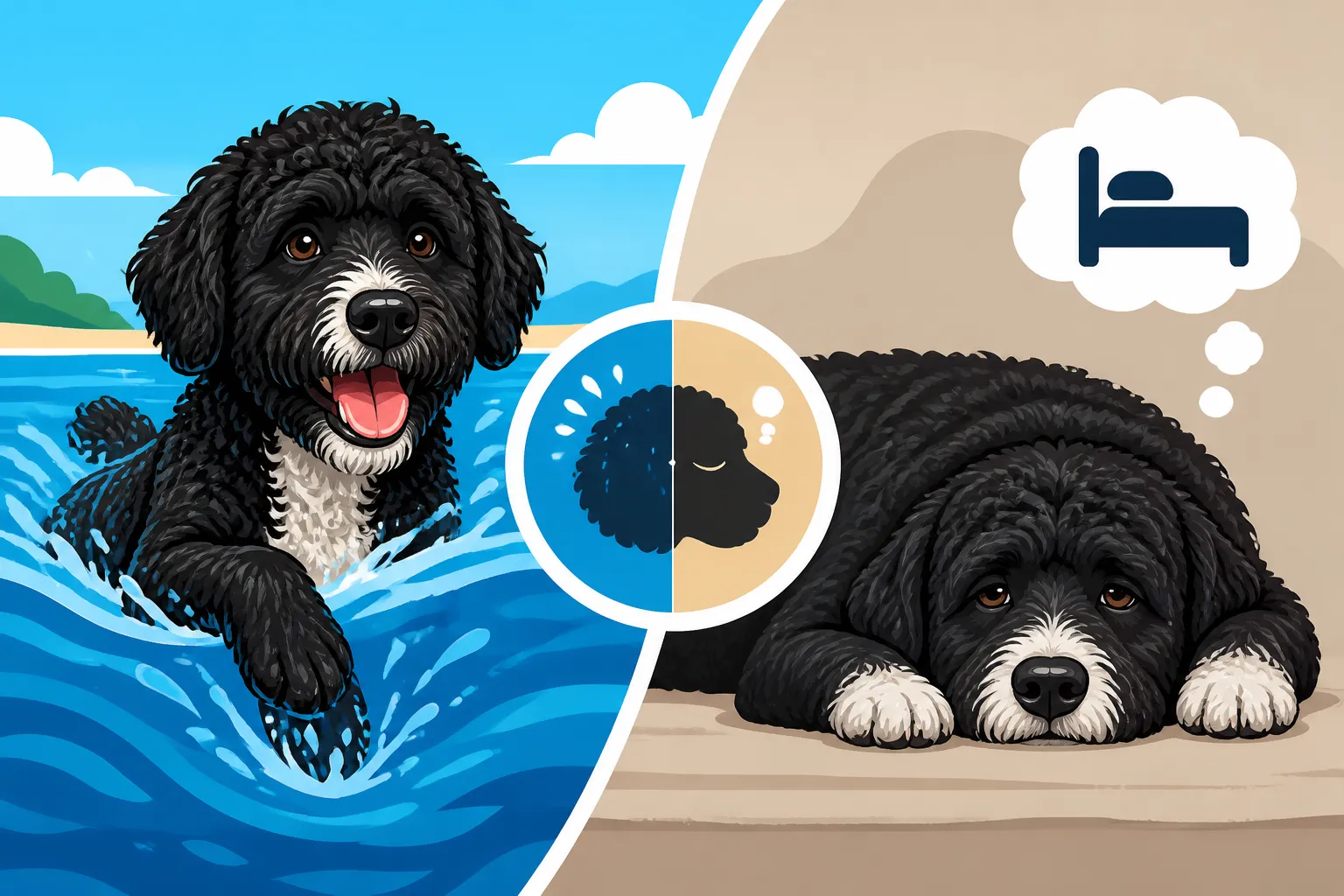
It's a common dream for Portuguese Water Dog owners, or those hoping to become one: picturing your beautiful, curly-coated companion effortlessly gliding through the water, seemingly tireless. We think, "A dog bred for water, of course swimming will tire them out!" But the reality for many PWD parents is that while swimming is fantastic exercise, relying solely on it to meet your dog's intense needs can sometimes lead to a surprisingly energetic, and occasionally mischievous, pup still bouncing off the walls. This guide will dive deep into whether swimming truly is enough to tire out your Portuguese Water Dog, exploring their unique heritage, understanding the nuances of water exercise, and helping you craft a comprehensive activity plan that keeps them happy, healthy, and well-behaved.
The Portuguese Water Dog: A Breed Built for Work, Not Just Leisurely Swims
Let's be real, the Portuguese Water Dog didn't get its name by lounging by the pool with a margarita. This is a working breed, through and through, with a history deeply intertwined with the fishing fleets of Portugal's coast. Understanding this heritage is absolutely crucial to grasping their exercise requirements today. They weren't just splashing around; they had serious jobs to do.
Unpacking Their Ancestral Drive
Imagine the scene: a bustling fishing boat off the coast of Portugal, with nets to be retrieved, messages to be carried between vessels, and even fish to be herded back into the nets. These dogs were the crew's four-legged partners, leaping into icy waters, enduring long hours, and thinking independently to solve problems. Their webbed feet, rudder-like tail, and single, waterproof coat were all evolutionary advantages for this demanding aquatic lifestyle. When you think about How a Portuguese Water Dog Drove Fish Into a Net or Whether a Portuguese Water Dog Carried Messages Between Boats, you quickly realize their ancestors were performing tasks requiring both physical stamina and considerable mental engagement. This isn't just about physical exertion; it's about purpose. A PWD's brain is as active as its body, and both need to be stimulated.
The Deep-Seated Need for a "Job"
Because they were bred to work closely with humans, often out of sight or hearing, solving problems on their own, Portuguese Water Dogs possess an incredible intelligence and an independent spirit. This combination means they don't just tolerate training; they crave it. They need a "job" because their historical role was exactly that: a vital member of the team. If you don't provide them with appropriate outlets for this intelligence and drive, they'll often invent their own jobs. And let me tell you, a bored PWD's "jobs" often involve chewing things they shouldn't, counter-surfing, or orchestrating elaborate escape attempts. It's not malice; it's simply an intelligent, high-energy dog trying to occupy itself. They need to use their brains as much as their brawn, and swimming, while physically demanding, doesn't always tick both boxes comprehensively.
When Swimming Is Enough (and When It Isn't)
So, your PWD loves the water, and you've got access to a lake, pool, or even the ocean. That's fantastic! Swimming is undoubtedly one of the best forms of exercise for this breed. It's low-impact, great for building muscle and cardiovascular health, and plays directly into their genetic strengths. But the devil, as they say, is in the details of how they're swimming.
The Intensity and Duration Factor
Not all swimming is created equal. Think about it from a human perspective: a leisurely dip in the pool is very different from an hour of competitive laps or an intense water polo match. For your Portuguese Water Dog, a casual splash around in shallow water or a few minutes of bobbing after a toy won't provide the same workout as, say, 30-45 minutes of vigorous retrieving in a lake, repeatedly bringing back a bumper tossed far out. The key here is intensity and duration.
A sustained period of active swimming, where your PWD is truly exerting themselves, paddling hard, and using their whole body, can indeed be very tiring. Consider How Far a Portuguese Water Dog Can Swim – they're built for endurance. If you're throwing a buoyant toy like a Kong or a specifically designed water dummy (you can find great options on Amazon) and they are consistently swimming, retrieving, and bringing it back, that's a much more effective workout. However, if your dog is mostly wading, sniffing around the edges, or only occasionally going in for a quick dip, they're simply not getting the full benefit, and certainly not enough to burn off all that deep-seated energy. A good indicator of a truly tired PWD after swimming is a relaxed demeanor, perhaps a bit of immediate napping, and a general calmness in the hours that follow.
Variety is the Spice of Life (and Exercise)
Even if your Portuguese Water Dog is getting intense, long swimming sessions, relying only on swimming can lead to a dog that's physically fit but potentially mentally under-stimulated, or simply bored with the routine. Think of it like a human athlete who only trains one muscle group. They might be incredibly strong in that area, but overall fitness and mental engagement require more.
Portuguese Water Dogs thrive on variety. While swimming targets specific muscle groups and cardiovascular endurance, they also need activities that engage their scent drive, their problem-solving skills, and their desire to work cooperatively with you on land. If the swimming isn't accompanied by other forms of stimulation, you might find that while your PWD is physically tired, they still have a restless mind, leading to other issues. This is why it's important to consider if Swimming Replaces Walking for a Portuguese Water Dog or if it should be an addition to a broader exercise regimen. A varied routine not only prevents boredom but also develops a more well-rounded, adaptable dog.
Spotting the Signs of Insufficient Exercise in Your PWD
It's easy to assume your water-loving Portuguese Water Dog is getting enough exercise if they spend a lot of time by the water. But their ancestral drive is strong, and sometimes, even what seems like ample activity falls short. Your PWD will usually let you know, often in ways that can be frustrating for you!
Behavioral Indicators of Boredom
An under-exercised Portuguese Water Dog, whether physically or mentally, will almost certainly exhibit unwanted behaviors. This isn't out of spite; it's their natural drive seeking an outlet. You might notice an increase in destructive chewing, especially on furniture, shoes, or anything they can get their mouths on. They might start counter-surfing with a newfound ambition, or stealing items from around the house simply because they're looking for something to do. Excessive barking, pacing, or an inability to settle even after a swim are also huge red flags. It’s their way of saying, "Hey! I have energy! Let's do something!" For a deep dive into these behaviors, check out What an Under Exercised Portuguese Water Dog Does. They might also struggle with separation anxiety if their needs aren't met, as their unspent energy can manifest as anxiety when left alone, as discussed in How a Portuguese Water Dog Behaves When You Leave.
Physical Manifestations of Unspent Energy
Beyond destructive behaviors, there can be more subtle physical signs. Your PWD might be more prone to "zoomies" around the house, running wildly and crashing into things. They might jump on guests more frequently, or generally seem to lack impulse control. While swimming is excellent, if it's the only thing they do, they might not be developing other types of physical conditioning, like agility or sustained running stamina, which can also contribute to overall restlessness. Pay attention to their attentiveness during training sessions too; an over-energetic dog might have trouble focusing, easily distracted by every little thing, simply because their internal engine is running too high. A truly tired Portuguese Water Dog, on the other hand, is usually calm, attentive, and able to relax quietly at your feet after a good day of varied activity.
Crafting a Comprehensive Exercise Plan Beyond the Water
So, if swimming alone might not always cut it, what does a truly comprehensive exercise plan for a Portuguese Water Dog look like? It's all about balance, variety, and engaging both their body and their brilliant mind.
Land-Based Activities to Complement Swimming
Incorporating land-based activities is crucial. Daily walks are a baseline, but for a PWD, they need to be more than just a stroll around the block. Think brisk, long walks, or even jogs or runs if your dog is conditioned for it and past puppyhood. Hiking is another excellent option, allowing them to explore new scents and terrain. Fetch in a large, secure yard is always a hit, especially if you can get them running at full speed. Agility training is fantastic for PWDs, combining physical challenges with mental problem-solving and close teamwork with you. They excel at it! Other options include Which Other Sports Suit a Portuguese Water Dog, such as obedience trials or rally, which require focus and cooperation. These activities build different muscle groups and keep their bodies and minds engaged in diverse ways. Even something as simple as a long line walk in a park where they can explore safely can be incredibly beneficial.
Mental Stimulation: The Often-Overlooked Component
This is where many owners miss the mark. A tired body isn't enough if the mind is still buzzing. Portuguese Water Dogs absolutely thrive on mental challenges. Puzzle toys, especially interactive ones where they have to figure out how to get a treat, can be a lifesaver on rainy days or when you can't get out for a big adventure. Nose work, where they use their incredible sense of smell to find hidden treats or toys, is another superb outlet for their intelligence. Even short, daily training sessions are great for mental exercise. Teach them new tricks, practice advanced obedience cues, or work on canine good citizen skills. Tools like online training programs from BAXTER & Bella can be invaluable here, offering structured guidance to keep both you and your PWD learning and engaged.
Think about incorporating activities that mimic their historical "job." Instead of just tossing a toy in the water, teach them to "find" an item hidden just below the surface, or retrieve multiple items in a sequence. You can even combine land and water work by having them retrieve an item from the water and then carry it to a specific spot on land. This blends their natural instincts with focused mental effort. A simple table summarizing exercise options might look like this:
| Activity Type | Examples | Benefits | Mental Engagement | Physical Exertion |
|---|---|---|---|---|
| Water Work | Vigorous retrieving, dock diving, swimming with a purpose | Cardiovascular health, muscle building, low impact, natural instinct | Moderate | High |
| Land Athletics | Brisk walks, jogging, hiking, structured fetch | Endurance, varied muscle use, scent exploration, joint health | Moderate | High |
| Structured Training | Obedience, agility, rally, trick training | Problem-solving, focus, bonding, impulse control | High | Moderate |
| Scent Work | Nose work, tracking, hide-and-seek with toys | Intense mental focus, problem-solving, natural drive fulfillment | High | Low-Moderate |
| Puzzle Play | Interactive feeders, puzzle toys, KONGs | Independent problem-solving, boredom busting | High | Low |
Remember, the goal isn't just to make them tired, but to make them fulfilled. A PWD with a truly comprehensive exercise regimen – one that balances physical output with mental challenges – is a happy, calm, and well-adjusted companion. So, while swimming is an amazing component, consider it one powerful tool in your overall toolkit for raising a thriving Portuguese Water Dog.
Disclaimer
This article is for general informational purposes only and does not constitute professional advice. Laws, prices and regulations vary by location and change over time. Consult a qualified professional for guidance on your specific situation.