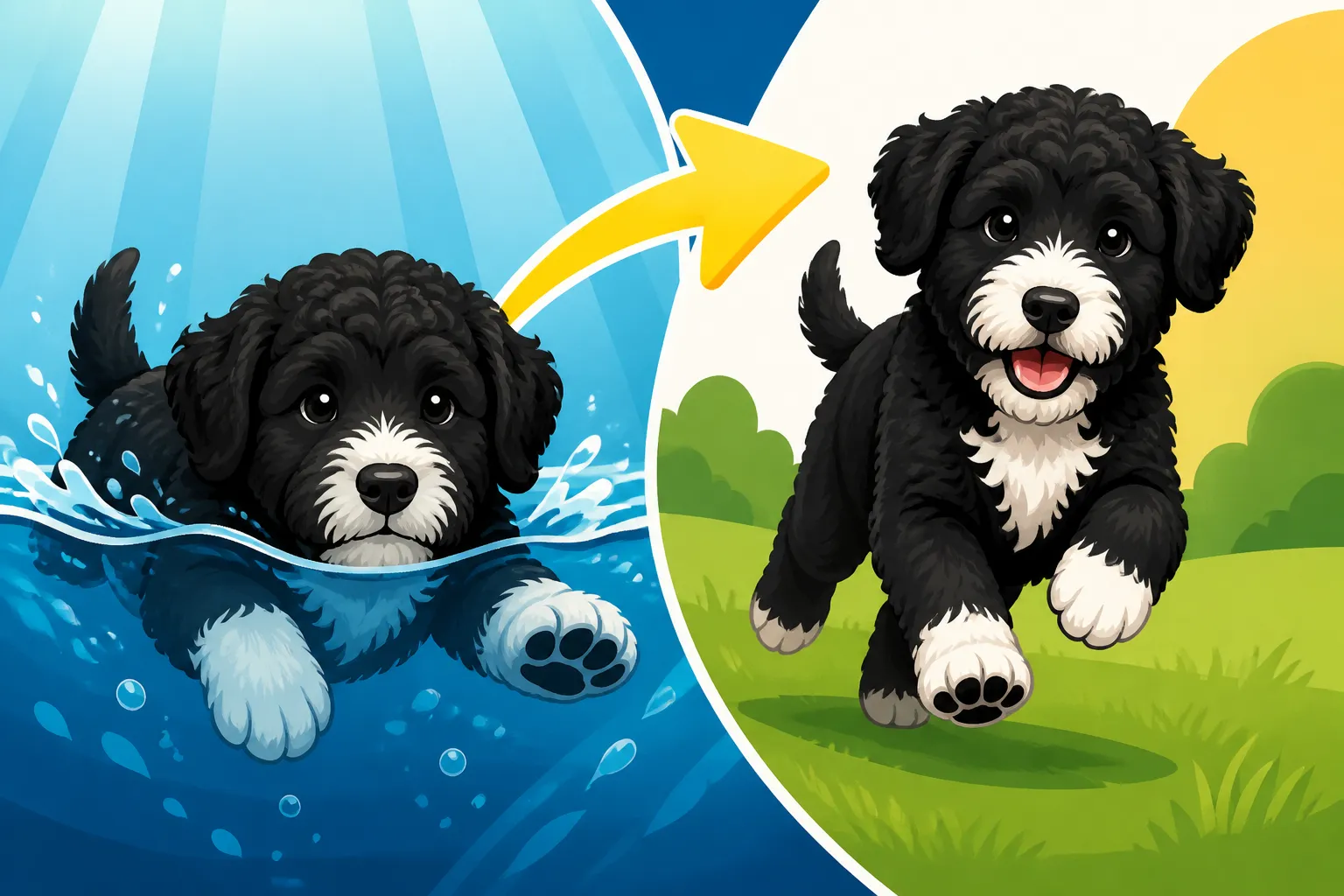
Why a Portuguese Water Dog Puppy Swims Before It Runs
It’s a curious observation for many new Portuguese Water Dog owners: why does my adorable, fluffy puppy seem to take to the water with such inherent grace, even before they’ve fully mastered their land legs? Many people assume a puppy’s first instinct would be to run and play on solid ground, but with a PWD, you often see a natural inclination toward water long before their running gait is fully coordinated. This guide will delve into the fascinating reasons behind this aquatic precocity, exploring the breed's deep heritage, unique physical development, and the best ways to nurture these early instincts safely.
The Aquatic Heritage of the Portuguese Water Dog
To understand why a Portuguese Water Dog puppy seems to swim before it runs, we first have to look at where this incredible breed comes from. These aren't just "water dogs" by accident; they were literally bred for centuries to be working partners with fishermen along the coast of Portugal. Their entire existence revolved around the ocean, making them masters of the marine environment from the moment they could move.
Born for the Water: Instinctual Drive
Imagine a fishing boat off the coast of the Algarve, bustling with activity. These dogs weren't just passengers; they were integral crew members. Their jobs included everything from herding fish into nets to retrieving lost tackle and even carrying messages between boats. This wasn't just a learned skill; it was ingrained in their very being, passed down through generations. A Portuguese Water Dog’s anatomy and temperament are perfectly suited for water work. They possess strong, muscular bodies, a powerful rudder-like tail, and those famously webbed feet. These physical traits, combined with an inherent joy for the water, create an incredibly strong instinctual drive.
For a puppy, this means that even if they've never seen a large body of water before, the drive to interact with it can be incredibly powerful. It’s like their genetic code whispers, "This is where you belong." You might notice your puppy instinctively paddling when placed in a shallow pool, or trying to retrieve toys from a kiddie pool with surprising focus. This isn't just curiosity; it's a deep-seated behavioral blueprint. While a Labrador might enjoy a swim, a PWD often demands it, feeling most at home with wet paws. This natural inclination means they often take to swimming with minimal instruction, sometimes even before their coordination on land is fully developed for sustained, agile running. For more on their historical role, check out What a Portuguese Water Dog Was Bred to Do on a Boat.
Early Development of Motor Skills
Now, let's talk about the mechanics of puppy movement. When a young puppy is learning to move, their coordination is still developing. Running, especially at speed, requires a complex interplay of balance, limb coordination, and core strength to propel the body forward efficiently and absorb impact. Puppies often go through clumsy phases where their legs seem to be moving in four different directions, and they might trip over their own feet.
Swimming, on the other hand, can be a more forgiving activity for a developing body. While it certainly requires strength, particularly in the core and hindquarters, the buoyancy of the water provides support, reducing the impact on wobbly joints and still-forming muscles. A puppy's natural paddle reflex, combined with their strong swimming physique, means they can often move quite gracefully in water before they can execute a truly coordinated run on land. Their webbed feet act like natural paddles, enhancing their efficiency in the water. This instinctive, low-impact motion allows them to build strength and confidence in their body in a way that high-impact running on hard surfaces might not allow as safely at a very young age. This unique anatomical feature helps them tremendously in the water, as discussed in How Much a Portuguese Water Dog's Webbing Adds to Its Speed.
Understanding Puppy Physical Development
It's tempting to want your new puppy to be able to do everything right away, to run and play fetch for hours, but a puppy's body is still very much under construction. Ignoring these critical developmental stages can lead to long-term health issues, making understanding physical development paramount, especially for active breeds like the Portuguese Water Dog.
Growth Plates and Joint Protection
One of the most crucial aspects of puppy development is the maturation of their growth plates. These are areas of cartilage at the end of long bones that are actively growing. Until these growth plates close, they are soft and vulnerable to injury. High-impact activities like jumping off furniture, running hard on pavement, or even prolonged, strenuous running sessions can cause damage to these plates, potentially leading to abnormal bone growth, pain, and arthritis later in life. Generally, growth plates in a Portuguese Water Dog will begin to close around 12-18 months, varying by individual and size.
This is precisely where swimming shines as an exercise for young Portuguese Water Dogs. Because the water supports their body weight, swimming is a fantastic, low-impact way for puppies to build muscle and cardiovascular fitness without putting undue stress on their delicate growth plates. It allows them to expend energy and satisfy their natural drive without the pounding and jarring that running on hard ground can entail. Instead of worrying about every jump or twist, you can watch them glide effortlessly, knowing they're strengthening their bodies safely. The general timeline for closure is important to know; more details can be found in When a Portuguese Water Dog's Growth Plates Close.
Muscular and Cardiopulmonary Development
Swimming is a full-body workout. It engages almost every muscle group, from their powerful hindquarters propelling them through the water to their core muscles for stability and their front legs for steering and propulsion. This comprehensive engagement builds balanced muscle strength and excellent endurance. When a puppy is swimming, they're constantly working their heart and lungs, improving their cardiopulmonary fitness in a very efficient manner.
Compare this to early running: while running builds leg strength, it might not offer the same holistic muscle development initially. Furthermore, sustained running in a young puppy can lead to quick fatigue without building the deep, stabilizing muscles that swimming nurtures. By allowing a PWD puppy to swim first, you're essentially providing a foundation of core strength, flexibility, and cardiovascular health that will serve them well when they do eventually transition to more strenuous land-based activities. It's about developing a robust, athletic body from the inside out, protecting those vital joints while building impressive stamina. This protective aspect of swimming for joint health is further elaborated in Why Swimming Protects a Portuguese Water Dog's Joints.
Introducing Your PWD Puppy to Water Safely
Even though Portuguese Water Dogs have an innate love for water, it's still vital to introduce them to it in a safe, positive, and controlled manner. Just like with any new experience, a bad first impression can create fear and aversion, which is the last thing you want for a breed so tied to water.
Gentle Introduction vs. Forced Entry
Never, ever force your Portuguese Water Dog puppy into the water. This is crucial. A negative experience can create a lifelong fear, which is heartbreaking for a breed designed to be aquatic. The goal is to make the water a fun, exciting, and rewarding place. Start small, perhaps with a shallow kiddie pool in your yard or a very calm, shallow edge of a lake or ocean where they can easily touch the bottom.
Use positive reinforcement – praise, treats, and their favorite floating toys. Get in with them if you can, making it a shared, joyful experience. Many puppies will naturally wade in after you or a toy. If they're hesitant, just sit by the water's edge, letting them explore at their own pace. Allow them to simply dip their paws at first, gradually encouraging them deeper. Some fantastic resources, like BAXTER & Bella, focus on positive, confidence-building training methods that can apply beautifully to water introductions. They understand that patience and encouragement are key to nurturing a dog's natural abilities without overwhelming them. For specific tips on how to approach this, refer to Teaching a Portuguese Water Dog Puppy to Enter Water.
Consider a puppy life jacket, especially if you're venturing into deeper water or if your puppy is particularly timid initially. This gives them extra buoyancy and confidence, allowing them to focus on paddling rather than staying afloat. You can find a wide range of well-fitting puppy life jackets on Amazon that provide peace of mind during these early aquatic adventures.
Gradual Progression to Land-Based Exercise
While swimming is excellent for early development, your Portuguese Water Dog puppy will eventually need to engage in more land-based exercise. The key is gradual progression. As their growth plates close and their muscles mature, you can slowly introduce activities like short walks, gentle jogs on soft surfaces (like grass or dirt trails), and controlled play sessions.
Think about the age of your puppy. A two-month-old puppy has different exercise needs than a six-month-old, and a one-year-old is different again. Avoid intense, repetitive motions or long-distance running until they are physically mature, usually around 12-18 months. Always listen to your puppy. If they're lagging, panting excessively, or showing any signs of discomfort, it's time to stop. Keep exercise sessions short and frequent rather than long and grueling. The balance is important: enough activity to build stamina and muscle, but not so much that it stresses their developing bodies. Swimming can continue to be a fantastic part of their routine, supplementing land exercise and providing a safe outlet for their boundless energy, especially when the weather is hot. Learning about Whether a Portuguese Water Dog Puppy Should Swim for Exercise can help you strike this balance.
| Developmental Stage | Primary Exercise Focus (0-6 months) | Secondary Exercise Focus (0-6 months) | Key Benefits |
|---|---|---|---|
| Early Puppyhood | Supervised water play, short swims | Controlled leash walks on soft ground | Low-impact muscle building, joint protection, confidence |
| Later Puppyhood | Continued swimming, gentle retrieves | Short, off-leash play, puppy classes | Cardiovascular health, coordination, socialisation |
The Role of Training and Environment
Beyond the physical aspects, the environment you provide and the training you implement play a monumental role in how your Portuguese Water Dog puppy develops its skills and confidence, both in and out of the water. Their keen intelligence and active nature mean they thrive on challenges and positive interaction.
Building Confidence and Coordination
Introducing your PWD puppy to water successfully does more than just build physical strength; it's a huge confidence booster. Mastering a skill like swimming, especially one so innate to their breed, gives them a sense of accomplishment and body awareness. This early confidence often spills over into other areas of their training and development. A puppy that feels secure and capable in one environment is more likely to approach new challenges on land with the same enthusiastic attitude.
Think about how a successful swim session translates: they learn how their body moves in a different medium, how to use their tail for balance, and how to navigate. This kinesthetic awareness is invaluable. When they then encounter obstacles on land, or learn a new agility skill, they have a foundational understanding of their own physical capabilities. Their natural ability in the water is often remarkable, demonstrating How Naturally a Portuguese Water Dog Swims. This early success in their ancestral element builds a resilient, self-assured companion.
Balancing Physical Activity with Mental Stimulation
Portuguese Water Dogs are not just athletic; they are incredibly intelligent and need mental stimulation just as much as physical exercise. Especially during those early months when intense physical activity needs to be limited to protect their joints, mental exercise becomes even more critical. A bored PWD puppy can quickly become a destructive PWD puppy, turning household items into makeshift chew toys if their minds aren't engaged.
Puzzle toys, scent work games (like hiding treats around the house), and short, positive obedience training sessions are fantastic ways to provide mental enrichment. Teaching new tricks, even simple ones, uses their brainpower and strengthens your bond. Platforms like BAXTER & Bella offer comprehensive online puppy training programs that emphasize mental engagement, obedience, and building good manners right from the start. They provide structured lessons that can easily be adapted to a puppy's age and physical limitations, ensuring a well-rounded development. You can also find an endless variety of engaging puzzle toys on Amazon to keep those clever PWD minds busy. Remember, a tired mind is often as important as a tired body for a happy, well-behaved Portuguese Water Dog, especially throughout their The First Year With a Portuguese Water Dog Puppy.
Disclaimer
This article is for general informational purposes only and does not constitute professional advice. Laws, prices and regulations vary by location and change over time. Consult a qualified professional for guidance on your specific situation.