What the Retriever Clip Leaves and What It Takes
It’s a common frustration for Portuguese Water Dog owners: you love that gorgeous, curly or wavy coat, but maintaining it can feel like a full-time job. Between the swimming, the playing, and just plain living, those beautiful locks can quickly become a matted mess. This comprehensive guide will walk you through the specifics of the Retriever Clip, a popular and practical grooming style that keeps your PWD comfortable, healthy, and looking fantastic without the endless battle against mats.
Understanding the Portuguese Water Dog Coat and Clipping Needs
Before we dive into the specifics of the Retriever Clip, it’s really important to understand what makes your Portuguese Water Dog’s coat so unique. It's not just hair; it's a functional marvel designed by centuries of working with fishermen. Knowing its characteristics helps you appreciate why certain grooming choices, like the Retriever Clip, are not just about aesthetics but also about your dog's well-being.
The Unique Qualities of a PWD Coat
Your Portuguese Water Dog's coat is truly a wonder. Unlike many double-coated breeds, PWDs have a single coat, meaning they lack an undercoat. This single coat can come in one of two textures: curly, which is often dense and forms cylindrical curls that don't lay flat, or wavy, which tends to be softer with loose, flowing waves. Both types are thick, abundant, and water-resistant, making them perfectly suited for their historical role as working dogs on the high seas.
What many new owners quickly learn, and sometimes struggle with, is that while PWDs are often touted as "non-shedding," that's not entirely accurate. They do shed hair, but instead of falling out all over your house and furniture, the shed hair gets caught within the existing coat. This is fantastic for those with allergies, as it reduces dander, but it creates a perfect storm for matting. If those shed hairs aren't regularly brushed out, they intertwine with the healthy coat, forming tight, painful knots that can pull on your dog's skin.
The density and texture of the PWD coat, combined with their love for water, further exacerbate this matting issue. Water, especially salt water or dirty lake water, can tighten curls and waves, making mats form even faster. This is why a consistent grooming routine isn't just a suggestion; it's an absolute necessity for keeping your PWD healthy and happy. Without proper care, skin irritations, infections, and discomfort can quickly arise underneath a neglected coat. What a Portuguese Water Dog's Coat Is Made Of delves deeper into these unique characteristics.
Why Clipping Is Essential for PWDs
Given the coat's propensity for matting, regular clipping isn't just a stylistic choice; it's a fundamental part of responsible PWD ownership. Imagine going for a swim in a heavy woolen sweater and then trying to dry it without thoroughly wringing it out or brushing it. That’s essentially what happens to a PWD with an unkempt coat. Mats trap moisture against the skin, creating an ideal breeding ground for bacteria and yeast, leading to hot spots, skin infections, and general itchiness.
Beyond hygiene, clipping also significantly contributes to your dog’s comfort. A long, heavy coat can be incredibly cumbersome, especially for an active dog that loves to run, jump, and swim. It can restrict movement, weigh them down in the water, and cause them to overheat in warmer climates or during vigorous exercise. A well-executed clip removes excess bulk, allowing for better air circulation and reducing the physical strain of carrying a heavy coat. For working dogs, or those involved in canine sports like dock diving or agility, a shorter, more manageable coat is practically a requirement.
Ultimately, proper clipping is a preventative measure. It saves your dog from discomfort and potential health issues, and it saves you, the owner, from the heartache and expense of dealing with severe matting that might require a full shave-down by a vet. It allows you to enjoy your PWD's playful, water-loving nature without constantly worrying about their coat. Understanding the importance of this care is the first step in choosing the right clip for your furry friend, and the Retriever Clip offers an excellent balance of practicality and aesthetics.
The Philosophy Behind the Retriever Clip
The Retriever Clip, for many Portuguese Water Dog owners, is more than just a haircut; it's a lifestyle choice. It embodies a practical approach to grooming that prioritizes the dog's comfort and the owner's ease of maintenance, all while still honoring the breed's natural, working aesthetic.
Historical Context and Purpose
Historically, Portuguese Water Dogs were rugged working dogs, not pampered show dogs. Their coats were maintained out of necessity to allow them to perform their duties on fishing boats – retrieving tackle, carrying messages, and even herding fish into nets. While the famous Lion Clip served a specific purpose (shorter hair on the hindquarters for efficient swimming, longer hair on the chest and head for warmth and protection), many working dogs likely sported more utilitarian, all-over clips that minimized matting and allowed for quick drying.
The Retriever Clip reflects this practical heritage. It's designed for a dog that does things – whether it's splashing in the lake, hiking through brush, or simply being a beloved family companion that enjoys an active lifestyle. It acknowledges that many modern PWDs aren't just sitting pretty; they're romping, swimming, and exploring. The clip allows the dog to perform these activities without the hindrance of a long, heavy coat that quickly becomes waterlogged and matted. It's about functionality, comfort, and allowing the dog to move freely and enjoy their natural environment. This practical approach is something you might consider when thinking about The Retriever Clip Is the Coat Most Portuguese Water Dogs Wear.
The Breed Standard's View on Clipping
For those interested in showing their Portuguese Water Dog, you might wonder if the Retriever Clip is acceptable. The good news is, yes, it absolutely is! The breed standard recognizes both the Lion Clip and the Retriever Clip as appropriate for the show ring. This flexibility underscores the breed's emphasis on functionality and natural appearance. A PWD should look like a robust, active working dog, regardless of which of the two recognized clips it wears.
The key for a show-quality Retriever Clip isn't just the length, but the overall presentation. The dog should look well-groomed, clean, and healthy. The coat should be evenly trimmed, showcasing the dog's musculature and proper conformation without appearing exaggerated or unnatural. Judges are looking for a dog that could still perform its historical duties, and a well-maintained Retriever Clip certainly conveys that image. This is a common point of discussion, as explored in Which Clip a Show Portuguese Water Dog Wears, but it ultimately means you don't have to sacrifice practicality for performance in the ring.
Anatomy of the Retriever Clip: What's Left and What's Taken
This is where we get into the nitty-gritty of the Retriever Clip. It's not a one-size-fits-all approach, but rather a set of guidelines that prioritizes an even, functional coat length across most of the dog's body, while still allowing for some breed-specific stylistic choices. Understanding what hair is left and what is taken off will help you communicate clearly with your groomer or confidently tackle the job yourself.
The Body: Uniform Length and Practicality
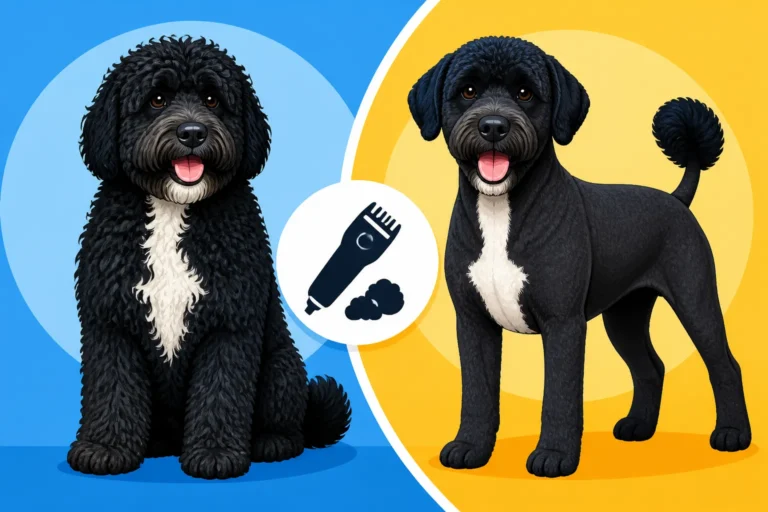
The defining characteristic of the Retriever Clip is its uniform, relatively short length across the main body of the dog. Think of it as a practical, athletic cut. The goal is to remove the bulk that can lead to matting and slow drying, while still leaving enough coat to provide protection from the elements, especially water. It's typically shorter than a full, shaggy coat but usually longer than a very close shave, which could leave the skin vulnerable to sunburn or cold.
Common blade lengths used for the body in a Retriever Clip often range from a #4 (leaving about 3/8 inch of hair) to a #7FC (leaving about 1/8 inch of hair). Some owners opt for slightly longer guard comb lengths if they prefer a fuller look or if their dog spends a lot of time in cold water. The choice of length depends on factors like your dog's activity level, the local climate, and your personal grooming frequency. A dog that swims daily in a lake might benefit from a shorter #7FC clip to ensure rapid drying and prevent skin issues, whereas a PWD in a cooler climate who only swims occasionally might keep a slightly longer #4 clip for a bit more insulation. The even length ensures that no part of the body is left with long, mat-prone hair, making daily life and post-swim routines much simpler.
This uniform length is not about stripping the dog of its natural coat; it's about making that coat manageable and healthy. It means less time spent battling knots and more time spent enjoying your PWD's energetic antics. The evenness also means that as the coat grows out between clippings, it tends to do so gracefully, maintaining a tidy appearance for longer. This practicality is a huge draw for busy families or those with multiple PWDs, cutting down on the intensive grooming demands of a longer coat.
The Head, Face, and Ears
While the body of a Portuguese Water Dog in a Retriever Clip is kept a uniform length, the head, face, and ears often receive a slightly different treatment to maintain the breed's characteristic expression. The hair on the head is typically left a bit fuller than the body, but still neat and trimmed to frame the face. You don't want a "shaved head" look that's out of balance with the rest of the body, nor do you want wild, untamed hair that obstructs the eyes.
The muzzle is often left a bit longer or trimmed to shape the face, avoiding a stark, severe look. The eyes should be clear of hair to ensure good vision and prevent irritation. Groomers will carefully trim around the eyes, often using thinning shears or small detail clippers, to create a clean but natural appearance. The hallmark PWD expression – intelligent, alert, and soulful – should always shine through. It's a balance of practicality and preserving the breed's charm.
The ears are another area of careful attention. The hair on the outside of the ears is usually left a bit longer, blending smoothly with the head, but kept tidy. Critically, the inside of the ear canal is where you need to be especially diligent. While it’s tempting to leave the hair long, excessive hair can trap moisture and debris, leading to painful ear infections, a common issue for water-loving breeds. Many groomers will gently trim or thin the hair around the opening of the ear canal to allow for better air circulation and easier cleaning, but aggressive plucking is generally discouraged as it can irritate the delicate skin. Why a Portuguese Water Dog's Ears Need Checking Every Week explains why this vigilance is so important.
The Legs, Paws, and Tail
Completing the Retriever Clip, the legs, paws, and tail are trimmed to be consistent with the practical, functional aesthetic of the rest of the dog. The hair on the legs typically follows the same length as the body, creating a streamlined look. However, some owners and groomers opt to leave the leg hair just slightly longer, particularly on the lower legs, to give a bit more substance and a classic "boot" appearance, blending smoothly into the paws. The key is that the legs remain clean and free of excessive bulk, allowing for unhindered movement on land and in the water.
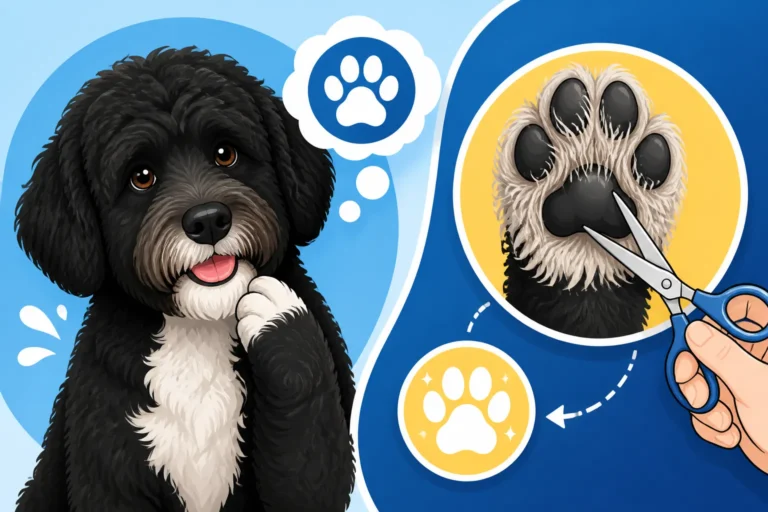
The paws are a critical area for hygiene and comfort. Hair growing between the pads can collect dirt, debris, and moisture, leading to discomfort, infections, or even slipping on smooth surfaces. In a Retriever Clip, the hair on the pads is meticulously trimmed flush, creating a neat, clean footprint. The hair around the top and sides of the paws is also tidied, giving the dog a clean, athletic appearance. This attention to paw grooming is essential, especially for a dog with webbed feet designed for swimming. Ensuring their paws are free of excess hair helps prevent mats and maintain proper traction. You can find essential grooming tools like specialized paw trimmers and nail clippers on Amazon or Chewy.
Finally, the tail – often referred to as the "rudder" – is an important part of the PWD's anatomy, used for balance and propulsion in the water. In the Retriever Clip, the tail is generally left a bit fuller than the body, often with a slight plume at the end. It's not shaved like the hindquarters in a Lion Clip, but rather trimmed to complement the overall look, providing a balanced silhouette. The hair is neatened and shaped, maintaining its natural curve and movement. It's a nod to their working heritage, emphasizing its function while still contributing to a tidy, well-groomed appearance. This comprehensive approach ensures that every part of your PWD is maintained for both health and active living.
| Feature | Retriever Clip | Lion Clip | Shaved Down (Close) |
|---|---|---|---|
| Body Length | Uniform, moderate length (e.g., 1/8 to 3/8 inch) | Front half longer, hindquarters shaved short | Very short, often to the skin |
| Head & Face | Trimmed but fuller, natural expression maintained | Fuller, often longer topknot | Very short or shaved, can look stark |
| Legs | Uniform with body, or slightly fuller, tidy | Front legs fuller, hind legs shaved to match hindquarters | Very short |
| Paws | Trimmed clean between pads and around edges | Trimmed clean between pads and around edges | Trimmed clean |
| Tail | Fuller, often with slight plume, natural rudder look | Base shaved, plume at tip (distinct "rudder" shape) | Very short or shaved |
| Maintenance | Moderate; regular brushing and clipping every 6-10 weeks | High; requires meticulous sculpting and frequent upkeep | Low initial; can lead to skin issues if done too often |
| Aesthetics | Sporty, natural, athletic, balanced | Traditional, distinctive, can be high-fashion | Utilitarian, may appear less "breed-typical" |
| Functionality | Excellent for active, swimming dogs; quick drying | Good for swimming; chest protection for cold water | Can be good for extreme matting; risks sunburn/cold |
| Show Ring | Accepted | Accepted | Generally not accepted for showing |
Why Choose the Retriever Clip for Your PWD?
When you’re a busy Portuguese Water Dog owner, every decision, from food to grooming, often comes down to practicality and what’s best for your furry family member. The Retriever Clip offers a fantastic blend of both, making it a top choice for many. It streamlines care, enhances comfort, and maintains that classic PWD look without the high demands of other styles.
Ease of Maintenance for Busy Owners
Let’s be real: PWDs are wonderful, but their coats can be a commitment. For owners who juggle work, family, and other responsibilities, the thought of daily, hour-long brushing sessions can feel overwhelming. This is where the Retriever Clip truly shines. By keeping the coat at a uniform, manageable length, it drastically reduces the time and effort required for daily upkeep. You’re not fighting against long hair that easily snags and mats; instead, you’re dealing with a shorter, more resilient coat.
This shorter length means quicker drying times after swims, baths, or even just a romp in the rain. Anyone who has tried to towel-dry a fully coated PWD knows it can take forever! With a Retriever Clip, your dog will dry faster, reducing the risk of skin infections that thrive in damp, matted environments. While you still need to brush regularly – perhaps a few times a week, especially if they’ve been swimming or playing hard – the shorter length means these sessions are much faster and more effective. You can spend less time grooming and more time enjoying those precious moments with your Portuguese Water Dog, whether it's on a hike or just cuddling on the couch.
Comfort and Health for the Dog
Beyond the owner's convenience, the Retriever Clip offers significant benefits for your Portuguese Water Dog’s comfort and overall health. PWDs are active, energetic dogs who love to be outdoors, especially around water. A shorter coat prevents them from overheating during vigorous play, long walks, or in warmer climates. Imagine running a marathon in a fur coat – that’s what a long, heavy coat can feel like for your dog. The Retriever Clip allows for much better airflow to the skin, helping regulate their body temperature and preventing heat stress.
Furthermore, a shorter coat is simply more comfortable. It’s less likely to collect burrs, twigs, and other debris from outdoor adventures. It reduces the discomfort of matting, which, if left unchecked, can be incredibly painful, pulling on the skin and even restricting movement. When mats get severe, they can hide skin problems or even make it difficult for your vet to perform examinations. By opting for a Retriever Clip, you're proactively preventing many common coat-related woes. It’s a practical choice that ensures your PWD can live its best, most active life without being weighed down or irritated by an unruly coat. This clip helps keep them free from the kind of discomfort that can lead to skin issues or general grumpiness, issues discussed in What Changes in a Portuguese Water Dog's Coat After Nine.
Aesthetic Appeal and Versatility
While the Retriever Clip is undeniably practical, don't for a second think it sacrifices style! On the contrary, it presents a very handsome, sporty, and natural look that truly highlights the athletic build and joyful spirit of the Portuguese Water Dog. It’s a clean, unfussy appearance that allows your dog’s natural conformation to shine through, rather than being hidden under a voluminous coat. Many PWD owners find this look incredibly appealing, as it emphasizes the dog’s working heritage and active nature.
The versatility of the Retriever Clip is another huge plus. As mentioned earlier, it's a recognized clip in the show ring, meaning you don't have to choose between a practical daily life clip and a show-worthy one. It transitions seamlessly from the agility course to the family picnic, from a romp in the waves to a dignified appearance at a dog event. You can still customize the length slightly within the "Retriever Clip" definition, opting for a bit longer if you prefer a fuller look, or shorter if your dog is particularly prone to matting or lives in a very warm climate. This flexibility ensures that you can find the perfect balance between ease of care, comfort for your dog, and an aesthetic that you adore, making it a popular choice for all sorts of PWDs, whether they're competing in water trials or just being your best friend. Which Clip Suits a Pet Portuguese Water Dog further explores the suitability of this style.
Maintaining the Retriever Clip at Home
Even with the ease of the Retriever Clip, regular home maintenance is still crucial. This isn't a "set it and forget it" haircut; it’s a commitment to your PWD's ongoing health and comfort. Developing a consistent routine and having the right tools on hand will make all the difference in keeping your dog looking sharp and feeling great between professional grooming appointments.
Essential Grooming Tools and Routine
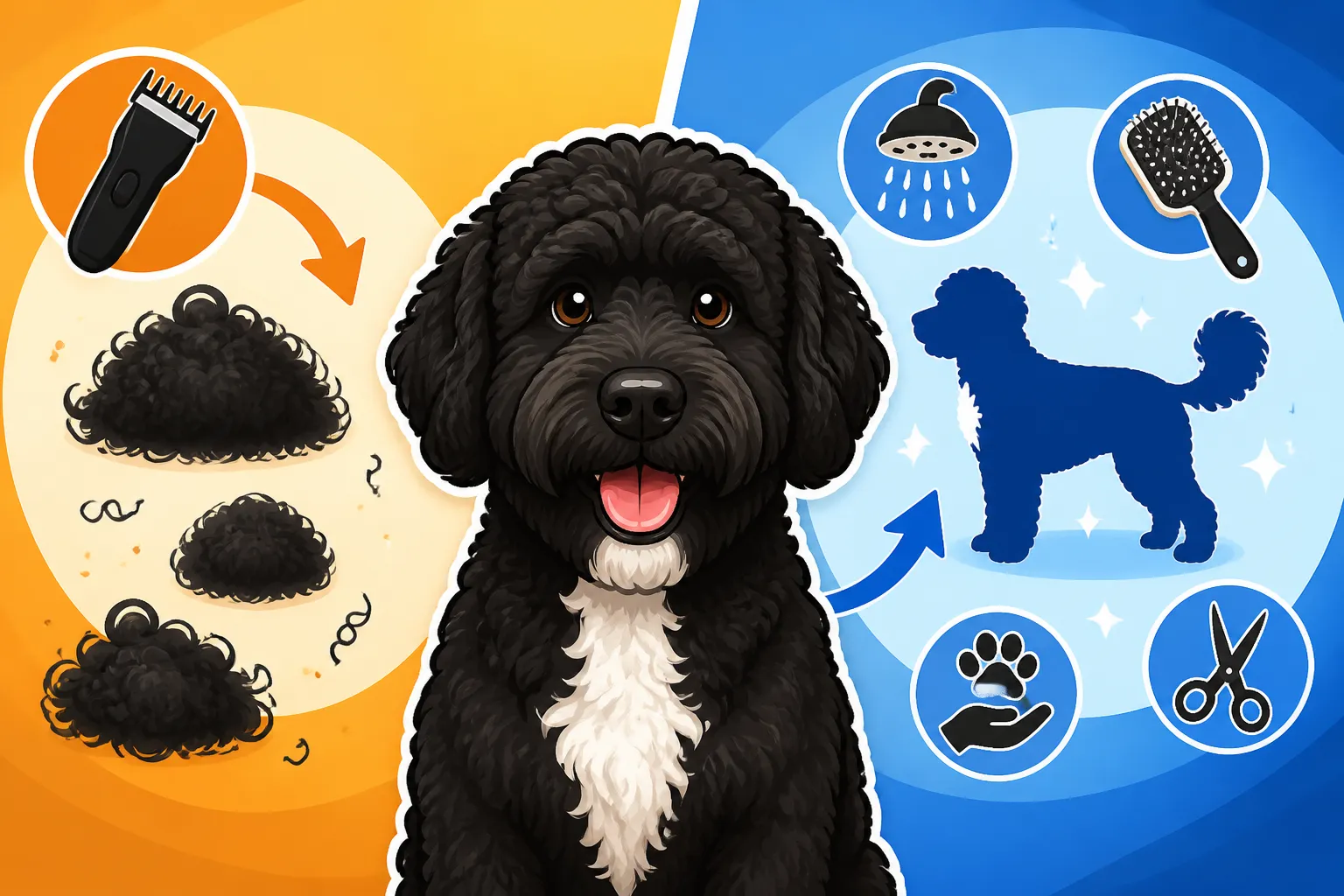
To keep your Retriever Clip looking its best, you’ll need a few essential tools. First, a good quality slicker brush and a sturdy metal comb are non-negotiable. The slicker brush helps remove loose hair and minor tangles, while the comb is vital for checking for any mats the slicker might have missed, especially behind the ears, in the armpits, and on the tail. Investing in a good pair of clippers for touch-ups or full clips can also be a game-changer if you plan to do some of the grooming yourself. Look for reputable brands that offer powerful motors and sharp blades, which you can often find readily available on Amazon.
Your home grooming routine should include regular brushing, ideally every few days, and more frequently if your PWD is actively swimming or playing in environments that encourage matting. A full bath and clip might be needed every 6-10 weeks, depending on how fast your dog's coat grows and how clean they stay. After every bath or swim, thorough drying is paramount. A high-velocity force dryer (also available on Chewy or Amazon) is a fantastic investment, as it blasts water out of the coat, significantly reducing drying time and helping to prevent mats. Simply towel drying is rarely sufficient for a PWD's dense coat, even in a shorter clip. How Long a Portuguese Water Dog Takes to Dry is a real eye-opener for many new owners.
Beyond the coat, don't forget the ears, teeth, and nails! Weekly ear checks and cleanings are vital, especially for a water dog, to prevent infections. Regular teeth brushing helps maintain dental health, and nail trims should be done every 2-4 weeks to prevent discomfort and foot problems. Establishing a calm, positive routine from a young age will make these sessions much more pleasant for both you and your PWD.
Addressing Common Retriever Clip Challenges
While the Retriever Clip makes life easier, it’s not entirely problem-free, and knowing what challenges might arise can help you be prepared. The most common issue, even with a shorter clip, is still matting, particularly in high-friction areas. These include behind the ears, in the armpits, under the harness or collar, and at the base of the tail. Regular, thorough brushing with your slicker and comb, focusing on these areas, is your best defense. If you find a small mat, try to work it out gently with your fingers and the comb, using a detangling spray if necessary. Don't pull too hard, as this can be painful for your dog.
Another challenge can be maintaining an even length if you're clipping at home. Investing in quality clippers with different blade sizes and guard combs can help. Practice makes perfect, but don’t be afraid to seek advice from a professional groomer or watch online tutorials. Sometimes, you might notice skin irritation if the blades are dull or if you’re pressing too hard. Always use sharp blades and ensure your dog’s coat is clean and dry before clipping.
Lastly, some owners might find that their PWD's coat texture changes slightly over time, especially after spaying or neutering, which can sometimes make it more prone to matting. If this happens, you might need to adjust your clipping frequency or blade length. The key is to be observant, consistent with your routine, and willing to adapt. If you encounter a mat you can't tackle or a skin issue you're unsure about, don't hesitate to contact a professional groomer or your veterinarian. Keeping a close eye on What to Do With a Portuguese Water Dog After a Swim is always a good idea to prevent some of these issues.
Professional Grooming for the Retriever Clip
While home maintenance is key, regular visits to a professional groomer are still an invaluable part of caring for a Portuguese Water Dog, even one in a Retriever Clip. A skilled groomer can offer expertise, specialized tools, and a fresh pair of eyes to ensure your PWD's coat remains healthy and perfectly styled.
When to Seek Professional Help
Even if you’re adept at home grooming, bringing your Portuguese Water Dog to a professional groomer every few months is highly recommended. For most PWDs in a Retriever Clip, a professional grooming session every 8-12 weeks strikes a good balance, but this can vary based on coat growth rate, activity level, and your personal preference for how tidy your dog looks. A professional groomer can give a crisp, even cut that's difficult to achieve at home, especially in tricky areas like the face, feet, and tail. They also have industrial-strength dryers and professional tools that make quick work of even the densest PWD coat.
Beyond the aesthetic, a groomer can spot potential problems you might miss. They're trained to notice early signs of skin irritation, ear infections, or unusual lumps and bumps that could be hidden under the coat. They can also provide a thorough nail trim, including grinding, which many owners find challenging at home, and ensure the hair between the paw pads is perfectly cleared. If your dog has developed significant matting despite your best efforts, a professional groomer has the expertise to remove them safely and with minimal discomfort to your dog, something that can be incredibly difficult for an owner to do at home without causing pain or injury. This specialized attention helps keep your dog comfortable and healthy.
What to Discuss with Your Groomer
Communication is absolutely vital when entrusting your beloved Portuguese Water Dog to a professional groomer. Don't just drop them off and say "do a Retriever Clip." Take a few minutes to discuss your expectations and your dog's specific needs. Be clear about the desired length you prefer for the body – using terms like "#5 blade all over" or "leave it a little longer, like a #4 blade" can be very helpful. You can even bring a picture of a PWD in a Retriever Clip that you particularly like, giving the groomer a visual reference.
Make sure to highlight any specific concerns you have. Does your dog tend to get mats behind their ears? Does their tail drag in the water? Do they have sensitive skin? Inform the groomer about any health issues, anxieties, or areas your dog is uncomfortable being touched. For instance, if your PWD is prone to ear infections, you might ask the groomer to be extra diligent with ear cleaning and drying, or to specifically avoid plucking ear hair if you find it irritates their ears. Many professional groomers are happy to provide feedback on your dog’s coat and offer tips for home maintenance. Building a good relationship with a skilled groomer who understands the unique needs of the Portuguese Water Dog coat is an investment in your dog’s long-term health and happiness. You can often find a good selection of professional-grade grooming supplies for home use on Chewy as well, allowing you to bridge the gap between salon visits.
Disclaimer
This article is for general informational purposes only and does not constitute professional advice. Laws, prices and regulations vary by location and change over time. Consult a qualified professional for guidance on your specific situation.