How Long a Portuguese Water Dog’s Coat Change Runs
If you're noticing your adorable Portuguese Water Dog puppy's soft, fluffy coat suddenly turning into a matting disaster zone, you're not alone. This confusing, frustrating period is what we affectionately (or not so affectionately!) call the "coat change," and it's a huge rite of passage for every PWD owner. This comprehensive guide will walk you through exactly what happens during this challenging time, how long you can expect it to last, and what you can do to keep your sanity and your dog's coat healthy.
The Surprising Reality of the Portuguese Water Dog Puppy Coat Change
Many new Portuguese Water Dog owners are utterly charmed by their puppy's soft, downy coat. It’s light, it’s fluffy, and it seems relatively easy to manage with a quick brush. You might even think, "Wow, this grooming thing isn't so bad after all!" Then, seemingly overnight, a switch flips. That lovely puppy fluff starts to intertwine with a coarser, denser, more resilient adult coat that is pushing its way through. This is the coat change, and it rarely gives you a polite warning. It’s not just a subtle transition; it's a full-on war zone where the two distinct coat types try to coexist, often resulting in a tangled mess that can become disheartening quickly.
When the Puppy Fuzz Begins to Make Way for the Adult Coat
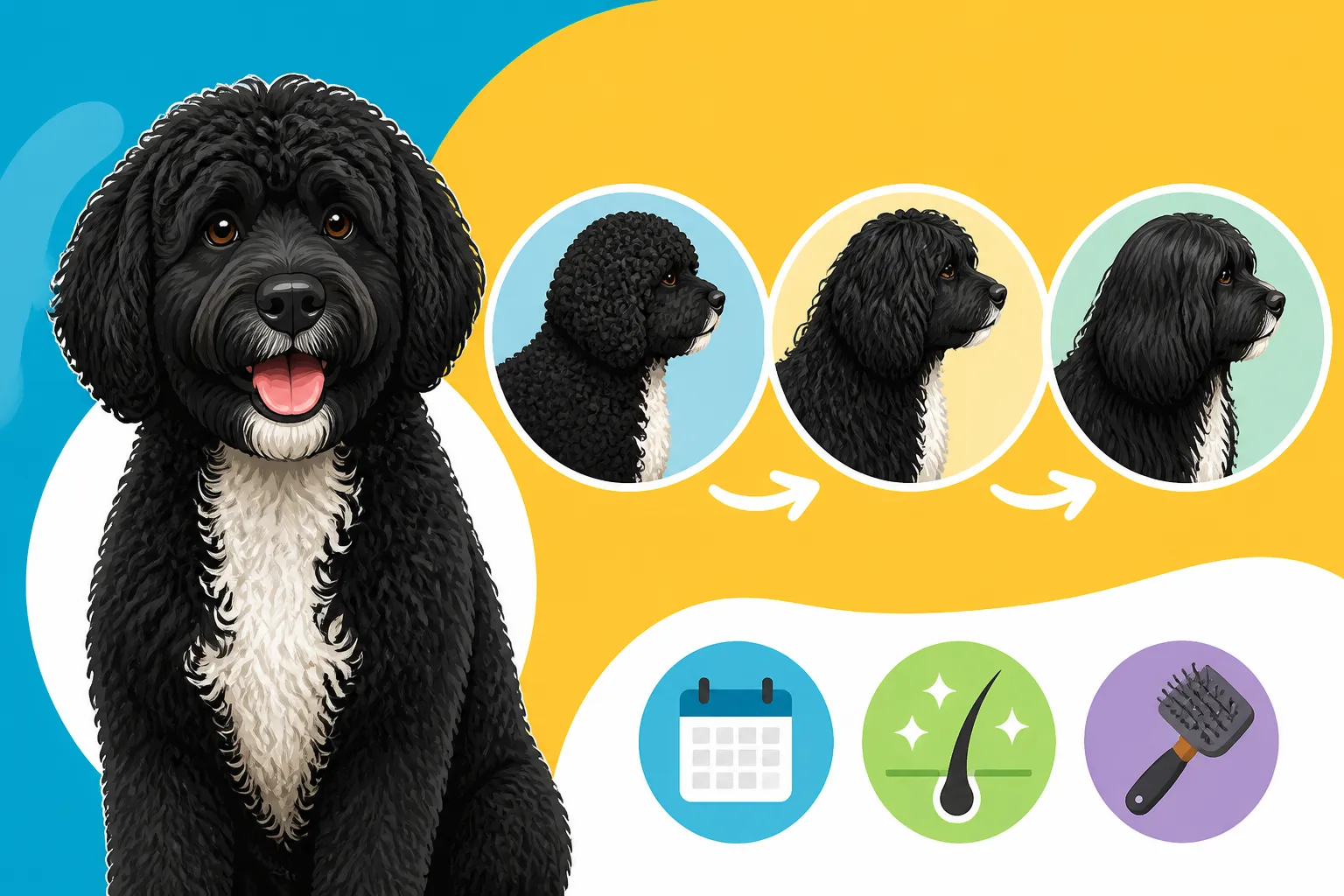
Generally, you'll start to notice the beginning of the coat change when your Portuguese Water Dog puppy is around six to nine months old. However, just like with human teenagers, there’s a wide spectrum. Some puppies might start a little earlier, closer to five months, while others might hold onto their baby fluff until they're nearly a year old. It’s highly individual and often depends on genetics. One day your dog is happily bouncing around, and the next you find a felted patch behind their ears or under their legs that wasn't there yesterday. This isn't a sign you're a bad groomer, it's just the natural, albeit messy, progression of When a Portuguese Water Dog's Puppy Coat Changes. The puppy coat is finer and softer, almost like cotton, while the emerging adult coat is thicker, has more substance, and is designed to repel water and protect the dog in various climates. These two different textures simply don't play well together, creating the perfect storm for matting.
The Gradual, Yet Stubborn, Appearance of the Adult Coat
What you'll observe is that the adult coat doesn't just sprout uniformly across your dog's body. Instead, it comes in patchy, often starting around the neck, shoulders, and along the spine. Imagine trying to brush two different types of yarn together – one fine and slippery, the other coarse and grippy. They tangle, they knot, and they hold onto each other with surprising tenacity. This is precisely what happens on your dog. The softer puppy hair gets trapped and woven into the emerging adult hair, creating incredibly dense mats that can pull on the skin and cause discomfort if not addressed promptly. It's a frustrating period because the coat you once loved for its softness suddenly feels like a relentless opponent determined to knot itself into submission. It’s crucial to understand that this isn’t a sign of neglect, but a natural phase that requires heightened vigilance and effort.
Navigating the Tangled Web: What to Expect During the Transition
Once the coat change truly kicks in, you'll feel like you're constantly battling mats. Areas that were never an issue before suddenly become prime targets for tangles. This period is notorious for testing the patience of even the most dedicated Portuguese Water Dog owners. The combination of shedding puppy hair and growing adult hair creates a unique challenge that demands consistent and thorough grooming. Skipping even a day or two can lead to mats that are incredibly difficult, if not impossible, to brush out without causing pain or resorting to shaving.
The Matting Nightmare: Where and Why It Happens
During the coat change, mats seem to appear out of thin air, especially in high-friction areas. Think about behind the ears, under the armpits, around the collar, and in the groin area. These are the hotspots where movement and rubbing cause the two coat textures to felt together most aggressively. Your dog's regular activities, like running, playing, and especially swimming, can exacerbate the issue. Water, while great for their muscles and mental stimulation, makes the coat even more prone to matting as it dries, tightening any existing tangles. This is exactly Why a Portuguese Water Dog Mats Worst During the Change. It’s a battle of textures, and the finer puppy coat, once it's dead, simply wraps around the stronger adult coat, forming tight, painful knots that can pull on the skin. You might find yourself checking for mats several times a day, only to discover new ones forming.
To give you a clearer idea of typical matting hotspots:
| Body Area | Reason for Matting | Grooming Focus |
|---|---|---|
| Behind Ears | Constant rubbing from head movement; collar friction. | Gentle, frequent brushing with a pin brush and comb. |
| Armpits | Movement of legs, moist environment. | Lift legs, brush thoroughly into the skin. |
| Groin/Inner Thighs | Sitting, leg movement, moisture. | Carefully line brush, especially after potty breaks. |
| Under Collar/Harness | Constant friction, trapped moisture. | Remove collar/harness daily to brush thoroughly. |
| Tail Base | Wagging action, sitting. | Brush all around the base of the tail. |
| Anywhere the Coat is Long | Gravity, movement, general coat interaction. | Systematic line brushing over the entire body. |
Changes in Coat Texture and Density
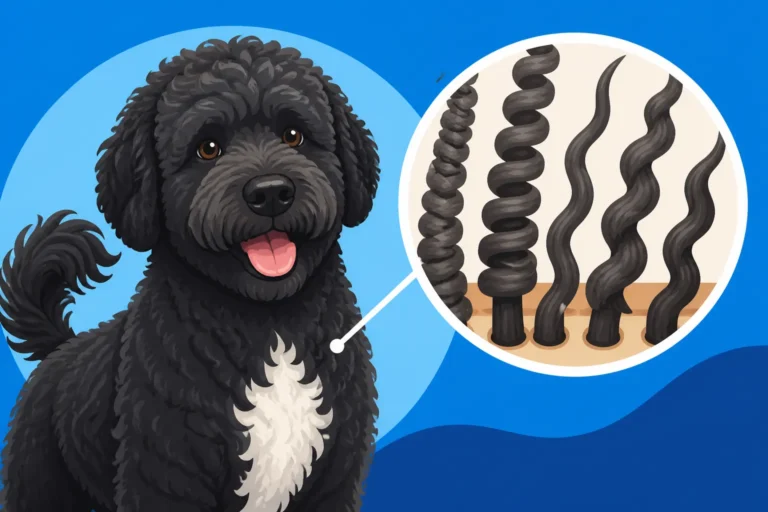
As the adult coat establishes itself, you’ll notice a distinct change in the overall feel and appearance of your Portuguese Water Dog’s fur. The fluffy, almost weightless puppy coat gives way to a more substantial, often curlier or wavier texture. This new coat is much denser, designed for insulation and protection in water. If your dog is a curly-coated PWD, the curls will become more defined and springy. If they are wavy-coated, the waves will become more pronounced and thicker. This increased density means that brushing becomes a much more involved task. It's no longer a quick surface brush; you need to get all the way down to the skin with your brush and comb to ensure no mats are forming at the base of the hair shaft. This transition can also affect how you perceive your dog's overall size and shape, as the denser coat can make them look more robust.
The Increased Demands on Your Grooming Schedule
During this critical coat change period, your grooming routine will inevitably become much more intense. That once-a-week brush might need to become a daily, or even twice-daily, session. We're talking dedicated time, not just a quick run-through. How Long Brushing a Portuguese Water Dog Takes can easily double or triple during the coat change phase. What used to be a 15-minute affair might now be a 30-60 minute ordeal, depending on the severity of the matting and your dog's cooperation. It's a huge commitment, and many owners are caught off guard by just how much effort it requires. But remember, diligent grooming during this phase is an investment in your dog’s comfort and future coat health. Neglecting it can lead to painful matting that requires extensive, sometimes full-body, shaving, which is certainly not ideal for a breed known for its distinctive coat.
The Long Haul: How Long the Coat Change Truly Lasts
So, how long does this matting madness actually last? That's the million-dollar question, and unfortunately, there's no single, easy answer. The coat change is not a quick event; it’s more of a drawn-out process that demands patience and persistence.
Typical Duration and Factors Influencing the Length
For most Portuguese Water Dogs, the active and most challenging phase of the coat change typically lasts anywhere from 6 to 12 months. Yes, you read that right – it can feel like an entire year of constant vigilance and brushing! It often begins around 6-9 months of age and can continue, sometimes in waves, until the dog is around 18-24 months old. During this time, the adult coat is continuously developing, pushing out the last remnants of the puppy coat.
Several factors can influence the exact duration:
- Genetics: Some lines simply have a more intense or longer coat change than others. If you talk to your breeder, they might be able to give you an idea of what to expect from your puppy's specific lineage.
- Coat Type: While both curly and wavy coats go through a change, some owners report that the curly coat might be slightly more prone to matting during this phase due to its tighter structure, but both require significant attention.
- Spay/Neuter Status: This is a big one. Hormonal changes from spaying or neutering can dramatically affect a dog's coat, sometimes making it softer, thicker, and more prone to matting even after the initial coat change is theoretically over. Whether a Spayed Portuguese Water Dog's Coat Changes is a question many owners ask, and the answer is a resounding "yes," often for the worse in terms of grooming difficulty. It can sometimes feel like the coat change never truly ends after a spay or neuter, requiring continued diligent care.
- Environment and Activity Level: Dogs that swim frequently or are exposed to burrs and debris will naturally require more intensive grooming.
When the Adult Coat Finally Stabilizes
You'll know the coat change is nearing its end when the matting intensity starts to decrease. You'll still need to groom regularly, but those alarming, felted mats won't be appearing quite as rapidly or aggressively. The adult coat will feel consistent throughout, and you’ll notice that brushing feels more productive, as if you’re actually getting through the coat rather than just skimming the surface of an impending disaster. For many PWDs, this stabilization happens somewhere between 18 months and two years of age. At this point, the adult coat is fully grown in, and while it will still require regular grooming—the Portuguese Water Dog is a high-maintenance grooming breed for life—the battle against the conflicting puppy and adult hairs will finally be over. You’ll breathe a sigh of relief, I promise! You’ll start to see a more predictable pattern to their grooming needs, though they will always require regular attention to prevent matting.
Essential Grooming Strategies for the Coat Change Period
Surviving the coat change in one piece (both yours and your dog's!) requires a proactive and consistent approach to grooming. This isn't a time for shortcuts; it's a time for dedication. Getting the right tools and establishing a routine are paramount.
Arm Yourself with the Right Tools and Techniques
First things first: you need the right arsenal of grooming tools. Don’t skimp here; quality tools make a significant difference. You’ll need a good quality pin brush, a sturdy metal comb (preferably a Greyhound comb with both wide and fine teeth), and possibly a slicker brush for certain areas or initial mat removal. Many owners find a detangling spray invaluable for helping to loosen knots before brushing. You can find excellent options for all these tools on platforms like Chewy or Amazon.
- Pin Brush: This is your daily workhorse. It should have rounded pins that glide through the coat without scratching the skin. You'll use this for overall brushing.
- Metal Comb: Essential for checking your work and finding hidden mats. The comb needs to be able to go all the way to the skin. Which Comb a Portuguese Water Dog Owner Needs is often a matter of personal preference, but a good sturdy metal comb is non-negotiable.
- Slicker Brush: Can be useful for gently teasing apart smaller mats or for opening up the coat before using the pin brush. Be careful not to "rake" the skin with it.
- Detangling Spray: A must-have! Spraying a mat before attempting to brush it helps lubricate the hair and makes it much easier to separate.
When it comes to technique, "line brushing" is your best friend. This isn't just a surface brush. You part the coat horizontally, hold the hair above the part, and brush the hair below the part, section by section, starting from the bottom of the legs and working your way up. This ensures you get all the way down to the skin and prevent mats from forming at the roots.
Establishing a Non-Negotiable Grooming Schedule
During the coat change, you truly cannot afford to skip grooming sessions. Aim for daily brushing and combing, even if it’s just for 15-30 minutes. Some days might require more, especially after a swim or a romp in the woods. Consistency is key. A daily routine helps prevent small tangles from becoming massive, impenetrable mats, which are far more painful for your dog to deal with.
Consider a schedule like this:
- Daily: Full body line brush and comb-through, paying extra attention to known matting areas (behind ears, armpits, groin). Use a detangling spray as needed.
- Weekly/Bi-Weekly: A full bath and thorough blow-dry. Drying a Portuguese Water Dog properly is essential, as dampness encourages matting. How Often a Portuguese Water Dog Needs Clipping will also increase during this time, so consider shorter clips to make grooming easier.
- Monthly/Bi-Monthly: Professional grooming. Even if you're committed to home grooming, a professional groomer can help keep things tidy, address any mats you missed, and maintain a manageable clip.
When to Seek Professional Help
Don't be ashamed to call in the professionals! Many Portuguese Water Dog owners, especially first-timers, find the coat change overwhelming. A professional groomer who is experienced with PWDs can be an invaluable resource. They can tackle difficult mats, provide advice on grooming techniques, and give your dog a "deshedding" clip that helps remove some of the puppy coat while blending in the adult coat. This can significantly reduce the amount of matting you face at home. If you find a large, painful mat, or if your dog is showing signs of discomfort during brushing, it's always better to take them to a professional than to try and force a brush out that could hurt them. Sometimes, a "short and sweet" all-over clip is the kindest option during the worst of the coat change, allowing both you and your dog a fresh start. Remember, a happy, comfortable dog is the ultimate goal, even if it means a temporarily shorter coat.
The coat change is a marathon, not a sprint. It’s a temporary, albeit challenging, phase in your Portuguese Water Dog’s life. With the right tools, consistent effort, and a good dose of patience, you and your furry friend will emerge on the other side with a beautiful, healthy adult coat, ready for all your adventures together.
Disclaimer
This article is for general informational purposes only and does not constitute professional advice. Laws, prices and regulations vary by location and change over time. Consult a qualified professional for guidance on your specific situation.