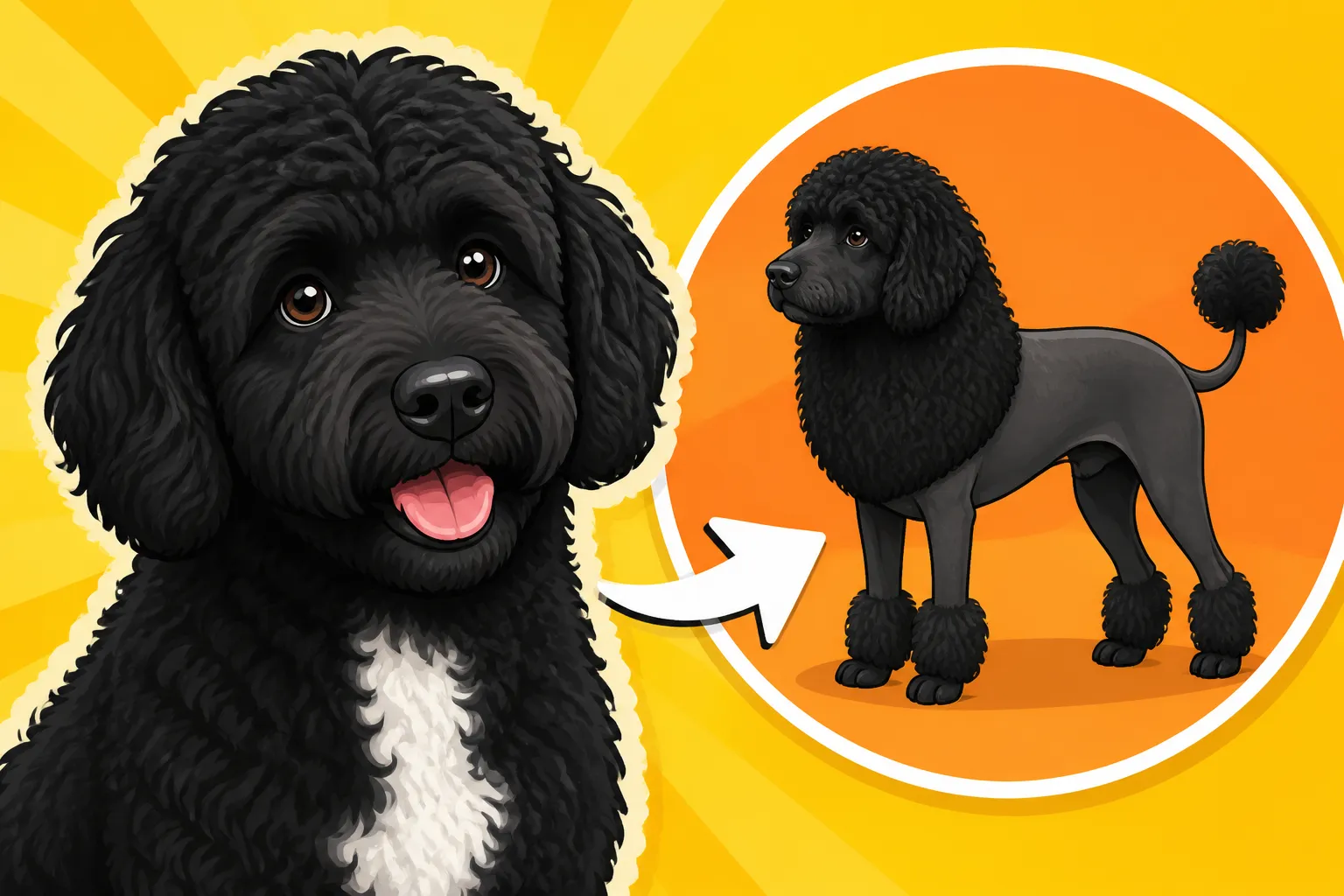
Why the Portuguese Water Dog Lion Clip Exists
Many prospective Portuguese Water Dog owners are captivated by the breed's unique "lion clip," seeing it in show rings and historical photos, but often wonder if it's purely for aesthetics or if there's a practical reason behind this distinctive look. It's a valid question, especially given the breed's working heritage! This guide will delve into the rich history and practical benefits that led to the development and persistence of the Portuguese Water Dog's iconic lion clip, helping you understand its roots and its relevance today.
The Lion Clip's Genesis: A History Rooted in Function
The Portuguese Water Dog, or Cão de Água Português, isn't just a pretty face with a fun haircut. This breed was meticulously developed over centuries to be a vital working partner to fishermen along the rugged coastlines of Portugal. Every aspect of their physical makeup and care, including their grooming, was designed with a specific purpose: to enhance their ability to perform demanding tasks in and around the water. The lion clip, far from being a whimsical style, was a clever, practical solution born from necessity.
The Ancient Fishing Boats of Portugal
Imagine a small, bustling fishing boat off the coast of the Algarve, waves crashing, nets heavy with the day's catch, and a strong, intelligent dog leaping in and out of the water. This was the original domain of the Portuguese Water Dog. These dogs were not mere companions; they were active members of the crew. They would retrieve lost tackle, carry messages between boats, and even "herd" fish into nets. The conditions were harsh: cold Atlantic waters, often for hours at a time, followed by exposure to chilly winds on deck. Their dense, single coat, which is either curly or wavy, was a natural insulator, designed to protect them from the elements.
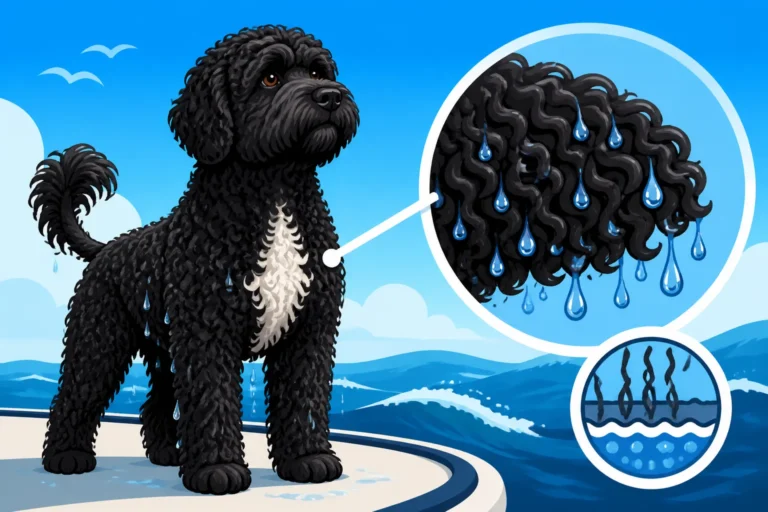
However, a full, unclipped coat, while insulating, could become cumbersome, heavy, and slow in the water, and terribly slow to dry. It could also trap a lot of water, making the dog even heavier and more prone to chilling once out of the water and exposed to the wind. The fishermen, with their keen practical sense, needed a way to manage the coat for optimal performance without sacrificing essential warmth and protection. This led to the ingenious solution of the lion clip, which strategically removed hair where it hindered movement, but preserved it where it provided vital protection. If you want to dive deeper into their original role, read The Portuguese Water Dog Worked the Algarve Fishing Fleet.
Optimizing for Water Work and Efficiency
The core purpose of the lion clip was all about function, not fashion. The fishermen weren't thinking about show rings or aesthetic appeal; they were focused on their livelihood and the efficiency of their canine partners. By shaving the hindquarters and part of the tail, the clip significantly reduced drag in the water, allowing the dog to swim more quickly and with less effort. Think of it like a swimmer shaving their legs for a competition – less resistance means better performance. A lighter, less bulky hindquarter made it easier for the dogs to propel themselves through the water, especially when retrieving heavy objects or navigating strong currents.
Moreover, the clipped rear dried much faster than a full coat, which was crucial for preventing hypothermia in a dog that was constantly in and out of frigid ocean water. The practicality extended to hygiene as well. Mud, fish scales, and debris from the boat and water could easily get tangled in a long, dense coat. A shorter clip on the hindquarters made it much easier to clean the dogs, preventing skin irritations and infections that could sideline a valuable worker. It was a true reflection of the breed's purpose, optimizing their physical capabilities for their demanding maritime "job." For more on their historical tasks, check out How a Portuguese Water Dog Earned Its Place on a Boat.
More Than Just Looks: The Practical Benefits of the Traditional Clip
While the lion clip might look decorative to modern eyes, every aspect of its design served a clear, functional purpose for the working Portuguese Water Dog. It was a careful balance of protection and practicality, allowing the dogs to excel in their environment without compromising their health or effectiveness.
Protecting Core Organs While Maintaining Mobility
One of the genius aspects of the lion clip is how it protects the dog's vital organs while freeing up areas for maximum mobility. The chest, ribcage, and front quarters are left covered with a full coat. This dense covering acts like a natural wetsuit, insulating the dog's heart, lungs, and other essential organs from the chilling effects of cold water. When a Portuguese Water Dog plunges into the frigid Atlantic, this thick "jacket" of hair helps maintain core body temperature, preventing rapid heat loss which could lead to hypothermia. This protection was absolutely crucial for dogs that might spend extended periods swimming or diving.
At the same time, the forelegs, which are essential for paddling and climbing back into boats, are also left with a good covering of hair, offering insulation and some protection from minor abrasions. This strategic preservation of hair in key areas showcases the thoughtfulness behind the clip. It's not just about looking distinct; it's about making sure the dog can function optimally and safely in its challenging work environment. Understanding What the Lion Clip Leaves and What It Takes truly illustrates this balance.
The Advantage of a Cleared Hindquarters
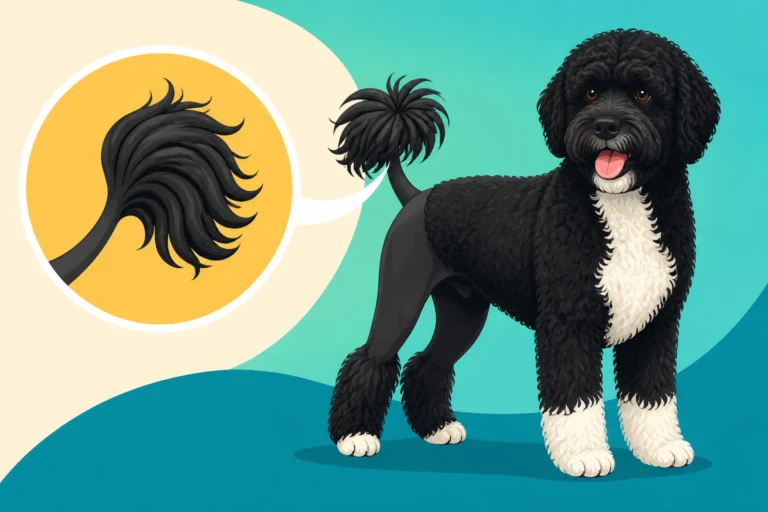
The most striking feature of the lion clip is the shaved hindquarters, often leaving only a small plume at the end of the tail. This wasn't done for mere aesthetics; it had several critical practical advantages. Firstly, it drastically reduced the amount of water the dog carried. A heavy, water-logged rear end would be a significant burden, slowing the dog down and making it expend more energy. By removing this bulk, the dogs could swim with greater speed and agility, an undeniable advantage when chasing fish or retrieving items quickly from the sea.
Secondly, a bare hindquarter dried much, much faster. Imagine a dog with a full, thick coat getting drenched in freezing ocean water. The longer the coat stays wet, the greater the risk of chilling and skin issues. With the hindquarters clipped short, the dog could dry off more quickly on deck, minimizing the risk of adverse health effects from prolonged dampness. This was particularly important given the repeated trips into the water that a working Portuguese Water Dog would make throughout the day. The tail plume itself also served a purpose – it could act as a rudder, aiding in steering and visibility in the water, allowing fishermen to keep track of their dogs even in rough conditions. This functional aspect is why many still ask Whether the Lion Clip Helped a Working Portuguese Water Dog Swim.
From Fishing Vessel to Show Ring: The Modern Interpretation of the Lion Clip
While the original purpose of the lion clip was purely utilitarian, it has evolved over time, becoming an integral part of the Portuguese Water Dog's identity in the modern world. Today, it stands as a testament to their heritage, though its practical implications for most pet owners are vastly different from those of the old fishermen.
Maintaining the Standard in Contemporary Life
In the contemporary world, very few Portuguese Water Dogs are actively working on fishing boats. However, the lion clip endures as the traditional and often preferred grooming style in conformation shows. It is a direct nod to the breed's origins and a visual representation of their historical working form. Judges look for the precise balance and lines of the lion clip, assessing how well the dog's structure fits the historical function the clip was designed to enhance. For show enthusiasts, mastering this clip is an art form, requiring skill and dedication to maintain its crisp lines and proper proportions.
Even for pet owners, choosing the lion clip can be a way to connect with the breed's history and admire its unique aesthetic. It sets the Portuguese Water Dog apart and highlights their distinctive athletic build. However, it's crucial for owners to understand that this clip is more than just a quick trim. It requires regular maintenance, precise clipping techniques, and an understanding of the breed's coat. Many new owners are surprised by The Clip You Choose Decides a Portuguese Water Dog's Grooming Bill when opting for specialized clips.
The Realities of Grooming a Lion Clip Today
While the lion clip was practical for fishermen, it presents a different set of considerations for today's pet owner. The parts of the coat left long, particularly on the chest and forequarters, still need diligent care to prevent matting. The dense, non-shedding coat of a Portuguese Water Dog is prone to tangles and mats, especially when wet or if not brushed regularly. This means that a dog in a lion clip, particularly if active, still requires frequent brushing and professional grooming appointments to maintain its shape and health. Products available on platforms like Chewy or Amazon, such as high-quality slicker brushes and detangling sprays, become essential tools in this routine.
Owners also need to consider the climate. While the unclipped areas offer warmth, the shaved hindquarters can leave a dog more susceptible to cold in harsh winter conditions. Many owners find themselves purchasing dog coats or sweaters for their lion-clipped PWDs during colder months, especially if they spend a lot of time outdoors. Conversely, in hot weather, the full coat on the front can still lead to overheating if the dog is over-exercised. So, while it's a beautiful and traditional clip, it demands commitment and awareness from modern owners. If you're considering this clip, be prepared for The Lion Clip Costs a Portuguese Water Dog Owner Daily Brushing. For more on coat care, see What a Portuguese Water Dog's Coat Is Made Of.
Here's a quick comparison of the Lion Clip with other common clips for Portuguese Water Dogs:
| Feature | Lion Clip | Retriever Clip | Shaved Down Clip |
|---|---|---|---|
| Historical Use | Original working clip for fishermen. | Less traditional, more modern pet clip. | Functional for extreme mats or specific needs. |
| Appearance | Shaved hindquarters & tail base, full front. | Even length over body, often 1-2 inches. | Very short all over, usually less than 1/2 inch. |
| Function | Reduced drag, faster drying, organ protection. | Practical for active pets, lower maintenance. | Cools dog, restarts coat after severe matting. |
| Maintenance | High: regular brushing, professional clipping. | Moderate: regular brushing, professional clipping. | Low: easy to brush, needs frequent clipping. |
| Warmth | Good on front, less on hindquarters. | Moderate even coverage. | Minimal all over, requires protection in cold. |
| Show Ring | Accepted and traditional. | Not accepted for conformation shows. | Not accepted for conformation shows. |
When deciding on a clip for your Portuguese Water Dog, whether you want to honor the breed's history with a lion clip or opt for a more practical retriever clip, resources from brands like Ollie can ensure your energetic pup is well-nourished, while grooming tools readily available on Chewy and Amazon can help maintain any coat style you choose. Remember, the lion clip is more than just a style; it's a living piece of Portuguese Water Dog history.
Disclaimer
This article is for general informational purposes only and does not constitute professional advice. Laws, prices and regulations vary by location and change over time. Consult a qualified professional for guidance on your specific situation.