Whether Lake Water Leaves a Smell on a Portuguese Water Dog
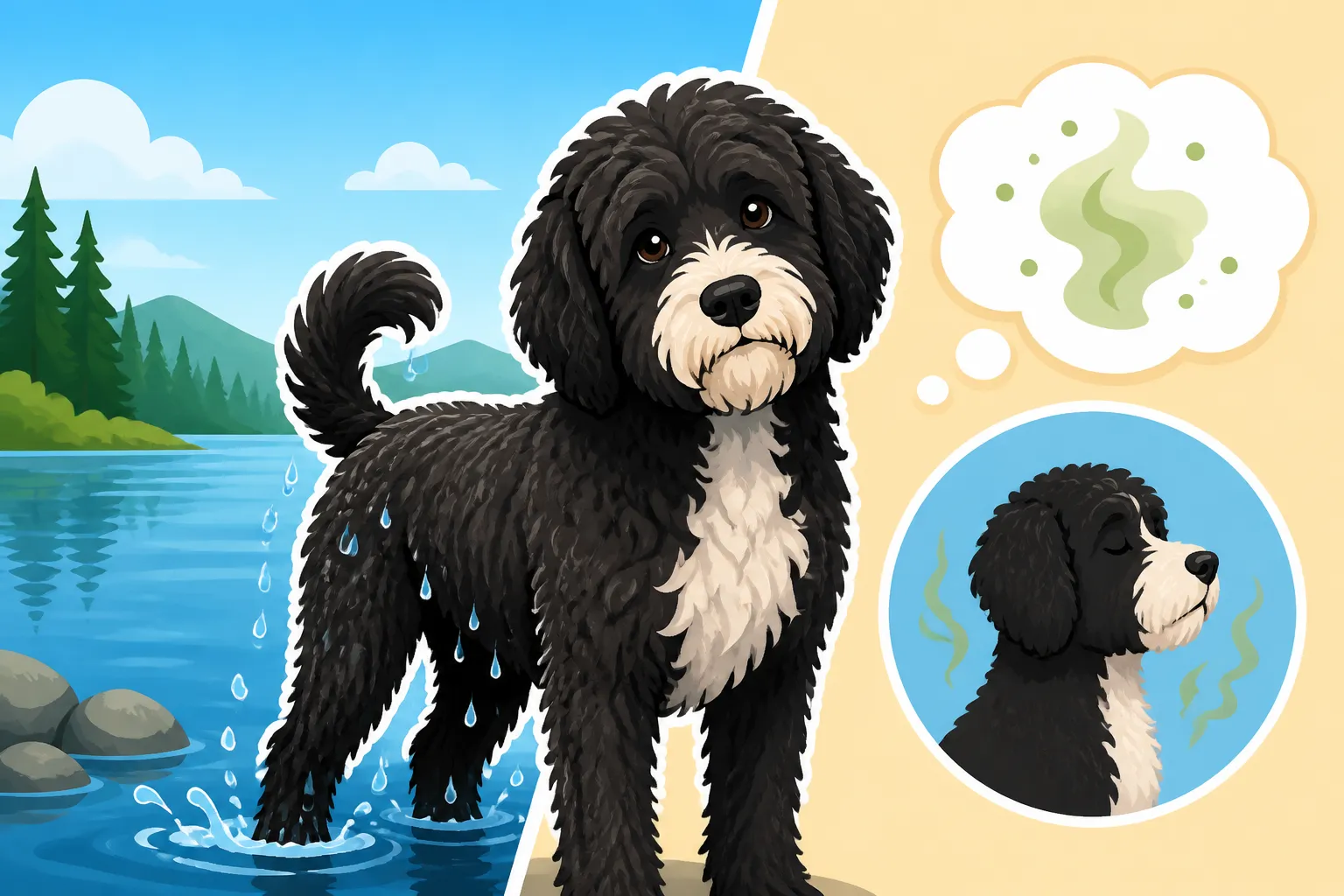
There’s nothing quite like the joy of seeing your Portuguese Water Dog plunge into a lake, paddle with pure exuberance, and emerge, shaking off water like a proud, wet otter. But let's be honest, that initial joy can quickly fade when you realize your beloved companion now carries a distinct, earthy, perhaps even somewhat funky scent that just doesn't want to leave. This guide dives deep into why lake water leaves a smell on your PWD and, more importantly, what you can do about it, validating the struggle of every owner who's ever said, "My dog smells like a swamp!"
Why Lake Water Carries Such a Distinct Aroma
Lake water isn't just plain H2O; it's a living, breathing ecosystem, constantly interacting with its environment. Unlike a chlorinated pool or even the vast, salty ocean, lakes are often contained bodies of freshwater, teeming with all sorts of organic materials and microorganisms that contribute to their unique — and sometimes pungent — scent.
The Unique "Terroir" of Lake Water
Just like wine has a "terroir" that reflects the soil and climate, lake water has its own unique blend of elements. Picture a still summer day; the sun warms the surface, and leaves, pollen, and other plant matter drift down and decompose. Algae blooms, fish swim, and microscopic life thrives. All of these components contribute to a complex, sometimes earthy, sometimes stagnant, aroma. When your Portuguese Water Dog swims, their incredibly dense, single coat acts like a sponge, absorbing this rich cocktail of natural odors. It's not just the water itself, but everything suspended within it – tiny bits of plant debris, mineral particles from the lakebed, and dissolved organic compounds – that gets trapped deep within the curls or waves. It's easy to just think of water as "wet," but lake water is a whole sensory experience that your dog is bringing home.
Bacteria, Algae, and Microorganisms: The Real Culprits
While the organic matter certainly contributes, the biggest culprits behind that lingering lake smell are often the bacteria, algae, and other microorganisms that call the lake home. Lakes are natural habitats for various types of bacteria and microscopic algae. When your PWD takes a dip, these tiny organisms cling to their coat. As the coat starts to dry, these microorganisms continue to live and multiply, especially in damp, warm conditions, which a PWD's thick coat can certainly provide. It’s their metabolic processes that produce volatile organic compounds, the very molecules our noses detect as that characteristic "wet dog" or "lake" smell. Think about a damp towel left in a gym bag – it’s not just the water, but the bacteria growing on it that create that stale odor. The same principle applies to your dog's coat, but with the added complexity of the lake's specific biome.
The Portuguese Water Dog's Coat and Odor Absorption
The Portuguese Water Dog's coat is a marvel of nature, perfectly designed for its original purpose: working in and out of the water with fishermen. But that very design, which makes them such superb aquatic companions, also makes them particularly prone to holding onto odors.
How the PWD Coat Is Designed to Trap
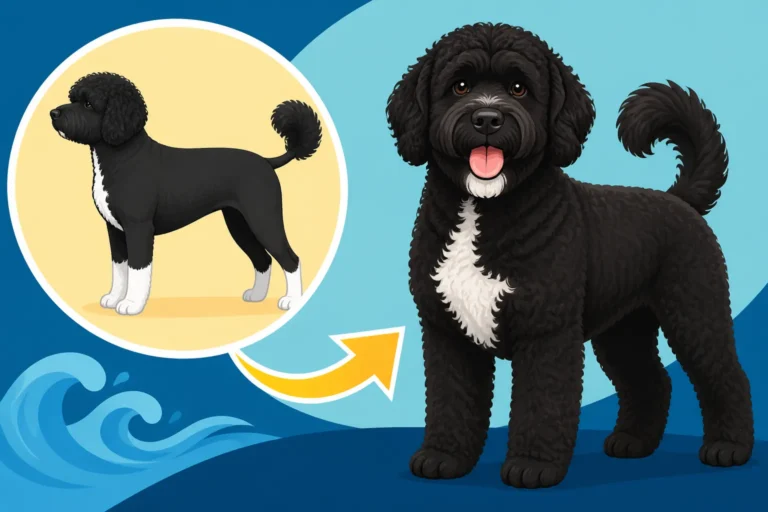
Portuguese Water Dogs possess a unique single coat that is either curly or wavy. This dense, non-shedding coat is meant to protect them from cold water and harsh elements. When they swim, their coat gets thoroughly saturated, and water is held deep within the strands. This deep penetration means that not only water, but also all the particulate matter and microorganisms present in the lake, become deeply embedded. Unlike dogs with double coats or thinner hair, the PWD’s coat doesn't just shed off debris easily; it holds onto it. It's like a finely woven net, trapping everything from tiny bits of pond weed to microscopic algae. This design helps them retain body heat in cold waters, but on land, it means a longer drying time and a higher propensity to hold onto whatever they've been swimming in. This is why you need a specific strategy for Drying a Portuguese Water Dog After Every Swim.
The Difference Between Curly and Wavy Coats
While both curly and wavy Portuguese Water Dog coats are excellent at trapping, there can be subtle differences in how they handle water and odors. A very tightly curled coat might create more nooks and crannies for water and debris to get stuck in, potentially leading to slower drying and more opportunities for odor-causing microbes to thrive. Think of the tight, woolly texture as having many tiny pockets. A wavy coat, while still dense, might allow for slightly better airflow, which could theoretically lead to a marginally faster air-dry time, but it still absorbs a tremendous amount of water and organic material. Regardless of whether your PWD has a curly or wavy coat, the fundamental issue of water retention and debris trapping remains significant. Understanding How a Portuguese Water Dog's Coat Holds Water is key to addressing the smell.
Preventing and Removing Lake Water Smell
The good news is that with the right routine and tools, you absolutely can combat that post-lake funk and keep your PWD smelling fresh, or at least pleasantly dog-like! It requires diligence, but it's well worth it for the joy of their aquatic adventures.
Immediate Rinse and Dry Routine
This is the absolute cornerstone of preventing lake smell. The moment your Portuguese Water Dog is out of the lake, their coat is saturated with lake water, organic matter, and those pesky microorganisms. The faster you can rinse them with clean water, the better. Don't just hose them down; aim for a thorough rinse that really penetrates the dense coat, flushing out as much of the lake's "gifts" as possible. Use a strong stream of clean, fresh water, making sure to get deep into the undercoat. If you can, a quick shampoo at this stage, even a mild one, will work wonders in removing surface contaminants before they have a chance to settle and produce odor.
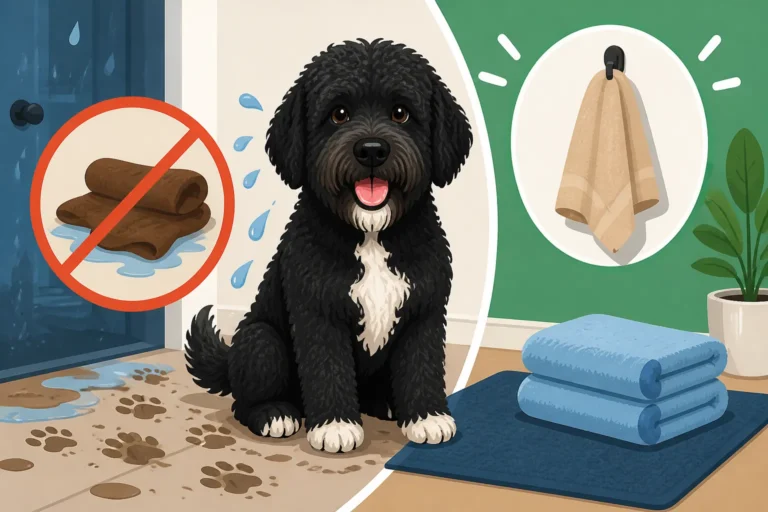
Following the rinse, thorough drying is paramount. Allowing a PWD to air dry for extended periods, especially after a lake swim, is an open invitation for bacterial growth and persistent odor. Towel dry vigorously to remove as much moisture as possible, then move on to a forced air dryer. These aren't just for professional groomers; they significantly reduce drying time and push water out from the skin level, which is critical for preventing skin issues and odor. Consider investing in a quality force dryer, readily available on platforms like Amazon, to get the job done right.
Choosing the Right Shampoos and Conditioners
Not all dog shampoos are created equal, especially when you're battling lake smell. You'll want to look for shampoos specifically designed to deodorize or clarify, which help break down and wash away the oils, dirt, and bacteria causing the smell. Avoid harsh formulas that strip natural oils, as this can lead to skin irritation. Many brands offer excellent deodorizing shampoos that incorporate natural ingredients like baking soda, oatmeal, or activated charcoal. After shampooing, a good conditioner is vital. It helps to moisturize the skin and coat, making the coat smoother and less prone to tangles, which in turn can make it easier to brush out debris and improve overall coat health. Healthy coats are less likely to harbor persistent odors. You can find a wide range of suitable shampoos and conditioners on sites like Chewy. Remember that the frequency of baths can vary, but for a lake-swimming PWD, you might need to increase it slightly. How Often a Portuguese Water Dog Needs a Bath after regular swims will depend on the intensity of the activity and the type of water.
Proper Drying Techniques
As mentioned, proper drying is just as important as washing. For a Portuguese Water Dog, this often means more than just a towel rub. A powerful force dryer is truly a game-changer. It blasts water out of the coat quickly and efficiently, preventing that damp environment where bacteria thrive. When using a force dryer, start from the hindquarters and work your way forward, section by section, ensuring the skin is completely dry. Always use a dryer designed for dogs, as human hair dryers can get too hot and burn their skin. If you don't have a force dryer, diligent towel drying followed by regular brushing with good ventilation can help, but it will take much longer. For more detailed guidance, check out What a Force Dryer Does for a Portuguese Water Dog. Always ensure your PWD is thoroughly dry, especially around the ears and under the armpits, as these areas are prone to moisture retention.
Routine Grooming for Odor Control
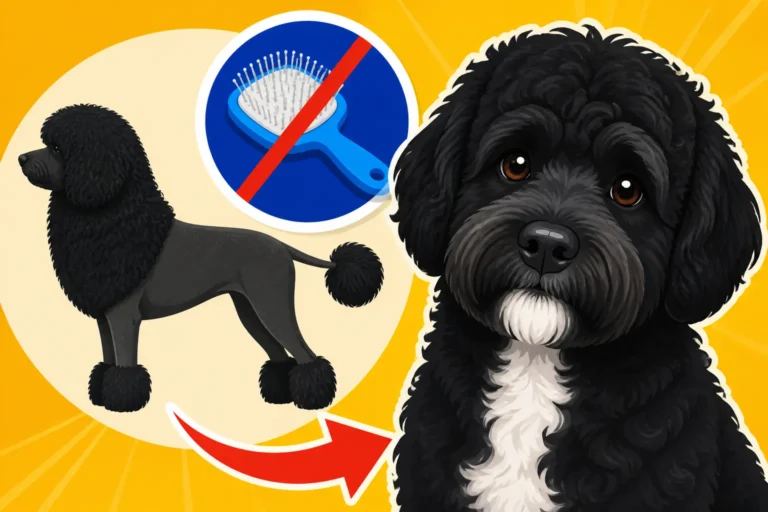
Beyond baths and drying, consistent routine grooming plays a significant role in managing odors. Regular brushing, at least a few times a week, helps to remove loose hair, dead skin cells, and any lingering debris that the coat might have picked up. This not only prevents matting, which can trap moisture and odors even more effectively, but also promotes healthy skin and coat circulation. A well-maintained coat is less likely to harbor bacteria. Pay special attention to areas that tend to mat or get particularly dirty, such as behind the ears, armpits, and under the tail. Sometimes, a slightly shorter clip, like the popular retriever clip, can make drying and odor management easier than the traditional lion clip, as there's less hair to hold moisture. Consider How Often a Portuguese Water Dog Needs Brushing and the best tools to use.
When to Be Concerned About Persistent Odor
Sometimes, a lingering smell isn't just about the lake water; it can be a sign of an underlying health issue. It's important to differentiate between a mild, temporary "lake smell" and a more concerning, persistent, or unpleasant odor that could indicate a problem requiring veterinary attention.
Identifying Underlying Skin or Ear Issues
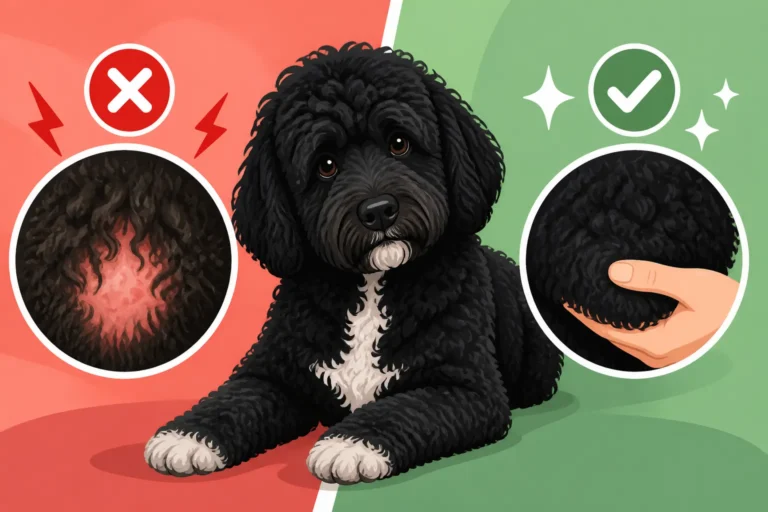
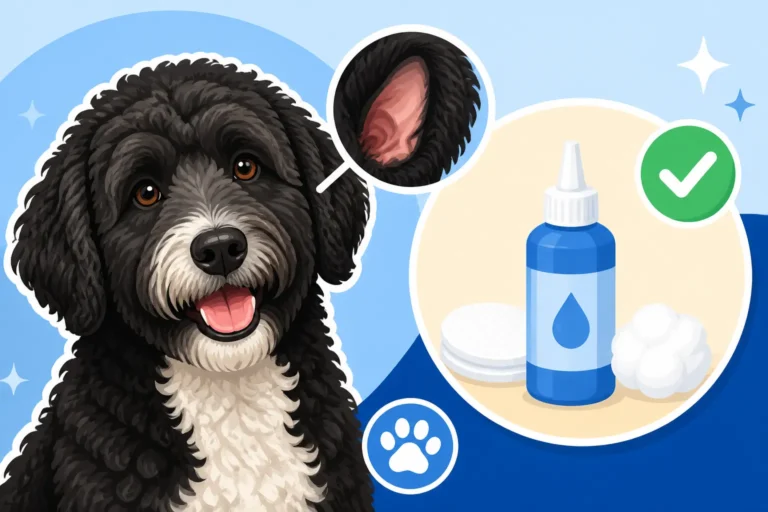
If you've implemented a rigorous post-swim routine and your Portuguese Water Dog still carries a strong, unpleasant smell, it's time to investigate further. Chronic odors, especially those accompanied by scratching, redness, flakiness, or discharge, often point to skin infections (bacterial or yeast) or ear infections. Portuguese Water Dogs, with their floppy ears and love for swimming, are particularly susceptible to ear infections, as moisture can easily get trapped in the ear canal and create a perfect breeding ground for bacteria or yeast. A strong, yeasty smell often indicates a yeast infection, while a foul or purulent odor might suggest a bacterial infection. Check your dog’s skin and ears regularly for any signs of irritation. For more information, read Why a Portuguese Water Dog's Ears Need Checking Every Week and Whether a Portuguese Water Dog Gets Ear Infections. Addressing these promptly is crucial, not just for the smell but for your dog's comfort and health.
Consulting Your Vet
If you suspect an underlying health issue, don't hesitate to consult your veterinarian. They can accurately diagnose the cause of the persistent odor and recommend appropriate treatment. This might involve medicated shampoos, antibiotics, antifungals, or ear cleaning solutions. Sometimes, a dietary change can even help improve skin and coat health, reducing susceptibility to certain issues. While Ollie is primarily a dog food brand, ensuring your PWD has a balanced diet can contribute to overall health, including skin and coat condition, making them less prone to such issues in the long run. A vet visit is especially important if the odor is accompanied by other symptoms like lethargy, loss of appetite, excessive scratching, head shaking, or changes in coat texture. Your vet might perform skin scrapings, ear swabs, or other diagnostic tests to pinpoint the problem. Early intervention can prevent minor issues from becoming chronic or more severe.
| Drying Method | Pros | Cons | Best For PWDs? |
|---|---|---|---|
| Air Drying | No equipment needed, natural. | Very slow; encourages bacterial growth & odor; high matting risk. | No. Only for very brief, light dampness. |
| Towel Drying | Readily available, removes surface water. | Not thorough enough for dense coats; still leaves significant moisture. | Good first step, but not sufficient alone. |
| Human Hair Dryer | Accessible. | Can be too hot, risk of burns; less powerful airflow. | Avoid. Risk of skin damage. |
| Force Dryer (Pet) | Fastest drying; blasts water from coat; prevents matting & odor. | Initial cost; noise can be an issue for some dogs; requires training. | Highly Recommended. Essential for regular swimmers. |
| Absorbent Robe/Coat | Helps wick moisture; convenient for car rides. | Not a complete drying solution; still needs follow-up. | Good addition for initial soak-up or travel. |
Conclusion: A Clean Dog is a Happy Dog
Living with a Portuguese Water Dog means embracing their love for water, and sometimes, that means embracing the challenge of keeping them fresh and clean. The "lake smell" is a common and understandable frustration, but it's not an insurmountable one. By understanding why lake water creates this distinctive odor, leveraging your PWD's unique coat properties, and implementing a consistent routine of rinsing, appropriate shampooing, and diligent drying (especially with a force dryer), you can minimize the smell significantly. Remember to pay close attention to their ears and skin, as persistent odors can sometimes be a red flag for underlying health issues that require a vet's attention. With a little effort, your magnificent water dog can enjoy their swims and still be a sweet-smelling companion at home.
Disclaimer
This article is for general informational purposes only and does not constitute professional advice. Laws, prices and regulations vary by location and change over time. Consult a qualified professional for guidance on your specific situation.