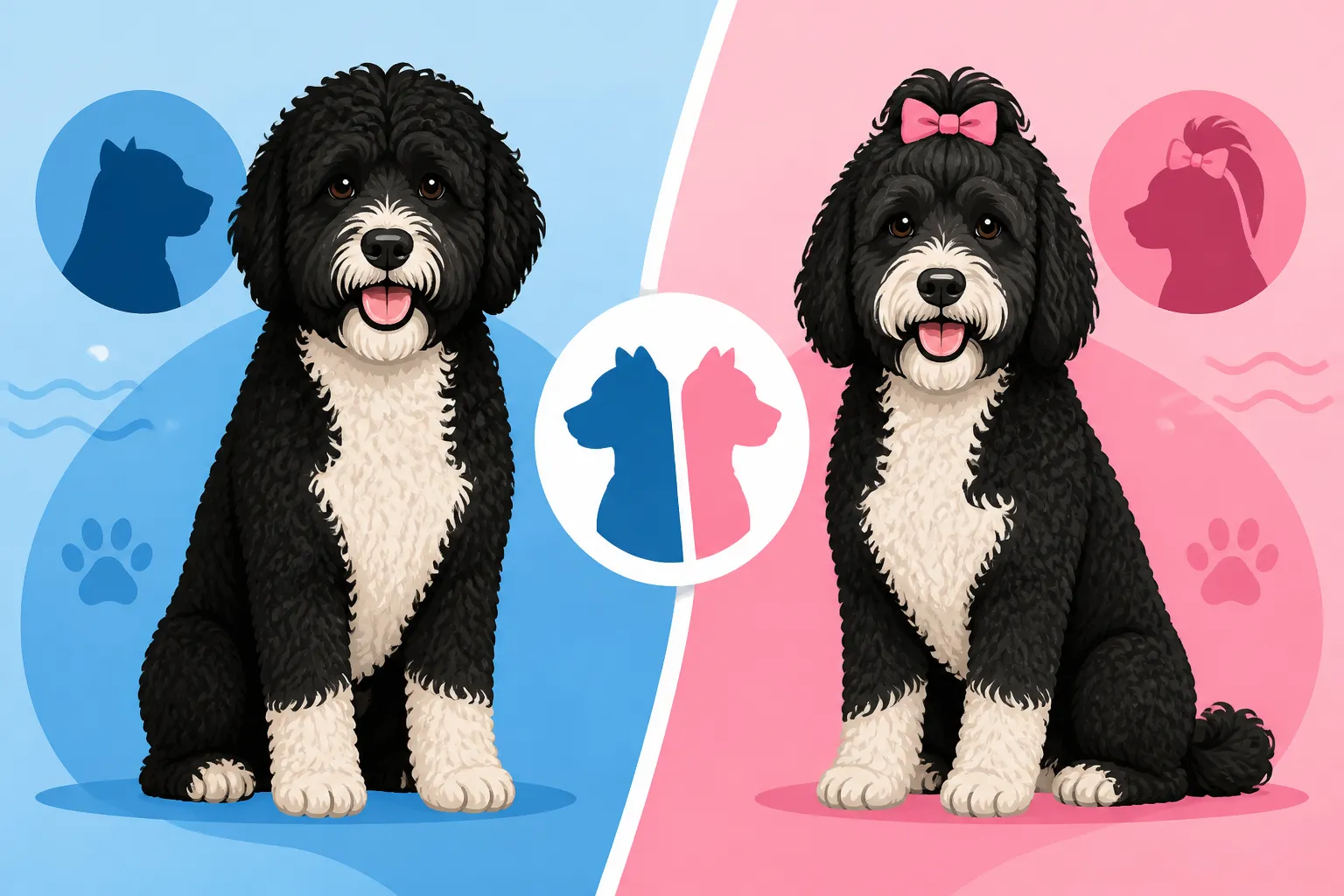
How Much Male and Female Portuguese Water Dogs Differ
Bringing a Portuguese Water Dog into your life is an exciting journey, and for many prospective owners, one of the first questions that arises is whether to choose a male or a female puppy. It’s a common dilemma, driven by the desire to find the perfect companion that fits your lifestyle, and it’s completely understandable to wonder if there are significant differences between the sexes beyond the obvious physical ones. This guide will dive deep into the nuances, helping you understand how male and female Portuguese Water Dogs might differ in terms of their physical characteristics, temperament, training responses, and overall care, so you can make an informed decision that feels right for you and your future furry family member.
Understanding the Physical Distinctions in Portuguese Water Dogs
When we talk about male and female Portuguese Water Dogs, the most immediate and often easiest differences to spot are their physical attributes. While both sexes embody the robust, athletic build characteristic of the breed, there are distinct size and proportion variations that are outlined in the breed standard and become quite apparent as they mature. This isn't just about weight on a scale; it's about their overall presence and stature.
Size and Build Differences
Generally, male Portuguese Water Dogs tend to be larger and more powerfully built than their female counterparts. They often have a more substantial bone structure, broader chests, and a more pronounced masculine appearance. Think of it like comparing an athlete – both male and female athletes are strong and fit, but their builds are often different in terms of mass and frame. A male PWD might carry himself with a more imposing presence, often filling out more significantly in muscle definition. This means they will typically weigh more and stand taller, making them quite the impressive sight. It’s not uncommon to see a noticeable difference in their heads too, with males often having broader skulls and more powerful muzzles, reflecting their heritage as working dogs who needed strength and endurance for their tasks on the fishing boats. If you're wondering about the exact dimensions, you might want to look into What a Portuguese Water Dog Weighs and How Tall It Stands.
On the other hand, female Portuguese Water Dogs, while still athletic and well-muscled, generally present a more refined and often slightly lighter build. They typically fall into the lower end of the breed's size standard, appearing a bit more elegant or agile. Their bone structure is usually finer, and their overall frame is less bulky. This isn't to say they aren't strong or capable; they absolutely are. It's just a matter of typical proportions within the breed. A female might appear more lithe and quick, often maintaining a somewhat 'leggier' look even into adulthood. This difference in build can influence how they navigate spaces, how they're perceived by other dogs, and even how easily they can be picked up or handled, particularly by smaller individuals in the family.
Coat and Grooming Considerations
The coat itself, whether curly or wavy, doesn't inherently differ between male and female Portuguese Water Dogs in terms of texture or growth rate. Both sexes possess the single, non-shedding (or very low-shedding) coat that is so iconic and, let's be honest, demanding! However, the sheer volume of coat can sometimes appear more substantial on a larger male simply because there's more surface area to cover. This isn't a hard and fast rule, but if you have a particularly dense-coated male, you might find grooming sessions to be a touch longer simply due to the scale.
The primary difference in grooming, therefore, isn't about sex but about the coat type (curly vs. wavy) and the clip you choose for your dog. Both males and females require consistent brushing to prevent matting, especially during their coat change phase as puppies, and regular professional or home clipping. So, while a larger male might mean more surface area to brush, the fundamental grooming needs – the tools, the frequency, the commitment – remain identical for both sexes. Whether you have a male or female, be prepared for a consistent grooming routine, and make sure you have the right brushes and combs, perhaps from a reputable supplier like Chewy, to tackle those magnificent coats.
Exploring Temperament and Personality Traits
Beyond the visual distinctions, many owners and breeders observe subtle, yet often consistent, differences in the temperament and personality between male and female Portuguese Water Dogs. It's important to remember that every dog is an individual shaped by genetics, early experiences, and training, but general trends do exist.
Common Personality Tendencies
Males are often described as being more "goofy" or playful, sometimes maintaining a puppy-like exuberance well into their adult years. They can be incredibly affectionate and love to be the center of attention, often leaning into you or nudging for pets. This can manifest as a very charming, sometimes clownish, personality that keeps you laughing. They might be a bit more straightforward in their interactions, less prone to holding grudges, and quicker to forgive. This isn't to say females aren't playful, but males often seem to dial it up a notch and sustain that high-energy, fun-loving attitude for a longer portion of their lives. They are typically very enthusiastic about training and activities, always eager to engage.
Females, on the other hand, are often characterized as being more independent, observant, and sometimes a bit more reserved or "dignified" than males. They can be incredibly loyal and loving, forming very strong bonds with their chosen people, but they might express their affection in a slightly less boisterous manner. Many owners describe females as being more "tuned in" to their environment and their family's emotions, often acting as keen observers. While they are just as intelligent and capable of high-energy activities, their play might be a bit more focused or purposeful. They might be quicker to pick up on subtle cues and can sometimes be perceived as more "cat-like" in their independence, choosing when they want attention rather than constantly demanding it.
Social Dynamics and Interactions
In a multi-dog household, or at the dog park, you might notice some differences in social dynamics. Male Portuguese Water Dogs, especially if intact, can sometimes be more prone to showing dominance or engaging in "status-seeking" behaviors with other males. This isn't aggression, but rather a display of confidence and hierarchy. If neutered, these behaviors are often significantly reduced or absent. They generally get along very well with females and are usually quite tolerant once a pecking order is established. They tend to be very social butterflies, eager to greet every dog and person they meet, often with boundless enthusiasm.
Female Portuguese Water Dogs can also be social, but their interactions might be more nuanced. While they can play wonderfully with other dogs, some females might be more selective with their canine friends, especially other females. Intact females, particularly, can sometimes be more prone to squabbles with other females, especially if a male is present or if they perceive a challenge to their status. However, a well-socialized female is typically a joy in any setting, and her independence can make her a very confident and self-assured companion. The way a Portuguese Water Dog behaves with children or other dogs is also heavily influenced by early socialization; you can find more on this in A Portuguese Water Dog With Children and Other Dogs.
Training and Behavioral Tendencies
Training a Portuguese Water Dog, regardless of sex, is a rewarding experience because they are incredibly intelligent and eager to please. However, some trainers and owners report slight differences in how males and females approach and respond to training.
Responsiveness to Training
Male PWDs often respond very well to positive reinforcement and are highly motivated by food, toys, and praise. Their "goofy" nature can make them incredibly fun to train, as they enjoy the interaction and the challenge. They might sometimes be a bit more easily distracted by their environment, especially if there's an interesting smell or a potential playmate, but their high drive and desire to work often bring them back into focus quickly. Consistency is key, but their enthusiasm can make them quick learners. They often excel in sports like dock diving or agility, where their boundless energy and love for a job are put to good use. You can learn more about their general trainability in How Trainable a Portuguese Water Dog Is.
Female PWDs can be equally intelligent and trainable, but their perceived independence might sometimes mean they need a slightly different approach. They might be a bit more thoughtful in their responses, sometimes appearing to "consider" a command before executing it. This isn't defiance, but rather their inherent problem-solving nature at play – they were, after all, bred to think for themselves on a fishing boat! They might be less food-driven than some males, requiring a wider variety of motivators, or responding better to play or specific types of praise. Consistency is paramount with females, as they can sometimes "test" boundaries more subtly than males. However, once a female understands what's expected and respects her trainer, she is an incredibly dedicated and precise worker, often excelling in obedience and rally where precision is valued.
Hormonal Influences on Behavior
The presence or absence of sex hormones significantly impacts behavior in both male and female Portuguese Water Dogs. Intact males, those who haven't been neutered, are often more driven by instinctual behaviors such as marking territory, roaming in search of mates, and potentially engaging in more assertive displays with other intact males. They might be more focused on scents and have a stronger urge to explore. Waiting to neuter a male until he is physically mature is often recommended for joint health and growth, but it does mean managing these hormonal behaviors during adolescence.
Intact females, on the other hand, will go through heat cycles, typically twice a year. During these periods, their behavior can change dramatically. They might become more restless, more affectionate, or sometimes more irritable. They will also attract intact males, which requires careful management to prevent unwanted pregnancies. The decision to spay a female also has health and behavioral implications. Many experts now recommend waiting until after their first heat, or even later, to allow for full physical maturity. This decision can be complex, and understanding the timing and implications is part of responsible ownership. These hormonal differences are a significant factor to consider when choosing between a male and a female.
Health Considerations Between Sexes
When considering a Portuguese Water Dog, understanding potential health differences between males and females is crucial. While many genetic conditions are shared across the breed, some aspects of health and care are unique to each sex due to their physiological differences.
Reproductive Health and Sterilization
For females, reproductive health centers around their heat cycles and the decision to spay. Intact females are at risk of pyometra (a uterine infection) and mammary tumors, both of which can be life-threatening. Spaying eliminates these risks but, depending on the timing, can have other implications for bone growth and urinary continence. Discussing the pros and cons and optimal timing with your veterinarian is essential. What Changes in a Portuguese Water Dog After Nine also highlights how health considerations evolve with age for both sexes.
For males, intact dogs are at risk of testicular cancer and certain prostate issues. Neutering eliminates the risk of testicular cancer and can reduce the incidence of some prostate problems. However, as with females, the timing of neutering can impact joint development and potentially increase the risk of certain cancers later in life. The trend among many PWD breeders and owners is to wait until males are fully mature, often between 18-24 months, before neutering to allow growth plates to close and hormones to contribute to proper skeletal development. Regardless of sex, a significant portion of a What a Portuguese Water Dog Costs Over Its Lifetime will be tied to healthcare decisions.
General Health Trends and Disease Susceptibility
While most genetic diseases, such as GM1 Gangliosidosis, Juvenile Dilated Cardiomyopathy (JDCM), and Progressive Retinal Atrophy (PRA), affect both sexes equally, there can be some subtle differences in general health trends. For instance, anecdotal evidence suggests that autoimmune conditions, like Addison's Disease (which is common in Portuguese Water Dogs), might have a slightly higher incidence in females. However, this is not definitively proven across all studies and should not be a primary factor in choosing a sex. What is paramount is ensuring you acquire your puppy from a responsible breeder who performs all recommended health clearances for both parent dogs. You can learn more about specific health concerns in Addisons Disease Is Common in Portuguese Water Dogs and What a Portuguese Water Dog Breeder Should Have Tested.
Another subtle point to consider is weight management. Larger, often more robust males may have a higher daily caloric intake, and if not adequately exercised, can be prone to weight gain, which puts stress on their joints. Females, while typically smaller, can also gain weight if overfed or under-exercised. Monitoring their weight and providing appropriate nutrition, perhaps with quality food found at Chewy, is crucial for both sexes. Ensuring they receive proper exercise, which is a major factor in their overall well-being, is also covered in How Much an Adult Portuguese Water Dog Eats and How Much Exercise a Portuguese Water Dog Needs.
Living with a Male vs. Female Portuguese Water Dog
Ultimately, choosing between a male and a female Portuguese Water Dog comes down to finding the best fit for your home and lifestyle. While the previous sections highlight general tendencies, the daily reality of living with either sex involves practical considerations that can impact your experience.
Daily Life and Compatibility
Living with a male PWD often means embracing a more boisterous, playful, and sometimes overtly affectionate companion. They might be more inclined to "lean" on you, follow you from room to room, and constantly seek interaction. Their larger size might mean they require a bit more space, or you might need to be more mindful of their enthusiastic greetings, especially around small children or elderly family members. Males generally settle well into a routine, and their straightforward nature can make them very predictable and comforting companions. They thrive on having a job, whether it's daily retrieving games or formal training, and their dedication to their family is unwavering.
A female PWD, while equally devoted, might offer a slightly different dynamic. Her independence means she might be content to observe from a distance at times, coming for affection on her own terms, though still loving a good cuddle. Her smaller size can sometimes make her a bit more manageable in tighter spaces or when traveling. Females often bring a keen intelligence and an almost intuitive understanding of family dynamics to the home. They can be incredibly steadfast and form very deep, meaningful bonds. Both sexes are equally capable of being wonderful family dogs, but understanding these general leanings can help align your expectations with what you might experience.
Management and Commitment
Regardless of sex, owning a Portuguese Water Dog is a significant commitment. Their high energy, intelligence, and grooming needs mean they are not a "set it and forget it" breed. Both males and females require consistent exercise, mental stimulation, and regular grooming to stay happy and healthy. The primary differences in management might revolve around specific hormonal behaviors if you choose not to spay or neuter, or if you wait until maturity. For instance, managing an intact female during her heat cycles requires diligence to prevent unwanted pregnancies and keep her comfortable. Managing an intact male means being aware of potential marking behaviors and ensuring he doesn't roam.
For most pet owners, choosing a responsibly bred, well-socialized, and properly trained Portuguese Water Dog will result in a fantastic companion, regardless of its sex. The individual personality of a dog, influenced by its genetics and early environment, will always be the most dominant factor. My advice? Spend time with both adult males and females if possible, talk to breeders about their specific lines, and consider which personality traits truly resonate with you. Whether a Portuguese Water Dog Suits a First Time Owner explores more general considerations for this energetic breed.
| Feature | Male Portuguese Water Dog (Typical) | Female Portuguese Water Dog (Typical) |
|---|---|---|
| Size & Build | Larger, heavier, more robust bone structure, broader chest | Smaller, lighter, finer bone structure, more refined build |
| Weight Range | Generally at the higher end of the breed standard | Generally at the lower end of the breed standard |
| Temperament | Often more goofy, playful, overtly affectionate, straightforward | Often more independent, observant, subtly affectionate, discerning |
| Social Behavior | Can be more confident/dominant with other males (if intact) | Can be more selective with other females (if intact) |
| Training | Enthusiastic, often highly food/toy motivated, can be easily distracted | Thoughtful, can "think" before acting, may need varied motivators |
| Hormonal Issues | Risks: Testicular cancer, prostate issues (if intact) | Risks: Pyometra, mammary tumors (if intact), heat cycles |
| Maturity | May mature slightly slower, retaining puppy-like traits longer | May mature slightly faster, often becoming more "serious" earlier |
Conclusion: Individual Dog Trumps Generalizations
Choosing between a male and female Portuguese Water Dog is a deeply personal decision, and while it's helpful to understand the general tendencies and distinctions we've discussed, the most crucial factor will always be the individual dog's personality and how it aligns with your family. Portuguese Water Dogs are intelligent, energetic, and devoted companions, no matter their sex. What truly matters is how well you can meet their needs for exercise, training, socialization, and grooming.
A well-bred, well-socialized, and consistently trained male PWD can be the most gentle giant, while a female might be a vivacious and playful dynamo. Every dog, just like every person, has its unique quirks and charms. Take the time to research reputable breeders who prioritize temperament and health. Spend time interacting with puppies and their parents if possible. Ask questions about the specific lines and what personality traits are common.
The commitment to providing a loving, active home, coupled with consistent training and care, is far more impactful than whether your furry family member is male or female. Embrace the journey of getting to know your future companion, and you'll find that either sex offers a lifetime of joy, loyalty, and wet, curly cuddles.
Disclaimer
This article is for general informational purposes only and does not constitute professional advice. Laws, prices and regulations vary by location and change over time. Consult a qualified professional for guidance on your specific situation.