Whether the Portuguese Water Dog Reached Portugal by Boat
It's a really interesting question, and one that delves into the fascinating, often murky, origins of many ancient dog breeds: did the Portuguese Water Dog literally reach Portugal by boat? For a breed so intrinsically linked to the sea, it feels almost poetic to imagine their ancestors sailing in, perhaps on some ancient Phoenician trading vessel or accompanying Moorish explorers. The truth, however, is a blend of historical theory, genetic whispers, and a good deal of romantic speculation that this guide will unpack for you.
Unraveling the Historical Threads: Theories of Arrival
Tracing the exact lineage and migration paths of dogs from centuries ago is a bit like piecing together a mosaic with half the tiles missing. There's no single, universally agreed-upon historical document that shouts, "Behold, the Portuguese Water Dog has arrived by boat!" Instead, we rely on a combination of geographical probability, cultural movements, and comparative breed analysis to form our best guesses. It's a journey through time that highlights just how much these incredible animals have been a part of human history.
The Iberian Peninsula Connection: A Crossroads of Continents
The Iberian Peninsula, which Portugal shares with Spain, has always been a significant crossroads. Situated at the western edge of Europe, it’s a natural stopping point for maritime trade and a gateway from North Africa to Europe. Throughout history, various peoples have migrated to and from this region, bringing their customs, goods, and, of course, their animals with them. Dogs would have been invaluable companions for these travelers, whether for guarding, hunting, or herding, and their presence would have been a given on any long journey.
Considering this context, it's highly plausible that the ancestors of what we now recognize as the Portuguese Water Dog arrived on the Iberian Peninsula by various means, including land routes from other parts of Europe or even across the Pyrenees. However, given Portugal's extensive coastline and rich seafaring history, the idea of a sea-borne arrival isn't just romantic; it's geographically and historically sound. Early coastal communities would have interacted extensively through sea travel, making the movement of animals by boat a common occurrence.
The Moorish Invasion Theory: A Voyage from North Africa
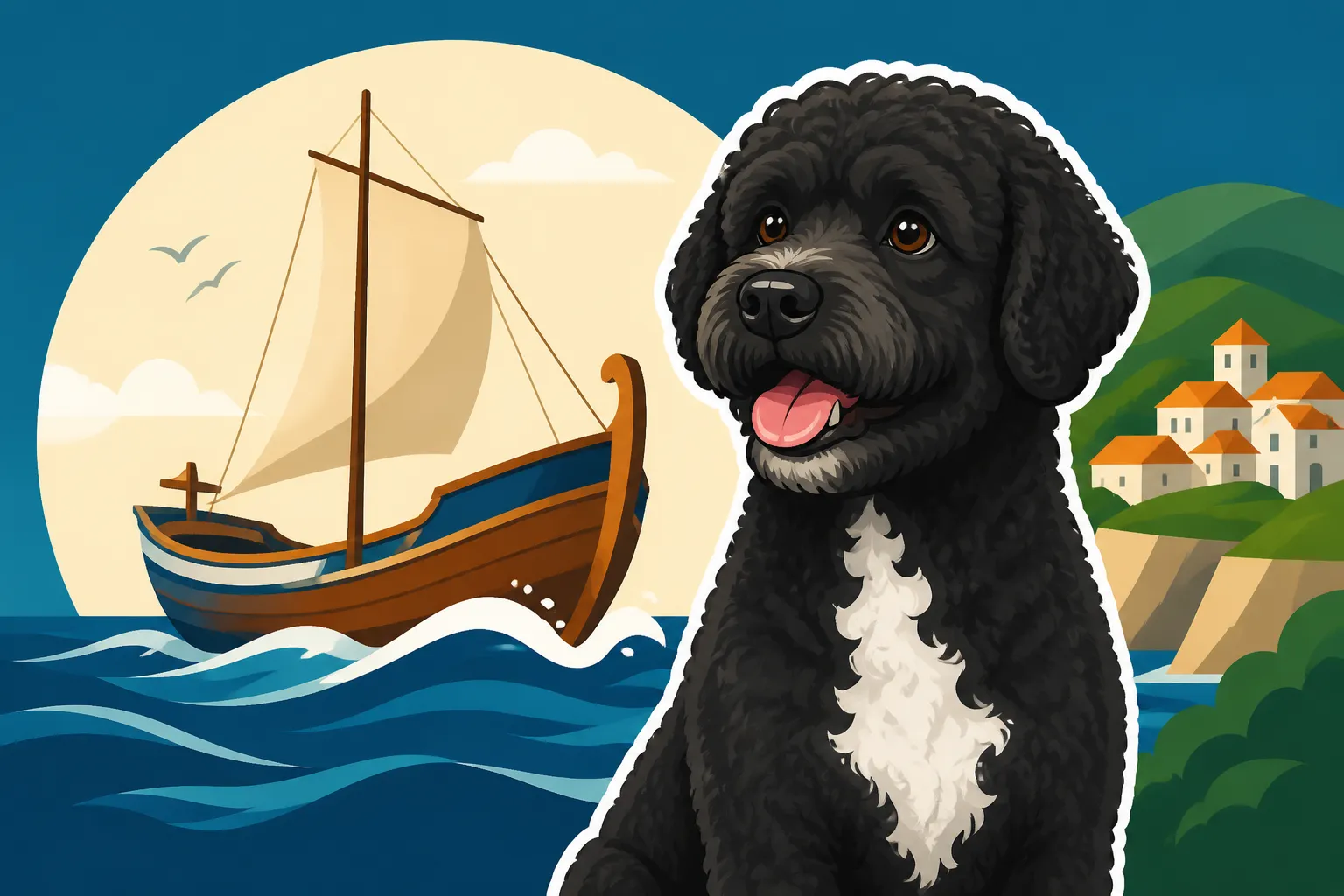
One of the most compelling theories that directly addresses the "by boat" question links the Portuguese Water Dog's ancestors to the Moorish invasion of the Iberian Peninsula. Around the 8th century, Moorish forces from North Africa crossed the Strait of Gibraltar and established a significant presence in what is now Spain and Portugal. It's widely speculated that these invaders brought with them their own working dogs, which were well-suited to the climate and tasks they needed performed.
These dogs were likely a type of water dog, adept at working alongside fishermen and sailors. If this theory holds true, then these canine progenitors absolutely would have arrived by boat, making the journey across the Mediterranean from North Africa. Over centuries, these dogs would have interbred with local canine populations and adapted to the specific needs of the Portuguese fishing communities, eventually evolving into the distinct breed we know today. This theory finds support in the historical record of Whether the Portuguese Water Dog Came From North Africa, a topic that fascinates many breed enthusiasts.
The Goths and Visigoths Theory: European Overland or Coastal Migration
Another less dramatic, but equally valid, theory points to the arrival of the breed's ancestors with the Goths and Visigoths, Germanic tribes who migrated across Europe and settled in the Iberian Peninsula much earlier than the Moors, beginning in the 5th century. These migrations were largely overland, which might seem to contradict the "by boat" idea. However, early European coastal communities also engaged in extensive river and sea travel for trade and expansion.
If the ancestors of the Portuguese Water Dog arrived with these groups, they might have initially traveled by land through central Europe before eventually settling in coastal regions of the Iberian Peninsula where their water-loving traits became invaluable. It's also possible that, even within Europe, dogs were transported by boat along coasts or major rivers, making "by boat" a part of their journey, even if not directly across a major sea from another continent. This highlights the complex, multi-faceted history of how ancient dogs spread across different regions, evolving into distinct breeds like the Portuguese Water Dog, whose recorded history only truly begins later, as explored in How Old the Portuguese Water Dog Breed Is.
Canine Companions on Ancient Voyages: Why Dogs Traveled by Sea
It’s easy to think of ancient sea voyages as solely for humans and cargo, but dogs were practical, often indispensable, members of any traveling party, especially those undertaking long journeys. Their presence on boats wasn’t just for companionship; it was a matter of utility and survival.
The Practicality of Dogs on Boats: More Than Just Pets
Imagine life on an ancient trading vessel or even a small fishing boat. It was a harsh existence, often far from land for extended periods. Dogs, particularly those with a strong working drive, would have offered numerous benefits:
- Pest Control: Rodents were a huge problem on ships, damaging cargo, spreading disease, and consuming precious food stores. A dog (or a cat, for that matter) was an excellent form of pest control, keeping the rat and mouse populations in check.
- Guarding: Valuable cargo and provisions needed protection. A watchful dog could deter thieves, whether human or animal, ensuring the safety of the ship and its contents.
- Companionship and Morale: Life at sea was lonely and arduous. The unwavering loyalty and playful nature of a dog would have been an immense comfort to sailors, boosting morale and providing a sense of normalcy in an otherwise alien environment.
- Source of Alarm: In unfamiliar waters or during unexpected weather changes, a dog's keen senses could alert the crew to danger long before humans perceived it, acting as an early warning system.
These practical considerations make it highly probable that dogs, including the ancestors of water dogs, were regularly included on sea voyages. They weren't just passengers; they were working crew members.
Evidence from Ancient Trade Routes: The Flow of Goods and Genes
The Mediterranean Sea and the Atlantic coast were bustling highways of trade long before modern navigation. Phoenicians, Greeks, Romans, Vikings, and later, the Moors and Portuguese explorers, all established vast networks of maritime commerce and conquest. These routes facilitated the exchange of goods, ideas, and, crucially, animals.
Dogs would have been bought, sold, traded, or simply traveled with their human companions along these routes. A dog acquired in one port could easily find itself on a boat headed for another continent. The genetic mixing that occurred as different canine populations encountered each other along these routes is a major factor in the diversity of dog breeds we see today. The ancestors of the Portuguese Water Dog, with their unique coat and swimming ability, would have been particularly valued in coastal regions, making their transportation by sea a logical choice for those seeking working dogs for fishing and maritime tasks. This ancient movement of goods and life forms profoundly shaped the genetics and distribution of dog breeds.
Parallel Breeds and Shared Ancestry: A Broader Canine Family
When we look at other water dog breeds across Europe, such as the Spanish Water Dog, the French Barbet, or even the Irish Water Spaniel, we see distinct similarities in coat type, build, and their affinity for water. This suggests a common ancestry or at least a shared functional type that evolved in response to similar environmental pressures and human needs. The distribution of these breeds often correlates with historical maritime trade routes and coastal communities.
The very existence of these "cousin" breeds across different coastal nations lends credence to the idea that their common ancestors dispersed via sea travel. It's a testament to the effectiveness of the water dog "design" for aquatic work and the interconnectedness of ancient cultures through their waterways. For instance, the intriguing question of Whether the Portuguese Water Dog Shares Ancestors With the Poodle delves into these fascinating genetic links, pointing to a broader family tree of intelligent, water-loving canines.
The Portuguese Water Dog's Innate Connection: A Life on the Water
Regardless of how their earliest ancestors first set paw on Portuguese soil, there's no doubt that the Portuguese Water Dog as a distinct breed was developed and refined in Portugal, specifically for maritime work. Their entire physical and behavioral makeup screams "boat dog," and this deep, historical connection to the sea is what truly defines them.
Born for the Boats: An Indispensable Crew Member
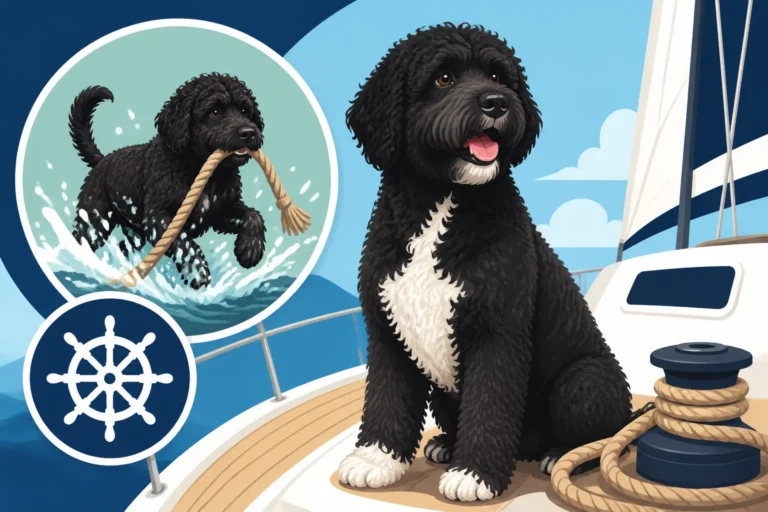
Once established in Portugal, these dogs found their true calling. The coastal communities, particularly in the Algarve region, relied heavily on fishing, and these dogs became absolutely indispensable to the fishing crews. They were literally "dogs of the water" – cão de água – a name that perfectly encapsulates their purpose. They performed a myriad of tasks that directly involved them being on and in the water, making the boat their second home.
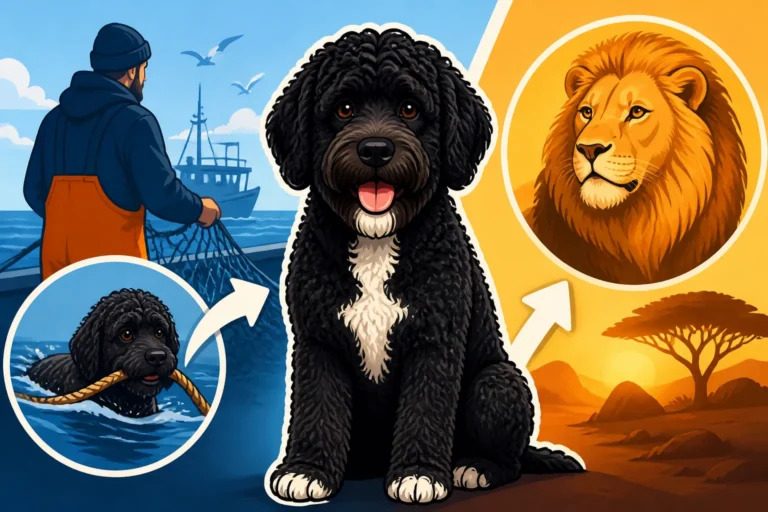
Their roles included retrieving broken nets and tackle, carrying messages between boats, and even herding fish into nets. Imagine a fisherman losing a valuable net overboard in rough seas; a Portuguese Water Dog, with its powerful swimming ability and tireless drive, would dive in and retrieve it, saving the crew time, money, and effort. This critical partnership meant these dogs spent their lives on the fishing boats, developing an instinctual understanding of maritime life. The comprehensive account of What a Portuguese Water Dog Did for a Fishing Crew truly brings this historical role to life.
Evolution of a Working Dog: Traits for the Tides
The physical characteristics of the Portuguese Water Dog are a testament to their working environment. Every aspect, from their unique coat to their powerful build, adapted to life on the ocean:
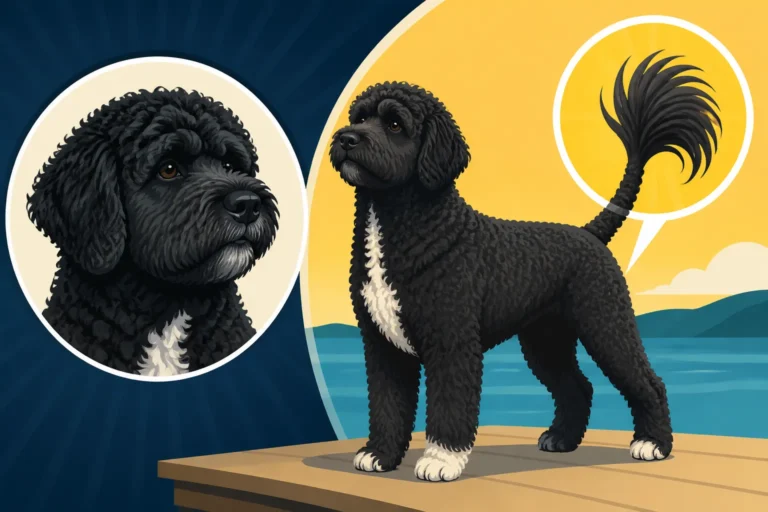
- The Coat: Their dense, single coat – either curly or wavy – is naturally water-repellent and provides insulation against the cold ocean waters. It's not a fluffy coat, but a practical, protective layer that allows them to swim for extended periods without becoming waterlogged or hypothermic. This coat, however, requires diligent grooming, and many owners today rely on quality tools and even supplies from retailers like Chewy to keep their dog's coat healthy and mat-free.
- Webbed Feet: Perhaps the most striking adaptation, their prominent webbing between the toes acts like natural flippers, giving them incredible propulsion and agility in the water. This vital feature is extensively discussed in Why a Portuguese Water Dog Has Webbed Feet, showcasing their perfect design for swimming.
- Strong, Muscular Build: A deep chest, powerful hindquarters, and a robust frame allowed them to swim against currents, haul heavy lines, and jump in and out of boats with ease. Their physical prowess made them invaluable assets.
- Intelligent and Independent: Working on a boat required a dog that could think for itself, make quick decisions, and respond to complex commands in challenging conditions. They weren't just followers; they were partners who often had to problem-solve on their own. This high intelligence is still a hallmark of the breed today.
These traits solidified their identity as "boat dogs" in every sense, not just by origin, but by function. Their story truly became entwined with the history of the Portuguese fishing fleets, marking them forever as a breed of the sea.
Modern Insights and the Enduring Legacy
While definitive records of ancient canine voyages are scarce, modern science and a deeper appreciation for breed history continue to shed light on the Portuguese Water Dog's fascinating past.
The Limitations of Historical Records: Gaps in the Story
It’s important to acknowledge that when we're talking about origins stretching back many centuries, detailed, verifiable records simply don't exist. Ancient cultures weren't documenting canine migrations with the same rigor we might today. What we have are fragmented accounts, oral traditions, and circumstantial evidence. This means that while the "by boat" theory for their arrival is highly plausible for some of their ancestors, it remains a theory built on historical and geographical likelihood rather than documented fact. The real documentation of the breed's working life comes much later, outlining What a Portuguese Water Dog Was Bred to Do on a Boat.
The beauty of the Portuguese Water Dog's history is that it allows for this blend of fact and romanticized possibility. We know they worked the boats, we know they are adept swimmers, and we know Portugal is a seafaring nation. The gaps in the earliest history simply allow us to marvel at their enduring connection to the water.
The Role of Genetic Insights: DNA and Ancestry
Modern genetic studies have revolutionized our understanding of dog breeds. While DNA testing can’t tell us which specific boat a dog’s ancestor was on, it can reveal connections between breeds and pinpoint regions of origin with increasing accuracy. For example, genetic analysis can compare the DNA of Portuguese Water Dogs to other ancient European and North African breeds, identifying shared markers that indicate common ancestry.
These studies often confirm the complex intermingling of ancient dog populations across continents, lending further weight to the idea that ancestors of various breeds, including water dogs, were indeed transported by human migration and trade. Such research helps confirm, for example, that there's often more than one thread in a breed's genetic tapestry, reflecting multiple historical influences. Today, when you're looking for dog food or even genetic testing kits for your modern Portuguese Water Dog, online retailers like Chewy make it easy to explore options, a stark contrast to the ancient ways these dogs' ancestors travelled.
An Enduring Mystery with a Seafaring Heart
So, did the Portuguese Water Dog reach Portugal by boat? For some of their early ancestors, particularly those potentially arriving from North Africa with the Moors, it’s a strong and historically logical possibility. For others, a land-based journey from other parts of Europe might have been the primary route. What is undeniable, however, is that once these water-loving dogs found their way to the Portuguese coast, they became inextricably linked with the country's maritime culture. Their development into the Portuguese Water Dog we know today happened on the fishing boats, in the rough Atlantic waters, and alongside generations of Portuguese fishermen.
The exact mode of their earliest ancestors' arrival remains a delightful historical puzzle. But what's clear is that the spirit of the boat, the salt spray, and the tireless work in the water became woven into the very fabric of the breed. The Portuguese Water Dog is, and always will be, a dog of the sea, profoundly shaped by the vessels that were once their homes and workplaces. They truly are survivors of ancient traditions, a testament to the enduring bond between humans and their working dogs, and a living piece of maritime history. Even when their numbers dwindled significantly, they were saved, as chronicled in How Close the Portuguese Water Dog Came to Extinction and The Portuguese Water Dog Was Almost Gone by the 1930s, ensuring their legacy could continue.
| Theory of Arrival | Proposed Origin Region | Mode of Travel Most Likely Involved | Key Supporting Evidence | Direct "By Boat" Relevance |
|---|---|---|---|---|
| Moorish Invasion Theory | North Africa | Sea (across Strait of Gibraltar) | Historical Moorish presence in Iberia, parallel water dog breeds in North Africa | High |
| Goths/Visigoths Theory | Central/Northern Europe | Land (across Europe), possibly coastal sea routes | Germanic tribal migrations to Iberia, ancient European dog types | Moderate |
| Ancient Trade Routes | Various Coastal Regions | Sea | Extensive maritime trade in ancient world, genetic spread of dog types | High |
| Indigenous Development | Iberian Peninsula | N/A (local evolution) | Development of specific traits for local fishing needs | N/A for arrival, but central to evolution in Portugal |
Disclaimer
This article is for general informational purposes only and does not constitute professional advice. Laws, prices and regulations vary by location and change over time. Consult a qualified professional for guidance on your specific situation.