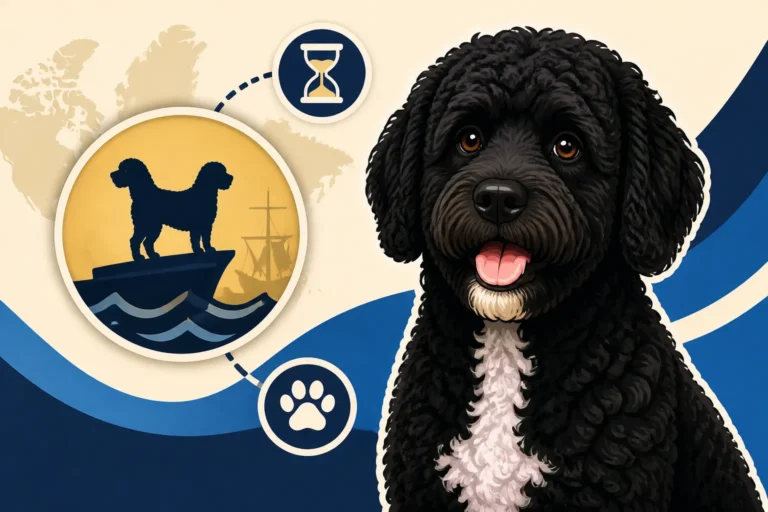
Whether Every Portuguese Water Dog Descends From a Few Dogs
One common concern that often comes up when people research dog breeds is their genetic history, particularly for breeds that faced near extinction. For Portuguese Water Dog enthusiasts, it’s natural to wonder if these magnificent, spirited dogs, known for their unique intelligence and water prowess, all trace their lineage back to a very small pool of ancestors. This concern is absolutely valid, as a limited gene pool can have significant implications for a breed's long-term health and vitality. This comprehensive guide will delve into the fascinating, albeit challenging, history of the Portuguese Water Dog, exploring its brush with extinction and the dedicated efforts that brought it back, addressing how its genetic foundation was formed and what that means for the breed today.
The Dramatic Decline of the Portuguese Water Dog
It's hard to imagine now, but there was a time when the Portuguese Water Dog was on the brink of disappearing entirely. These dogs were once indispensable partners to fishermen along the coast of Portugal, performing a myriad of tasks that were vital to their human companions' livelihoods. From retrieving tackle and broken nets from the ocean to carrying messages between boats and even herding fish into nets, their roles were varied and demanding. Their thick, waterproof coats and powerful, webbed feet made them perfectly suited for the rough seas and long hours spent in the water.
The Shift from Fishing Boats
The decline of the Portuguese Water Dog began with the modernization of the fishing industry. As technology advanced, wooden fishing boats were replaced by larger, more sophisticated vessels, and traditional fishing methods gave way to mechanized techniques. Suddenly, the skills that made the Portuguese Water Dog so invaluable became obsolete. There was simply no longer a need for a canine deckhand to retrieve lost gear or act as a swimming courier. Fishermen, facing economic pressures, could no longer afford to keep dogs that didn't directly contribute to their income. Many dogs were left to fend for themselves, or their numbers simply weren't replenished through breeding. It was a stark reality that mirrored the fate of many working breeds when their traditional jobs vanished.
The cultural memory of these dogs persisted in some areas, but the practical demand dwindled rapidly. What was once a thriving population, an integral part of coastal life, began to shrink dramatically. Families that had passed down these dogs for generations found themselves without the means or the necessity to continue the practice. It wasn't a sudden cataclysm, but a slow, gradual fading away, almost unnoticed by the wider world until it was nearly too late. This period marked a critical turning point, leading to a desperate situation for the survival of the breed.
A Handful of Surviving Dogs
By the early 20th century, particularly around the 1930s, the situation for the Portuguese Water Dog was dire. Experts and breed enthusiasts estimate that their numbers had plummeted to dangerously low levels. It’s believed that only a handful of individuals remained, scattered across various fishing communities, often mixed with other local dogs. This wasn't a breed with thousands of registered animals; it was a breed hanging on by a thread, primarily through the efforts of a few dedicated locals who still cherished these dogs as companions, even if their working roles had diminished. This fragile state meant that the genetic diversity, which is so crucial for a healthy population, had already suffered immensely. The Portuguese Water Dog Was Almost Gone by the 1930s is a stark reminder of this difficult time.
Imagine trying to find purebred specimens in such a climate. It was like searching for needles in a very large haystack, and the clock was ticking. The dogs that remained were often living in obscurity, without formal pedigrees or coordinated breeding efforts. This fragmented population posed an enormous challenge for anyone hoping to preserve the breed, as simply finding enough suitable dogs to begin a coherent breeding program was an immense undertaking. The urgency of the situation cannot be overstated; without intervention, the Portuguese Water Dog would have been lost forever.
The Rescuers and the Foundation Dogs
Fortunately, a few passionate individuals recognized the impending tragedy and stepped forward to save the Portuguese Water Dog from extinction. Their dedication laid the groundwork for the breed's revival, and their efforts are why we have these wonderful dogs with us today. They faced monumental challenges, from finding the few remaining purebred specimens to meticulously planning breeding programs with limited genetic material. It was a labor of love that required foresight, perseverance, and a deep understanding of canine genetics, even in an era when such knowledge was not as widespread as it is today.
Vasco Bensaude's Vision
Perhaps the most pivotal figure in the Portuguese Water Dog's rescue story was Dr. Vasco Bensaude, a wealthy Portuguese shipping magnate and dog enthusiast. Around the 1930s, Bensaude became aware of the dire state of the breed and took it upon himself to collect as many purebred examples as he could find. He established the Algarbiorum kennel, which became the cornerstone of the breed's modern revival. Bensaude’s vision was not just to prevent extinction, but to standardize the breed, improve its health, and ensure its unique characteristics were preserved for future generations. Who Saved the Portuguese Water Dog details his invaluable contribution.
Bensaude traveled extensively, often to remote fishing villages, seeking out dogs that still embodied the traits of the original working Portuguese Water Dogs. He wasn't just collecting dogs; he was collecting a living history, pieces of a vanishing heritage. His efforts were systematic and focused, driven by a deep respect for the breed's past and a keen understanding of what was needed for its future. Without his financial resources, dedication, and organizational skills, it's highly probable the breed would not have survived. He truly was the shepherd of the Portuguese Water Dog's second chance, setting the standards and documenting the lineage that would become the foundation for all modern Portuguese Water Dogs.
Leao, the Foundation Sire
Among the dogs collected by Dr. Bensaude, one male, named Leao (meaning "Lion" in Portuguese), holds a particularly prominent place in the breed's history. Leao is widely considered the undisputed foundation sire of the modern Portuguese Water Dog. Born in 1931, Leao was a magnificent specimen, embodying many of the desired traits of the working water dog. His progeny, along with a few other carefully selected dogs, formed the nucleus of Bensaude's breeding program at the Algarbiorum kennel. His genetic contribution is significant, to say the least.
Leao's influence can be traced through the pedigrees of countless Portuguese Water Dogs today. He was a robust, intelligent dog with excellent conformation and temperament, traits that Bensaude sought to perpetuate. Because so few dogs were available, the emphasis was placed on breeding from the best available individuals, and Leao was certainly one of the best. The meticulous record-keeping at Algarbiorum, centered around dogs like Leao, became crucial for rebuilding the breed and ensuring that future breeders had a clear lineage to work from. It's a testament to Bensaude's efforts that we can still point to such a definitive ancestor for the breed. Whether the Algarbiorum Kennel Rebuilt the Portuguese Water Dog further highlights this significant work.
Early Breeders and Their Contributions
While Dr. Bensaude's efforts were foundational, he wasn't alone in the mission. Other dedicated breeders, both in Portugal and eventually overseas, joined the cause. These individuals worked tirelessly to broaden the genetic base where possible, always striving to maintain the breed's integrity and working abilities. They exchanged dogs, shared knowledge, and collaboratively built upon the initial stock to establish a viable population. It was a collective endeavor, fueled by a shared passion for these unique canines.
As the breed slowly gained recognition outside Portugal, particularly in the United States, more individuals became involved. Early American enthusiasts, like the Herbert and Carla Miller of the De Warr kennel, played a crucial role in importing dogs and establishing the breed in North America. These pioneers faced the challenge of introducing a rare breed to a new continent, meticulously selecting breeding pairs to expand the gene pool while carefully managing the existing genetic limitations. Their efforts were instrumental in bringing the Portuguese Water Dog from the brink of oblivion to the cherished companion and working dog we know today, found in homes and on shelves at stores like Chewy, ready for their next adventure.
Understanding the Genetic Bottleneck and Its Impact
The story of the Portuguese Water Dog's revival is a testament to human dedication, but it also highlights a critical genetic phenomenon: the bottleneck effect. When a population shrinks dramatically and then expands from a very small number of individuals, it creates a "genetic bottleneck" that can have lasting implications for the breed's health and diversity. This is precisely what happened to the Portuguese Water Dog, and understanding it is key to appreciating the efforts of today's responsible breeders.
What a Genetic Bottleneck Means
A genetic bottleneck occurs when a population undergoes a drastic reduction in size, leading to a significant loss of genetic diversity. Imagine a large jar filled with marbles of many different colors, representing the wide range of genes in a healthy, diverse population. If you then pour only a small handful of these marbles into a new, smaller jar, you've created a bottleneck. The new jar will likely contain fewer colors, or some colors might be entirely absent. The new population, even if it eventually grows in size, will only ever have the genetic information present in those few initial marbles. This is a very real biological phenomenon, and it directly relates to How Narrow the Portuguese Water Dog Founding Stock Was.
For the Portuguese Water Dog, this meant that the entire modern breed essentially descends from the genetic material present in the very few dogs, including Leao, that were gathered in the 1930s. While these dogs were carefully chosen for their health and conformation, they could only contribute the genes they possessed. This limited "founding stock" means that certain genes, even beneficial ones, might have been lost, and conversely, any less desirable genes present in those founders would become more prevalent throughout the re-established population. It's an unavoidable consequence of such a dramatic rescue.
The Impact on Health and Diversity
The primary concern with a genetic bottleneck is its potential impact on health. With reduced genetic diversity, there's a higher chance for recessive genes that cause inherited diseases to become more common in the population. When there are fewer variations of genes, the chances of two carriers mating and producing affected offspring increase. This isn't a reflection of poor breeding choices in the past, but rather a direct consequence of the historical circumstances the breed faced. It's a challenge that dedicated breeders continue to navigate.
For the Portuguese Water Dog, this has meant a careful focus on several genetic health issues that became more concentrated due to the bottleneck. Conditions such as Progressive Retinal Atrophy (PRA), hip dysplasia, and certain forms of cardiomyopathy have been identified and actively managed within the breed. While these conditions can occur in many breeds, their prevalence in a breed with a narrow genetic base requires vigilant screening and responsible breeding practices. Whether Inbreeding Explains Portuguese Water Dog Disease touches on this complex relationship, and it's something breeders take very seriously today. Owners often consult their vets for advice on diet and supplements to support overall health, with many turning to trusted sources like Chewy for their dog's specific dietary needs.
Modern Breeding Practices and Genetic Testing
Thankfully, modern advancements in canine genetics and responsible breeding practices offer powerful tools to manage the legacy of a genetic bottleneck. Today, Portuguese Water Dog breeders have access to a range of DNA tests and health clearances that were unimaginable during Bensaude's time. These tests allow breeders to identify carriers for various genetic diseases, making informed decisions about breeding pairs to avoid producing affected puppies. This proactive approach helps to slowly but surely improve the overall health of the breed.
Organizations like the Orthopedic Foundation for Animals (OFA) and the Canine Eye Registry Foundation (CERF) provide essential databases and certifications for hip and elbow health, as well as eye conditions. DNA tests are available for conditions like Juvenile Dilated Cardiomyopathy (JDCM), GM1 Gangliosidosis, and various forms of PRA. What a Portuguese Water Dog Breeder Should Have Tested provides a detailed overview of these crucial screenings. This rigorous testing regimen is a cornerstone of responsible breeding, ensuring that breeders are not unknowingly perpetuating genetic issues and are instead striving to produce the healthiest puppies possible. These tests, while an additional cost, are invaluable in safeguarding the breed's future.
Current Efforts to Expand Genetic Diversity and Ensure Health
The journey to ensure the long-term health and genetic diversity of the Portuguese Water Dog is an ongoing one. While the breed faced a significant bottleneck, dedicated individuals and organizations continue to work towards a healthier, more robust future. It's a continuous balancing act between preserving the unique characteristics of the breed and expanding its genetic toolkit to be resilient against future challenges. This dedication extends to every aspect of care, from quality food from retailers like Chewy to regular vet check-ups.
Registry Data and Breed Health Programs
Breed clubs, such as the Portuguese Water Dog Club of America (PWDCA), play a crucial role in promoting health and genetic diversity. They maintain breed registries, educate members, and often fund research into breed-specific health concerns. These organizations encourage all breeders to perform recommended health clearances and to register their results in public databases. This transparency allows potential puppy buyers to research a dog's lineage and health history, making informed decisions.
Such breed health programs often involve collaborative efforts with veterinary geneticists and researchers to identify new genetic markers and understand complex inherited diseases. The goal is to provide breeders with the most up-to-date scientific information and tools to make the best breeding choices. Which Registry Holds Portuguese Water Dog Health Results details how these important records are kept, ensuring accountability and progress within the breed. This collective effort is vital for monitoring trends and addressing emerging health challenges effectively.
The Role of Responsible Breeders
Responsible breeders are the true guardians of the Portuguese Water Dog's future. They are the ones who conscientiously apply genetic testing, carefully select breeding pairs, and prioritize the health and temperament of their puppies above all else. They understand that breeding is not just about producing cute puppies but about preserving and improving the breed for generations to come. This commitment often means waiting for the right breeding pair, even if it takes years, and being transparent about health clearances and puppy placement.
These breeders act as stewards, balancing the need to retain the breed's distinctive traits with the imperative to broaden its genetic base. They study pedigrees, attend health seminars, and often mentor new breeders, sharing their knowledge and experience. Their decisions today directly impact the health outcomes of Portuguese Water Dogs tomorrow. Finding a breeder who champions these principles is paramount for anyone looking to bring a Portuguese Water Dog into their home, ensuring they are getting a puppy from a line that prioritizes health and responsible practices. You can learn more about finding such a breeder at Finding a Portuguese Water Dog Breeder Who Runs the Full Panel.
Continuing the Legacy of Health and Vigor
While every Portuguese Water Dog does indeed trace its ancestry back to a relatively small group of dogs due to the breed's brush with extinction, the story doesn't end there. The legacy of the genetic bottleneck is managed through diligent health testing, careful breeding choices, and a commitment to genetic diversity. The breed's population has grown significantly since the 1930s, allowing for more diverse pairings than were possible in the initial revival stages. How Fast Portuguese Water Dog Registrations Grew demonstrates this expansion.
Ongoing efforts focus on continually evaluating the breed's health, researching potential new genetic concerns, and making breeding decisions that promote the widest possible genetic diversity within the confines of the breed standard. This means that while the historical bottleneck is a permanent part of the breed's genetic makeup, its impact is being actively mitigated. The aim is to ensure that the Portuguese Water Dog remains a healthy, vigorous, and long-lived companion, ready to swim, play, and bring joy to families for many years to come. With careful planning and dedicated breeders, the breed's future looks bright.
Disclaimer
This article is for general informational purposes only and does not constitute professional advice. Laws, prices and regulations vary by location and change over time. Consult a qualified professional for guidance on your specific situation.