Whether an Improper Coated Portuguese Water Dog Is Healthy
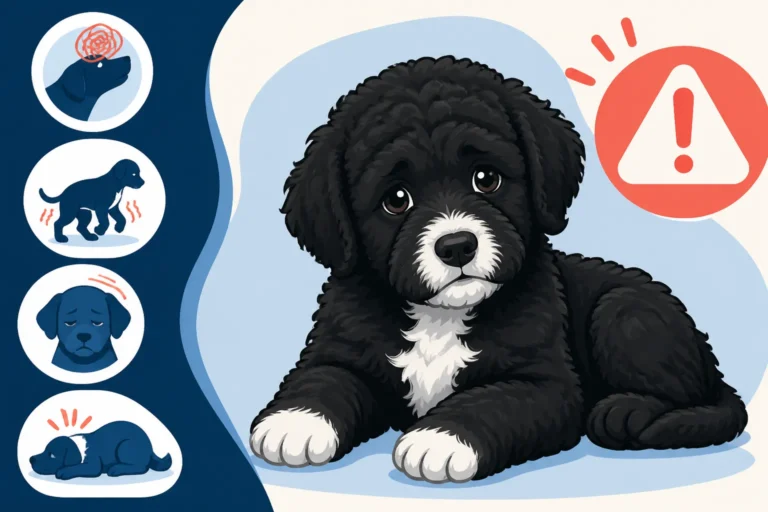
It's incredibly frustrating when you're trying to understand everything about a Portuguese Water Dog, only to encounter confusing terms like "improper coat" and then wonder if it means your beloved dog might face health problems. Many prospective and current owners worry that a coat that doesn't fit the "standard" might come with a hidden illness or a compromised life. This comprehensive guide is here to soothe those worries, clarify what an improper coat truly entails, and unequivocally state that it does not, in fact, mean your Portuguese Water Dog is unhealthy.
Decoding the Portuguese Water Dog's Improper Coat
When we talk about the Portuguese Water Dog, their coat is one of their most distinctive features. It's designed to protect them in the water, providing insulation and buoyancy. So, when a coat deviates from the expected curly or wavy texture, it's natural to have questions.
The Genetics Behind the "IC" Gene
The term "improper coat" (often abbreviated as IC) refers to a specific genetic trait in Portuguese Water Dogs. It’s not a disease, but rather a variation in coat type caused by a recessive gene. For a Portuguese Water Dog to express an improper coat, they must inherit two copies of this specific recessive gene—one from each parent. This means that even if both parents carry the gene, they themselves might have perfectly proper coats. They are simply carriers. You can learn more about exactly Which Gene Causes Improper Coat in a Portuguese Water Dog.
Understanding this genetic component is crucial because it immediately takes the "illness" factor out of the equation. It's a bit like eye color in humans; some people have blue eyes, others brown, and neither is inherently "unhealthy." The improper coat gene (often referred to as the IC gene or FGF5 variant) affects the length and texture of the hair, leading to a straighter, often softer, and sometimes longer coat than the breed standard dictates. Responsible breeders utilize DNA testing to identify carriers, allowing them to make informed decisions to manage the trait within their lines, preventing the breeding of two carriers together, which would result in puppies with improper coats.
What an Improper Coat Actually Is and Isn't
An improper coat, in its essence, is a longer, softer, and typically straighter coat that lacks the characteristic curl or tight wave of a standard Portuguese Water Dog. It often has a more "shaggy" appearance, reminiscent of some retriever breeds or even certain types of Spaniels. This is a far cry from the dense, waterproof, non-shedding (or low-shedding) coat that is typical of the breed.
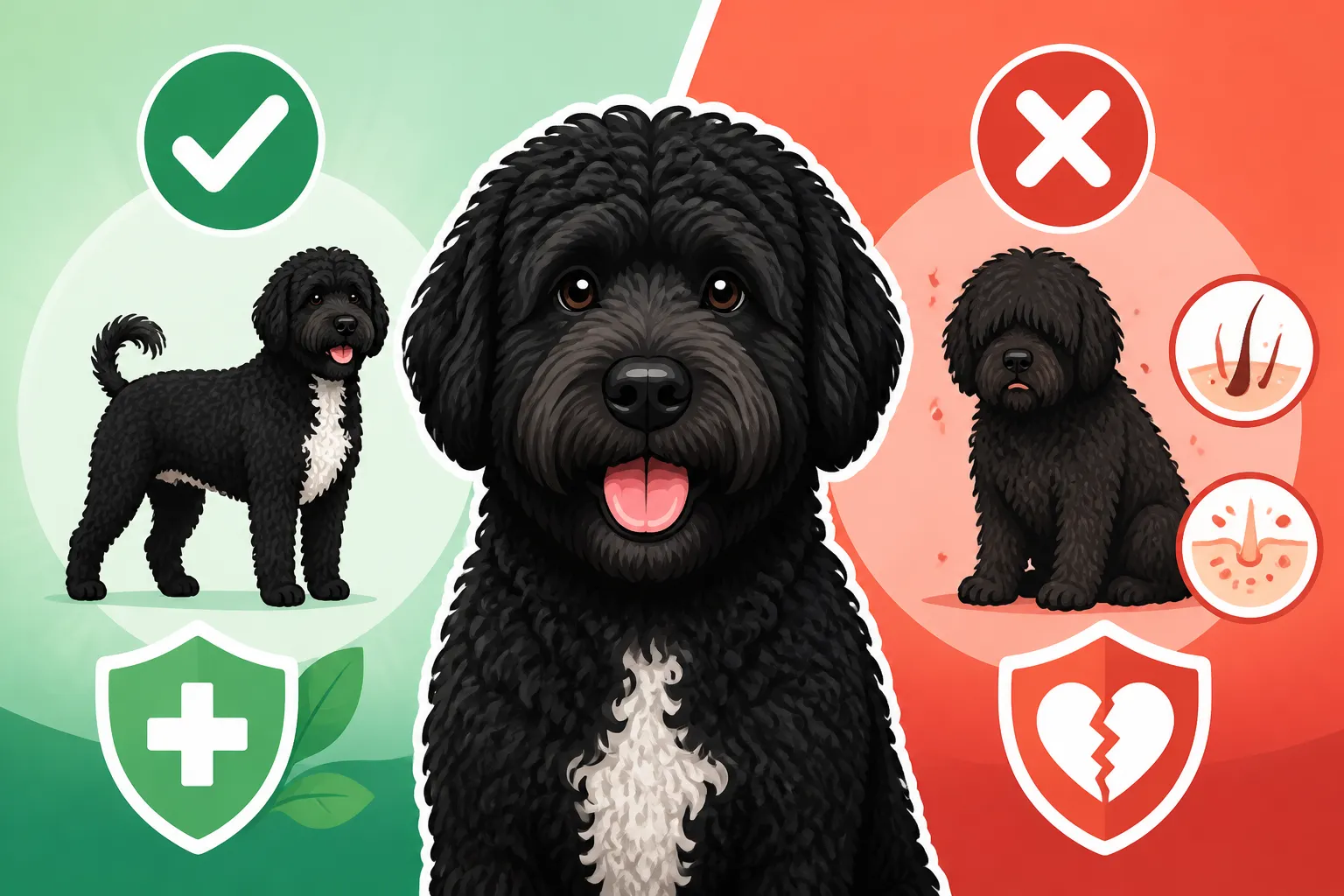
What it isn't is a sign of poor health, a compromised immune system, or any underlying medical condition. It's purely an aesthetic difference. Many people mistakenly believe that because it's called "improper," it must be bad for the dog's well-being. This couldn't be further from the truth. A Portuguese Water Dog with an improper coat is just as robust, energetic, and generally healthy as its properly coated siblings. The phrase "improper" really only relates to adherence to the breed standard for conformation showing, not to the dog's vitality or longevity. In fact, the very relevant article, Improper Coat in a Portuguese Water Dog Is Genetic, Not Illness, dives deep into this distinction, reinforcing that this is a genetic trait, not a health defect.
Visualizing the Improper Coat: What to Expect
When considering a Portuguese Water Dog, whether for show or as a beloved family companion, understanding what different coat types look like is really important. The improper coat can sometimes be a surprise to new owners if the breeder wasn't transparent or didn't test their breeding stock.
Comparing Proper vs. Improper Coat Textures
A standard Portuguese Water Dog, as defined by breed clubs like the AKC, has one of two coat types: curly or wavy. Both are single-coated, meaning they lack an undercoat, and are known for being non-shedding (though they do shed dead hair, it often gets caught in the existing coat).
- Curly Coat: This is a dense, cylindrical curl, often described as corkscrew-like, with a somewhat dull appearance. It's tough and coarse to the touch.
- Wavy Coat: This coat is softer, with distinct waves rather than tight curls, and it tends to have a slight sheen. It's usually a bit longer than the curly coat.
An improper coat, by contrast, is distinctly different. Imagine a coat that is much straighter, with little to no curl or wave, often described as fluffy or shaggy. It tends to be longer, especially on the body, legs, and tail, and feels noticeably softer to the touch—more like a Spaniel's or Golden Retriever's coat than a PWD's. This difference in texture means it doesn't offer the same kind of water resistance or matting properties as the proper coat. You can get a better visual sense by looking up What an Improper Coated Portuguese Water Dog Looks Like.
When the Improper Coat Becomes Apparent
Interestingly, puppies with an improper coat don't always look dramatically different from their properly coated littermates at birth. Often, the improper coat only becomes obvious as the puppy grows. You might notice subtle differences in texture or length around 8-10 weeks of age, but it usually becomes undeniable between 3 and 6 months.
At this stage, where a properly coated Portuguese Water Dog puppy's hair might start to tighten into curls or develop waves, the improper coated puppy's hair will just continue to grow longer and straighter. This can be a bit of a shock if you were expecting a typical PWD coat, especially if you weren't aware of the possibility or the genetic testing of the parents. Responsible breeders will typically test all puppies from carrier parents for the IC gene and disclose the results transparently.
Growth and Maintenance of an Improper Coat
Living with an improper coat does mean a slightly different grooming routine than a standard PWD, but it's certainly manageable. While proper Portuguese Water Dog coats are known for their rapid growth and potential to mat without diligent grooming, the improper coat can also present its own challenges. Because it's often longer and softer, it can be prone to tangles and knots, especially if the dog is active outdoors or swims frequently.
An improper coat will still need regular brushing and clipping, though the frequency and technique might vary. Some owners find that an improper coat actually mats less than a super dense, curly coat, while others find the softness makes it more prone to tangles that become mats if not brushed daily. The key is consistency. A good quality slicker brush and a sturdy comb are your best friends. And don't forget, even with an improper coat, those powerful webbed feet still need regular attention!
The Truth About Health and Improper Coats
This is often the biggest concern for potential owners: does an improper coat somehow signify a weaker or sicker dog? Let's get straight to the point and bust that myth once and for all.
Direct Health Impact: Or the Lack Thereof
Let me be absolutely clear: an improper coat in a Portuguese Water Dog has no direct adverse health impact on the dog. None. Zero. A Portuguese Water Dog with an improper coat is, from a health perspective, just as sound and robust as one with a perfect curly or wavy coat. They are not more prone to diseases, their immune systems are not weaker, and their lifespan isn't shortened.
The IC gene affects a single trait: hair texture and length. It doesn't impact internal organs, skeletal structure, neurological function, or any of the other critical health aspects that breeders carefully screen for, such as hip and elbow dysplasia, eye conditions like PRA, or genetic diseases like JDCM and GM1. If you're looking for an active, intelligent, and loving companion, an improper coated PWD will offer all of those qualities in spades, just like any other well-bred Portuguese Water Dog. Owners often worry about unseen issues, but the improper coat is not a harbinger of ill health. If you consider pet insurance, a provider like Healthy Paws would cover unexpected illnesses or accidents for an improper coated PWD just as readily as for any other dog, because the coat type doesn't predispose them to health problems.
Common Misconceptions About Improper Coats and Illness
Because the term "improper" carries a negative connotation, it often leads to a cascade of unfounded fears. Here are a few common misconceptions we often hear:
- "They must be cold without their proper coat": While the natural PWD coat is excellent for insulation, an improper coat still provides warmth. Most improper coated dogs have a dense enough coat for normal activities, and if you live in an extremely cold climate or plan on extensive winter water work, a dog jacket is a sensible addition for any PWD.
- "They'll get more skin infections": There's no scientific evidence to support this. Skin health is more related to diet, grooming, and underlying allergies (which can affect any dog) than to coat texture. Proper drying after swims is important for all PWDs to prevent skin issues.
- "It means the dog isn't purebred": Absolutely not true. The improper coat gene exists within the purebred Portuguese Water Dog gene pool. It simply means the dog inherited two copies of a specific recessive gene that affects coat texture. It has nothing to do with purity of lineage.
These myths often stem from a lack of understanding of genetics and the emotional weight attached to "breed standards." It's important to remember that breed standards are guides for ideal appearance and function, primarily for showing, and not always direct indicators of a pet's health.
Addressing Owner Concerns and Veterinary Perspectives
It's completely normal for owners to be concerned about their dog's health, especially when something seems "different." If you have an improper coated Portuguese Water Dog, open communication with your veterinarian is key. They can confirm that the coat type itself is not a health concern. Your vet will focus on all the standard aspects of canine health: proper nutrition, vaccination schedules, parasite prevention, dental care, and monitoring for common breed-specific conditions that are genuinely health-related, like Addison's disease or certain eye conditions, which are entirely separate from coat genetics.
For example, when your vet reviews your Portuguese Water Dog's health, they'll check for signs of common issues like Addisons Disease Is Common in Portuguese Water Dogs or examine their hips for dysplasia, which are actual health concerns relevant to the breed, irrespective of coat type. The coat might require specific grooming advice from your vet or a professional groomer, but it won't be a medical diagnosis. Your vet might recommend routine ear cleaning to prevent infections, which is a common need for all Portuguese Water Dogs due to their drop ears, regardless of coat.
Living with an Improper Coated Portuguese Water Dog
Embracing an improper coated Portuguese Water Dog means acknowledging their unique grooming needs and ensuring they thrive in your home, just like any other PWD. Their energetic, intelligent, and affectionate nature shines through, regardless of their hair.
Grooming Considerations for Different Coat Types
The primary difference you'll encounter with an improper coat is in the grooming routine. While all Portuguese Water Dogs require regular grooming, an improper coat may require different tools and techniques.
- Brushing: Because the hair is often longer and softer, it can be prone to tangling and matting, especially if it's left to grow out. Daily or every-other-day brushing with a good quality slicker brush and a metal comb is essential to prevent mats from forming close to the skin. Pay particular attention to areas behind the ears, under the legs, and around the tail. Some owners of improper coated dogs report that their dogs shed more than properly coated PWDs, which is another reason why frequent brushing is important—to remove loose hair. This addresses the common query, Whether an Improper Coat Sheds More.
- Clipping: Just like standard PWDs, improper coated dogs benefit from regular clipping. Many owners opt for a shorter "retriever clip" to make maintenance easier. The frequency will depend on how long you prefer the coat and how quickly it grows. Every 6-8 weeks is a good starting point for professional grooming, or more frequently if you groom at home. This regular trimming helps keep the coat manageable and prevents it from becoming too unwieldy.
- Bathing and Drying: While they might not have the same tight, waterproof curl, improper coated PWDs are still water lovers. After swimming, it's vital to rinse their coat thoroughly, especially after saltwater or chlorinated pool swims, to prevent skin irritation and drying. Drying is also critical. While a force dryer isn't strictly necessary for a proper coat, it can significantly speed up drying time for an improper coat and help prevent skin issues that can arise from prolonged dampness.
Adapting to Environmental Factors
A Portuguese Water Dog, regardless of coat type, is an active breed that loves the outdoors. Their coat, whether proper or improper, plays a role in how they interact with their environment.
- Water Activities: An improper coat might not offer the same hydrodynamic efficiency or insulation as a dense, curly coat, but it certainly doesn't prevent a PWD from enjoying water. They'll still dive, swim, and retrieve with gusto. Just be mindful of extremely cold water temperatures for prolonged periods, and consider a doggy wetsuit or life jacket for added warmth and buoyancy during colder swims, especially if your dog has a very thin improper coat. After swimming, make sure they are thoroughly dried to prevent skin issues or chills, particularly in cooler weather.
- Weather Conditions: In hot weather, a longer improper coat can potentially lead to overheating more quickly than a shorter, clipped coat. Regular grooming, keeping the coat clipped to a sensible length, and ensuring access to shade and fresh water are paramount. In colder weather, as mentioned, an extra layer might be appreciated for extended outdoor excursions. The key is to be observant of your individual dog's comfort levels and adapt their activities and protection accordingly.
Daily Care and Well-being
Beyond grooming and environmental adaptations, the daily care for an improper coated Portuguese Water Dog is largely the same as for any other PWD. They thrive on mental and physical stimulation, consistent training, and lots of quality time with their families.
- Exercise: These dogs need a lot of exercise, ideally including swimming. A tired PWD is a happy PWD, regardless of coat. You'll still need to provide ample opportunities for them to run, play, and engage their intelligent minds. Consider activities like dock diving or water trials, which they can excel at.
- Nutrition: A high-quality diet appropriate for an active, medium-sized breed is essential. Maintaining a healthy weight is critical for joint health and overall well-being.
- Regular Vet Check-ups: Consistent veterinary care, including regular wellness exams and recommended screenings, is vital for long-term health. Think of it like investing in a good health plan for your pet, similar to what you'd expect from a company like Healthy Paws, which helps cover those unexpected veterinary bills. Discuss preventative care and any specific concerns with your vet.
Improper Coats in the Breeding and Showing World
The existence of the improper coat gene has definitely shaped breeding practices and the world of conformation showing for Portuguese Water Dogs. It’s a topic of ongoing discussion among breeders and enthusiasts.
The Impact on Breeding Decisions and Genetic Diversity
For responsible breeders, understanding the IC gene is paramount. Since it's a recessive trait, two carriers can produce puppies with improper coats. If a breeder isn't testing, they might unknowingly produce IC puppies, or worse, perpetuate the gene without understanding its prevalence in their lines. This is why a reputable breeder will have genetic testing results for all their breeding stock, including tests for the IC gene. They will never knowingly breed two carriers together. Instead, a carrier might be bred to a dog that has been tested clear of the IC gene, ensuring that no puppies in that litter will have an improper coat, though half will likely be carriers themselves.
This careful genetic management is crucial for maintaining the breed's health and integrity. The American Kennel Club (AKC) and the Portuguese Water Dog Club of America (PWDCA) strongly advocate for genetic testing. It's not about eradicating the gene entirely, as that could narrow the gene pool too much. Instead, it's about making informed breeding choices to avoid producing affected puppies while preserving genetic diversity within the breed. It underscores the importance of the question, Whether Two Carriers Produce an Improper Coat, and the clear answer guides ethical breeding. Moreover, it ties into the broader discussion of What a Portuguese Water Dog Breeder Should Have Tested.
Improper Coats in Conformation Shows
Here's where the "improper" designation truly matters: in the show ring. A Portuguese Water Dog with an improper coat cannot be shown in conformation events. The breed standard clearly defines the acceptable coat types (curly or wavy), and any deviation from this is considered a fault that disqualifies the dog from winning titles.
This doesn't mean the dog is lesser in any way; it simply doesn't meet the specific aesthetic criteria for show. This can be a disappointment for breeders who might have had show aspirations for a particular puppy. However, it's a black-and-white rule within the world of competitive dog showing. For pet owners, this distinction is largely irrelevant, as their focus is on companionship, not ribbons. If you were ever curious, the answer to Whether an Improper Coated Portuguese Water Dog Can Be Shown is a firm no in conformation.
The Pet Market and Value Perception
Due to their inability to be shown, and sometimes the simply unexpected appearance for those desiring a "classic" PWD look, puppies with improper coats are often sold as companion animals. Sometimes, this means they might be priced slightly lower than their properly coated littermates, particularly if the breeder is trying to place them quickly or if the aesthetic is a concern for buyers.
However, their value as family members is absolutely undiminished. They offer the same intelligence, energy, and loyalty that the breed is known for. Many families specifically seek out improper coated PWDs because they might be available sooner or for a lower purchase price, while still getting all the wonderful qualities of the breed. This touches on the query, Whether an Improper Coated Portuguese Water Dog Costs Less, which is often the case. It's a testament to the fact that health and temperament should always be prioritized over appearance for a family pet.
Dispelling Myths: Is an Improper Coat a "Problem"?
The language we use around genetic traits can be really powerful, and "improper" often conjures up images of something being inherently wrong. But let's reframe this.
Why the Improper Coat Gene is a Management Issue, Not a Health Crisis
The improper coat gene is not a health crisis for the Portuguese Water Dog breed. It's a genetic trait that requires responsible management by breeders and informed understanding by owners. The key takeaway is that the dog itself is healthy. There are no associated health complications directly linked to having an improper coat.
Think of it like different hair types in humans – curly, straight, fine, thick. Each requires different care, but none is inherently "unhealthy." For PWDs, the improper coat simply requires a slightly different approach to grooming and potentially some minor adjustments to management, especially if the dog spends a lot of time in challenging environments. It does not shorten their life, reduce their activity levels, or impact their cognitive abilities. It's purely superficial.
The Importance of a Responsible Breeder
Choosing a reputable and transparent breeder is critical, regardless of whether you're looking for a show dog or a companion. A responsible breeder will:
- Conduct all recommended health tests: This includes DNA tests for improper coat, but also for serious genetic conditions like JDCM, GM1, and PRA.
- Be transparent about results: They should be happy to show you the genetic health clearances for both parent dogs and any available results for the puppies, including their IC status.
- Educate prospective owners: A good breeder will explain what an improper coat means, what to expect in terms of grooming, and reassure you about the dog's health.
- Prioritize health and temperament: Their breeding program will focus on producing healthy, well-socialized puppies, with appearance being a secondary consideration.
When you bring a Portuguese Water Dog into your home, you're welcoming a vibrant, intelligent, and deeply affectionate member of your family. Their coat, whether curly, wavy, or what's termed "improper," is just one small part of their unique charm. Focus on the dog's overall health, temperament, and the joy they bring into your life, and you'll find that an improper coat truly isn't a problem at all.
| Feature | Proper Coat (Curly/Wavy) | Improper Coat (IC) |
|---|---|---|
| Texture | Dense, cylindrical curls or distinct waves | Softer, longer, straighter, often shaggier |
| Insulation/Waterproofing | Excellent for cold water and weather | Good, but may be less effective in extremes |
| Shedding | Low-shedding (hair caught in coat) | May appear to shed more due to softer texture |
| Grooming Needs | Regular brushing, clipping to prevent mats | Regular brushing, clipping to prevent tangles/mats |
| Health Implications | None directly related to coat | None directly related to coat |
| Show Eligibility | Yes, if meets other breed standards | No, considered a disqualifying fault |
| Genetic Cause | Homozygous dominant or heterozygous for FGF5 | Homozygous recessive for FGF5 (IC gene) |
Disclaimer
Please remember that this information is for educational purposes only and should not replace professional veterinary advice. Always consult with a qualified veterinarian regarding your specific pet's health and care.