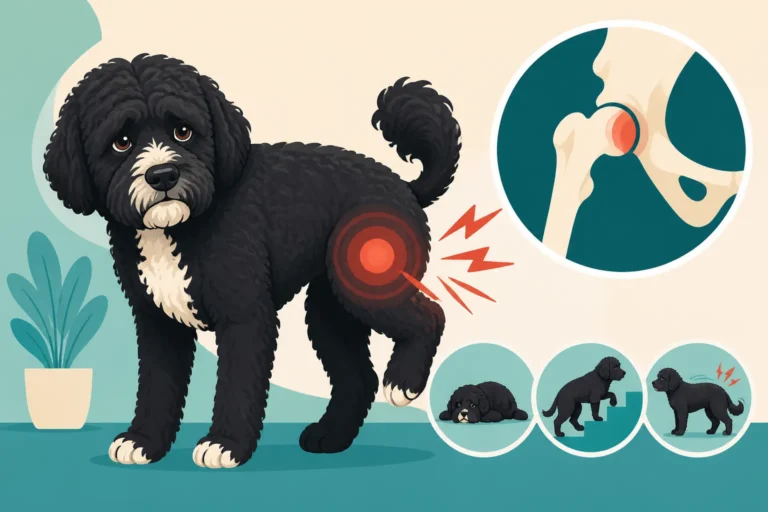
Why Addisons Is Called the Great Pretender in a Portuguese Water Dog
There's nothing quite as perplexing and disheartening for a Portuguese Water Dog owner as seeing their beloved companion just… off. They might be lethargic one day, fine the next, only to start vomiting a week later, leaving you wondering if it's a bad batch of kibble, a passing bug, or something far more serious. This elusive pattern of vague, inconsistent symptoms is precisely why Addison's disease in Portuguese Water Dogs has earned its notorious moniker: "The Great Pretender." This guide will delve deep into why this condition is so tricky to pin down and what you can do to advocate for your PWD.
The Elusive Nature of Addison's Disease in Portuguese Water Dogs
The nickname "The Great Pretender" is incredibly apt for Addison's disease, or hypoadrenocorticism, in our Portuguese Water Dogs. Unlike many illnesses that present with a distinct, undeniable set of symptoms, Addison's disease is a master of disguise. It doesn't typically announce itself with a clear, textbook presentation; instead, it often mimics a wide array of more common, less serious ailments, leading to frustrating delays in diagnosis. This chameleon-like quality makes it a true challenge for even the most experienced veterinarians and can be a heart-wrenching journey for owners watching their vibrant PWD slowly decline without a clear answer. If you've been grappling with vague, recurring health issues in your dog, you might be wondering about What Addisons Disease Does to a Portuguese Water Dog.
Why the "Great Pretender" Nickname Sticks
Imagine your energetic Portuguese Water Dog, usually eager for a swim or a robust game of fetch, suddenly refusing breakfast and seeming a bit subdued. You might think, "Oh, maybe they ate something they shouldn't have," or "Perhaps they're just tired from yesterday's park adventure." For a day or two, they might even seem to bounce back, making you breathe a sigh of relief. Then, a few weeks later, the lethargy returns, perhaps coupled with vomiting or diarrhea. This on-again, off-again pattern is a hallmark of Addison's. Because the symptoms are so non-specific—digestive upset, fatigue, muscle weakness, a generally "poorly" appearance—they can easily be mistaken for gastritis, pancreatitis, kidney issues, liver disease, or even just old age. This constant shifting of symptoms, or their temporary disappearance, makes it nearly impossible to point a finger directly at Addison's without specific testing.
Understanding the Underlying Cause: Adrenal Gland Failure
At its core, Addison's disease is a hormonal disorder. It occurs when the adrenal glands, small but mighty organs located near the kidneys, fail to produce adequate amounts of critical hormones. Primarily, we're talking about glucocorticoids (like cortisol, the "stress hormone") and mineralocorticoids (like aldosterone, which regulates electrolytes). Cortisol plays a role in nearly every bodily function, from metabolism to immune response and stress management. Aldosterone is crucial for maintaining the delicate balance of sodium and potassium in the body. When the adrenal glands don't produce enough of these, the body's systems go haywire, leading to the confusing constellation of symptoms. The precise reason Why a Portuguese Water Dog's Adrenal Glands Fail is often immune-mediated destruction of the glands, but occasionally it can be due to tumors or other issues. The insidious onset means the glands often fail gradually, which explains the waxing and waning nature of the illness before it reaches a critical point.
Recognizing the Mimic: Common Symptoms and Their Deceptive Guise
The sheer variety of symptoms, combined with their intermittent nature, is what makes Addison's disease so challenging to diagnose in Portuguese Water Dogs. As devoted owners, we scrutinize every little change in our dogs, but when those changes are inconsistent and can point to so many different problems, it’s easy to feel lost. Knowing the subtle ways Addison's disease can manifest can help you recognize the patterns that might indicate something more than a minor ailment. Many of these overlap with very common, everyday dog issues. It's truly a masterclass in medical misdirection.
Gastrointestinal Distress: More Than Just a Tummy Ache
One of the most frequent manifestations of Addison's is gastrointestinal upset. Your Portuguese Water Dog might experience chronic or intermittent vomiting, diarrhea, or a noticeable loss of appetite. They might even seem a bit nauseous without actually vomiting. These symptoms are so prevalent in dogs that it's natural to first suspect dietary indiscretion, a sensitive stomach, or a temporary stomach bug. You might change their food, offer bland meals, or try over-the-counter remedies, and sometimes, the symptoms might even temporarily resolve, offering false hope. However, if these digestive issues keep coming back, especially if they are combined with other subtle changes, it's worth digging deeper. Consider if you've noticed any of these Signs a Portuguese Water Dog Has Addisons beyond just a fleeting upset stomach.
Lethargy and Weakness: When "Tired" Is More Than Just Tired
Portuguese Water Dogs are renowned for their boundless energy, their enthusiasm for life, and their incredible stamina, especially when it comes to water activities. So, when your PWD starts to seem unusually tired, less interested in walks or playtime, or struggles to get up, it's a significant shift. This lethargy and generalized weakness can, unfortunately, be attributed to countless other conditions. An aging dog might be slowing down, a dog with arthritis might be experiencing pain, or a dog battling an infection might feel run down. The key differentiator with Addison's is often the fluctuating nature—one day they're dragging, the next they have a burst of energy, only to crash again later. This inconsistency can make owners question their own observations, wondering if they're just imagining things or if their dog is truly unwell.
The Frustrating Cycle of Waxing and Waning Signs
Perhaps the most deceptive aspect of Addison's disease is how its symptoms often wax and wane. Your dog might be visibly unwell for a few days, prompting a vet visit, but by the time you get an appointment, they might be feeling a bit better. This temporary improvement can lead to a "wait and see" approach, during which the disease quietly progresses. The symptoms might disappear completely for weeks or even months, only to return with a vengeance, often more severe than before. This unpredictable cycle makes it incredibly difficult to establish a clear timeline of illness, which is vital for diagnosis. It's like chasing a moving target, leaving both owners and vets feeling baffled and frustrated. While Addison's can strike at any point, understanding The Age Addisons Appears in a Portuguese Water Dog can sometimes help inform your vet's diagnostic considerations.
Less Common, But Critical, Indicators
While GI issues and lethargy are common, there are other signs that, though less frequent, can be strong indicators once Addison's is suspected. These can include increased thirst and urination (polydipsia/polyuria), shivering or muscle tremors, a slower-than-normal heart rate, or even generalized abdominal pain. Some dogs might develop a dull, dry coat despite regular grooming. In severe cases, leading to an "Addisonian crisis," symptoms can become acute and life-threatening: sudden collapse, severe vomiting and diarrhea, extreme weakness, and profound shock. This crisis often happens after a period of vague, unaddressed symptoms, when the body's systems finally shut down due to electrolyte imbalances and low blood pressure. If your Portuguese Water Dog shows any of these combined signs, especially a waxing and waning pattern, it’s imperative to communicate all observations to your veterinarian, no matter how minor they seem.
Here's a quick comparison of common Addison's symptoms versus other conditions to illustrate the challenge:
| Addison's Symptom | Mimics Conditions Like… | Key Differentiator (for Addison's) |
|---|---|---|
| Lethargy/Weakness | Aging, Arthritis, Hypothyroidism, Heart Disease, Infections | Often intermittent; improves with stress reduction, then recurs. |
| Vomiting/Diarrhea | Dietary Indiscretion, Pancreatitis, Gastritis, IBD, Parasites | Can be chronic or recurring; may worsen with stress. |
| Decreased Appetite | Dental Disease, Nausea, Pain, Many Systemic Illnesses | Often intermittent; dog might eat enthusiastically one day, refuse the next. |
| Shaking/Trembling | Pain, Anxiety, Hypoglycemia, Seizures | Can occur with weakness, especially during periods of stress. |
| Weight Loss | Cancer, IBD, Diabetes, Hyperthyroidism (rare in dogs) | Gradual; often accompanies appetite loss and GI issues. |
| Increased Thirst/Urination | Kidney Disease, Diabetes, Cushing's Disease, Hypercalcemia | Less common than other signs, but significant when present. |
Unmasking the Pretender: The Diagnostic Journey
The journey to diagnose Addison's disease in a Portuguese Water Dog can be long and emotionally taxing. Because the symptoms are so non-specific, veterinarians often have to rule out many other more common conditions first. This can involve multiple visits, different tests, and a lot of anxious waiting. It's a frustrating dance, but understanding the steps involved and knowing what to expect can empower you to be a strong advocate for your dog. Pinpointing How Addisons Is Diagnosed in a Portuguese Water Dog is key to moving forward.
Initial Veterinary Visit and Ruling Out Other Conditions
When you first bring your Portuguese Water Dog to the vet with vague symptoms, the initial examination might not reveal anything definitive. Routine blood work (a complete blood count and chemistry panel) can sometimes show subtle clues—such as high potassium and low sodium levels, which are highly suggestive of Addison's—but often, initial results might appear surprisingly normal, or only mildly abnormal in ways that don't point directly to the disease. The vet might start by treating for more common issues, like prescribing anti-nausea medication or a bland diet for GI upset. If symptoms persist or recur, your vet might suggest further diagnostics to rule out other organ diseases, pancreatitis, or chronic infections. This process of elimination is often necessary due to the "pretender" nature of Addison's. It's critical during this phase to provide your vet with a detailed history of all symptoms, no matter how trivial they seem, and emphasize their waxing and waning pattern.
The Gold Standard: The ACTH Stimulation Test
Once Addison's disease is suspected, there is a definitive test to confirm it: the ACTH (Adrenocorticotropic Hormone) stimulation test. This is considered the gold standard. The test involves two blood samples. First, a baseline blood sample is taken to measure your dog's resting cortisol level. Then, your dog is given an injection of synthetic ACTH, which is the hormone that normally stimulates the adrenal glands to produce cortisol. After a specific amount of time (usually one hour), a second blood sample is taken. If your dog's adrenal glands are healthy, the cortisol level in the second sample will be significantly higher than the baseline, showing a robust response. However, if your Portuguese Water Dog has Addison's, their adrenal glands will fail to respond, and the cortisol levels will remain very low or barely increase. This lack of response is the clear indicator that the adrenal glands are not functioning properly. Knowing What an ACTH Test Costs on a Portuguese Water Dog can help you prepare for the financial aspect of diagnosis. This is also where a good pet insurance plan, like one from Healthy Paws, can make a significant difference, helping to cover the diagnostic costs that can quickly add up.
Supportive Tests That Raise Suspicion
Before the ACTH test, other blood work can certainly provide strong clues. As mentioned, electrolyte imbalances—specifically hyperkalemia (high potassium) and hyponatremia (low sodium)—are highly suggestive. The ratio of sodium to potassium can be particularly telling. A low sodium-to-potassium ratio is a huge red flag for Addison's. Additionally, a complete blood count (CBC) might reveal a "reverse stress leukogram," meaning the dog doesn't have the typical stress response reflected in their white blood cell count, which is unusual for a sick animal and another hint toward Addison's. While these tests aren't diagnostic on their own, they can certainly guide your vet towards considering the ACTH stimulation test sooner rather than later, saving valuable time and reducing your dog's prolonged discomfort.
Managing the Reality: Life After an Addison's Diagnosis
Receiving an Addison's diagnosis for your Portuguese Water Dog can feel overwhelming, but it's crucial to remember that it is not a death sentence. In fact, it's one of the most manageable chronic diseases in veterinary medicine, provided it's properly diagnosed and treated. Once the "pretender" is unmasked, a new chapter begins – one focused on management, stability, and helping your PWD live a full, happy, and active life. Understanding How a Portuguese Water Dog With Addisons Is Treated is the first step towards feeling empowered.
Lifelong Treatment: A Commitment to Health
The most important thing to grasp about Addison's disease is that treatment is lifelong. There's no cure for the underlying adrenal gland failure, but hormone replacement therapy effectively substitutes what your dog's body can no longer produce. This typically involves two main types of medication:
- Mineralocorticoid Replacement: This usually comes in the form of an injectable medication like desoxycorticosterone pivalate (often known by brand names like Zycortal or Percorten-V). These injections are given every 25-30 days, or sometimes a bit longer depending on the individual dog's response. This hormone is vital for regulating electrolytes (sodium and potassium).
- Glucocorticoid Replacement: This is usually an oral medication like prednisone, given daily. The dose is typically very low, often a "physiological" dose, meaning it replaces the natural cortisol your dog's body should be making. The dose might be increased slightly during times of stress (e.g., vet visits, travel, boarding) to help your dog cope.
Your vet will carefully determine Which Medication a Portuguese Water Dog With Addisons Takes and their precise dosages, which can be adjusted over time based on your dog's response and blood work. The good news is that Whether Addisons Medication Is Lifelong for a Portuguese Water Dog is a resounding yes, but the payoff is a healthy, symptom-free dog.
Regular Monitoring and Adjustments
Living with an Addisonian Portuguese Water Dog means committing to regular veterinary check-ups and blood work. Especially in the initial months after diagnosis, your vet will want to monitor your dog's electrolyte levels closely to ensure the mineralocorticoid injection is at the correct frequency and dose. Once stable, monitoring might become less frequent, perhaps every 3-6 months, but it remains a crucial part of managing the condition. These blood tests help fine-tune the medication, preventing imbalances that could lead to symptoms or, in severe cases, an Addisonian crisis. Don't be surprised if the costs of these regular visits and medications add up; this is where financial planning, and having comprehensive pet insurance like Healthy Paws, can be incredibly beneficial for ongoing care. The annual cost of managing Addison's is a significant consideration, making What Treating a Portuguese Water Dog's Addisons Costs a Year an important discussion point with your vet.
Excellent Prognosis and a Full Life Ahead
The excellent news is that once Addison's disease is diagnosed and effectively managed, the prognosis for Portuguese Water Dogs is overwhelmingly positive. Most Addisonian dogs, once stabilized on medication, go on to live long, normal, and happy lives, often with no outward signs of their condition. They can still enjoy all their favorite activities, including swimming, hiking, and playing with the same vigor they always had. Your role as an owner becomes a proactive one, administering medication as directed, observing for any subtle changes, and maintaining open communication with your veterinarian. It’s a commitment, but the reward is a thriving companion. Even as they reach their senior years, What an Addisonian Portuguese Water Dog Costs at Twelve will largely revolve around their continued medication and routine wellness checks, just like any other senior dog.
Preparing for an Addisonian Crisis
While the goal is always stable management, it's wise to be aware of the signs of an Addisonian crisis, which is a severe, life-threatening exacerbation of the disease. This can occur if medication is missed, if the dose is incorrect, or if the dog experiences extreme stress. Symptoms include severe vomiting, profuse diarrhea, extreme lethargy, collapse, and a very weak pulse. This is a medical emergency requiring immediate veterinary attention. Your vet will likely administer IV fluids, injectables of fast-acting glucocorticoids, and other supportive care. Being prepared and knowing when to rush to the emergency clinic is vital for any Addisonian dog owner. Having emergency savings or robust pet insurance coverage from providers like Healthy Paws is particularly important for these unexpected critical events.
Disclaimer
This article is for general informational purposes only and does not constitute professional advice. Laws, prices and regulations vary by location and change over time. Consult a qualified professional for guidance on your specific situation.