When a Portuguese Water Dog’s Growth Plates Close
One of the most common anxieties for new Portuguese Water Dog owners, and even those with a bit more experience, revolves around their puppy's development. You see your energetic little companion growing at an astonishing rate, and you can't help but wonder if you're doing everything right to ensure their long-term health. A big part of this concern often boils down to understanding when your Portuguese Water Dog's growth plates close, and what that means for their activity levels and overall care. This comprehensive guide will walk you through everything you need to know about growth plates, their closure timeline, and how to best support your beloved PWD through this critical developmental period.
What Exactly Are Growth Plates and Why Do They Matter?
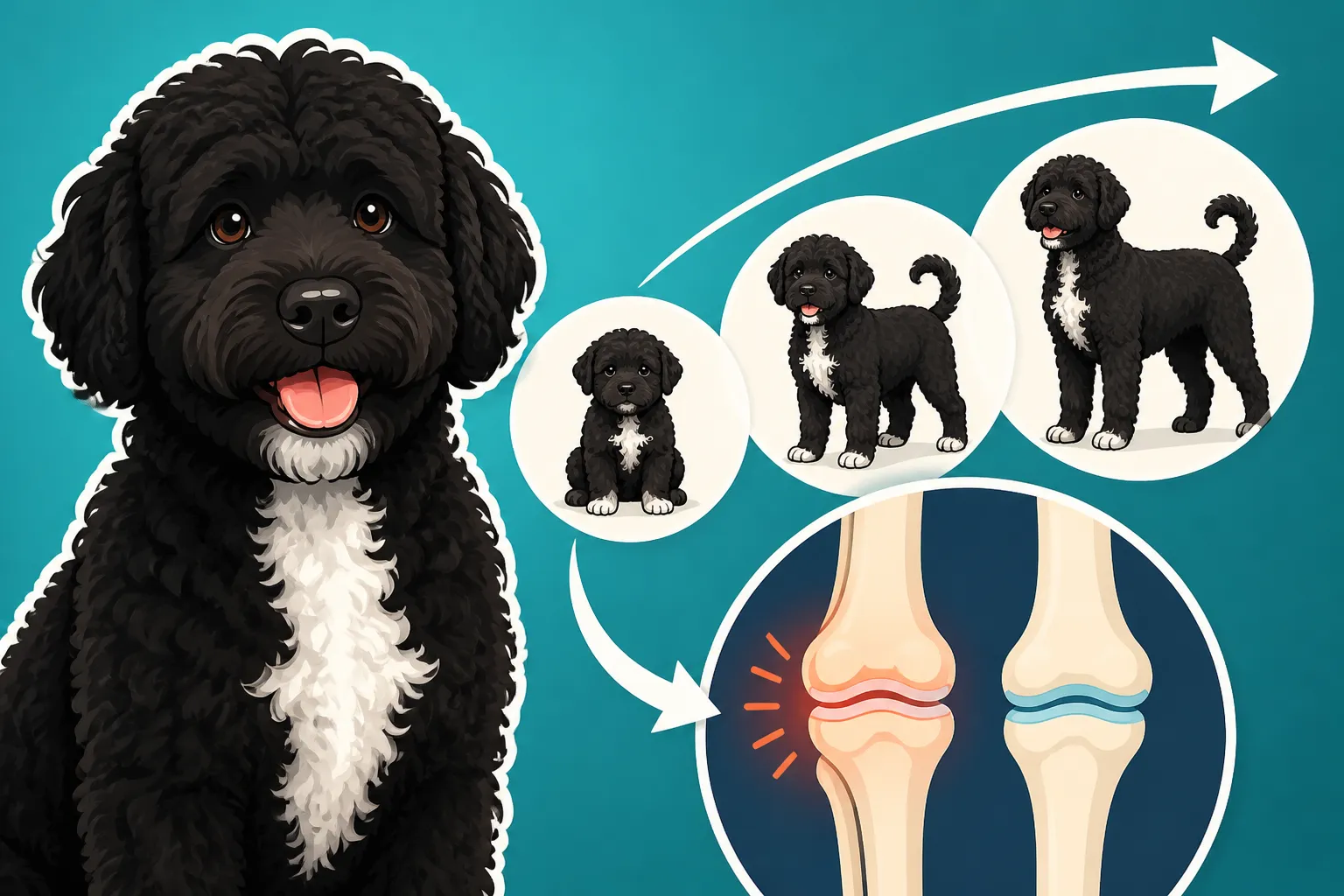
It's easy to think of a puppy's bones as miniature versions of adult bones, but that's not quite right. Young dogs have these incredibly important areas of soft, cartilaginous tissue at the ends of their long bones, near the joints. These are what we call growth plates, or epiphyseal plates, and they are absolutely crucial for your Portuguese Water Dog's proper skeletal development.
Anatomy of Growth Plates Epiphyseal Plates
Imagine the long bones in your PWD's legs – like the femur in the thigh or the radius and ulna in the forearm. At each end of these bones, there's a specialized area of cartilage. This cartilage is where new bone cells are constantly being produced, pushing the ends of the bone further apart and causing the bone to lengthen. Think of it like a miniature construction zone dedicated solely to increasing bone length. Each long bone typically has two growth plates, one at each end, allowing for symmetrical growth. These aren't just in the legs; you'll find them in the bones of the spine, pelvis, and even parts of the skull, all contributing to your dog's overall size and structure. The integrity of these areas is what dictates how tall and well-formed your PWD will ultimately become.
The Critical Role in Long Bone Development
The reason growth plates are such a hot topic in puppy care is because they are also incredibly vulnerable. Unlike the hard, calcified bone of an adult dog, the cartilage of a growth plate is softer and weaker. This means it's more susceptible to injury. A hard landing, an awkward twist, or repetitive high-impact exercise can easily damage an open growth plate. When a growth plate is injured, it can lead to what's called a "Salter-Harris fracture." These fractures are particularly problematic because they can heal improperly, causing the bone to stop growing prematurely or to grow unevenly. This can result in angular limb deformities, where one leg might be shorter than the other, or one side of a bone grows faster than the other, leading to bowing or twisting. Such deformities can cause chronic pain, arthritis, and significantly impact your Portuguese Water Dog's quality of life and athletic ability down the road, making activities like swimming or dock diving much more challenging or even impossible. This is why understanding their function and protecting them is paramount during puppyhood.
The Typical Timeline for Portuguese Water Dog Growth Plate Closure
Understanding when your PWD's growth plates are likely to close isn't an exact science, but there are general timelines that breeders and veterinarians use as guidelines. It's a progressive process, with different bones closing at different rates, rather than a single event.
General Canine Growth Patterns
For most dog breeds, growth plates generally begin to close from about 4-6 months of age and are usually fully fused by 12-18 months. Smaller breeds tend to mature faster, with their growth plates closing earlier, sometimes as early as 6-8 months. Larger and giant breeds, on the other hand, take much longer, sometimes not fully closing until 24 months or even later. This difference is why you see such varied recommendations for puppy exercise and spay/neuter timing across different breeds. The longer a dog's growth plates remain open, the more vulnerable they are to injury from inappropriate activities.
Specifics for Medium to Large Breeds Like PWDs
Portuguese Water Dogs fall into the medium-to-large breed category. Typically, their growth plates start to show significant closure around 8-10 months of age, with most of them being fully closed by 14-16 months. However, some of the last plates to fuse, particularly those in the elbow and shoulder, might not fully close until 18 months. It's not uncommon for veterinarians to advise caution with high-impact activities until a PWD is at least 14-18 months old, just to be safe. For example, the distal radius (near the wrist) might close earlier than the proximal humerus (shoulder). Because of this staggered closure, waiting until closer to the 18-month mark is generally the safest approach for intense physical activity to protect the Hips and Joints in a Portuguese Water Dog.
Here's a generalized table showing typical growth plate closure ranges for different areas in a medium-to-large breed like a Portuguese Water Dog:
| Bone Area | Approximate Closure Age Range (Months) | Notes |
|---|---|---|
| Distal Ulna/Radius | 8 – 10 | Lower leg, near the wrist. Often among the first to close. |
| Proximal Humerus | 10 – 14 | Upper arm, near the shoulder. Can be later for active dogs. |
| Femur (proximal/distal) | 12 – 16 | Thigh bone, both ends. Crucial for hip and knee health. |
| Tibia/Fibula | 12 – 16 | Lower leg, near the knee. |
| Pelvis | 6 – 18 | Complex fusion of multiple bones; generally solidifies earlier but continues to strengthen. |
| Vertebrae (Spine) | 14 – 20 | Spinal growth plates close progressively and can be among the last. |
It's important to remember these are general ranges. Your specific PWD might be a bit earlier or later.
Individual Variations and Factors
While these timelines offer a good guideline, every Portuguese Water Dog is an individual, and their growth plate closure can vary based on several factors. Genetics play a significant role; some lines might mature slightly faster or slower. Nutrition is also critical; a balanced diet that supports healthy, steady growth – rather than rapid growth – is key. Overfeeding a puppy, particularly with a diet too high in calcium or calories, can paradoxically lead to developmental orthopedic diseases by stressing the growing bones and joints. Environmental factors, such as the amount and type of exercise a puppy receives, also influence the process. A puppy that is constantly pushed into strenuous activities might experience micro-traumas that affect growth plate health, even if they don't result in a visible lameness right away. Monitoring What a Portuguese Water Dog Puppy Should Weigh by Month is crucial to ensure they're growing at a healthy pace. Your veterinarian can also take X-rays to get a clearer picture of your individual dog's growth plate status, especially if you have concerns or are planning specific activities.
Why Early Exercise and Neutering Can Be Problematic for PWDs
This brings us to two of the most hotly debated topics in puppy care: appropriate exercise levels and the timing of spay/neuter surgery. Both can have profound effects on a Portuguese Water Dog's skeletal development if not managed carefully while growth plates are still open.
Impact of Over-Exercise on Open Growth Plates
We all want our PWD puppies to be healthy, well-exercised, and happy. They are incredibly energetic, intelligent dogs, bred for demanding work, and it's tempting to think more exercise is always better. However, pushing a puppy too hard before their growth plates have fully closed can be detrimental. High-impact activities like repeated jumping, long-distance running on hard surfaces, agility training with weaves and contacts, or vigorous, prolonged fetch sessions where they twist and turn sharply, put immense stress on those vulnerable growth plates. Imagine the shock absorber of a car being made of soft jelly – that's essentially what a growth plate is compared to mature bone.
Instead of structured, high-intensity exercise, focus on free play in a safe, soft environment like grass. Short, frequent walks are better than one long hike. Swimming, in moderation, is excellent for a Portuguese Water Dog because it’s low impact and builds muscle without stressing joints – in fact, Why Swimming Protects a Portuguese Water Dog's Joints is a topic worth exploring further. Think about letting your puppy explore and play on their own terms, letting them dictate the pace and duration. This allows their bones and joints to develop naturally without undue pressure. If your PWD puppy is engaging in activities like jumping off furniture or running down stairs, it's wise to intervene and teach them safer habits to protect those developing joints.
The Controversy of Early Spay/Neuter and Joint Health
The decision of when to spay or neuter your Portuguese Water Dog has become much more complex than it once was. Historically, it was common practice to perform these surgeries around six months of age. However, a growing body of research, particularly in larger breeds, suggests that early spay/neuter, meaning before growth plates have closed, can have negative implications for joint health and even increase the risk of certain cancers. Sex hormones (estrogen and testosterone) play a crucial role in signaling the closure of growth plates. When these hormones are removed prematurely, the growth plates tend to close later than they naturally would, meaning bones continue to grow for a longer period. This can result in dogs with longer limbs and different joint angles than their intact counterparts.
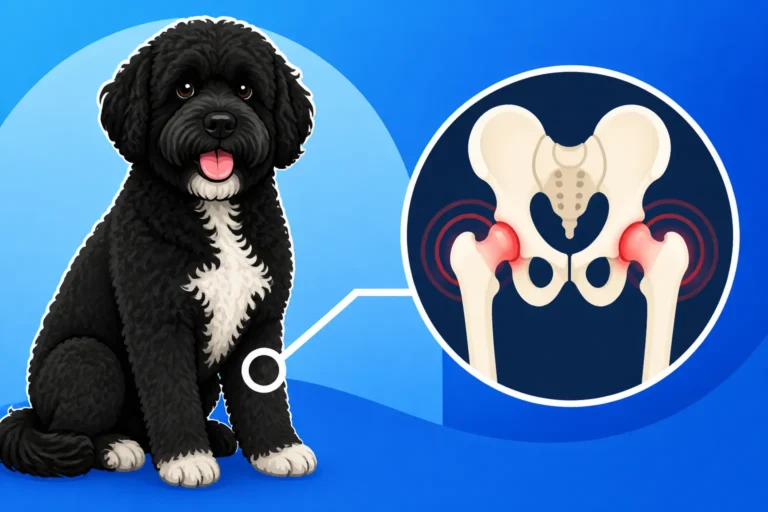
This altered bone development has been linked to an increased incidence of orthopedic issues such as Hip Dysplasia in a Portuguese Water Dog, Elbow Dysplasia in a Portuguese Water Dog, and cranial cruciate ligament (CCL) tears. These are painful, expensive conditions that can significantly impact a PWD's active lifestyle. The consensus among many orthopedic specialists and responsible breeders for medium-to-large breeds like PWDs is now to consider delaying spay/neuter until at least 12-18 months of age, or even later for males, to allow for full skeletal maturity. This is why you often see discussions about When a Portuguese Water Dog Should Be Neutered Late among breed enthusiasts. It's a nuanced discussion, and you should always consult with your veterinarian to make the best decision for your individual dog, weighing the health benefits against other concerns like unwanted litters or certain behavioral tendencies.
Supporting Healthy Growth and Joint Development in Your PWD
Ensuring your Portuguese Water Dog grows into a strong, healthy adult requires a thoughtful approach to their care during their formative months. It's a combination of appropriate activity, proper nutrition, and vigilant monitoring.
Appropriate Exercise for PWD Puppies
For an active breed like the Portuguese Water Dog, managing exercise can feel like a tightrope walk. You want them to burn off energy and build muscle, but not at the expense of their developing skeleton. The key is moderation and low-impact activities. Free play in a secure, grassy yard where they can run, sniff, and chase at their own pace is ideal. Think short, frequent play sessions rather than grueling marathon romps. Introduce them to gentle walks on varied terrain, but avoid long hikes on pavement or forced jogging.
Swimming is a fantastic exercise for PWDs, even as puppies, because it's non-weight bearing. However, even with swimming, ensure it's not overly strenuous or prolonged, especially in very young puppies. Ten to fifteen minutes a few times a week is plenty for a young pup. Always supervise them closely in water. Avoid repetitive jumping, hard stops, and sharp turns. Instead of demanding perfect obedience jumps, focus on training foundational skills like recall and loose-leash walking. Remember, your goal is steady, healthy growth, not pushing for early athletic achievement. As your PWD approaches The Age a Portuguese Water Dog Reaches Full Weight, you can gradually increase the intensity and duration of their activities.
Nutrition for Growing PWDs
Proper nutrition is paramount for healthy growth plate development and overall skeletal integrity. For a Portuguese Water Dog puppy, it's crucial to feed a high-quality, complete and balanced diet formulated specifically for large breed puppies. These formulas are designed to support a slower, more controlled growth rate, which is vital for preventing orthopedic issues. Look for puppy foods with appropriate calcium-to-phosphorus ratios and calorie density. Avoid overfeeding at all costs, as rapid growth spurred by excessive calories puts immense strain on developing bones and joints. Many owners are surprised to learn that being overweight as a puppy is a significant risk factor for conditions like hip and elbow dysplasia later in life.
Consult with your veterinarian to determine the right food and feeding amounts for your individual puppy based on their current weight and projected adult size. They can help you decipher confusing labels and recommend specific brands. For example, brands like Purina Pro Plan Large Breed Puppy or Royal Canin Large Breed Puppy often come recommended. While it's tempting to add supplements, generally, a balanced large breed puppy food provides everything your PWD needs. Excess supplementation, especially of calcium, can actually be harmful. When a Portuguese Water Dog Needs Large Breed Puppy Food is typically from weaning until at least 12-18 months, sometimes longer, depending on the individual and specific food. Making informed choices about diet now can save you a lot of heartache and vet bills down the line, especially concerning future treatments that might be supported by pet insurance providers like Healthy Paws.
Monitoring Your PWD's Development
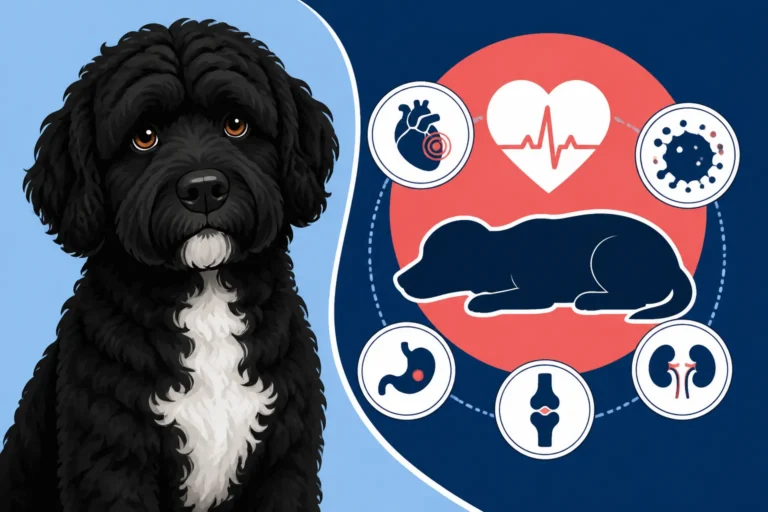
Even with the best intentions, things can sometimes go awry during a puppy's growth. Regular veterinary check-ups are essential for monitoring your Portuguese Water Dog's development. Your vet will assess their gait, palpate their joints, and evaluate their overall body condition. Don't hesitate to bring up any concerns you have, no matter how small they seem. Is your puppy limping after play? Are they reluctant to jump? Do they seem stiff after resting? These could be subtle signs of a problem.
Beyond vet visits, you, as the owner, are your PWD's best advocate. Pay attention to how they move, how they interact, and any changes in their behavior. Learn to gently feel their legs and joints, noting any swelling or tenderness. Observing their activity levels and ensuring they aren't pushing themselves too hard is key. If you notice anything unusual, a quick call to your vet is always a good idea. Catching issues early can make a world of difference in the outcome. Having pet insurance, such as a plan from Healthy Paws, can provide significant peace of mind if any unexpected health issues arise during this critical growth phase, helping you manage the costs of diagnostics and treatment without added financial stress. It’s an investment in their long, healthy life that many PWD owners find invaluable.
Disclaimer
Please remember that this article provides general information and guidance. Every Portuguese Water Dog is unique, and individual needs may vary. Always consult with your veterinarian for personalized advice regarding your dog's specific health, nutrition, and exercise regimen, especially concerning complex topics like growth plate development and surgical timing.