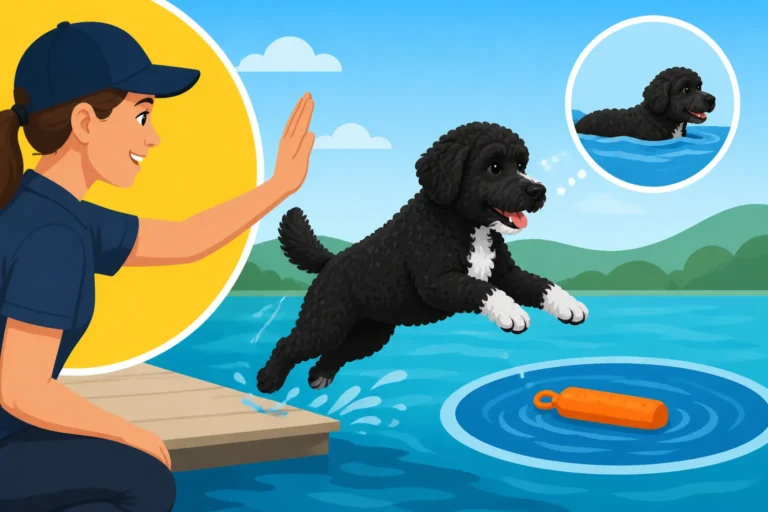
Whether Every Portuguese Water Dog Likes Water
When you first think of a Portuguese Water Dog, images of a majestic, curly-coated companion leaping into the ocean, retrieving fishing nets, or simply splashing gleefully probably dance in your head. After all, their very name and history scream "water dog"! It's completely understandable to assume that every single one of these amazing dogs is a born aquatic enthusiast, ready to dive headfirst into any body of water. But here's the realistic truth: while the vast majority do have an incredibly strong affinity for water, assuming every single PWD will automatically love it can set you up for disappointment and might even miss out on a wonderful bonding opportunity. This guide dives deep into the nuances of the Portuguese Water Dog's relationship with water, exploring their natural instincts, why some might hesitate, and how you can gently encourage a lifelong love for swimming and water activities.
The Deep-Seated Instinct for Water in Portuguese Water Dogs
It's no secret that the Portuguese Water Dog earned its name. For centuries, these dogs were not just pets; they were vital working partners to fishermen along the coast of Portugal. Their connection to water isn't a charming quirk; it's a fundamental aspect of their very being, bred into them over generations. Understanding this history helps us appreciate why most PWDs are so naturally drawn to the water.
A History Forged in the Sea
Portuguese Water Dogs aren't just named for water; their entire purpose was intricately linked to it for centuries. Imagine the rugged coastline of Portugal, small fishing boats braving the waves, and these incredible dogs working tirelessly alongside their human companions. Their job wasn't just to look good on a boat; it was physically demanding, often dangerous work in challenging maritime conditions. These dogs were quite literally the fishermen's right-hand paws.
They were responsible for a variety of critical tasks: herding fish into nets that had escaped the initial catch, retrieving lost tackle or broken nets that had fallen overboard, and even acting as aquatic messengers, carrying notes or items between boats. This wasn't a leisure activity; it was their livelihood, and it required a profound comfort, capability, and unwavering dedication to working in and around the water. So, when we talk about a PWD's "instinct," we're talking about generations of selective breeding for these very traits. This is why you often hear that The Portuguese Water Dog Worked the Algarve Fishing Fleet.
Their physical structure—from their dense, waterproof single coat that offers insulation, to their powerful, rudder-like tail that aids in steering, and especially their distinctive webbed feet—is all perfectly designed for aquatic life. These aren't just accidental features; they are functional adaptations that allowed them to excel in their historical role. It's not just a preference for water; it's practically coded into their genetic makeup, making them supremely well-equipped for swimming and diving.
Natural Abilities and Enthusiasm
Given their rich history, it's hardly surprising that most Portuguese Water Dogs, even as young puppies, show an almost immediate curiosity and comfort around water. It's not uncommon for a young pup to confidently wade into a puddle, splash in a shallow stream, or dip its paws into a kiddie pool with little to no prior encouragement. This is where the breed's reputation for being natural water lovers truly shines, as most do exhibit that joyful, unbridled excitement for splashing and swimming.
They often have an intuitive understanding of how to use their bodies in the water, almost as if they've been swimming their whole lives. You'll observe their powerful hindquarters propelling them forward, their webbed feet acting like efficient paddles, and their tails steering them with remarkable precision and grace. It's a genuine joy to watch a PWD in its element, moving through water with such natural fluidity and power, fully embodying their heritage. You can truly appreciate this inherent talent when you learn How Naturally a Portuguese Water Dog Swims.
This natural aptitude means that for many PWDs, introducing them to water isn't about teaching them how to swim, but rather about providing safe, positive opportunities to indulge an already existing passion. It's about channeling that inherent drive into positive experiences, letting them discover the joy of water in a way that builds confidence and strengthens your bond.
When a Portuguese Water Dog Doesn't Immediately Take to Water
While the breed's general affinity for water is strong, it's crucial to remember that every dog is an individual. Just as people have different personalities and preferences, so do Portuguese Water Dogs. It can be a genuine disappointment, and even a bit confusing, for a new owner expecting an instant water dog only to find their own pup is hesitant or even fearful.
Individual Temperament and Early Experiences
Here's the kicker that many new owners might not anticipate: while the breed as a whole is predisposed to love water, individual dogs are, well, individuals! Just like some kids love certain foods and others absolutely can't stand them, some PWDs might not immediately cannonball into the nearest lake. It’s a common source of frustration for new owners who've been told "they're water dogs!" to find their own pup is cautious or outright avoids getting wet.
A significant factor in a dog's relationship with water often comes down to their early experiences. If a puppy had a negative, frightening, or even traumatic encounter with water—perhaps they fell into a pool unexpectedly, were overwhelmed by a large wave, or were forced into water before they were ready—that can create a lasting aversion. Even something as seemingly minor as a cold, uncomfortable bath, or a scary noise near a body of water, can imprint a negative association in a young, impressionable mind. Remember, puppies are like little sponges, absorbing every sensation and linking it to an emotion. This is why understanding The Age a Portuguese Water Dog Can Start Swimming and approaching it correctly is so important for building a positive foundation.
Furthermore, some PWDs are simply more sensitive, cautious, or introverted by nature than their more boisterous counterparts. These individuals might need more time, a slower pace, gentler introductions, and far more patience than their naturally outgoing, water-loving littermates. Their hesitation isn't a flaw in their breeding; it's just part of their unique personality. Trying to rush or coerce them will almost always backfire, creating deeper fear rather than fostering joy.
Environmental Factors and Misunderstandings
Sometimes, a Portuguese Water Dog's reluctance isn't about an inherent dislike, but rather a reaction to the specific environment or how they're introduced. A roaring ocean with powerful, crashing waves might be overwhelming and genuinely frightening for a first-timer, even for a breed designed for water. Similarly, a murky pond with unknown creatures lurking beneath the surface, or a rapidly flowing river, could also be intimidating and evoke caution. What we perceive as a fun and inviting swim spot might feel like a danger zone to a cautious dog.
Another common issue arises from how owners introduce their PWDs to water. Simply throwing a dog into the deep end, no matter how "water-bred" they are, is a recipe for disaster and can cause significant psychological trauma. It can induce panic, erode trust, and create a lasting fear of water that is very difficult to overcome. Instead of being a joyous, natural experience, it becomes a terrifying one. Even with all their natural swimming ability, respecting the dog's comfort level and never forcing them is absolutely paramount for their well-being and future enjoyment.
Beyond behavioral factors, there can also be underlying health considerations. An undiagnosed ear infection, joint pain, muscle strain, or even a dental issue might make water activities uncomfortable or painful, leading a dog to avoid them. If your PWD, especially one who previously enjoyed water, suddenly shows an aversion, it's always wise to rule out any physical discomfort with a veterinary check-up before assuming it's simply a behavioral issue.
Encouraging a Positive Relationship with Water
If your Portuguese Water Dog isn't immediately a water fanatic, don't throw in the towel! Many hesitant PWDs can learn to love water with the right approach. The key is to be patient, positive, and understand that you're building trust and positive associations, not just forcing a behavior.
Gentle Introductions and Positive Reinforcement
If your Portuguese Water Dog isn't immediately eager to plunge into the water, don't despair! The most effective approach is always a positive, gradual, and no-pressure introduction. Start incredibly small and keep it fun. Think about a shallow kiddie pool in your backyard, filled with just a few inches of warm water, or even just letting them explore a dripping hose on a warm day. The goal at this stage is purely to make any interaction with water feel safe, fun, and utterly non-threatening.
Use high-value treats and their absolute favorite floating toys to gently lure them towards and eventually into the water. Toss a buoyant toy just beyond their comfortable depth, encouraging them to stretch a paw, take a tentative step, or wade a little deeper on their own terms. Every small step, every curious sniff, every little splash, should be met with enthusiastic praise, happy tones, and generous rewards. This positive association builds confidence and excitement, teaching them that water equals good things. For more specific guidance, consider looking into articles like Teaching a Portuguese Water Dog Puppy to Enter Water.
Crucially, never, ever force them into the water. Forcing a hesitant dog will only create fear, break trust, and likely undo any progress you've made. It can turn a mild hesitation into a full-blown phobia. Patience is your most powerful tool in this process. Some dogs will take days to warm up, others weeks, and a few might take months or even years to truly embrace water. It's a journey of discovery and trust, not a race. You might even find supplementary resources on online training platforms like BAXTER & Bella, which often provide positive reinforcement techniques applicable to building confidence in new environments and with new experiences.
Leading by Example and Peer Pressure
Dogs are incredibly observant creatures, and they often learn a great deal by watching us and other dogs. If you wade into the water yourself, showing how much fun you're having—splashing, playing with a toy, or simply enjoying the coolness—your PWD might be much more inclined to join you. Act excited, throw a toy for yourself to retrieve, and emit joyful sounds. Your enthusiasm can be incredibly contagious, signaling to your dog that the water is a safe, exciting, and joyful place to be. They see you, their trusted leader, having a great time, and that makes them feel brave enough to try it too.
If you have a friend with a confident, well-adjusted, and water-loving dog, a supervised playdate at a shallow, calm body of water can work wonders. Seeing another dog happily splashing, paddling, and playing in the water can be a huge motivator for a hesitant PWD. This kind of positive peer pressure, in a controlled and comfortable setting, can spark their innate curiosity and encourage them to try. Just ensure the other dog isn't overly boisterous or pushy, which could overwhelm and frighten your hesitant PWD. The goal is gentle encouragement, not intimidation.
Consider making water introductions a family affair. If children are involved, ensure they understand the importance of being gentle, quiet, and encouraging, rather than loud, sudden, or pushy. Everyone in the household needs to be on the same page, creating a calm, supportive, and fun environment. A consistent and positive family environment can make all the difference in helping a PWD overcome any initial reservations and build a lasting, happy relationship with water.
Creating a Safe and Enjoyable Water Experience
Once your Portuguese Water Dog starts showing interest, or if they're already a seasoned swimmer, it's critical to ensure their water experiences are always safe and beneficial. Proper planning, appropriate environments, and the right gear are essential for preventing accidents and maintaining their love for water.
Choosing the Right Water Environment
Not all water is created equal when it comes to dog-friendly activities, and selecting the right spot is crucial for both safety and enjoyment. For initial introductions, and even for regular swims, look for calm, shallow, and clear water with a gradual entry point. A quiet, gently sloping pond, a section of a lake with minimal boat traffic, or a beach with a slow incline are often ideal. Even a large, sturdy kiddie pool can serve as an excellent starting point. Avoid bodies of water with strong currents, sudden deep drop-offs, or areas known for sharp rocks, debris, or heavy recreational boat traffic, especially when your PWD is still gaining confidence or exploring new locations.
Pay close attention to water temperature. While Portuguese Water Dogs are built with a coat that helps them handle How Long a Portuguese Water Dog Can Stay in Cold Water, prolonged exposure to very cold water can still be a shock, particularly for a hesitant dog or in extreme conditions. Warm, sunny days are always best for early water adventures, ensuring a pleasant experience. Conversely, in the height of summer, be mindful of air temperature and potential overheating, which can occur even when a dog is in the water if the ambient temperature is too high. Always provide shade and fresh drinking water.
After any swim, particularly in salt water or chlorinated pools, a thorough freshwater rinse is absolutely essential to protect their unique coat and underlying skin. Whether Salt Water Hurts a Portuguese Water Dog's Coat is a real concern, as the salt and chemicals can dry out their skin, cause irritation, and lead to mats if not properly rinsed and dried. A good freshwater rinse, followed by a thorough drying, will keep their skin healthy, prevent matting, and ensure their coat remains in prime condition.
Essential Water Safety Gear and Practices
Even the most powerful and experienced swimmers can benefit immensely from appropriate safety gear, especially during initial training sessions, when exploring unfamiliar waters, or when participating in more strenuous water sports. A good quality, well-fitting dog life jacket provides crucial buoyancy, making swimming less tiring and significantly reducing the risk of accidental drowning. Many life jackets also feature a sturdy handle on the back, which is incredibly useful for assisting your dog if they get tired, need help getting back into a boat, or need a quick lift out of the water. You can find a wide range of reliable and well-designed dog life jackets on platforms like Amazon. For more on this, check out When a Portuguese Water Dog Needs a Life Jacket.
Regardless of their swimming prowess, always supervise your Portuguese Water Dog vigilantly when they are in and around any body of water. Accidents can happen quickly and unexpectedly. Be aware of potential submerged hazards like rocks, branches, or discarded fishing lines, and be on the lookout for other water users, both human and animal. Remember, while they are excellent swimmers, they still need access to fresh drinking water to prevent them from ingesting too much lake, river, or ocean water, which can lead to gastrointestinal upset or more serious issues.
Finally, post-swim care is not just about their coat; it's especially vital for their ears. Portuguese Water Dogs, with their floppy ears that hang close to their heads, are particularly prone to ear infections due to moisture getting trapped in the ear canal. Regularly check and gently clean their ears after every swim to prevent the buildup of water, dirt, and bacteria. This diligent preventive care can save you from costly vet visits and considerable discomfort for your beloved companion. Understanding Why a Swimming Dog Gets Ear Infections can help you implement the best ear care routine.
Beyond Just "Liking" Water: The Water-Loving Portuguese Water Dog
For many Portuguese Water Dog owners, the journey doesn't stop at merely "liking" water. This breed truly thrives when their natural instincts are engaged through purposeful water activities. Embracing advanced water sports and maintaining consistent engagement can lead to a deeper bond and a truly fulfilled PWD.
Embracing Advanced Water Activities
Once your Portuguese Water Dog has truly embraced their aquatic heritage and shows genuine joy and confidence in the water, a whole world of exciting and fulfilling activities opens up for them and for you! This breed excels in various water-based pursuits that go far beyond a simple recreational dip. Consider exploring competitive dog sports like dock diving, where dogs launch themselves off a platform to retrieve a toy, aiming for distance or height. Or delve into formal water trials, which are designed to mimic their historical working tasks, such as retrieving items from the water or swimming with specific commands.
These advanced activities not only provide incredible physical exercise, which is essential for such an active breed, but they also stimulate their incredibly sharp minds. Portuguese Water Dogs are intelligent and thrive on having a "job to do." Sports like What Dock Diving Asks of a Portuguese Water Dog and What a Water Trial Asks of a Portuguese Water Dog are both physically and mentally demanding, but they are incredibly rewarding for a PWD, tapping directly into their natural instincts for retrieving, swimming, and problem-solving in a water environment. They find immense satisfaction in these challenges.
For those who enjoy other water recreation, a well-trained and water-confident Portuguese Water Dog can be an amazing companion. They can learn to ride safely in boats, kayaks, or on paddleboards, happily jumping in for retrieves when given the cue, and even swimming alongside you for extended periods. It’s a fantastic way to deepen your bond, share your passions, and provide them with the robust mental and physical outlets they crave, ensuring they are truly happy and well-adjusted.
The Importance of Ongoing Engagement
Just because a Portuguese Water Dog naturally loves water doesn't mean you can slack on providing consistent opportunities for water activities. This isn't a breed that's content with just a leisurely walk around the block; they need purposeful activity that engages both their body and their mind. Water work is an incredible, holistic way to fulfill their high exercise requirements and keep them mentally sharp and emotionally balanced. You'll find that Whether Swimming Replaces Walking for a Portuguese Water Dog is a common question among owners, and while swimming is a fantastic workout, a balanced routine that includes land-based exercise and mental stimulation is generally best for their overall well-being.
Regular exposure to water, whether it's through weekly swims at a local dog-friendly spot, structured training sessions for a water sport, or even just fun playtime with a sprinkler or hose in the backyard, reinforces their positive associations and keeps their aquatic skills sharp. It’s a wonderful way to maintain their physical conditioning, prevent boredom-driven behaviors that can arise from insufficient activity, and ensure they continue to enjoy and look forward to their water adventures.
Ultimately, while a Portuguese Water Dog is certainly bred with a profound predisposition to love water, nurturing and developing that love is a continuous partnership between dog and owner. It requires understanding their history, respecting their individual personality and comfort levels, prioritizing their safety, and providing consistent, positive experiences throughout their lives. When approached with patience, knowledge, and dedication, you'll be rewarded with a joyful, confident, and deeply water-loving companion who truly embodies the incredible spirit and heritage of their amazing breed.
| Trait / Behavior | Water-Loving Portuguese Water Dog | Hesitant Portuguese Water Dog | Tips for Owners |
|---|---|---|---|
| Initial Reaction | Eagerly approaches, jumps in, splashes immediately. | Shows caution, barks at water, avoids getting wet, may shiver. | Introduce water gradually; never force. Keep initial sessions short and fun. |
| Comfort Level | Confident, uses webbed feet and tail effectively, enjoys swimming. | Stays shallow, paddles awkwardly, seems stressed or anxious. | Start in very shallow, calm water. Use a fitted dog life jacket for buoyancy and confidence. |
| Retrieval | Enthusiastically fetches toys from deep water, brings them back readily. | May only retrieve from the very edge or ignore floating toys altogether. | Lure with high-value floating toys; reward any positive interaction with water. |
| Body Language | Loose, relaxed body, wagging tail, happy panting, ears forward. | Stiff posture, tucked tail, ears back, excessive licking lips, shaking off. | Keep sessions calm and positive. End on a good note before they show signs of stress. |
| Motivation | Play, retrieving, chasing, interaction with owner, fun. | Treats, gentle encouragement, observing confident dogs, positive sounds. | Use irresistible, waterproof treats. Consider a calm, water-loving dog as a role model. |
| Post-Swim | Happy, tired, ready to dry off and relax. | Anxious, might shake excessively, tries to hide from towels or dryer. | Make drying a positive experience with treats. Ensure ears are thoroughly dried. |
Disclaimer
This article is for general informational purposes only and does not constitute professional advice. Laws, prices and regulations vary by location and change over time. Consult a qualified professional for guidance on your specific situation.