Whether Pool Chlorine Hurts a Portuguese Water Dog
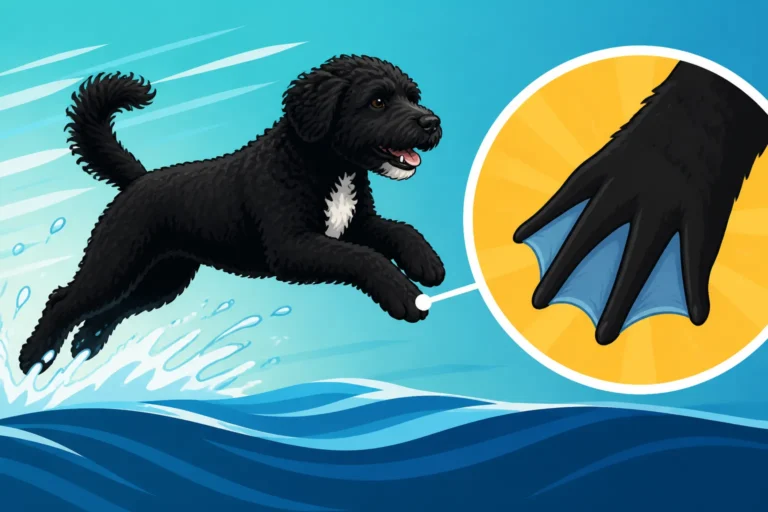
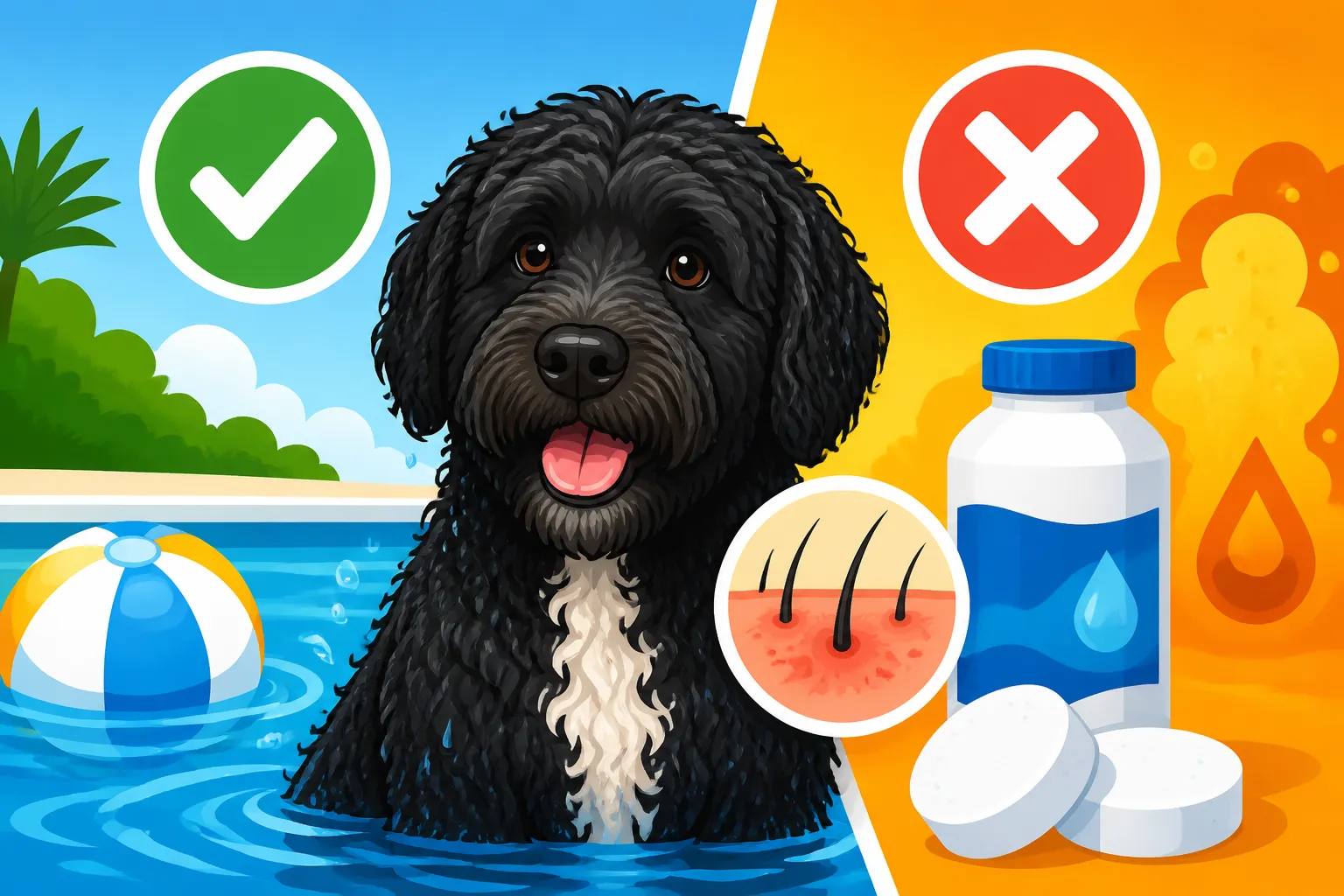
It’s a joy to watch your Portuguese Water Dog leap into the pool, isn't it? Their sheer exuberance for water is captivating. But if you’re a proud PWD parent with a backyard pool, a common worry often bubbles to the surface: Is all that chlorine exposure actually hurting my furry swimmer? You're not alone in wondering about the long-term effects of pool chemicals on that beautiful, dense coat and sensitive skin. This guide aims to clear up those concerns and provide practical steps to ensure your Portuguese Water Dog can enjoy the water safely.
Understanding Chlorine's Effects on Your PWD's Skin and Coat
Portuguese Water Dogs are renowned for their incredible, water-ready coats, whether curly or wavy. This unique coat is designed to protect them in cold water and shed very little, but it also means it can absorb and hold onto things like pool water and its chemicals. The idea that chlorine might strip their natural oils or cause irritation is a very real concern for many owners.
How Chlorine Interacts with the Portuguese Water Dog Coat
Think about how your own hair feels after a swim in a chlorinated pool – often dry, maybe a bit stiff, and sometimes with a lingering chemical scent. The same principles, and sometimes even more pronounced effects, apply to your PWD's coat. Chlorine is a strong oxidizing agent, and its job is to kill bacteria and algae. While excellent for keeping pool water clean, it's not designed to be gentle on organic materials like hair and skin. When your PWD dives in, their coat, which is wonderfully efficient at retaining water, also soaks up the chlorinated solution.
Over time, or with frequent exposure, this can lead to several issues. The chlorine can strip away the natural protective oils that keep your PWD's skin healthy and their coat lustrous. This oil-stripping action can leave the coat feeling dry, brittle, and more prone to tangles and matting. It can also exacerbate any existing skin sensitivities or create new ones. Imagine having constantly dry, itchy skin – that's what we want to avoid for our adventurous PWDs. You might find yourself asking Whether a Portuguese Water Dog's Coat Holds Water and indeed it does, which means more chlorine contact.
Potential Skin Irritation and Dryness
Beyond just drying out the coat, chlorine can directly irritate your PWD's skin. Some dogs are simply more sensitive than others, just like people. You might notice a subtle redness on their belly, under their legs, or in areas where the skin is thinner. Persistent scratching, licking, or chewing at their paws could also be a sign of irritation. This isn't just about discomfort; prolonged skin irritation can break down the skin's natural barrier, making your dog more susceptible to secondary bacterial or yeast infections.
The unique structure of a Portuguese Water Dog’s coat, while great for insulation, can also trap moisture against the skin. If chlorinated water isn't thoroughly rinsed out, it can linger, continuing to dry out the skin long after they've left the pool. This is especially true in denser areas of their coat. It’s a bit of a Catch-22: their ideal swimming coat can also be a magnet for chlorine issues if not properly managed. It's a valid worry for owners because nobody wants to see their energetic dog suffering from itchy, uncomfortable skin.
Chlorine's Impact on Your PWD's Eyes, Ears, and Nose
While the coat and skin are often the first things owners worry about, the more sensitive areas of your Portuguese Water Dog's body – their eyes, ears, and nose – are also susceptible to the effects of chlorinated water. These areas are typically less protected by the thick coat and can show signs of irritation more quickly.
Eye Irritation and Redness
Just like our eyes can sting and turn red after a long swim in a chlorinated pool, your PWD's eyes are equally vulnerable. The delicate membranes of their eyes are easily irritated by the chemicals. You might notice your dog squinting, blinking excessively, or pawing at their face after swimming. Their eyes might appear red, watery, or even have a discharge. While usually not serious, chronic irritation can be uncomfortable and, in rare cases, could lead to more persistent issues if not addressed.
Think about how much your PWD enjoys retrieving toys from the bottom of the pool – that means their head, and therefore their eyes, are submerged repeatedly. This increases their exposure significantly. It's not just about a quick dip; it's about the cumulative effect of those joyful splashes and underwater dives. Regular rinsing after every swim is critical, just as you'd rinse your own eyes with fresh water.
Ear Infections and Moisture Trapping
This is arguably one of the biggest concerns for any water-loving dog, and especially for a Portuguese Water Dog. Their floppy ears, combined with their dense ear hair, create a perfect environment for moisture to get trapped. Add chlorine to the mix, and you've got a recipe for potential trouble. Chlorine can dry out the protective wax in the ear canal, leaving it vulnerable, and the trapped moisture then becomes a breeding ground for bacteria and yeast. This is why Whether a Portuguese Water Dog Gets Ear Infections is a common question, and the answer is often "yes," especially if not cared for properly after swimming.
Signs of an ear infection often include head shaking, pawing at the ears, a foul odor coming from the ear, redness, or discharge. These can be incredibly painful for your dog and often require a vet visit, which can be costly and stressful for both of you. Many owners are genuinely frustrated by the recurrence of ear infections, feeling like they're constantly battling them. This makes thorough ear care after every swim non-negotiable. Checking their ears Why a Portuguese Water Dog's Ears Need Checking Every Week is essential.
Nasal and Respiratory Irritation
While less common, some dogs can experience irritation in their nasal passages or even their respiratory system from chlorine, particularly if they inhale a lot of chlorinated water or are highly sensitive. You might notice sneezing, a runny nose, or a mild cough after an intense swimming session. For most healthy PWDs, this is usually temporary and resolves quickly once they're away from the pool environment. However, if you notice persistent coughing or difficulty breathing, it’s always best to consult your veterinarian immediately, as this could indicate a more serious reaction or underlying condition.
It’s important to remember that these dogs are natural-born swimmers; their bodies are built for it. But our carefully managed pools are a very different environment from the natural waters they were bred to work in. They didn't have to contend with purified water in the fishing villages of Portugal!
Minimizing Chlorine Exposure and Protecting Your PWD
The good news is that you don't have to ban your Portuguese Water Dog from the pool to keep them safe. There are many effective strategies you can employ to minimize chlorine exposure and protect their health, allowing them to enjoy their beloved water activities without unnecessary risks.
Immediate and Thorough Rinsing
This is the golden rule for any PWD who loves to swim in a chlorinated pool. As soon as your dog comes out of the water, and I mean immediately, give them a thorough rinse with fresh, clean water. This isn't just a quick spray; you need to aim to rinse off as much of the chlorinated water from their coat and skin as possible. A hose with decent water pressure, or even a portable shower nozzle, can be incredibly effective. Pay special attention to their undercarriage, paws, and behind their ears, where water tends to collect.
Think of it like showering after a gym workout – you wouldn't just wipe yourself down, you'd want a proper rinse. The same goes for your PWD. The faster you rinse, the less time the chlorine has to dry onto their coat and start its irritating work. I always recommend having a designated rinse station right by the pool, perhaps even a large bucket or tub for smaller PWDs, especially if they are enthusiastic jumpers who need a quick dunk. When a Portuguese Water Dog Should Be Rinsed After a Pool is always right away.
Using pH-Balanced Shampoos and Conditioners
While immediate rinsing is crucial, regular bathing with appropriate products can provide an extra layer of protection, especially for frequently swimming dogs. Look for shampoos specifically formulated to be pH-balanced for dogs, or even those designed for swimmers that help neutralize chlorine residue. These can help restore the natural moisture balance to their skin and coat, preventing the dryness and irritation that chlorine can cause.
Follow up with a good quality conditioner, which can help seal the hair shaft, making it less susceptible to absorbing future chlorine and adding back much-needed moisture. Products like those available on Amazon specifically designed for "swimmer's dog" coats can be a lifesaver. You’ll want something gentle but effective. Remember, your PWD's coat isn't just hair; it's a critical part of their well-being, and it requires specific care. Consider what Which Shampoo Suits a Portuguese Water Dog's Coat best after a swim.
Comprehensive Drying and Ear Care
After rinsing and bathing, thorough drying is equally vital, especially for those prone to skin issues or ear infections. A damp coat, even if rinsed, can still harbor moisture close to the skin, leading to problems. Invest in a good quality, powerful dog dryer (often called a force dryer). These aren't just for professional groomers; they can significantly reduce drying time and ensure your PWD is truly dry down to the skin. If you’re regularly wondering Drying a Portuguese Water Dog After Every Swim, a force dryer is a game changer.
And let's talk about ears again: after every swim, gently clean and dry your PWD's ears. Use a vet-approved ear cleaning solution to flush out any water and debris. Many solutions also have drying agents to help prevent moisture from lingering. Gently wipe the visible parts of the ear with cotton balls, but never insert anything deep into the ear canal. For PWDs with very hairy ear canals, some owners choose to have this hair plucked by a professional groomer or vet, which can help improve air circulation and reduce moisture trapping. Remember to ensure Whether a Portuguese Water Dog's Ears Should Be Dried Inside but always gently and carefully.
Limiting Swim Time and Offering Alternatives
While PWDs adore the water, moderation is key. You don't have to eliminate pool time, but perhaps consider shorter, more frequent dips rather than hour-long swimming marathons every single day. On days when they're not in the pool, focus on other engaging activities that don't involve chlorine, like long walks, fetch in the park, or even mental stimulation games.
If you have access to natural, clean fresh water like a lake or ocean that's safe and free of harmful algae or strong currents, those can be fantastic alternatives to the chlorinated pool. Your PWD will love the change of scenery and the natural environment. Also, consider enrolling in a good dog training program, like BAXTER & Bella, which can provide you with plenty of land-based activities and mental enrichment exercises to keep your energetic PWD happy and fulfilled, offering a balance to their water adventures. It's about providing variety and ensuring their physical and mental needs are met in multiple ways.
Recognizing and Treating Chlorine-Related Issues
Even with the best preventative measures, sometimes issues can still arise, especially if your PWD is particularly sensitive or if their love for the pool is boundless. Knowing how to spot the signs of chlorine irritation and what steps to take is crucial for their well-being.
Common Signs of Irritation
Being observant is your best tool. After a swim, make it a habit to do a quick check of your PWD.
- Skin: Look for redness, particularly on the belly, armpits, groin, or between the paw pads. Excessive scratching, licking, or chewing, especially after a swim, can indicate dryness or irritation. You might feel their skin is unusually dry or flaky.
- Coat: The coat might feel dry, brittle, or have a "straw-like" texture. It could appear duller than usual, and you might notice increased tangles or mats, even with regular brushing.
- Eyes: Redness in the whites of their eyes, excessive tearing, squinting, or pawing at their face are clear indicators of eye irritation.
- Ears: Head shaking, scratching at the ears, redness or swelling inside the ear flap, a foul odor, or any discharge are all signs of potential ear trouble, possibly an infection.
- Nose/Mouth: Persistent sneezing, a runny nose, or a dry, cracked nose can sometimes be linked to chlorine exposure. Some dogs might also lick their lips excessively.
It’s important to distinguish these from other potential causes. For instance, if your dog is scratching intensely all over, it could be allergies, not just chlorine. However, if the symptoms appear or worsen shortly after pool time, chlorine is a likely culprit.
Home Remedies and Professional Care
For mild irritation, often a thorough rinse and a soothing, dog-specific shampoo and conditioner can do wonders. For itchy skin, an oatmeal bath can provide relief, and there are many excellent topical sprays or balms on Amazon designed for irritated dog skin. Always ensure these products are safe for canine use.
However, if symptoms persist, worsen, or become severe, it’s time to call your veterinarian.
- Persistent Skin Issues: If scratching continues, redness spreads, or you notice hot spots or skin lesions, a vet can diagnose any secondary infections (bacterial or yeast) and prescribe appropriate medication, such as antibiotics or anti-fungals.
- Ear Infections: Ear infections are painful and require professional treatment. Your vet will clean the ear thoroughly, identify the type of infection, and prescribe ear drops or oral medication. Untreated ear infections can lead to chronic problems and even hearing loss. What a Portuguese Water Dog's Ear Infection Costs to Treat is significant, so prevention is always better.
- Eye Problems: If eye redness and discharge continue, or if your dog is in obvious pain, a vet check is essential. They can rule out scratches or more serious eye conditions and provide medicated eye drops.
Always remember that your veterinarian is your best resource for any health concerns. Don't hesitate to seek their advice if you're unsure or if your PWD isn't improving. Their health and happiness are paramount, and proactive care helps ensure they can continue to live their best, water-loving life.
A Quick Reference Guide for Pool Safety
To make it easy, here's a summary of the key actions to take when your Portuguese Water Dog is enjoying the pool:
| Action | Why It's Important | Frequency |
|---|---|---|
| Immediate Rinse | Removes chlorine before it dries and irritates skin/coat. | After every pool session |
| Thorough Drying | Prevents moisture trapping, especially in ears and dense coat. | After every rinse/bath |
| Ear Cleaning | Flushes out water and debris, prevents infections. | After every pool session |
| pH-Balanced Shampoo | Restores skin/coat moisture balance, removes residual chlorine. | As needed, typically after several swims |
| Coat Conditioning | Seals hair shaft, adds moisture, reduces matting. | With shampoo, or as a leave-in as needed |
| Eye Check | Monitors for redness, discharge, or discomfort. | After every pool session |
| Skin Inspection | Checks for redness, dryness, or irritation. | Regularly, especially after swimming |
| Limit Swim Time | Reduces overall chlorine exposure. | Adjust based on dog's sensitivity |
| Fresh Water Access | Encourages drinking non-chlorinated water. | Always available by the pool |
This table provides a quick visual reminder of the consistent effort needed to keep your PWD healthy and happy around chlorinated pools. It's an investment in their long-term well-being and ensures their famous love for water can be indulged safely.
Disclaimer
This article is for general informational purposes only and does not constitute professional advice. Laws, prices and regulations vary by location and change over time. Consult a qualified professional for guidance on your specific situation.