Whether a Portuguese Water Dog’s Ears Should Be Dried Inside
If you’re a Portuguese Water Dog owner, you know the struggle: your dog absolutely lives for water, but their adorable, floppy ears seem to be a magnet for moisture and, consequently, ear infections. It's a common frustration, and many of us wonder just how far we should go in drying those perpetually damp ear canals. This guide is going to walk you through the nuances of ear care for your water-loving companion, focusing specifically on the critical question of drying inside their ears.
The Portuguese Water Dog's Unique Ears and Their Vulnerabilities
Our beloved Portuguese Water Dogs are built for the water, from their webbed feet to their remarkable, water-resistant coats. But sometimes, these very traits that make them such excellent swimmers and companions can lead to specific challenges, especially when it comes to ear health. It’s not just about a quick dip; it's about prolonged exposure and the anatomy designed to keep water out that can sometimes trap it in.
The Anatomy That Invites Trouble
Think about your PWD’s ears. They're not like the upright ears of some other breeds; they're pendulous, meaning they hang down, effectively covering the entrance to the ear canal. This design, while perhaps offering some protection from splashing water on the surface, also creates a warm, dark, and often humid environment underneath – a perfect breeding ground for all sorts of unwelcome guests.
Beyond the floppy nature, our PWDs also boast a thick, curly, or wavy coat that often extends right into the ear flap and even inside the ear canal itself. This inner ear hair can be a real culprit. It acts like a sponge, soaking up water and holding onto it deep within the canal long after your dog has finished their swim. It can also trap wax, dirt, and debris, preventing natural drainage and airflow. Combine this with their innate love for swimming, dock diving, or simply playing in the backyard sprinkler, and you have a recipe for perpetual dampness. Why a Portuguese Water Dog's Ear Canal Traps Water is something many owners grapple with when thinking about regular care.
Why Moisture Is the Enemy in PWD Ears
The combination of trapped moisture, warmth, darkness, and limited airflow creates an idyllic microclimate for microorganisms like yeast and bacteria to flourish. These are the primary culprits behind those painful, itchy, and often smelly ear infections, medically known as otitis externa. When the delicate skin lining the ear canal becomes inflamed and irritated, it sets off a cascade of discomfort for your dog.
Left unchecked, a moist ear canal can quickly transition from merely damp to a full-blown infection. Yeast infections often present with a distinct, sweet-sour smell and dark, waxy discharge, while bacterial infections can have a more pungent odor and a yellow or greenish pus-like discharge. Recurrent ear infections aren't just a nuisance; they can lead to chronic issues, such as thickening of the ear canal walls, scarring, and even narrowing of the canal, making future infections even harder to treat. In severe, long-standing cases, it can even affect your dog's hearing. It's a frustrating cycle that can significantly impact your PWD's quality of life. How Often a Portuguese Water Dog Gets an Ear Infection really highlights the commonality of this issue.
The Critical Question: Drying Inside the Ear
This is where a lot of confusion lies, and understandably so. We want to help our dogs, to get rid of that pesky moisture, but there's a fine line between helping and accidentally causing more harm. When we talk about drying the "inside" of the ear, it's important to clarify what kind of drying we mean and how deep we're talking about.
What You Can Safely Dry
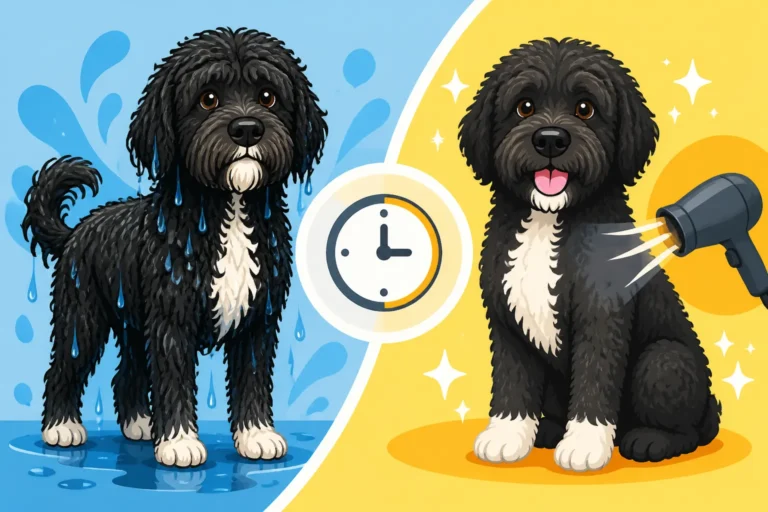
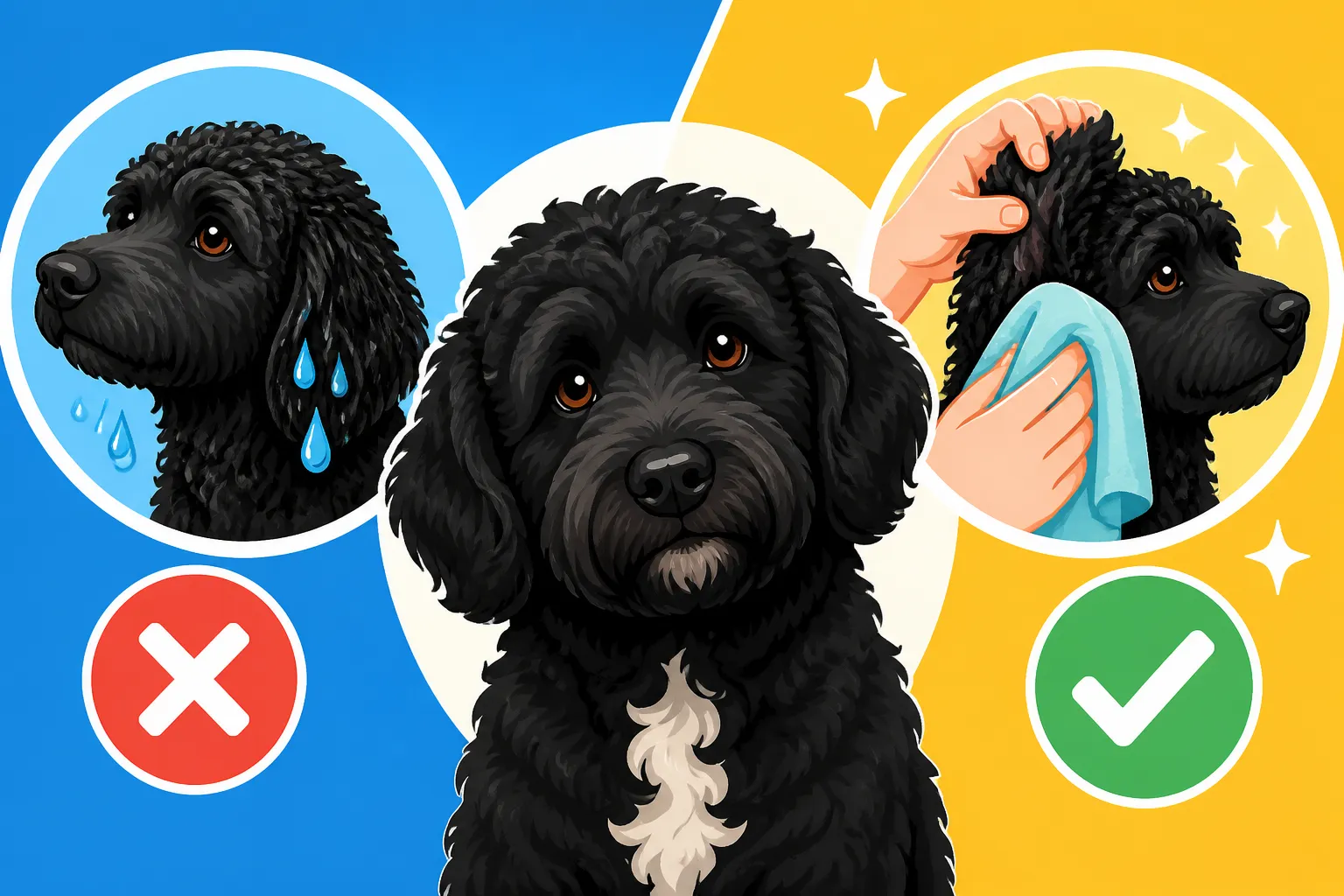
Let's start with the good news: there's plenty you can do safely! After every water adventure, or even just a particularly humid day, gently drying the outer ear flap is crucial. Use a soft, absorbent towel – a microfiber one works wonders – and simply pat down the visible surfaces of the ear. Pay special attention to the underside of the flap, where it meets the side of your dog's head, as this area can hold a surprising amount of moisture.
Moving slightly inward, you can use a clean cotton ball or a piece of soft gauze to gently wipe the visible parts of the ear canal opening. Think of it like wiping the entrance to a cave. You're just getting the surface moisture and any easily accessible debris. The key here is gentle. You're not pushing, digging, or forcing anything. If your PWD is especially tolerant, you might even use a low-setting, cool-air force dryer (held at a safe distance!) to blow air around the outer ear and the very entrance to the canal. This can help evaporate surface moisture, but again, caution is key. Ensure your dog tolerates it well and you're not causing any discomfort or overheating. Whether a Portuguese Water Dog Tolerates a Dryer is an important consideration here.
What You Should Never Manually Dry Deep Inside
Now, for the critical part: never attempt to manually dry deep inside your Portuguese Water Dog's ear canal with cotton swabs, your fingers, or any other household tool. This is a common, well-intentioned mistake that can have serious consequences. The canine ear canal isn't a straight tube like ours; it's a distinct L-shape. There's a vertical canal that goes down, and then it takes a sharp turn into a horizontal canal leading to the eardrum.
When you use a cotton swab, often referred to as a "Q-tip," you're almost certainly pushing any moisture, wax, or debris deeper into that L-shaped canal, compacting it against the eardrum. This not only makes it harder for the ear to clean itself naturally but also creates a plug that can trap even more moisture and bacteria. Even worse, if your dog suddenly shakes their head, or if you're not perfectly still, you risk perforating the eardrum, which is incredibly painful and can lead to permanent hearing damage or more severe inner ear infections. Introducing any foreign object can also irritate the delicate lining of the ear canal, causing micro-abrasions that are perfect entry points for bacteria. It truly is a situation where attempting to help can inadvertently cause significant harm.
The Right Way to Promote Dryness and Health
Since we've established that manually drying deep inside is a no-go, what is the right approach to ensure your PWD's ears stay healthy and dry, especially after their favorite water activities? The answer lies in using specially formulated canine ear cleaning solutions designed to do the work safely and effectively.
Utilizing Canine Ear Cleaning Solutions
These aren't just fancy drops; they're scientifically designed products that play a crucial role in maintaining ear hygiene for dogs prone to moisture-related issues. You'll find a variety of formulations, often containing ingredients like witch hazel or isopropyl alcohol (for their drying properties), salicylic acid or benzoic acid (as astringents and antimicrobials), and sometimes even gentle antiseptics or antifungals. The best solutions are pH-balanced, specifically made for a dog's ear environment, which differs from ours.
How do they work? When properly applied, these solutions flush out debris, dirt, and excess wax from the ear canal. The drying agents then help to evaporate any lingering moisture, creating a less hospitable environment for yeast and bacteria. Think of it as giving the ear a self-cleaning, drying rinse. They're designed to reach into those nooks and crannies of the L-shaped canal without you having to insert anything harmful. Brands available at places like Chewy or Amazon offer a wide range of reputable ear cleaning solutions, often with specific formulations for sensitive ears or those prone to infection. Whether an Ear Drying Solution Helps a Portuguese Water Dog is a definite yes, if used correctly.
Step-by-Step Application for Success
Using an ear cleaning solution effectively is a skill worth mastering. It's not complicated, but precision and patience make all the difference.
- Gather Your Supplies: You'll need your chosen ear cleaning solution, some cotton balls or gauze pads, and a generous supply of high-value treats to make this a positive experience for your PWD.
- Warm the Solution (Optional but Recommended): If the bottle allows, warm the solution slightly by placing the bottle in a bowl of warm water for a few minutes. Cold solution can be a shock to sensitive ears and make your dog less cooperative.
- Position Your Dog: Have your dog sit or lie down comfortably. Lifting the ear flap, hold it up and back, exposing the ear canal opening.
- Fill the Canal: Carefully insert the tip of the solution bottle just into the ear canal opening (don't push it deep!). Squeeze the bottle to fill the ear canal completely. You want to see the solution pool up at the opening. Don't be shy; you need enough liquid to really flush things out.
- Massage the Base: Gently massage the base of your dog's ear for about 30 to 60 seconds. You should hear a delightful "squishing" sound as the solution moves around inside the canal, breaking up wax and debris. This part is crucial for the solution to do its job.
- Allow the Shake: Let go of your dog's ear and step back. Your PWD will instinctively want to shake their head vigorously – and you want them to! This head shaking is incredibly important as it helps to dislodge and expel all that loosened gunk and excess solution from the deeper parts of the canal.
- Wipe the Visible Areas: Once the shaking subsides, use a clean cotton ball or gauze pad to gently wipe away any visible solution, wax, and debris from the outer ear flap and the very entrance of the ear canal. Again, only wipe what you can see. Do not insert the cotton ball deeply into the canal.
- Praise and Reward: Lavishly praise your Portuguese Water Dog and give them those high-value treats. Make it a positive association, so future ear cleanings are less of a battle.
This process should be repeated for the other ear. The frequency depends on your dog's activity level and individual susceptibility to ear issues. For a swimming PWD, a quick rinse with an ear drying solution after every swim might be beneficial, followed by a deeper cleaning once a week or every other week. What to Clean a Portuguese Water Dog's Ears With is about finding the right solutions for your individual dog's needs.
The Role of Ear Hair Management
This is another aspect of PWD ear care that often sparks debate among owners, groomers, and even veterinarians: should you pluck the hair from inside your dog's ear canal?
On one side, the argument for plucking is that removing this hair improves airflow, reduces the amount of material available to trap moisture, and helps prevent wax and debris from accumulating. For some PWDs with extremely dense hair growth deep within the canal, this can indeed make a noticeable difference in reducing chronic infections. A professional groomer or veterinarian would typically use a special powder to grip the hair and tweezers or hemostats to gently pull small tufts of hair out.
However, the counter-argument, and one that many professionals now lean towards, is that plucking can actually cause micro-trauma and inflammation to the hair follicles and the delicate skin lining the ear canal. This irritation can then become an entry point for bacteria and yeast, potentially leading to an infection rather than preventing one. For some dogs, the act of plucking itself is quite painful and stressful.
A compromise that many owners find effective is to focus on trimming the hair at the very entrance of the ear canal, rather than plucking deep inside. This helps improve airflow to the outer ear without irritating the inner canal. The best approach truly varies from dog to dog. Some PWDs may benefit from plucking if done carefully by a professional, while others might do better with trimming or simply regular cleaning without any hair removal. It's always best to consult with your veterinarian or a professional groomer experienced with Portuguese Water Dogs to decide the best strategy for your individual dog's ear hair. They can assess the density of the hair and the sensitivity of your dog's ears. Whether a Portuguese Water Dog's Ear Hair Should Be Removed is a decision best made with professional guidance.
Long-Term Strategies for Pristine PWD Ears
Beyond the immediate post-swim routine, maintaining your Portuguese Water Dog's ear health is an ongoing commitment. It's about establishing habits, recognizing early warning signs, and understanding how overall health contributes to ear resilience.
Consistent Routine and Vigilance
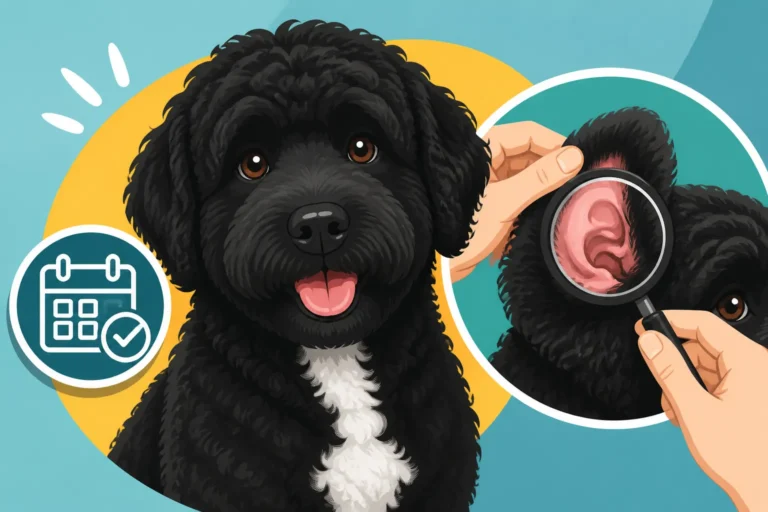
Regularity is your best friend when it comes to preventing ear issues. Make it a habit to check your PWD's ears frequently – ideally a quick visual and sniff test daily, especially after swimming. Look for redness, swelling, or any unusual discharge. Give them a gentle sniff; a healthy ear should have a very faint, almost neutral smell. Any foul, yeasty, or overtly unpleasant odor is usually the first sign of trouble.
Establish a consistent ear cleaning schedule that fits your dog's lifestyle. For a PWD who swims several times a week, a post-swim drying solution combined with a more thorough cleaning every week or two might be ideal. For a less aquatic PWD, perhaps once a month is sufficient. The key is to be proactive, not reactive. You don't want to wait until an infection sets in to start your ear care routine. The more comfortable your dog becomes with the routine, the easier it will be to spot subtle changes and intervene early. This proactive approach is a cornerstone of What Care a Portuguese Water Dog Needs Its Whole Life.
Recognizing the Signs of Trouble
Even with the best preventative care, ear infections can still crop up. Knowing the early signs is crucial for prompt treatment, which can prevent minor irritation from escalating into a serious, painful condition. Look out for:
- Excessive Head Shaking: This is often the first and most obvious sign. Your dog might be trying to dislodge an itch or discomfort.
- Persistent Ear Scratching: Pawing at the ears or rubbing them against furniture or the ground.
- Redness or Swelling: A quick glance at the outer ear flap and the visible part of the canal might reveal irritation.
- Discharge: This can vary. It might be dark and waxy (often yeast), yellowish or greenish and pus-like (bacterial), or have a gritty texture.
- Foul Odor: A strong, sweet, or pungent smell emanating from the ear.
- Pain or Sensitivity: Your dog might yelp or pull away when you touch their ear.
- Reluctance to Be Touched: They might become head-shy, avoiding cuddles that involve their ears.
- Changes in Behavior: Some dogs become withdrawn, lethargic, or even aggressive when in pain.
If you notice any of these signs, it's time for a trip to the vet. Do not attempt to treat an infection at home without a diagnosis. You might use the wrong medication, mask symptoms, or exacerbate the problem. Signs a Portuguese Water Dog's Ear Is Infected warrant immediate veterinary attention.
Holistic Health and Ear Resilience
It’s easy to focus solely on the ears when an infection strikes, but a Portuguese Water Dog's overall health plays a significant role in their susceptibility to ear problems. Many ear infections, especially recurrent ones, are actually secondary to underlying issues.
One of the biggest culprits can be allergies. Just like people, dogs can suffer from environmental allergies (pollen, dust mites) or food allergies (certain proteins like chicken, beef, or grains). These allergies often manifest as itchy skin, and the ears are a common target. If your PWD is constantly battling ear infections, it's worth discussing allergy testing or dietary changes with your vet. A high-quality, balanced diet, possibly with limited ingredients or novel proteins, can sometimes make a world of difference. While brands like Ollie focus on fresh, human-grade food, focusing on any high-quality diet for your dog can support overall immune health and reduce inflammatory responses that contribute to ear issues.
Beyond diet, general immune health is vital. Ensuring your PWD gets adequate exercise, manages stress, and receives regular veterinary check-ups contributes to a strong immune system, which in turn helps their body fight off opportunistic infections. Your vet can perform regular wellness exams and bloodwork to catch any systemic issues that might predispose your dog to chronic ear problems. This holistic view is essential for a truly healthy and happy PWD, preventing issues like Why a Swimming Dog Gets Ear Infections from becoming a constant battle.
Final Thoughts on Portuguese Water Dog Ear Care
Ultimately, your Portuguese Water Dog's ears need consistent, gentle attention, especially given their water-loving nature and unique anatomy. You are their first line of defense against painful infections. By understanding the distinction between safely drying the outer ear and the risks of trying to manually dry deep within the canal, you empower yourself to provide the best care. Embrace the right tools, like vet-approved ear cleaning solutions, and establish a routine that keeps those wonderful, floppy ears healthy and happy. With diligence, your PWD can enjoy all the swimming they desire without the constant worry of ear trouble.
| Method | What it does | Safety for PWD Ears | Recommendation |
|---|---|---|---|
| Soft Towel (outer ear flap) | Absorbs surface moisture from the flap and outside canal entrance. | Excellent, essential for routine care. | Always gently pat dry after water exposure. |
| Cotton Ball/Gauze (visible canal entrance) | Wipes away surface moisture and easily accessible debris. | Good, but strictly limit to visible areas. | Use gently, never insert deeply. |
| Canine Ear Drying Solution | Flushes debris, evaporates moisture, can combat microbes. | Excellent, if vet-approved and correctly applied. | Your go-to for post-swim drying and regular cleaning. |
| Force Dryer (low setting, distant) | Uses airflow to dry external ear and shallow canal. | Good, with caution; maintain distance, use cool air. | Can aid drying if your dog tolerates it well. |
| Cotton Swabs (deep inside ear canal) | Pushes debris deeper, can injure delicate ear structures. | Dangerous, high risk of injury and worsening issues. | Absolutely avoid. |
| Fingers (deep inside ear canal) | Can push debris, introduce bacteria, cause irritation. | Dangerous, difficult to clean effectively or safely. | Absolutely avoid. |
Disclaimer
This article is for general informational purposes only and does not constitute professional advice. Laws, prices and regulations vary by location and change over time. Consult a qualified professional for guidance on your specific situation.