How Many Miles a Portuguese Water Dog Needs on a Dry Day
It's a common dilemma for Portuguese Water Dog owners: you know your furry friend needs a lot of exercise, but what happens when the weather isn't cooperating for a swim, or you're just not near water? Many people underestimate the sheer stamina and mental drive these dogs possess, leading to frustration when a simple walk isn't enough. This guide aims to clear up the confusion, providing a comprehensive look at how many miles and what kind of activity a Portuguese Water Dog truly needs on a dry day to remain happy, healthy, and well-behaved.
Unpacking the Portuguese Water Dog's Deep-Seated Drive for Activity
Let's be real: a Portuguese Water Dog isn't your average couch potato. These dogs were literally bred to work grueling, long days alongside fishermen on the boats of the Portuguese coast. Their history is steeped in constant activity, quick problem-solving, and incredible endurance. Understanding this foundational aspect of their breed is crucial to appreciating their exercise needs, especially when you're landlocked.
The Echoes of a Fishermen's Companion: Why "a walk around the block" just won't cut it
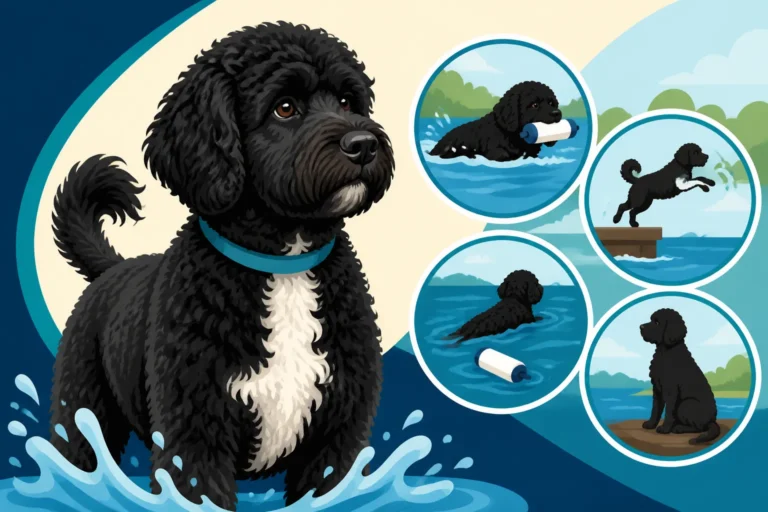
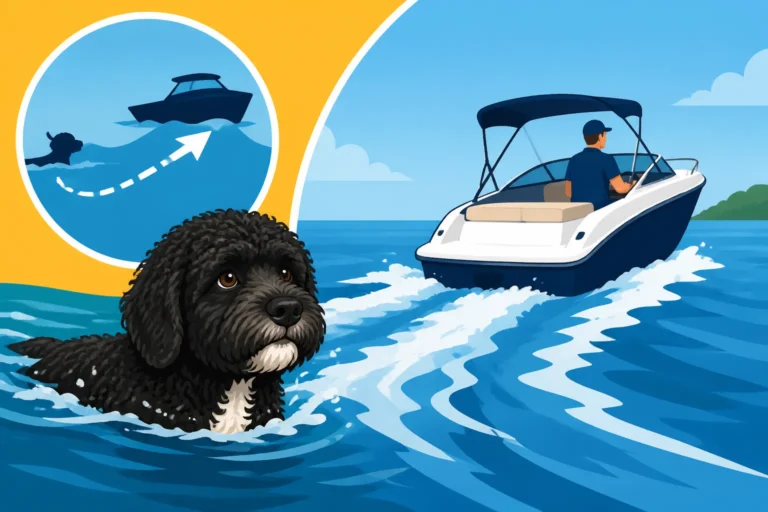
Imagine a dog leaping from boat to boat, diving into icy waters to retrieve lost gear, or herding fish into nets – that's the job a Portuguese Water Dog was bred for. This wasn't a leisurely afternoon stroll; it was a demanding, full-body workout that required both physical prowess and keen intelligence. They needed to navigate choppy seas, endure cold temperatures, and perform tasks with little direct command, often far from shore.
This legacy means they come hard-wired with an incredible capacity for work and an insatiable desire for activity. When you bring a Portuguese Water Dog into your home, you're not just getting a pet; you're adopting a highly capable, driven working dog whose ancestral instincts are still very much alive. A quick loop around the park or a ten-minute potty break, while necessary, simply doesn't begin to tap into this deep reservoir of energy and purpose. It's like asking a marathon runner to consider a trip to the mailbox their daily workout – it just won't cut it. For a deeper dive into their origins, check out A Portuguese Water Dog Was Bred to Work a Boat, Not a Yard.
Their physical build also speaks volumes. With strong, muscular bodies, powerful hindquarters, and distinctive webbed feet, they are engineered for endurance and agility. This means they are not just capable of covering miles; they need to. Their bodies are designed to be in motion, to push limits, and to use every ounce of that remarkable physical conditioning. Neglecting this fundamental need for strenuous physical activity is a disservice to the breed and will inevitably lead to frustration for both dog and owner.
More Than Muscle: The Mental Workout is Just as Crucial
While their physical capabilities are undeniable, the Portuguese Water Dog's intelligence is equally striking. These aren't dogs that mindlessly follow commands; they were bred to think independently, problem-solve on the fly, and often anticipate their human's needs. This means that a purely physical workout, even a long one, will still leave a significant part of their being unsatisfied if it doesn't engage their brilliant minds.
Imagine the complexity of retrieving a specific buoy from a tangle of fishing lines in rough water. This wasn't just about swimming fast; it required observation, memory, decision-making, and precision. This inherent mental agility means they get bored easily if their brains aren't challenged. They thrive on learning new tasks, solving puzzles, and being given a "job" to do, even if that job is just a complex game of fetch or a rigorous training session. You'll find a lot more information about this aspect of their personality in Why a Portuguese Water Dog Needs a Job.
When a Portuguese Water Dog is physically tired but mentally under-stimulated, you might still find yourself with a dog that's restless, destructive, or overly "mouthy." They need their minds to be as engaged as their bodies to feel truly content and fulfilled. This dual need for physical and mental exercise is why simply pushing for "more miles" without incorporating variety and cognitive challenges won't always lead to the calm, well-adjusted companion you're hoping for. It's about providing a holistic exercise regimen that nourishes both aspects of their working dog nature.
Calculating the Daily Mileage: A Dry-Land Guide
So, given their background, how much dry-land exercise are we really talking about? While there's no one-size-fits-all answer, we can establish a solid baseline and then look at how to maximize the impact of those miles. Remember, the goal isn't just to accumulate distance but to provide stimulating, purposeful activity.
The Active Adult Baseline: Setting Expectations for Daily Outings
For a healthy, adult Portuguese Water Dog, a good baseline for daily dry-land exercise typically falls in the range of 3 to 5 miles of vigorous activity, spread across at least two sessions per day. This isn't just a casual stroll; this means brisk walking, jogging, running, or active hiking where their heart rate is elevated and they are truly working.
Think about it this way: if you're out for an hour-long walk, but your PWD is mostly ambling along, sniffing every blade of grass, and stopping frequently, that's not vigorous activity. That's a decompression walk, which is important for mental enrichment, but it won't burn off their physical energy. You need dedicated periods where they are moving with purpose, ideally off-leash in a safe, enclosed area, or on a long line where they can really stretch their legs. Consistency is key here; these aren't "sometimes" activities but daily necessities. How Much Exercise a Portuguese Water Dog Needs can offer more insights into their overall daily requirements.
Many owners find that two shorter, more intense exercise periods (e.g., 45-60 minutes each) coupled with shorter potty breaks and some indoor mental games work better than one long, exhausting excursion. The key is to ensure those dedicated exercise periods are truly active, getting their muscles working and their lungs pumping. If they're panting happily and looking forward to a long nap afterward, you're probably on the right track.
Beyond Pavement: Integrating Varied Terrain for Optimal Impact
While racking up miles on flat pavement certainly counts, the quality of those miles makes a huge difference for a Portuguese Water Dog. Their agile bodies and strong joints benefit immensely from varied terrain, which engages different muscle groups and provides additional mental stimulation.
Consider swapping some of your sidewalk walks for hikes on trails with uneven ground, inclines, and declines. This kind of activity forces them to think about where they're placing their feet, strengthens their core and stabilizing muscles, and offers a wealth of new smells and sights that further engage their minds. A mile on a winding, hilly trail will tire a Portuguese Water Dog far more effectively than a mile on flat, paved ground. It’s not just about the distance, but the effort and complexity involved.
Furthermore, varying your routes and environments prevents boredom. Walking the same path every single day can become monotonous for a highly intelligent dog. Introducing new parks, different trails, or even exploring urban environments (with appropriate safety measures) can turn a simple mileage goal into a rich, multi-sensory adventure. This approach helps to prevent the "been there, done that" attitude and keeps them excited and engaged during their outings, which in turn leads to a more fulfilling exercise experience for them.
Diversifying Dry-Day Exercise: Activities That Go the Distance
Simply walking a certain number of miles isn't the only, or even the best, way to meet a Portuguese Water Dog's exercise needs on a dry day. They thrive on variety, challenge, and activities that tap into their innate abilities. Let's look at how to make those dry days truly count.
High-Intensity Cardiovascular Work: Running, Cycling, and Fast-Paced Hikes
For a healthy adult Portuguese Water Dog, high-intensity cardio is a fantastic way to burn off steam and build stamina. If you're a runner, taking your PWD with you can be a perfect match. Start slowly, gradually increasing distance and speed, and always be mindful of weather conditions. Their dense coats mean they can overheat more easily in warm weather, so stick to cooler parts of the day.
Cycling with your PWD, often called "bikejoring" or simply "canicross," is another excellent option. You can use specialized attachments that connect to your bike and allow your dog to run safely alongside or even pull you. Again, safety is paramount. Ensure your dog is well-trained on leash, has excellent recall, and is physically mature enough for this kind of sustained effort. Invest in good quality hands-free leashes or bike attachments – you can find a wide range of reliable options for these kinds of activities on platforms like Amazon. Always prioritize your dog's comfort and safety, especially when introducing new equipment or activities.
Fast-paced hikes, especially those with significant elevation changes, are also incredibly beneficial. These combine the physical challenge of climbing and descending with the mental enrichment of exploring natural environments. It works their muscles, builds their endurance, and gives them a chance to use their incredible sense of smell. Always carry plenty of water for both of you, and check their paw pads regularly for any signs of wear or injury, especially on rough terrain.
Brain Games and Interactive Play: Channeling Their Working Instincts
Remember, a PWD needs mental stimulation just as much as physical. Incorporating brain games and interactive play into your dry-day routine is essential. Think about how their ancestors were expected to problem-solve; we can replicate that in a fun, engaging way.
Extended games of fetch or frisbee, particularly in a large, safe area where they can sprint at top speed, are excellent. Don't just throw the ball; make them think. Hide the toy and make them "find" it, or throw it in different directions to work on their agility and responsiveness. These types of games leverage their strong retrieving drive. For ideas on which games truly engage them, refer to Which Retrieving Games Tire a Portuguese Water Dog. Teaching them complex tricks or sequences of commands also provides valuable mental exercise.
Structured training sessions, even short ones (10-15 minutes, several times a day), can be surprisingly tiring for a PWD. They love to learn and excel at obedience, rally, or even scent work. Consider online training programs like those offered by BAXTER & Bella, which provide comprehensive, positive-reinforcement-based courses that can help you engage your PWD's intelligent mind. These programs can teach you how to turn everyday interactions into learning opportunities, ensuring your dog is not only well-behaved but also mentally stimulated and happy.
Structured Dog Sports on Land: Agility, Rally, and Scent Work
Beyond just casual play, structured dog sports offer an incredible outlet for a Portuguese Water Dog's energy and intelligence. These activities provide a purpose, challenge their bodies and minds, and build a strong bond between you and your dog.
Agility is a perfect fit for their athletic build and quick minds. Navigating obstacles like tunnels, jumps, and weave poles requires focus, speed, and coordination. It’s a full-body workout that also demands strategic thinking from the dog. Many local clubs offer beginner classes, and it’s a wonderful way to meet other active dog owners.
Rally and Obedience trials also harness their intelligence and desire to work. While perhaps less physically intense than agility, they require immense focus and precision, turning simple commands into a complex dance. This type of mental engagement can be just as tiring as a long run for a PWD, especially one bred to think for itself. If you're struggling to teach advanced concepts, remember programs like BAXTER & Bella can provide excellent guidance, with step-by-step videos and support to help you achieve your training goals.
Scent work, where dogs learn to identify and locate specific odors, is another fantastic option. This taps into their primal hunting instincts and uses one of their most powerful senses. It's mentally exhausting for them in the best possible way, allowing them to focus deeply and problem-solve. Even setting up simple "find it" games with treats around the house can be a great starting point for scent work. These structured activities provide a consistent outlet for their energy, ensuring they're not just exercising, but truly thriving.
Tailoring the Regimen: When "Miles" Aren't a Universal Metric
While we've discussed general mileage guidelines, it's vital to remember that every Portuguese Water Dog is an individual. What works for one might be too much or too little for another. Several factors play a significant role in determining the ideal exercise regimen, and a thoughtful owner will always listen to their dog.
The Young and the Wise: Adjusting Exercise for Puppies and Senior Dogs
Portuguese Water Dog puppies, like all growing dogs, have specific exercise needs that differ significantly from adults. While they have bursts of incredible energy, their bones, joints, and growth plates are still developing. Over-exercising a puppy, especially with high-impact activities like long runs or extensive jumping, can lead to serious orthopedic problems down the line. Instead, focus on shorter, more frequent play sessions, puppy classes, and controlled walks. Mental stimulation through puzzle toys and short training bursts is invaluable. Never force a puppy to keep up with an adult's pace.
On the other end of the spectrum, senior Portuguese Water Dogs will naturally slow down. Their mileage needs will decrease, and the intensity of their activities should be gentler. However, "slowing down" doesn't mean "stopping." Continued, appropriate exercise is crucial for maintaining muscle mass, joint flexibility, and mental health in older dogs. Think more about leisurely walks, short swims (if their health allows), and gentle games of fetch. Regular vet check-ups are essential to monitor their joint health and overall well-being. Caring for an Aging Portuguese Water Dog and The Age a Portuguese Water Dog Is Considered Senior provide excellent advice on this topic.
| Age Group | Recommended Dry-Day Activity Type | Suggested Daily Duration/Intensity | Key Considerations |
|---|---|---|---|
| Puppies (2-6 mo) | Short play, discovery walks, gentle fetch | Multiple short sessions (5-10 min each), total 30-60 min light activity | Protect growth plates; avoid forced exercise; focus on positive experiences; mental stimulation is key. |
| Adolescents (6-18 mo) | Moderate walks, supervised off-leash play, intro to sports | 1-2 hours of mixed activity; gradual increase in intensity | Continue protecting joints; avoid repetitive hard impact; build stamina slowly; strong focus on training boundaries. |
| Adults (1.5-7 years) | Brisk walks, runs, hikes, dog sports, retrieves | 3-5 miles vigorous activity, plus mental challenges; 1.5-2.5 hours active | Consistent high-energy output; vary activities; monitor for overheating; consider breed-specific sports. |
| Seniors (8+ years) | Gentle walks, short play, mental games | 30-60 min low-impact activity, spread throughout the day | Adjust for arthritis/health issues; maintain muscle tone; vet check-ups; avoid slippery surfaces; focus on comfort. |
Health Status and Environmental Factors: Listening to Your Dog
A Portuguese Water Dog's individual health status will heavily influence their capacity for exercise. Dogs with orthopedic issues like hip or elbow dysplasia (which can unfortunately occur in the breed) will require a modified exercise plan, often focusing on low-impact activities like swimming or shorter, controlled walks. Conditions like Addison's disease, while manageable with medication, can also affect their energy levels, especially during periods of stress or incomplete treatment. Always consult your veterinarian to tailor an exercise plan if your PWD has any health concerns.
Environmental factors are equally important. Their dense, often curly or wavy coat, while fantastic for water, can make them prone to overheating in hot, humid weather. On such days, their mileage and intensity should be drastically reduced, or activities should be moved to the cooler early morning or late evening hours. Conversely, their double coat provides excellent insulation in cold weather, but prolonged exposure in extreme cold or icy conditions still poses risks. Always be aware of the weather and how it impacts your individual dog. For more on managing their temperature, read Whether a Portuguese Water Dog Overheats. Watch for signs of fatigue, lameness, or overheating, and always err on the side of caution. Your dog can't tell you in words if they're hurting or struggling, so it's up to you to observe and adjust.
The Repercussions of an Under-Exercised Portuguese Water Dog
When a Portuguese Water Dog isn't getting the right amount or type of exercise, both physically and mentally, it's not just a minor inconvenience; it can lead to a host of behavioral and health problems. These aren't malicious acts; they are often simply expressions of unmet needs.
Unchanneled Energy Manifesting as Destructive Behaviors
An under-exercised Portuguese Water Dog is a bored Portuguese Water Dog, and a bored PWD will find ways to entertain themselves. Unfortunately, their chosen forms of entertainment often involve activities we humans find, shall we say, less than ideal. This can manifest as destructive chewing, where your furniture, shoes, or even walls become targets for their powerful jaws. They have a strong oral fixation and natural tendency to carry things, and if they don't have appropriate outlets, household items become fair game. Take a look at Why a Portuguese Water Dog Puts Everything in Its Mouth for more on this common trait.
Digging is another common outlet for pent-up energy, and your beautifully landscaped yard can quickly resemble a minefield. They might also become incessant counter-surfers, using their intelligence and agility to grab anything left within reach. Excessive barking, especially at every little sound or movement, can also be a sign of boredom and frustration. These behaviors aren't about being "bad" dogs; they're a clear signal that their fundamental needs for physical exertion and mental engagement are not being met. You can find more about these issues in What an Under Exercised Portuguese Water Dog Does.
The Silent Toll: Anxiety, Restlessness, and Overall Well-being
Beyond the obvious destructive behaviors, a lack of adequate exercise takes a silent toll on a Portuguese Water Dog's mental and emotional well-being. They can become chronically restless, pacing around the house, unable to settle even when you're trying to relax. This constant state of low-level anxiety isn't fair to them and makes for a difficult home environment.
They might develop separation anxiety more easily, as their unspent energy amplifies their distress when left alone. Their bright, inquisitive minds can turn to obsessive behaviors or become easily stressed, leading to a generally unhappy dog. The bond between you and your PWD can also suffer, as constant behavioral issues create tension and frustration for everyone involved.
Ultimately, providing enough stimulating exercise, both physical and mental, is not just about having a "good" dog; it's about fostering a truly healthy, happy, and well-adjusted companion. It's an investment in their overall quality of life and the harmony of your home. Embracing their working heritage by providing ample opportunities to move, think, and engage with the world is the most loving thing you can do for your Portuguese Water Dog. It often means Training a Portuguese Water Dog That Was Bred to Think for Itself rather than simply follow.
Disclaimer
This article is for general informational purposes only and does not constitute professional advice. Laws, prices and regulations vary by location and change over time. Consult a qualified professional for guidance on your specific situation.