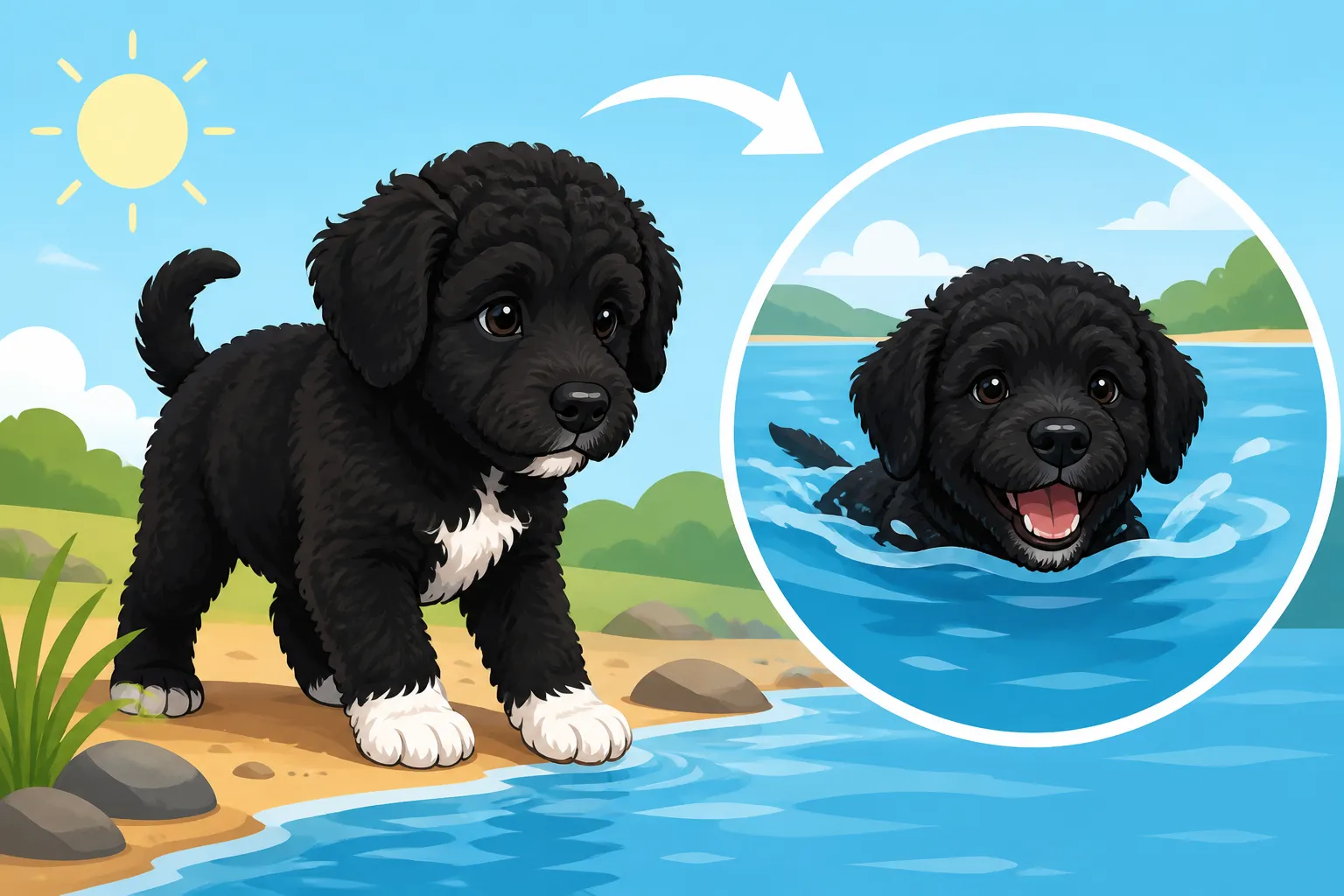
When a Portuguese Water Dog Puppy Should Meet Water
One of the most common questions new Portuguese Water Dog puppy parents grapple with is precisely when to introduce their little fluffball to water. It’s easy to assume that because these dogs are called "Water Dogs," they'll just naturally jump in and start swimming like little fish, but the reality is a bit more nuanced. Just like us, puppies need a gentle, thoughtful introduction to new experiences to build confidence and ensure safety. This guide will walk you through the ideal timeline and best practices for making your Portuguese Water Dog puppy’s first splashes positive, safe, and fun, setting them up for a lifetime of aquatic adventures.
Understanding the Portuguese Water Dog's Natural Affinity for Water
It’s true, the Portuguese Water Dog breed was literally bred for the water. Their history is steeped in maritime work, helping fishermen on the coast of Portugal. But while their love for water is deeply ingrained in their DNA, it doesn't mean you can just toss a tiny puppy into the deep end! Understanding their heritage helps us appreciate why a calm, positive introduction is so important for nurturing that natural inclination without overwhelming them.
The Historical Connection to Water
Imagine the rugged coastlines of Portugal, fishermen out at sea, and by their side, a sturdy, intelligent dog. These weren't just companions; they were working partners. Portuguese Water Dogs were responsible for herding fish into nets, retrieving lost tackle, and even carrying messages between boats. Their dense, waterproof coats, powerful build, and uniquely webbed feet were all adaptations for life in the ocean. This rich history means that water isn't just a fun place for them; it's practically their ancestral home. You can read more about What a Portuguese Water Dog Was Bred to Do on a Boat to really appreciate their working heritage.
This historical role has profoundly shaped their instincts. They're hardwired to be comfortable and capable in aquatic environments. However, even with all that amazing genetic predisposition, the world is still a big, sometimes scary place for a tiny puppy. Their ancestors might have been born onto fishing boats, but today's puppies are often born in living rooms, far from the crashing waves. We need to bridge that gap with patience and understanding.
Innate Instincts vs. Learned Behavior
While a Portuguese Water Dog might possess an innate desire to be in and around water, the act of swimming, especially confidently and safely, involves learned behavior. Think of a human baby; they have the reflex to hold their breath underwater, but they don't instinctively know how to swim laps. Similarly, a Portuguese Water Dog puppy might paddle instinctively, but knowing how to enter and exit the water safely, retrieve toys from varying depths, or navigate currents, comes with experience and gentle guidance.
Their physical traits, like How a Portuguese Water Dog's Webbing Adds to Its Speed or Why a Portuguese Water Dog's Tail Works as a Rudder, certainly give them an advantage, but they still need to learn how to use these tools effectively. The transition from playful splashing in a shallow puddle to confidently retrieving a bumper from a lake requires a series of positive, incremental steps. This blend of natural talent and careful instruction is what makes water work so rewarding with this breed.
Why Early Positive Exposure Matters
Early positive exposure isn't about pushing your puppy into the water; it's about creating a foundation of trust and enjoyment. When puppies have good experiences with water from a young age, they develop a strong, lifelong positive association. This can prevent fear or hesitation later on, which can be incredibly difficult to overcome. A scared dog in the water is a dangerous situation for everyone.
The goal is to foster their natural curiosity and joy. If their first few encounters are fun and low-pressure, they'll see water as a source of adventure and delight. This is especially important during their critical socialization period, where they are forming their worldview. A fearful or traumatic experience with water during this time can have lasting negative effects, potentially creating a dog that avoids water altogether, which is a shame for a breed so suited to it.
The Ideal Age for a Puppy's First Water Introduction
This is the big question, right? When is the perfect time? There's no single "magic" age, but rather a window that balances their physical development, cognitive readiness, and the crucial socialization period.
Balancing Development and Early Learning
Most experts agree that a Portuguese Water Dog puppy can begin very gentle water introductions as early as 8 to 10 weeks of age, but with significant caveats regarding safety and environment. At this age, their coordination is still developing, and their immune systems are maturing. The key word here is introduction, not full-fledged swimming lessons. We’re talking about supervised wading in very shallow, controlled water, not independent swimming in a lake.
Think of it like this: A two-month-old puppy is still learning how to navigate the world on four paws, let alone in a new, buoyant environment. Their muscles are developing, and their bone structure, especially growth plates, are still very vulnerable. Pushing too hard, too fast, can lead to physical injury or psychological stress. This early stage is about exploration and building confidence, not endurance or skill. The emphasis is entirely on fun and positive association.
The Critical Socialization Window
The period from roughly 3 to 16 weeks is often called the "critical socialization window." During this time, puppies are most receptive to new experiences and form lasting impressions of the world. Introducing water in a positive way during this phase can embed a lifelong love for it. However, this window also means they are vulnerable to negative experiences. If their first encounter is scary, cold, or overwhelming, they might develop an aversion to water that is very hard to reverse.
When considering The First Year With a Portuguese Water Dog Puppy, remember that every experience shapes them. A small kiddie pool with warm water, a few floating toys, and plenty of praise can be a wonderful, low-stress introduction. Avoid loud, chaotic environments or forcing them into water they are clearly hesitant about. Puppy kindergarten classes often include elements of novelty exposure, and water can be one of them, done gently. It's about letting them explore at their own pace.
Health Considerations Before a Swim
Before your puppy dips a paw, a visit to the veterinarian is non-negotiable. Your vet can advise you on your puppy’s vaccination schedule and overall health, ensuring they are robust enough for even gentle water play. They'll also provide guidance on preventing common issues like ear infections, which are a real concern for water-loving breeds. Whether a Portuguese Water Dog Gets Ear Infections is a common question, and early preventative care is vital.
Another crucial consideration is water quality. Young puppies are more susceptible to waterborne pathogens. Steer clear of stagnant ponds, unknown lakes, or heavily chlorinated public pools for their very first experiences. A clean, shallow kiddie pool in your backyard, filled with fresh tap water, is usually the safest bet. Once they're older and fully vaccinated, you can expand their aquatic horizons, but always with caution and awareness of potential risks.
Here's a quick look at ideal timing and considerations:
| Age Range | Type of Water Introduction | Key Considerations |
|---|---|---|
| 8-12 Weeks | Gentle, supervised wading. Shallow kiddie pool, bathtub, or calm, clean, very shallow natural water. Focus on positive experiences, playing with floating toys. Water should be warm. | Health: Consult vet on vaccination status. Safety: Always supervise closely. Ensure easy exit. Environment: Warm, calm, clean water. No strong currents or deep areas. Purpose: Introduce sight, sound, and feel of water. Build confidence and positive association. Avoid over-exercising young joints. |
| 12-16 Weeks | Supervised short swims in controlled environments. Can introduce slightly deeper water if puppy is confident. Continue with positive reinforcement. | Health: Continued vet consultation. Ensure full vaccinations for public areas. Safety: Consider a well-fitting puppy life jacket. Ensure easy entry/exit. Environment: Still prioritize clean, calm water. Gradual increase in depth. Purpose: Develop basic swimming skills, improve coordination. Keep sessions short and fun. |
| 4-6 Months | Broader water experiences. Lakes, calm rivers, ocean if confident and supervised. Introduce retrieving from water. | Health: Fully vaccinated. Continue ear checks. Safety: Life jacket still highly recommended. Teach recall from water. Environment: More varied, but still prioritize safety. Avoid strong currents, large waves. Purpose: Refine swimming skills, introduce water retrieving, build endurance. Start thinking about How Often a Portuguese Water Dog Should Swim. |
| 6+ Months | More advanced water sports and activities. Dock diving, water trials (novice level). Focus on building skill and enjoyment. | Health: Continue regular vet checks. Monitor for joint issues. Consider When a Portuguese Water Dog's Growth Plates Close before intense activities. Safety: Advanced training on water commands. Environment: Varied, focus on appropriate conditions for sport. Purpose: Engage working drive, excel in water sports. |
Making the First Water Experiences Positive and Safe
The success of your puppy's water journey hinges on how you approach those initial encounters. It's not just about when, but how. Patience, positive reinforcement, and a strong emphasis on safety are your best tools.
Choosing the Right Location for the First Swim
Location, location, location! For a puppy's very first introduction to water, you want a calm, controlled, and stress-free environment. Forget the crashing waves of the Pacific or the roaring rapids of a river. Here are some ideal spots:
- Shallow Kiddie Pool: This is often the gold standard. A plastic kiddie pool filled with just a few inches of lukewarm water is perfect. It's easy for the puppy to step in and out, the water depth is completely controllable, and it's a familiar, safe space, often in your own backyard.
- Bathtub: For very young puppies or during colder weather, your bathtub can serve as a great introduction. Fill it with a couple of inches of warm water and let them splash around with a toy. The confined space can feel secure, and you have complete control over the environment.
- Calm, Shallow Lake Edge or Pond: If you have access to a very calm, clean lake or pond with a gently sloping entry, this can work. The key is very shallow and very calm, with no strong currents or hidden drop-offs. Ensure the water quality is excellent and free of algae blooms or sharp debris. This natural environment can introduce them to different textures and temperatures in a gentle way.
Avoid places with loud noises, lots of other dogs, strong currents, or deep drop-offs for these initial sessions. The goal is to make it feel like a fun game, not a challenge.
Gentle Introduction Techniques
The cardinal rule: never force your puppy into the water. This can create a traumatic experience that may haunt them for life. Instead, make it an invitation.
- Start on Land: Begin by playing near the water's edge. Toss a favorite toy that floats, like a Kong or a soft rubber retrieve toy, just a few inches into the shallow water. Encourage them to retrieve it. Praise enthusiastically even if they just dip a toe.
- Lead by Example (if appropriate): If you're comfortable and the water is suitable, wade in yourself a little way. Many puppies are more confident following their trusted human.
- Use Positive Reinforcement: Treats, praise, and gentle encouragement are your best friends. Every time they interact positively with the water, even just sniffing it, reward them. Make it a party!
- Keep it Short and Sweet: Initial sessions should be very brief – just a few minutes. You want them to want more, not to be exhausted or bored. Always end on a high note.
- Let Them Discover: Some puppies will dive right in. Others will be more cautious. Let them explore at their own pace. If they seem hesitant, don't push. Just keep offering opportunities in a calm, playful way. You might find that Teaching a Portuguese Water Dog Puppy to Enter Water is easier if you make it a game.
For training in general, resources like BAXTER & Bella can offer guidance on positive reinforcement techniques that translate well to water introductions. They emphasize building confidence and a strong bond, which is crucial for any kind of training with a PWD.
Essential Safety Gear and Supervision
Even in shallow water, safety is paramount. Portuguese Water Dogs are natural swimmers, but puppies are still learning, and accidents can happen.
- Life Jacket: For any water deeper than a few inches, a properly fitting canine life jacket is a non-negotiable item, especially for puppies. It provides buoyancy, helps them maintain a horizontal swimming position, and gives you a handle to easily guide or lift them if needed. Look for one with a strong handle on the back and adjustable straps. You can find excellent options on Amazon. Understanding When a Portuguese Water Dog Needs a Life Jacket is critical for all water activities.
- Constant Supervision: Never, ever leave your puppy unattended near water, not even for a second. An adult should be within arm's reach at all times.
- Easy Exit: Ensure your puppy has a clear, easy way to get out of the water. Ramps or shallow, sloping edges are ideal. A slippery pool ladder is not suitable for a novice swimmer.
- Fresh Water: Have fresh drinking water available nearby. Puppies might try to drink the pool, lake, or ocean water, which can lead to upset stomachs or other health issues.
- Post-Swim Care: After any swim, thoroughly rinse your puppy to remove chlorine, salt, or lake debris. Pay special attention to their ears. Use an ear cleaner recommended by your vet to help dry out the ear canal and prevent infections. Drying a Portuguese Water Dog After Every Swim is crucial, as is Why a Portuguese Water Dog's Ears Need Checking Every Week.
Beyond the First Splash: Continued Water Training and Safety
Once your puppy has had a few positive, short introductions to water, you can gradually expand their experiences. The journey from playful wading to confident water dog is a continuous one, filled with learning, reinforcement, and always, safety.
Progressing to Deeper Water and New Environments
As your puppy gains confidence and matures, you can slowly introduce them to deeper water and more varied environments. This means moving from the kiddie pool to a slightly deeper, calm part of a lake or a dog-friendly beach with gentle waves.
When venturing into new places, always do a quick scout first. Check for strong currents, sharp rocks, steep drop-offs, or anything that could be a hazard. Continue to use a life jacket, especially in unfamiliar or deeper waters. The life jacket isn't just for safety; it also helps them conserve energy while they're still developing their stamina. Remember that How Much a Portuguese Water Dog Puppy Should Swim should still be in short bursts, building up endurance over time.
Introduce retrieving from water once they are confident swimmers. Start by tossing a floating toy just a short distance from the edge, gradually increasing the distance. This engages their natural retrieving drive and makes water activities even more rewarding for them.
Reinforcing Water Safety Commands
Just like on land, commands are vital for water safety. Teaching a strong "come" or "recall" is paramount. Imagine your dog enthusiastically swimming towards a hazard – you need to be able to call them back immediately. Practice this command repeatedly on land, then near water, and finally in the water. Use high-value treats and enthusiastic praise to make it the most rewarding thing they can do.
Other useful commands include "wait" or "stay" at the water's edge, preventing them from bolting in without your permission. "Leave it" is also helpful if they try to mouth something unsafe in the water. Integrating these commands into your water play helps establish boundaries and ensures you remain in control, even when they're having the time of their life. For structured training, platforms like BAXTER & Bella can provide online courses that cover these foundational commands, applicable to all environments.
Maintaining Enthusiasm and Preventing Burnout
The goal is to cultivate a lifelong love of water, not to turn it into a chore. Always keep water sessions fun, varied, and positive. Avoid over-exercising your puppy, especially when they are young. Their joints are still developing, and too much strenuous activity, including swimming, can be detrimental. You should be mindful of When a Portuguese Water Dog's Growth Plates Close before engaging in very intense or high-impact activities.
Mix up your activities: sometimes it’s just a leisurely wade, other times it’s a quick fetch session. Don’t always demand perfection; sometimes, just letting them splash and explore freely is exactly what they need. Pay attention to their cues – if they seem tired, cold, or disinterested, it's time to stop. You want them to associate water with joy and excitement, always looking forward to their next dip. This balance ensures that your Portuguese Water Dog will be a happy, confident, and safe water companion for many years to come.
Disclaimer
This article is for general informational purposes only and does not constitute professional advice. Laws, prices and regulations vary by location and change over time. Consult a qualified professional for guidance on your specific situation.