Why a Portuguese Water Dog Pulls Toward Water
It's a familiar scene for any Portuguese Water Dog owner: you're walking along, enjoying a peaceful stroll, and suddenly, your beloved companion transforms into a determined torpedo, muscles tensing, leash straining, eyes fixed on that inviting puddle, stream, or even the distant shimmer of a lake. This intense, seemingly uncontrollable urge to launch themselves into any body of water can be incredibly frustrating, even dangerous, and often leaves owners wondering if their PWD is just being stubborn. But the truth is, this powerful pull isn't defiance; it's a deeply ingrained instinct. This guide will help you understand why your Portuguese Water Dog pulls toward water and offer practical strategies to manage this incredible natural drive safely and effectively.
Understanding the Breed's Innate Drive for Water
Let's be real, the name isn't "Portuguese Sofa Dog," is it? These magnificent animals were quite literally bred to work in and around water, and that history runs deep in their very DNA. When your PWD spots water, it's not just seeing a fun place to splash; it's hearing an ancient call to purpose and play.
Historical Roots: A Life at Sea
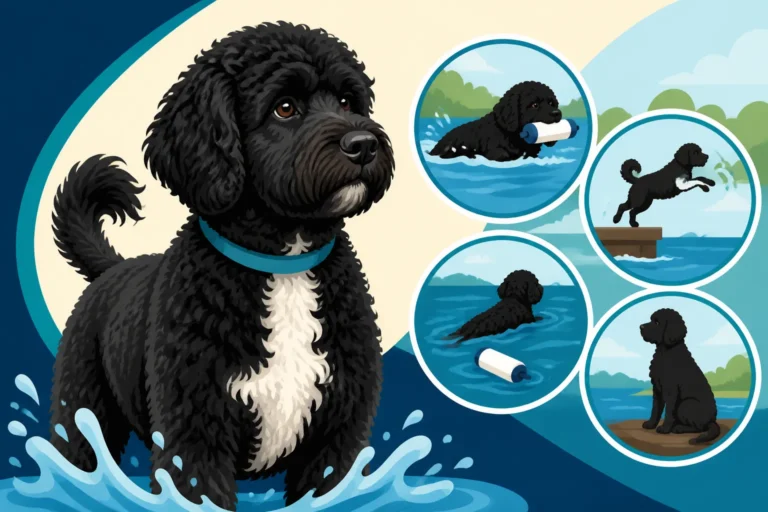
Imagine the rugged coast of Portugal, fishing boats bobbing in the Atlantic waves. For centuries, the Portuguese Water Dog was an indispensable member of the crew. They weren't just mascots; they were working dogs with vital jobs. They'd herd fish into nets, acting like furry, agile cowboys of the sea. They’d retrieve lost tackle, ropes, or anything that went overboard, no matter how chilly the water. They even carried messages between boats or to shore, making them the original maritime messengers.
For these dogs, water wasn't a recreational activity; it was their office, their playground, and their entire world. Every splash, every swim, every retrieve was intrinsically tied to their survival and their bond with their human companions. When we talk about A Portuguese Water Dog Was Bred to Work a Boat, Not a Yard, we're really talking about a dog whose entire existence was defined by its connection to the sea. This deep-seated history means that for a PWD, the sight, sound, and smell of water immediately triggers that ancestral programming. It's not just a preference; it's a profound part of who they are. They lived and breathed the ocean, making it synonymous with purpose, exhilaration, and reward.
Genetic Predisposition and Physical Adaptations
It's not just their history; their very anatomy screams "water dog." Take a look at their paws – they're distinctively webbed. These aren't just cute little toe flaps; they're powerful paddles designed for efficient propulsion through water, giving them incredible agility and speed. Their strong, muscular bodies are built for swimming, and their tail, thick at the base and tapering to a tuft, acts like a powerful rudder, allowing them to navigate with precision in currents or waves. If you've ever wondered How Much a Portuguese Water Dog's Webbing Adds to Its Speed, you'll quickly see it in action the moment they hit the water. It's a key adaptation that makes them natural, powerful swimmers.
Then there's that famous coat – whether curly or wavy, it's a single layer that's practically waterproof. It protects them from the cold ocean temperatures and helps them stay insulated even when thoroughly drenched. All these physical traits aren't random; they're the result of generations of selective breeding for a specific purpose: to thrive in aquatic environments. So, when your PWD is tugging on the leash towards the nearest body of water, it's because their entire being, from their genes to their paw pads, is telling them this is where they belong.
The Mental Association: Water = Fun and Fulfillment
Beyond the physical and historical, there's a powerful psychological component. For a Portuguese Water Dog, water isn't just a place; it's an entire experience. It represents immense fun, mental stimulation, and an unparalleled outlet for their boundless energy. Think about it: a regular walk, while great, might not fully engage their deep-seated instinct to retrieve, to work, to problem-solve in an aquatic setting.
When they get into the water, they're not just getting wet; they're engaging in a full-body, full-mind activity. They can chase toys, "herd" floating objects, dive, and simply revel in the sensation of buoyancy and movement. This engagement provides a profound sense of fulfillment that few other activities can match. For many PWDs, a swim is the ultimate reward, a way to decompress, burn off steam, and feel truly like themselves. This positive association is incredibly strong, making the pull towards water almost irresistible. It's why they might ignore a squeaky toy on land but will dive headfirst for a tennis ball thrown into a pond.
Common Scenarios and the Instinctive Pull
This powerful drive manifests in various situations, often catching owners off guard. It's not just about grand oceans; sometimes, the smallest splash is enough to ignite that deep-seated instinct.
The Irresistible Lure of Lakes, Rivers, and Puddles
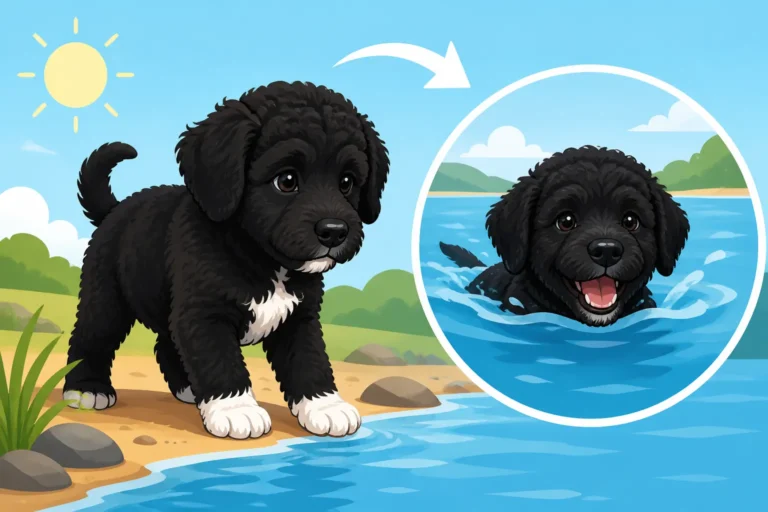
You might be walking your PWD on a leash, miles from any large body of water, and suddenly they lock onto a small stream or even a muddy puddle. The change in their demeanor is instant – from a casual trot to an intense, focused drive. Their nose goes to the ground, they might start whining softly, and the leash becomes a tug-of-war. This immediate attraction to any accessible water source is a testament to their heritage.
For a dog whose ancestors spent their lives in and around water, even a small creek represents an opportunity for "work" or play. They don't differentiate between a vast ocean and a shallow ditch; it's all "water" and therefore, inherently interesting and inviting. This can be particularly challenging when hiking or exploring new trails, as even a seemingly innocuous patch of water can become an instant magnet. Understanding What a Portuguese Water Dog Was Bred to Do on a Boat helps explain why they see any water as a potential workspace or playground.
The Beach and Ocean: A PWD's Paradise
If a puddle is a magnet, then a beach is an entire gravitational pull. The sheer expanse of the ocean, the rhythmic sound of the waves, the unique salty air, and the endless possibilities for retrieving and swimming can send a Portuguese Water Dog into a state of pure exhilaration. The moment their paws hit the sand, their energy level often skyrockets, and the pull towards the surf can feel incredibly strong.
Many PWDs will instinctively charge into the waves, sometimes even before you've had a chance to unclip their leash, eager to body surf or dive after a toy. This environment is their absolute paradise, offering the ultimate sensory experience that taps into every fiber of their being. While this enthusiasm is wonderful to witness, it requires careful management for safety, especially when considering When a Portuguese Water Dog Should Swim in the Ocean due to tides, currents, and other beachgoers.
Home Water Sources: Pools, Sprinklers, and Hoses
It's not just wild waters that captivate them. Even the most domesticated water sources can trigger that intense instinct. Many PWDs develop a fascination with garden hoses, seeing the spraying water as an exciting challenge to "catch" or play in. Sprinklers can become a game of hide-and-seek, and backyard pools, even if you never intend for your dog to swim in them, can be a constant source of temptation.
I've heard stories of PWDs who learn to turn on outdoor spigots or sneak a quick dip in a neighbor's pool. Their intelligence and drive to access water can be quite remarkable! This means that even in your own yard, vigilance is key. That sudden bark you hear might be your PWD announcing the arrival of a rain shower or the start of the sprinkler system, ready to dive in – Whether a Portuguese Water Dog Barks at the Water is often a clear indication of their excitement.
Strategies for Managing the Water-Bound Enthusiast
While we adore their enthusiasm, safety and control are paramount. You can't eradicate their innate love for water, nor would you want to, but you can channel it responsibly.
Foundation Training: "Leave It" and Recall
These two commands are your absolute best friends when it comes to managing a PWD's water drive. A rock-solid "Leave It" can literally be a lifesaver, allowing you to prevent your dog from jumping into unsafe water, or from chasing after something undesirable in the water. Start practicing "Leave It" in low-distraction environments with tempting treats on the ground. Gradually increase the distraction, moving to small puddles, then larger, controlled water sources. Reward heavily when they choose to ignore the water and look to you.
Equally vital is a reliable recall. Imagine your PWD, blissfully splashing, and you need them to come back now. This requires consistent, positive reinforcement training, making coming back to you the most rewarding thing they can do. Practice recall frequently, varying locations, and always reward with high-value treats and enthusiastic praise. Don't just save recall for emergencies; make it a fun game. For comprehensive online training, platforms like BAXTER & Bella offer structured programs that can help build these foundational skills, allowing you to train at your own pace and address specific challenges like this water drive. Remember, How Trainable a Portuguese Water Dog Is often depends on consistent, positive methods that tap into their intelligence and desire to please.
Appropriate Gear for Water Safety and Control
Investing in the right gear can make a huge difference in managing your PWD's aquatic adventures.
- Harnesses: Forget attaching a leash to just a collar when you're near water. A well-fitting, sturdy harness provides much better control and reduces the risk of injury to your dog's neck if they suddenly lunge. Look for harnesses designed for active dogs, with secure attachment points.
- Long Lines: A long line (15-30 feet) can be invaluable for training recall or allowing your PWD more freedom to explore near water in a controlled way. It gives them the sensation of being off-leash while you maintain a physical connection. Just be extremely careful not to let it get tangled or wrap around you or your dog.
- Life Vests: This is non-negotiable for any PWD spending significant time in water, especially if they're new to swimming, in open water, or if you're boating. Even natural swimmers can get tired, caught in currents, or disoriented. A brightly colored life vest with a strong handle on the back not only provides buoyancy but also makes it easier for you to retrieve your dog from the water. You can find a wide range of reliable options for Which Harness a Portuguese Water Dog Can Swim In and durable life vests for dogs on platforms like Amazon. Always prioritize fit and durability.
| Gear Type | Purpose | Key Features to Look For |
|---|---|---|
| Harness | Control, safety, prevents neck strain | Front and back clips, padded, durable materials, good fit |
| Long Line | Supervised freedom, recall training | Waterproof material, comfortable handle, appropriate length (15-30ft) |
| Life Vest | Buoyancy, visibility, easy retrieval | Bright color, reflective strips, strong grab handle, proper fit for swimming |
Providing Acceptable Water Outlets
Trying to suppress a PWD's water drive completely is like trying to stop the tide – frustrating and ultimately futile. Instead, lean into it! Providing regular, safe, and acceptable opportunities for your dog to swim and play in water is crucial for their physical and mental well-being.
Seek out dog-friendly beaches, lakes, or designated swimming areas where your PWD can truly indulge their instincts. If you have a backyard, a kiddie pool filled with fresh water can be a wonderful way for them to cool off and splash around on hot days, or even to practice retrieving floating toys. Make these experiences positive and enriching. This allows them to fulfill their inherent drive in a controlled manner, which can actually make them less frantic when they encounter water in less appropriate situations. Thinking about How Often a Portuguese Water Dog Should Swim should be a regular part of your activity planning. For puppies, starting early with positive, safe introductions to water, like those described in Teaching a Portuguese Water Dog Puppy to Enter Water, can build confidence and good habits.
Consistent Reinforcement and Positive Experiences
When your Portuguese Water Dog pulls towards water, remember it's not personal. It's an instinct that needs gentle, consistent guidance, not punishment. Harsh corrections or scolding can create fear and anxiety around water, or even around you, which can break down trust and make training harder.
Instead, focus on redirection and positive reinforcement. If they attempt to lunge, calmly interrupt the behavior and redirect their attention to you with a treat or a favorite toy. When they respond to a "Leave It" command near water, reward them lavishly. When they choose to walk calmly past a puddle without pulling, acknowledge and praise that good choice. Make every interaction around water a positive one. You want them to associate listening to you with good things, even when their instincts are screaming "swim!" This approach fosters a happier, more cooperative dog who sees you as a partner in their adventures, rather than an obstacle.
When the Pull Becomes a Problem
While their passion for water is charming, there are times when an unchecked water drive can become genuinely problematic, posing risks to your dog and causing significant stress for you.
Safety Concerns: Unsafe Water and Unwanted Jumps
The biggest concern, of course, is safety. Not all water is created equal, and a PWD's indiscriminate love for splashing can lead them into dangerous situations. Strong currents in rivers, unexpected undertows at the beach, or deep, murky ponds with unseen hazards can quickly turn a fun swim into a terrifying ordeal. Lakes and ponds can harbor toxic algae blooms, especially in warmer months, which are incredibly dangerous if ingested. Cold water, even for a dog built for it, can pose risks of hypothermia or muscle cramps if they're in for too long, or jump in unexpectedly after strenuous exercise. It's important to know How Long a Portuguese Water Dog Can Stay in Cold Water and recognize when conditions are too harsh.
Furthermore, an uncontrolled lunge into water can result in injury, either to your dog or to you. If you're on a slippery bank, being pulled in could lead to a fall. If they jump into a rocky area without checking, they could cut their paws or injure themselves. It's vital to assess the safety of any water source before allowing your PWD to enter, and to have the training in place to prevent them from making unsafe choices independently.
The Frustration for Owners
Let's be honest, it's exhausting! Constantly battling your dog on the leash, feeling like you're being dragged everywhere, or having your arm nearly ripped off every time you pass a ditch can seriously diminish the joy of owning such a wonderful breed. There's also the embarrassment when your dog tries to jump into a public fountain or splashes a stranger at the park. It's easy to feel like you've failed at training or that your dog is simply ignoring you, leading to feelings of frustration and even resentment.
It's important to validate these feelings. You're not alone, and it's not a reflection of your ability as an owner. This is a powerful, instinctual drive you're up against. Understanding that it's rooted in their history and genetics, rather than willful disobedience, can help shift your perspective and allow you to approach the situation with more empathy and less anger.
Seeking Professional Guidance
If you've tried all the training techniques, invested in the right gear, and are still struggling to manage your Portuguese Water Dog's powerful pull toward water, don't hesitate to seek professional help. A certified professional dog trainer, especially one experienced with working breeds or water dogs, can provide invaluable insight and tailored strategies. They can observe your dog's behavior, identify specific triggers, and help you implement a training plan that works for your unique situation.
Sometimes, an outside perspective is all it takes to break through a training plateau. They might introduce new tools, techniques, or management strategies you hadn't considered. They can also help you understand how to build even stronger engagement with your PWD on land, making you more interesting than the water, which is a significant step in gaining control. Remember, asking for help isn't a sign of failure; it's a sign of a responsible owner committed to their dog's safety and well-being.
Managing the Water Drive: Acceptable vs. Unacceptable Encounters
To effectively manage your Portuguese Water Dog's powerful water drive, it helps to categorize encounters and define clear boundaries. This table outlines common scenarios and how to respond.
| Scenario | Acceptable Encounter? | Owner Response & Strategy |
|---|---|---|
| Designated Dog Beach/Lake | Yes | Off-leash play (if safe/allowed), controlled retrieves, supervised swimming with life vest. |
| Backyard Kiddie Pool | Yes | Supervised playtime, cool-down, offer toys for retrieval. |
| Garden Hose/Sprinkler | Conditional | Allow supervised play with "on/off" cue, redirect if excessive or destructive. |
| Small, Clean Pond/Stream | Conditional | Use "Leave It" for initial approach, allow supervised entry if no hazards (currents, algae). |
| Public Fountain/Decorative Pond | No | Firm "Leave It" command, immediate redirection with high-value treat, physically move away. |
| Mud Puddles/Dirty Ditches | No | "Leave It" and walk past quickly. This is where their health is at risk from contaminants. |
| Fast-Flowing River | No | Keep on leash, maintain firm control, avoid walking too close to the edge. Explain How a Portuguese Water Dog Can Be Trusted Near a Lake is a progression. |
| Ocean with Strong Currents | No | Keep on leash, avoid direct contact with water, redirect attention to land games. |
Ultimately, your Portuguese Water Dog's affinity for water is a core part of their charm and heritage. By understanding this powerful instinct, implementing consistent training, utilizing appropriate safety gear, and providing acceptable outlets, you can enjoy a lifetime of adventures with your water-loving companion, safely and happily.
Disclaimer
This article is for general informational purposes only and does not constitute professional advice. Laws, prices and regulations vary by location and change over time. Consult a qualified professional for guidance on your specific situation.