What a Portuguese Water Dog’s Feet Should Look Like
Many new Portuguese Water Dog owners, or those just curious about the breed, often find themselves wondering what exactly makes a PWD's feet so special and unique. It’s not just about the webbing; there's a specific structure and function that defines these paws. This comprehensive guide will dive deep into what a Portuguese Water Dog's feet should ideally look like, how they function, and what proper care involves, helping you understand this distinctive breed better.
The Signature Webbed Feet of the Portuguese Water Dog
When you hear "Portuguese Water Dog," your mind probably jumps to their incredible work ethic and, of course, their webbed feet. But these aren't just any webbed feet; they are a finely tuned piece of canine engineering, perfectly adapted for their ancestral role as working dogs on the fishing boats of Portugal's coast. Understanding their structure goes beyond just seeing skin between their toes.
More Than Just 'Webbed' – Understanding the Structure
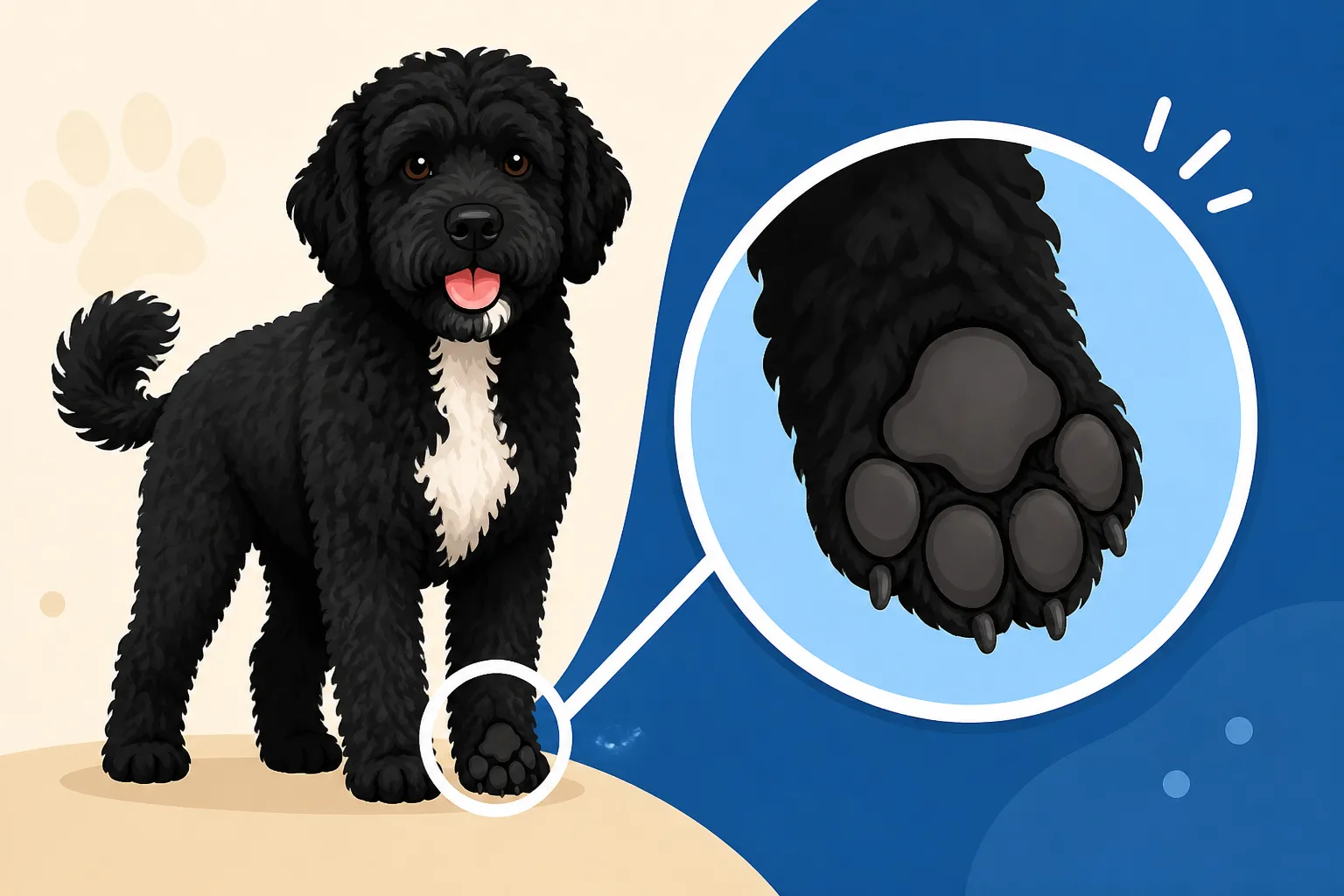
Imagine a dog built to swim and retrieve tirelessly from the ocean. Every part of its anatomy is geared towards this purpose, and the feet are no exception. A Portuguese Water Dog's paws are described in the breed standard as round and somewhat flattened, with well-arched toes that are neither too long nor too short. Crucially, the webbing between these toes is thick, strong, and extends almost to the end of the toes. This isn't thin, fragile skin; it's robust and built to withstand constant use in water. Think of it like a diver's flipper, designed to provide maximum propulsion and efficiency. The pads themselves are also incredibly thick and tough, offering excellent traction and protection on varied surfaces, from slippery boat decks to rocky shorelines. You'll often feel how firm and dense their pads are compared to other breeds, which is a testament to their working heritage. When you consider Why a Portuguese Water Dog Has Webbed Feet, it's clear these aren't just a novelty; they're essential tools.
The Functionality Behind Those Fantastic Paws
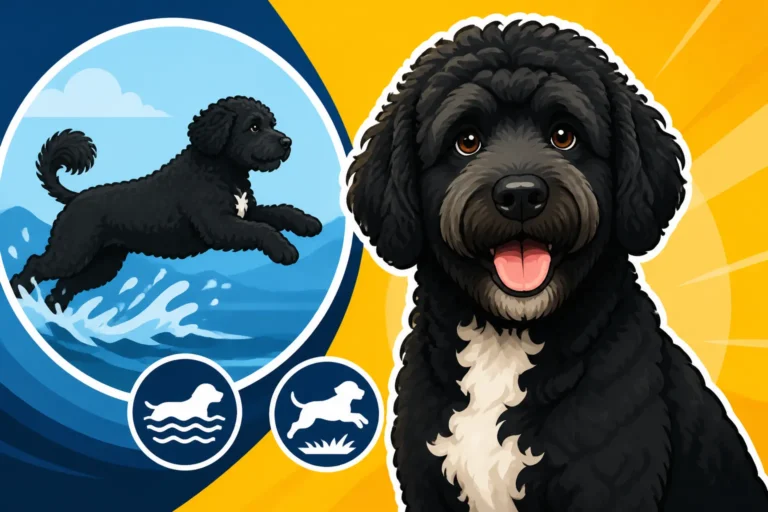
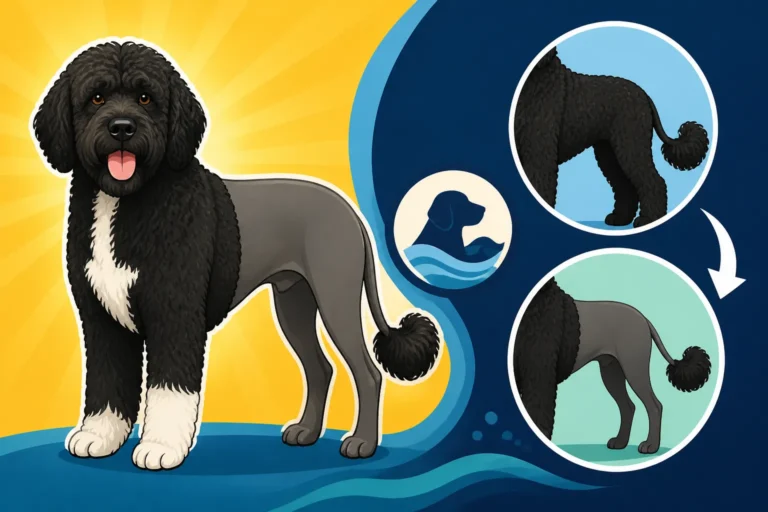
The unique structure of the Portuguese Water Dog's feet directly translates into their superior functionality in and around water. Those strong, webbed toes act like paddles, pushing through water with incredible force, allowing them to swim with remarkable speed and agility. This helps them maneuver effectively, whether they're driving fish into nets or retrieving lost gear from the choppy Atlantic. On land, these feet provide exceptional grip and stability. Their well-arched toes and thick pads absorb impact, making them agile on varied terrain, whether it's the deck of a boat pitching in a storm, a slippery dock, or uneven ground during a hike. This combination of aquatic power and terrestrial stability is truly what sets their feet apart. When you watch a PWD effortlessly glide through the water or leap confidently from a dock, you're seeing those webbed feet performing exactly as nature intended. Their feet work in harmony with their powerful build and rudder-like tail, making them masters of their watery domain. How a Portuguese Water Dog's Tail Should Be Carried also contributes to their balance in water, showing how their entire body is designed for this environment.
How a Portuguese Water Dog Should Move
Observing how a Portuguese Water Dog moves is essential for understanding the health and correct structure of their feet. A well-built PWD should move with a smooth, powerful, and ground-covering gait. Their feet should land squarely, without turning in or out excessively. From the front, their legs should appear straight, and their paws should track directly forward, showing neither "crabbing" (moving sideways) nor "paddling" (feet swinging outwards). From the rear, you should see strong drive, with the hocks (ankles) moving in line with the front legs, and again, the feet should not turn out. When they're in motion, those strong, arched toes should work to propel them forward efficiently. Any stiffness, hesitation, or unevenness in their gait could be a subtle sign of discomfort or a structural issue, perhaps even stemming from their feet. A healthy Portuguese Water Dog is a picture of balance and coordination, and much of that starts from the ground up. If you're wondering How a Portuguese Water Dog Should Move, pay close attention to the fluidity and power of their stride.
Ideal Foot Characteristics According to Breed Standards
For breeders, judges, and discerning owners, the breed standard is the blueprint for the ideal Portuguese Water Dog. When it comes to their feet, it describes a specific set of characteristics that not only define their appearance but also underscore their functional purpose. These details are important because they highlight the qualities that make a PWD so efficient at its job.
The Importance of Compactness and Arch
The breed standard emphasizes "round and rather flat-footed" with "toes not too long and well arched." This might sound contradictory, but it means the foot should be compact and not splayed, with strong, tightly knit toes that still have a good arch. Think of a strong, closed fist rather than an open hand. A compact foot provides stability and reduces the risk of injury, especially when navigating uneven or slippery surfaces. The well-arched toes are crucial for pushing off with power, whether from land or water, and they help prevent debris from getting trapped between the pads. A foot that is too long or too flat would be less efficient in the water and more prone to splaying on land. This ideal structure ensures durability and performance throughout a lifetime of activity. It’s a subtle yet critical detail that speaks volumes about the breed's working heritage.
Nail and Pad Pigmentation: What to Look For
Beyond the shape, the appearance of a Portuguese Water Dog's nails and paw pads can also offer insights. Ideally, their nails should be strong, thick, and typically match the pigmentation of their coat and nose. For black dogs, you'd expect black nails; for brown dogs, brown nails. While mixed pigmentation can occur, consistently dark nails and pads are generally preferred, as darker pigmentation often correlates with greater toughness and resilience, offering better protection against wear and tear. The paw pads themselves should be substantial, coarse, and deeply pigmented, almost leathery to the touch. These robust pads are the first line of defense against rough terrain, hot pavements, or sharp objects encountered during water work or outdoor adventures. Healthy, well-maintained nails and pads are not just aesthetically pleasing but are vital for your dog's comfort and mobility. Nails, Feet and Webbing on a Portuguese Water Dog are intrinsically linked, and their health is paramount.
Hair Between the Pads: Friend or Foe?
The hair growing between a Portuguese Water Dog's paw pads is a feature that requires careful attention. While their coat is generally non-shedding, the hair on their feet grows continuously, much like the rest of their body. In its natural state, this hair can grow quite long, sometimes protruding beyond the pads. On one hand, this extra hair can offer some insulation in cold water and might even slightly aid in propulsion. However, it can also become a nuisance if not properly maintained. Long hair between the pads can collect dirt, burrs, ice balls, and even tiny pieces of gravel, which can lead to irritation, matting, or even infection. It can also reduce traction on smooth surfaces, turning your agile PWD into a slip-and-slide enthusiast. For these reasons, regular trimming of the hair between the pads is a crucial part of PWD grooming, ensuring both comfort and safety. Whether a Portuguese Water Dog's Foot Hair Needs Trimming is a common question, and the answer is a resounding yes for most active dogs.
Common Deviations and What They Might Mean
Even in a well-bred Portuguese Water Dog, minor deviations from the ideal foot structure can occur. While some might be purely cosmetic, others can potentially impact your dog's comfort, health, and ability to perform their natural activities. It's helpful to be aware of these possibilities so you can discuss any concerns with your veterinarian or breeder.
Splayed Toes: A Potential Indicator
Splayed toes, often referred to as "paper feet" or "flat feet," describe a condition where the toes spread apart rather than remaining tightly knit and arched. Instead of a compact, round shape, the foot appears flatter and wider. This can happen for several reasons. Sometimes it's a genetic predisposition, but it can also develop due to lack of proper exercise, obesity (which puts excessive weight on the feet), or even a sign of weakness in the foot muscles and ligaments.
A dog with splayed toes has less shock absorption and reduced traction, which can lead to discomfort, particularly during vigorous activity. They might be more prone to injuries, such as torn nails, cuts between the pads, or even joint strain further up the leg, as their feet aren't providing optimal support. For a water dog, splayed toes mean less efficient paddling and potentially less grip on slippery surfaces. If you notice your PWD's toes spreading excessively, it's worth monitoring and mentioning to your vet.
Flat Feet: Impact on Function and Health
Related to splayed toes, "flat feet" refer to a foot lacking the desirable arch and compactness. Instead of the knuckles of the toes rising distinctly, the entire foot, particularly the pads, lies flatter against the ground. This structural deviation can significantly impact a Portuguese Water Dog's natural athleticism.
A flat foot loses some of the spring and cushioning that a well-arched foot provides. This means increased impact on the joints and bones of the foot and leg, potentially leading to conditions like arthritis over time. Traction can also be compromised, especially on uneven terrain or slippery surfaces like wet floors or boat decks. For a breed so reliant on powerful propulsion in water, flat feet can reduce swimming efficiency, making them work harder than necessary. Owners might notice their dog tiring more quickly or showing reluctance for long walks or intense water play if they are experiencing discomfort related to flat feet. It's a structural weakness that can affect their overall quality of life and performance.
Excessive Hair Growth: When Grooming Becomes Crucial
While not a structural deviation in the bones or ligaments, excessive hair growth between the pads and around the toes is a common concern that can lead to significant problems if not addressed. Portuguese Water Dogs have a single coat that grows continuously, and this applies to the hair on their feet as well.
If left untrimmed, this hair can become very long, forming dense mats that pack tightly between the pads. These mats can be incredibly painful, pulling at the skin with every step and making walking uncomfortable. They can also trap moisture, dirt, debris, and even parasites, creating a perfect breeding ground for bacterial or fungal infections. Dogs with excessive foot hair also have reduced traction, making them prone to slipping, especially on hard, smooth surfaces. This is not just a nuisance; it's a serious health and comfort issue. Regular grooming, including trimming this interdigital hair, is non-negotiable for a PWD. Ignoring it can lead to expensive vet visits for skin infections or painful mat removal. When considering Whether an Improper Coated Portuguese Water Dog Is Healthy, remember that coat maintenance, even on the feet, is crucial for all PWDs.
Grooming and Care for Healthy PWD Feet
Maintaining healthy feet is paramount for any active dog, but especially for a Portuguese Water Dog who uses their paws extensively for swimming, running, and playing. Neglecting their foot care can lead to discomfort, injury, and even impact their overall well-being. Good grooming habits are a loving commitment.
Trimming Nails and Pad Hair: Essential Maintenance
Regular nail trimming is probably one of the most dreaded grooming tasks for many dog owners, but it's absolutely vital for your Portuguese Water Dog. Overgrown nails can cause pain, deform the foot structure, and even lead to lameness. When nails get too long, they push the toes up, putting pressure on the foot bones and ligaments. This can make walking uncomfortable and even affect their gait. Aim to trim their nails every 2-4 weeks, or as often as needed, so they just barely touch the ground when your dog stands. If you can hear them clicking on hard floors, they're too long! You can use traditional clippers or a dremel tool, depending on what your dog tolerates best.
Equally important is trimming the hair between their paw pads. As we discussed, this hair can mat, trap debris, and reduce traction. Using small, blunt-nosed scissors or a small clipper designed for paw pads, carefully trim the hair flush with the pads. Be extra cautious not to cut the webbing or the sensitive skin. A good quality grooming kit, perhaps sourced from a reliable pet supplier like Chewy, will make these tasks much easier. Consistency is key; start young so your puppy gets used to having their paws handled. If you want to know How Often a Portuguese Water Dog's Nails Need Trimming, it really depends on their activity level, but don't let them get long!
Protecting Their Paws in Various Environments
Portuguese Water Dog feet are tough, but they're not invincible. Because they are so active and often spend time in diverse environments, protecting their paws is an important part of their care.
- Hot Pavement: In summer, asphalt can get scorching hot, causing painful burns. Always test the pavement with your hand; if it's too hot for you, it's too hot for their paws. Walk them in the grass or during cooler parts of the day. Paw balms or boots can offer some protection for short excursions.
- Cold Weather & Ice: In winter, ice, snow, and de-icing chemicals can be harsh. Ice balls can form between their paw pads, causing discomfort and potential frostbite. Rinse their feet with warm water after winter walks to remove salt and chemicals. Paw balms can create a protective barrier, and dog boots are excellent for severe conditions.
- Rough Terrain: While their pads are tough, sharp rocks, thorns, or broken glass can still cause cuts. If you're hiking on particularly challenging terrain, consider paw protection.
- Chemicals: Be mindful of household cleaners, lawn chemicals, or other substances your dog might walk through. Always rinse their paws thoroughly if they come into contact with anything potentially harmful.
Remember, prevention is always better than treatment when it comes to paw injuries. Being aware of their environment and taking simple precautions can save your PWD a lot of pain.
What to Do With a Portuguese Water Dog After a Swim
After a fantastic swim, whether in the ocean, a lake, or a pool, your Portuguese Water Dog's feet (and entire coat) require some attention. It's not just about drying them off; it's about preventing issues that moisture can cause.
First, a thorough rinse is crucial. If they've been in saltwater or chlorinated water, rinsing with fresh water removes corrosive elements that can dry out their coat and skin and cause irritation between their toes. For lake water, a rinse can help wash away any algae, mud, or microscopic organisms.
Next, focus on drying, especially between the toes and deep within the paw pads. Their dense, water-repellent coat means water can cling to their skin, and if left damp, it can create a perfect environment for bacterial or fungal infections, commonly known as "hot spots" or interdigital dermatitis. A force dryer is invaluable here, quickly and efficiently blasting away moisture from their dense coat, including their feet. If you don't have a force dryer, use absorbent towels and really work your fingers between their toes to get them as dry as possible. Many owners find a good quality dog towel, available at places like Chewy, to be a lifesaver. This meticulous drying also helps prevent matting in these areas, which can be difficult to detect until it's severe.
The Role of Feet in a Portuguese Water Dog's Overall Health and Performance
A Portuguese Water Dog's feet are far more than just anatomical endpoints; they are integral to their athletic prowess, their comfort, and their overall quality of life. Understanding this connection helps owners appreciate the importance of proper foot care and how it influences their dog's ability to thrive.
Impact on Agility and Water Work
For a breed celebrated for its historical role on fishing boats and its continued excellence in dog sports, the condition of their feet directly impacts their performance. Strong, healthy, well-maintained paws provide the grip, propulsion, and stability necessary for everything from navigating slippery dock ramps to executing powerful leaps in dock diving.
Imagine a Portuguese Water Dog competing in a water trial, tasked with retrieving an item from the far end of a lake. Those webbed feet are churning like propellers, driving them through the water with incredible efficiency. If their feet are sore, nails are too long, or pads are irritated, their ability to swim strongly and comfortably is compromised. Similarly, in agility, where quick turns, jumps, and weave poles demand rapid changes in direction and excellent traction, healthy feet are non-negotiable. Splayed toes, overgrown pad hair, or tender pads can lead to slips, falls, and hesitation, impacting their confidence and speed. Their feet are their primary tools for engaging with the world, especially in their element—the water. Providing them with the best foot care is essentially empowering them to be the best Portuguese Water Dogs they can be.
| Feature | Ideal Portuguese Water Dog Foot | Common Deviations | Impact on Dog |
|---|---|---|---|
| Shape | Round, compact, well-arched toes | Splayed, long, flat | Reduced traction, discomfort, increased injury risk |
| Webbing | Thick, strong, extends almost to toe tips | Thin, fragile, incomplete | Less efficient swimming, reduced durability |
| Pads | Thick, coarse, deeply pigmented, tough | Thin, soft, pale, cracked | Prone to injury, soreness on rough terrain, less protection |
| Nails | Strong, thick, dark, just touching ground | Overgrown, brittle, light | Pain, deformed foot, lameness, snagging |
| Hair | Minimal between pads (due to trimming) | Long, matted, collects debris | Irritation, infection, reduced traction, discomfort |
| Movement | Tracks straight, powerful, ground-covering | Crabbing, paddling, limping, hesitant | Joint strain, pain, reduced endurance, inability to perform |
Signs of Foot Discomfort or Injury
Because Portuguese Water Dogs are often stoic and bred to work, they can sometimes hide discomfort remarkably well. It's up to us as owners to be vigilant and recognize subtle signs that their feet might be bothering them. Early detection can prevent minor issues from escalating into major problems.
Look out for these common indicators:
- Licking or Chewing Paws: This is often the first sign something is amiss. It could indicate irritation from debris, an allergic reaction, a cut, a broken nail, or an infection.
- Limiting Activity: A reluctance to walk, run, jump, or swim, or a noticeable decrease in stamina, might point to foot pain. They might hesitate before going down stairs or jumping into the car.
- Changes in Gait: Observe them walking. Is there a subtle limp? Are they putting less weight on one paw? Are they "tiptoeing" or walking on the backs of their paws? Signs a Portuguese Water Dog's Hips Hurt can sometimes manifest as a change in gait, so it's important to differentiate or consider multiple causes.
- Redness, Swelling, or Discharge: Visually inspect their paws regularly. Look for any inflammation, puffiness, or any pus or fluid around the pads or between the toes.
- Odor: An unusual, yeasty, or foul smell coming from their paws can signal a bacterial or fungal infection, often exacerbated by trapped moisture.
- Broken or Torn Nails: These are painful and can bleed profusely. Keep an eye out for any nail damage.
- Sensitivity to Touch: If your dog flinches or pulls their paw away when you try to examine it, they're likely experiencing pain.
Regular, gentle handling of their paws from puppyhood can make them more tolerant of examinations, helping you spot issues quickly.
Preventing Issues Through Proper Care
The best approach to foot health is proactive prevention. Establishing a consistent routine of care can significantly reduce the likelihood of your Portuguese Water Dog developing painful or debilitating foot problems.
Here’s how you can prevent common issues:
- Regular Grooming: Stick to a strict schedule for nail trimming and, crucially, for trimming the hair between their paw pads. This not only keeps their feet tidy but also allows you to inspect them closely.
- Post-Swim Rinsing and Drying: Never skip this step. A thorough rinse and meticulous drying, especially between the toes, will prevent moisture-related infections.
- Environmental Awareness: Be mindful of where your PWD is walking or swimming. Avoid extreme temperatures (hot pavement, icy sidewalks) and hazardous terrain when possible.
- Paw Protection: Consider paw balms for conditioning and protection, and dog boots for harsh conditions if needed.
- Balanced Exercise: Ensure they get adequate, appropriate exercise. Too little can lead to weak foot muscles, and too much on inappropriate surfaces can cause injury. Remember Why Swimming Protects a Portuguese Water Dog's Joints and how this impacts their overall limb health.
- Proper Nutrition: A well-balanced diet supports overall health, including strong nails and healthy skin and pads.
- Routine Vet Checks: Your veterinarian can spot subtle issues you might miss and offer advice on specific paw care products or concerns.
By making foot care a consistent part of your dog's routine, you're not just preventing problems; you're ensuring your Portuguese Water Dog remains comfortable, agile, and ready for any adventure you embark on together.
Disclaimer
This article is for general informational purposes only and does not constitute professional advice. Laws, prices and regulations vary by location and change over time. Consult a qualified professional for guidance on your specific situation.