How Fast a Portuguese Water Dog’s Nails Grow
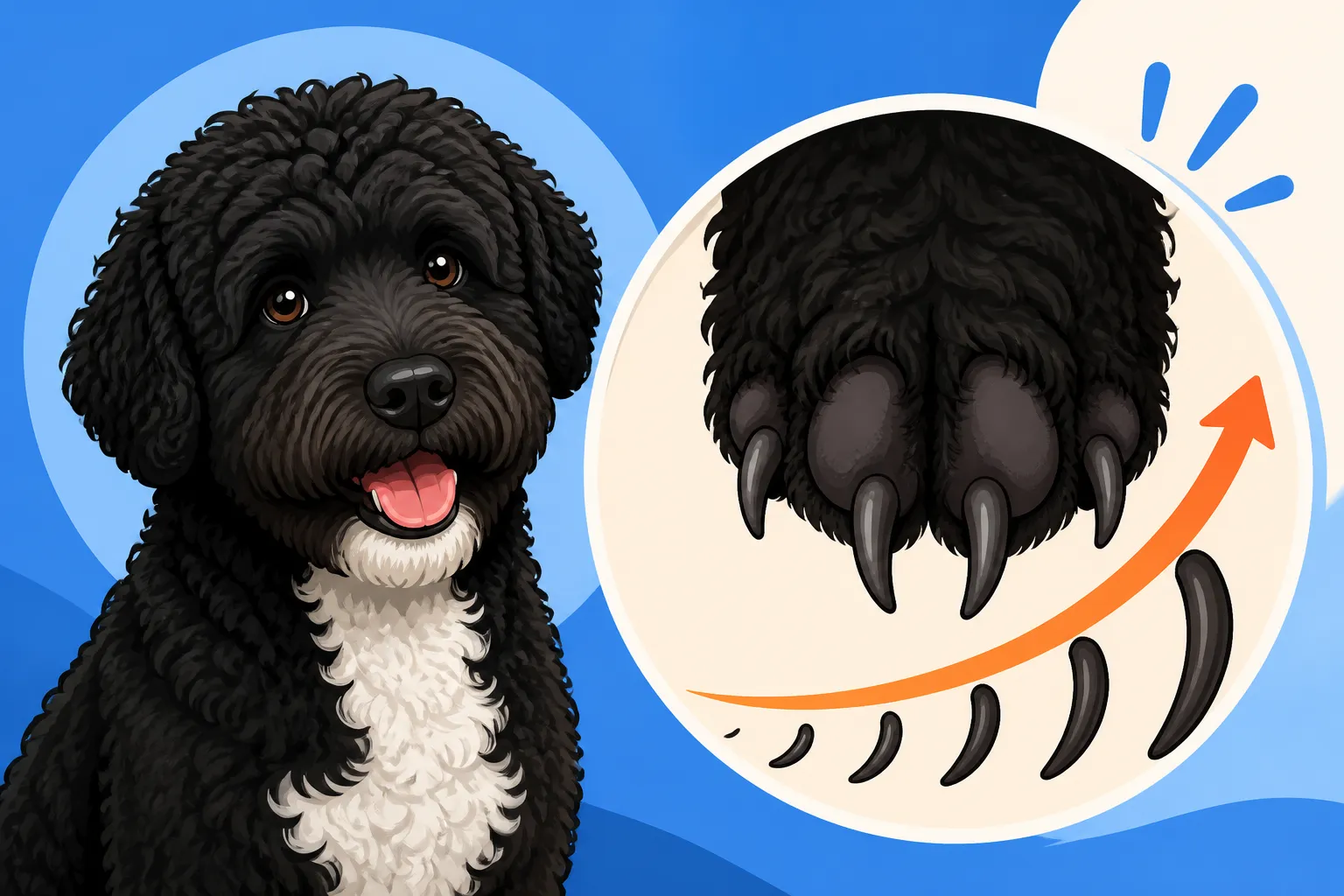
It’s a common frustration, isn't it? You clip your Portuguese Water Dog’s nails, and just a week or two later, you hear that familiar click-clack on the kitchen floor again, or worse, you notice them catching on carpets. It can feel like an endless battle to keep those nails at a healthy length, and many PWD owners wonder if their dog’s nails are growing at warp speed compared to other breeds. This comprehensive guide will dive into the factors influencing how fast a Portuguese Water Dog's nails grow, why it matters so much for their overall well-being, and how you can establish an effective nail care routine to keep your beloved water dog comfortable and healthy.
Understanding Your Portuguese Water Dog's Nail Growth Rate
When you think about the rate at which your Portuguese Water Dog’s nails grow, it’s not as simple as a universal speed limit. Several factors come into play, making each dog's experience a bit unique. It’s not just about the breed; it’s about their lifestyle, their environment, and even their individual physiology. Understanding these influences can help you anticipate and manage their nail care needs more effectively.
What Influences Nail Growth in PWDs
One of the biggest drivers of nail growth and wear in any dog, including the active Portuguese Water Dog, is their daily activity level and the types of surfaces they regularly traverse. Think about it: a PWD that spends hours each day running on pavement, hiking rocky trails, or swimming extensively might naturally wear down their nails more effectively than a dog whose exercise is primarily on soft grass or indoors. The abrasive nature of concrete or asphalt acts like a natural file, slowly grinding down the nail tips with every step. If your PWD is less active, or if their daily walks are mostly on soft ground, those nails aren’t getting that natural wear and tear, and they’ll appear to grow faster because they aren't being worn down.
Beyond physical activity, there are also genetic predispositions and overall health considerations at play. Just like in humans, some dogs naturally have nails that grow quicker or are more brittle, while others might have slower growth and tougher nails. This can often be an inherited trait, so if you've had multiple PWDs, you might notice patterns within a specific line. A dog's diet and general health can also play a subtle role. While not a direct accelerator of growth, a dog with nutritional deficiencies or certain metabolic conditions might have nails that are weaker, more prone to splitting, or that simply don't maintain their integrity as well, making them seem problematic more quickly. Ensuring your PWD is on a high-quality diet, perhaps one like those offered by Ollie, which focuses on fresh, nutritious ingredients, can contribute to overall health, including nail health. You can learn more about general feeding in What an Adult Portuguese Water Dog Eats.
Why PWD Nails Seem to Grow So Quickly
It can certainly feel like your Portuguese Water Dog’s nails are on a mission to conquer your floors! Part of this perception comes from their natural foot and coat structure. PWDs have dense, often curly or wavy coats, which can sometimes obscure the length of their nails until they become quite prominent. Their sturdy, well-webbed feet are built for water work, and while the webbing itself doesn't make nails grow faster, the overall compact, muscular structure of their paws means that overgrown nails can quickly become an impediment to their natural gait. It’s not just an aesthetic issue; it’s a functional one.
Furthermore, many modern Portuguese Water Dogs, even if active, don't live the exact same life as their ancestors who worked tirelessly on fishing boats, constantly scrambling on wooden decks and rough shorelines. While we still encourage plenty of exercise, and water activities are wonderful for their joints, as discussed in Why Swimming Protects a Portuguese Water Dog's Joints, the constant, varied physical demands that naturally kept nails short in working dogs are often absent in today's pet homes. The lack of constant natural abrasion means that regular human intervention is crucial. What might seem like "fast growth" is often just unchecked growth due to a lack of environmental wear and tear. It’s not that their nails are inherently growing faster than other breeds, but rather that their nails, like those of many active breeds, require consistent maintenance when not exposed to the environments that naturally keep them short.
The Risks of Overgrown Nails for a Portuguese Water Dog
Ignoring nail care is a slippery slope, and for an active, athletic breed like the Portuguese Water Dog, the consequences of overgrown nails can be quite serious. It's not just an unsightly problem; it directly impacts their comfort, mobility, and long-term joint health. As owners, it's our responsibility to understand these risks and act proactively to prevent them, ensuring our PWDs live their happiest, healthiest lives.
Pain and Structural Issues
Imagine trying to walk or run when your shoes are too small, constantly pushing your toes back. That’s a bit like what an overgrown nail feels like for your Portuguese Water Dog. When nails get too long, they hit the ground with every step, pushing back into the nail bed. This constant pressure can be incredibly uncomfortable, causing chronic pain. Your PWD might show subtle signs of discomfort, like being reluctant to walk, limping slightly, or even just shifting their weight differently, which can be difficult to spot in a breed known for its stoicism. If you've ever wondered How a Portuguese Water Dog Hides Pain, this is a classic example.
Over time, this discomfort leads to more significant structural problems. The nails act as levers, forcing the toes to splay out and changing the natural alignment of the paw. This altered gait then puts abnormal stress on the toe joints, wrists, elbows, and even the shoulders and hips. You might notice your PWD's feet looking flatter or wider, or their paws rolling inward. In the long run, this can contribute to conditions like arthritis and exacerbate existing joint issues, such as those discussed in Hips and Joints in a Portuguese Water Dog. The cumulative effect of years of walking on overly long nails can lead to chronic lameness and reduced quality of life, which is something no loving PWD owner wants for their adventurous companion.
Ingrown Nails and Infections
Beyond the structural problems, overgrown nails present a direct risk of ingrown nails and subsequent infections. This is particularly true for the dewclaws, which are the nails located higher up on the inside of the leg, similar to a thumb. Many PWDs have dewclaws on their front legs, and some even on their rear. Since these nails don’t make contact with the ground, they don't get any natural wear. If left untrimmed, they can grow in a full circle, eventually curving back into the soft paw pad. This is incredibly painful and can lead to deep, festering wounds that are prime targets for bacterial infections.
Even the regular toe nails, if allowed to grow excessively long, can become prone to trauma. They can snag on carpets, furniture, or rough terrain during outdoor adventures, leading to painful tears or even avulsions (when the nail is ripped off completely). Such injuries are not only agonizing for your dog but also create open wounds susceptible to infection, especially given the PWD's love for water. Moisture, dirt, and bacteria from swimming in lakes or oceans can easily infiltrate these wounds, leading to painful infections that require veterinary intervention, antibiotics, and sometimes even surgical treatment. Regular nail checks are a crucial part of the general care mentioned in What a Portuguese Water Dog Needs Every Day to prevent these preventable issues.
Essential Nail Care for Your Portuguese Water Dog
Keeping your Portuguese Water Dog's nails in tip-top shape isn't just a chore; it's a vital part of their overall health and happiness. With their active lifestyle and distinct paw structure, a proactive approach to nail care is non-negotiable. Establishing a consistent routine and using the right tools and techniques will make a world of difference for both you and your PWD.
Establishing a Regular Trimming Schedule
The golden rule for Portuguese Water Dog nail care is consistency. You might hear recommendations for once a month, but honestly, for most PWDs, especially those not running miles on pavement daily, that's often not enough. A more realistic and preventative approach is trimming or grinding their nails every 1-2 weeks. This frequency prevents the quick (the blood vessel and nerve within the nail) from growing too long, which makes subsequent trims easier and less stressful. If the quick extends too far, you can only take off tiny bits at a time, making the process drawn out. How Often a Portuguese Water Dog's Nails Need Trimming highlights this importance.
How do you know it's time? Listen. If you hear that distinctive "click-clack" on your hard floors when your PWD walks, their nails are too long. When your dog is standing, their nails should ideally not touch the ground at all. Visually, you want to see a clear space between the nail tip and the floor. Building this regular schedule into your routine, perhaps setting a reminder on your phone, can prevent nails from becoming overgrown. It's much less stressful to take off small amounts frequently than to tackle overgrown, thick nails in one session. Especially as they age, senior PWDs might need even more frequent checks, as their nails can become thicker and more brittle, as noted in Caring for a Portuguese Water Dog Past Nine.
Tools and Techniques for PWD Nail Maintenance
Choosing the right tools is half the battle. For Portuguese Water Dogs, many owners swear by a Dremel tool (a rotary grinder) over traditional clippers. Clippers, particularly scissor-style ones, can be effective but require a steady hand and a good eye for the quick. For PWDs with their often dark nails, seeing the quick can be challenging, increasing the risk of cutting too short, which is a painful experience that can make your dog dread future nail trims. This is why many gravitate towards a Dremel. Whether a Dremel Suits a Portuguese Water Dog's Nails often comes down to individual preference and your dog's temperament. Grinders remove small layers of the nail at a time, allowing for more control and a smoother finish, which is less likely to snag.
Regardless of your chosen tool, getting your Portuguese Water Dog comfortable with nail care is paramount. Start young, if possible. Introduce the clippers or grinder slowly, pairing the sight and sound with high-value treats. Don't force it. Touch their paws, then their nails, then briefly touch the tool to a nail, giving a treat. Gradually build up to actually trimming. If using a Dremel, let them hear the sound and feel the vibration without touching their paw. Keep sessions short, positive, and always end on a good note, even if you only managed one nail. Patience and positive reinforcement are key; a fearful dog will make the process much harder. Remember to also check and trim their dewclaws regularly, as these are often overlooked and can cause serious issues if they grow too long.
Professional Grooming and Prevention Strategies
Sometimes, despite our best efforts, professional help is the best option. If you're struggling to keep your Portuguese Water Dog's nails short, or if your dog has developed an aversion to nail trims, a professional groomer or veterinary technician can be a lifesaver. They have experience with all types of dogs and temperaments, specialized equipment, and can often get the job done efficiently and safely. This is particularly useful if the nails have become severely overgrown and the quick has extended, as a professional might be able to gradually recede the quick over a few sessions. Many local pet stores like Petco or independently owned grooming salons offer walk-in nail trim services, or you can often add it onto a full grooming appointment, which your PWD will need regularly for their coat anyway, as covered in How Often a Portuguese Water Dog Needs Clipping.
Beyond regular trimming, you can also implement strategies to help naturally wear down your PWD's nails. Encourage walks on abrasive surfaces like concrete sidewalks or asphalt paths, but be mindful of hot pavement in summer. Long walks or runs can do wonders for keeping nails shorter, tying into How Much Exercise a Portuguese Water Dog Needs. If your dog enjoys playing fetch in a paved area (supervised, of course), the constant stopping and turning can also help. Some owners even use specialized "scratch boards" – a piece of wood covered in sandpaper – to teach their dogs to file their own front nails, turning nail care into a fun game. Many of the tools and supplies you need, from Dremel replacements to paw balms, can be conveniently ordered from online retailers like Chewy or Amazon, making it easy to stay stocked up for your PWD's ongoing care.
| Factor | Impact on Nail Growth / Wear | Management Strategy |
|---|---|---|
| Activity Level | High activity on hard surfaces = more wear; Low activity on soft surfaces = less wear | Encourage walks on pavement, provide varied exercise |
| Diet & Overall Health | Healthy nails with good diet; Brittle nails with poor health | Feed high-quality food, ensure vet check-ups |
| Genetic Predisposition | Some dogs naturally grow nails faster | Consistent, frequent at-home care is essential |
| Age | Puppies grow fast; Seniors may have thicker, slower-growing nails | Adjust frequency/method as dog ages |
| Dewclaws | No natural wear, grow in circles if ignored | MUST be checked and trimmed weekly/bi-weekly |
Disclaimer
This article is for general informational purposes only and does not constitute professional advice. Laws, prices and regulations vary by location and change over time. Consult a qualified professional for guidance on your specific situation.