Whether a Portuguese Water Dog Worked as a Lifeguard
Many people wonder if the Portuguese Water Dog, with its undeniable love for water and incredible athleticism, actually served as a historical "lifeguard" on the fishing boats of Portugal. It's a romantic image, isn't it? A heroic dog, always on standby to save a sailor in distress. While their ancestors were indeed vital members of the crew, their specific roles were a bit different from what we typically imagine when we hear "lifeguard." This guide will delve into their true historical duties, explore the natural traits that do make them exceptional in the water, and look at how those instincts are channeled in modern activities.
The Myth vs. Reality: Was the Portuguese Water Dog a Lifeguard?
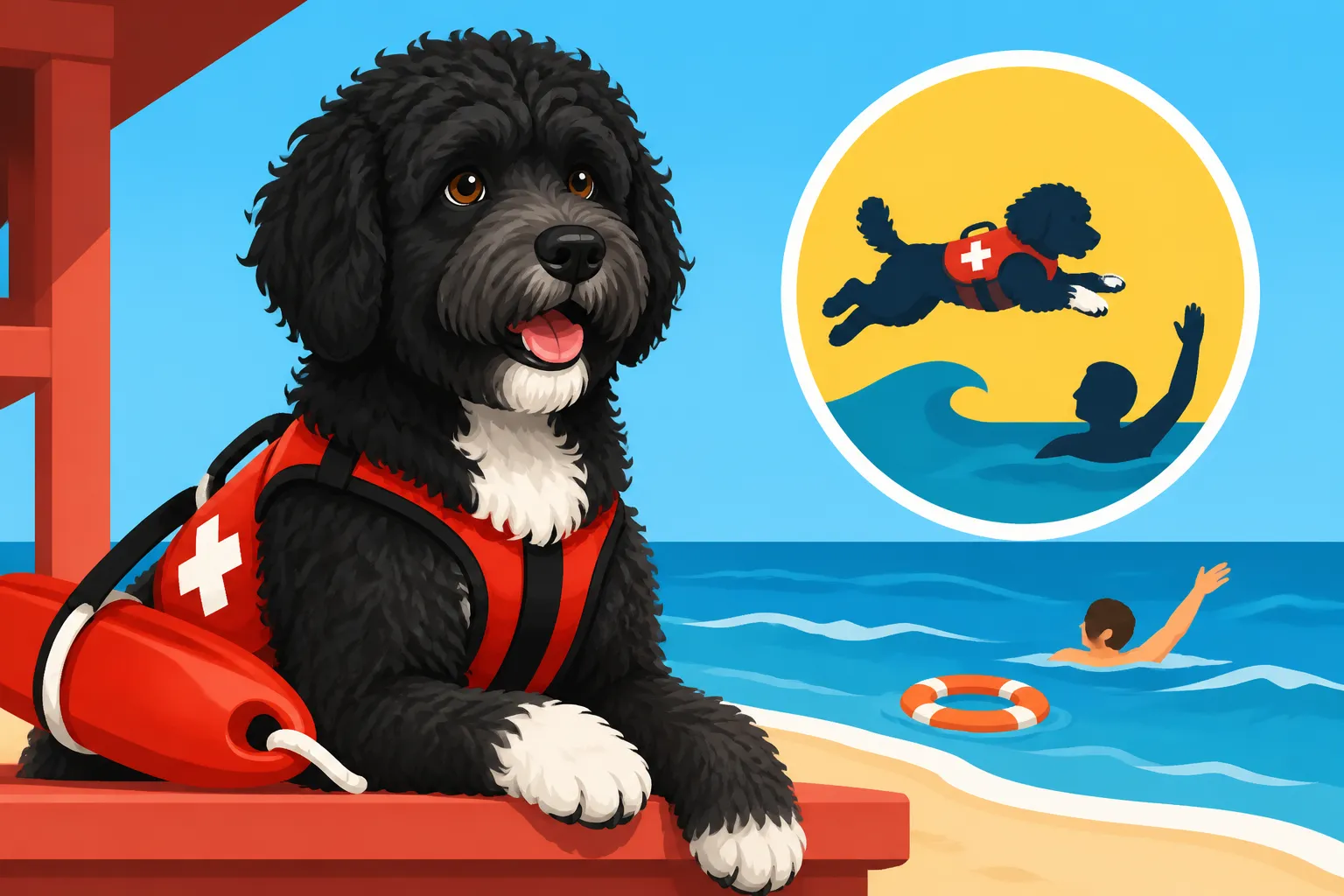
The idea of a Portuguese Water Dog (PWD) standing watch, ready to leap into action to save a drowning fisherman, is compelling. After all, they are absolute naturals in the water. But when we look at their historical occupation, the term "lifeguard" doesn't quite fit the picture, even if their presence undeniably enhanced safety for their human companions. It's more accurate to say they were invaluable, multi-skilled crew members whose work contributed to the overall well-being and success of the fishing expeditions.
Unpacking the "Lifeguard" Title
Historically, the Portuguese Water Dog's primary purpose was directly tied to the commercial success and operational efficiency of the fishing fleet. They weren't trained specifically for emergency rescue in the way a modern lifeguard is. Their job was practical, helping with tasks that made the fishermen's lives easier and more productive. While a dog's keen senses and swimming ability might have led to an accidental rescue now and then, it wasn't their designated role, nor were they formally trained for it. The idea of "lifeguard" implies a dedicated focus on human safety, which wasn't the main driving force behind their selection and breeding.
The fishermen valued these dogs for their intelligence and robust physical capabilities, allowing them to perform a variety of duties in often harsh conditions. They were partners in labor, not merely companions or rescuers of last resort. Their day-to-day work involved much more than waiting for a crisis. It was about keeping the fishing operation running smoothly, which indirectly kept everyone safer by preventing issues in the first place.
The True Maritime Heritage of the PWD
Let's talk about what these incredible dogs actually did on those ancient boats. Their lives were filled with purposeful work that showcased their aquatic prowess and quick wit. They were the original "multi-taskers" of the high seas.
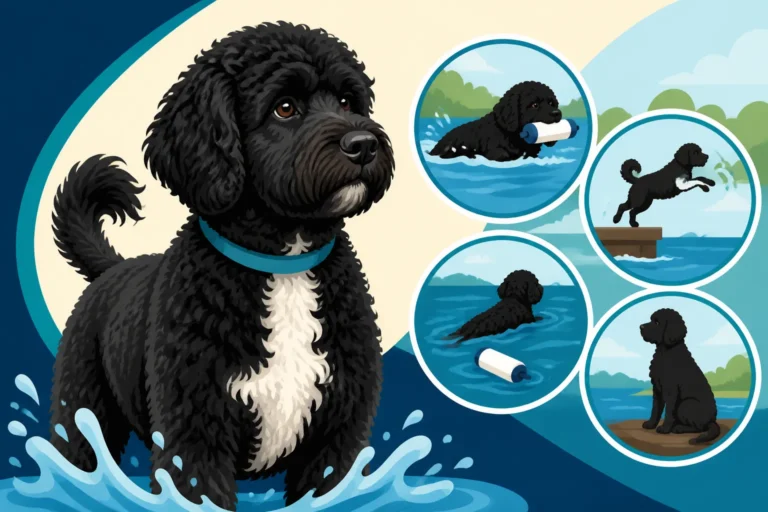
One of their most iconic tasks was retrieving lost gear. Imagine a fisherman losing a valuable net or a rope overboard in rough seas. It wasn't safe for a human to dive in, especially with cold water and strong currents. This is where the PWD shone. They would bravely jump in, locate the floating or semi-submerged equipment, and bring it back to the boat. This wasn't just helpful; it saved the fishermen money and time, making them indispensable. Their strong mouths and determination meant they could haul impressive weights back to the vessel. How a Portuguese Water Dog Worked a Net speaks to their direct involvement with the fishing process itself.
Beyond retrieval, they were known for herding fish into nets. This might sound unbelievable, but with their strong swimming ability and intelligent herding instincts, they could dive into the water and push shoals of fish towards the waiting nets, maximizing the catch. It was a remarkable collaboration between man and dog, truly demonstrating their unique skillset. They also acted as couriers, swimming between boats or from boat to shore with messages, often tucked into a waterproof container on their collar. Think of them as the original maritime mail service! Whether a Portuguese Water Dog Carried Messages Between Boats highlights this extraordinary aspect of their work.
The Portuguese Water Dog's Innate Qualities for Water Rescue
Even if their historical role wasn't officially "lifeguard," there's no denying that the Portuguese Water Dog possesses an impressive suite of physical and temperamental traits that make them inherently suited for water rescue scenarios. These aren't just good swimmers; they are truly built for the water from nose to tail, and their minds are just as engaged.
Physical Adaptations for Aquatic Excellence
A quick glance at a Portuguese Water Dog reveals a canine athlete designed for the sea. Their physical structure is a testament to centuries of working in challenging marine environments.
First and foremost are their famous webbed feet. These aren't just cute; they are highly functional, acting like natural paddles that provide incredible propulsion and maneuverability in the water. Why a Portuguese Water Dog Has Webbed Feet elaborates on this fascinating adaptation. This webbing allows them to move through water with surprising speed and efficiency, making them far more effective swimmers than many other breeds. A PWD in the water is a powerful sight, gliding with minimal effort thanks to these specialized paws.
Then there's their strong, thick tail, often described as a "rudder." When they're swimming, their tail is a key steering mechanism, helping them change direction quickly, maintain balance, and even propel themselves forward. Why a Portuguese Water Dog's Tail Works as a Rudder explains how this vital appendage functions, allowing them to navigate currents and retrieve objects with precision. This rudder-like action is crucial for complex water tasks, not just simple straight-line swimming.
Their distinctive coat, whether curly or wavy, is another amazing adaptation. It's a single coat, meaning it lacks an undercoat, but it's dense and water-resistant. This coat provides insulation in cold water and dries relatively quickly once they are out. This is a critical feature for a dog that spends hours in the sea; it prevents hypothermia and makes them more comfortable. How Long a Portuguese Water Dog Can Stay in Cold Water provides more insight into their cold tolerance. Their muscular, compact build, with deep chests and powerful hindquarters, further enhances their swimming prowess, giving them the stamina and strength needed for sustained effort in the water.
Temperamental Traits That Lend Themselves to Helping
Beyond their physical gifts, the PWD's personality and intelligence are equally important when considering their capabilities in a rescue-like role. These dogs aren't just brawn; they're brains too.
Portuguese Water Dogs are renowned for their intelligence and problem-solving abilities. They were bred to work independently, often out of sight of the fisherman, making their own decisions about how to retrieve a piece of gear or herd fish. This innate cleverness means they can assess situations, adapt to changing circumstances, and figure out how to accomplish a task. This critical thinking is paramount in any rescue scenario, where no two situations are exactly alike. They aren't just blindly following commands; they are actively engaging their minds.
They also possess a strong desire to please their handlers, coupled with a deep loyalty. While they are independent thinkers, they are also highly bonded to their people. This combination means they are trainable and willing to work closely, but can also act on their own initiative if they perceive a need. This drive to work with their human companions, to be a productive member of the team, fuels their enthusiasm for tasks, especially those involving water. Training a Portuguese Water Dog That Was Bred to Think for Itself really gets into the nuances of their independent nature.
Their endurance and stamina are legendary. A PWD could work all day on a fishing boat, swimming repeatedly, retrieving, and enduring the elements. This translates into an ability to sustain effort in emergency situations, whether it's a long swim to a distressed person or continued vigilance in challenging conditions. Lastly, their inherent boldness and lack of fear in the water mean they are rarely hesitant to enter even unfamiliar or turbulent waters, a crucial trait for any potential water rescuer. How Naturally a Portuguese Water Dog Swims speaks volumes about their comfort level in the aquatic environment.
Modern Water Work: Channeling Lifesaving Instincts
Today, while Portuguese Water Dogs aren't patrolling beaches as official lifeguards, their incredible instincts and abilities are still very much in demand. Modern enthusiasts channel these traits into a variety of organized sports, competitive trials, and even real-world search and rescue work, showcasing the breed's enduring connection to water and its powerful drive to work.
Organized Water Trials and Competitions
For many PWD owners, participating in water trials is a fantastic way to honor their dog's heritage and provide an engaging outlet for their talents. Organizations like the Portuguese Water Dog Club of America sponsor formal water trials that simulate the tasks their ancestors performed. These events aren't just fun; they require significant training and teamwork.
Dogs compete in various levels, performing exercises that include retrieving articles from the water, delivering messages (often a buoy or a bumper with a 'message' attached) to a handler in a boat or on shore, and even towing a dinghy. These tasks demand not only physical prowess but also mental focus, problem-solving, and a strong bond between dog and handler. It's a true test of their capabilities, mirroring the useful work they once performed. What a Water Trial Asks of a Portuguese Water Dog details the specific challenges and rewards of these competitions, highlighting the precision and skill required. Owners dedicate countless hours to training, often relying on high-quality equipment found on platforms like Amazon, from durable bumpers to specialized training vests.
Dock Diving and Other Water Sports
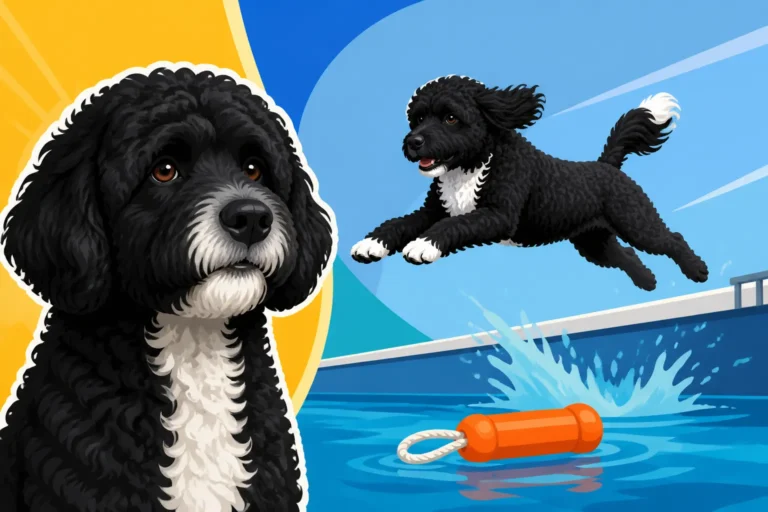
Beyond the traditional water trials, Portuguese Water Dogs excel in a multitude of contemporary canine water sports. Dock diving is particularly popular, where dogs run down a dock and leap into a pool or lake, competing for distance or height. PWDs, with their explosive power and love for retrieving, often become champions in this sport. It's an incredible display of their athletic abilities and pure joy for the water. Dock Diving and Water Trials With a Portuguese Water Dog covers the excitement and challenges of these dynamic sports.
Many PWDs also enjoy activities like canine surfing, paddleboarding, or simply retrieving endlessly in a lake or ocean. These activities might not be "work" in the traditional sense, but they provide invaluable mental and physical stimulation, keeping these active dogs happy and healthy. The sheer exuberance they show when engaging with water is infectious, and it's clear these dogs were born to splash and play. For owners seeking to refine their dog's water skills or general obedience, online training resources can be incredibly helpful. Platforms like BAXTER & Bella offer comprehensive programs that can guide owners through everything from basic commands to more advanced water retrieve work, ensuring a well-rounded and safe water dog.
Search and Rescue (SAR) Roles
While not specifically bred for human rescue in the same way some mountain breeds were for avalanche victims, the Portuguese Water Dog's inherent intelligence, stamina, and strong scenting ability make them excellent candidates for modern water-based search and rescue teams. They can be trained to locate people in the water, whether lost swimmers, victims of boating accidents, or even cadaver recovery.
This type of work requires extensive, specialized training far beyond basic obedience. Dogs must learn to differentiate human scent from other odors, navigate complex water environments, and work effectively with their human partners under stressful conditions. Their natural drive to retrieve and their fearlessness in water are huge assets. A PWD on a SAR team is a testament to the breed's versatility and intelligence, proving that their ancient instincts can be adapted to serve critical modern needs, demonstrating their capacity to be true helpers in crisis situations.
Equipping Your Water Dog for Safe Adventures
Whether your Portuguese Water Dog is a competitive water athlete, a devoted family swimming companion, or even a potential SAR candidate, ensuring their safety and maximizing their comfort during aquatic adventures is paramount. Proper gear and consistent training aren't just accessories; they are necessities for any water-loving PWD.
Essential Gear for Aquatic Dogs
Investing in the right equipment can make all the difference in your PWD's water experiences. A high-quality life jacket is, without a doubt, at the top of the list. Even the strongest swimmers can tire, encounter unexpected currents, or be injured. A well-fitting life jacket provides buoyancy, keeps their head above water, and often includes a handle for easy retrieval from the water or a boat. What a Life Jacket for a Portuguese Water Dog Costs might make you realize it's a small price to pay for peace of mind. Many excellent options are readily available through online retailers like Amazon, offering various sizes and features to suit your dog's build and your specific activities.
Beyond safety vests, consider specialized collars or harnesses designed for water use. These are often made from quick-drying, odor-resistant materials that won't chafe when wet. After a swim, particularly in saltwater or chlorinated pools, a thorough rinse and proper drying are crucial. A powerful force dryer, which you can also find on Amazon, is an invaluable tool for quickly drying their dense coat and preventing skin issues. What a Force Dryer Does for a Portuguese Water Dog highlights how essential these are for preventing matting and hot spots. Don't forget soft, absorbent towels – you can never have too many when you live with a water dog!
| Equipment Category | Why It's Essential for a PWD | Considerations |
|---|---|---|
| Life Jacket | Critical for safety, buoyancy, and easy retrieval in any water. | Ensure snug fit, bright color for visibility, durable grab handle. |
| Waterproof Collar/Harness | Prevents chafing, dries quickly, resists odor. | Choose non-absorbent materials like neoprene or coated webbing. |
| Force Dryer | Dries dense coat quickly, prevents matting, hot spots, and ear infections. | Invest in a good quality model; helps with deshedding too. |
| Ear Cleaner/Drying Solution | Prevents ear infections from trapped moisture. | Use vet-recommended products after every swim, especially for floppy ears. |
| Floating Toys/Retrieval Dummies | Enhances play, training, and maintains engagement in water. | Durable, bright colors, easy for the dog to pick up and carry. |
Responsible Training for Water Safety
While Portuguese Water Dogs are naturally drawn to water, responsible ownership means layering that natural ability with solid training. A dog might love to swim, but if they don't have a reliable recall around water, or understanding of boundaries, risks can arise.
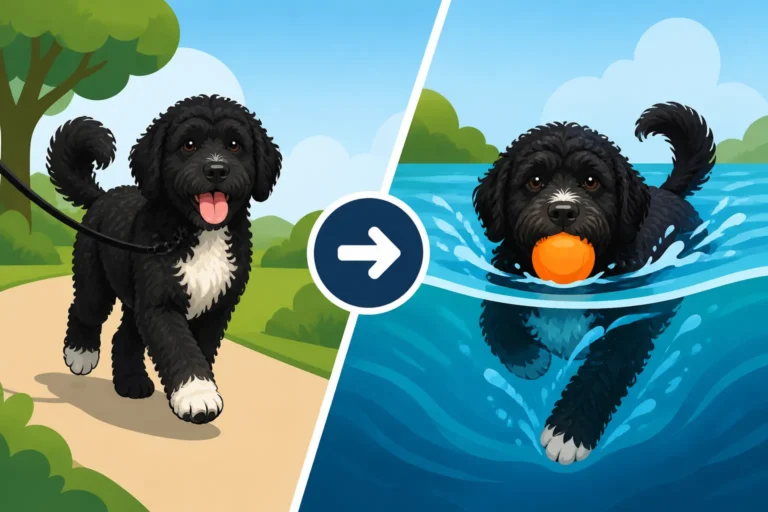
Begin with fundamental obedience on land, ensuring your PWD responds consistently to commands like "stay," "come," and "leave it." These commands become even more critical near bodies of water. Introduce your puppy to water gently and positively, building confidence gradually. Teaching a Portuguese Water Dog Puppy to Enter Water provides excellent guidance on making these initial experiences positive. Never force a dog into water; this can create a lifelong aversion.
As they mature and gain confidence, you can introduce more specific water training, such as retrieving specific objects on cue or waiting patiently on a dock until released. A strong "wait" command is invaluable if you're near open water or a boat launch. Reinforce positive behaviors with praise and high-value treats. For those looking for structured guidance, consider an online training program like BAXTER & Bella, which can provide a consistent framework for teaching your PWD good manners and specific skills, both in and out of the water. Their expert advice can help you develop a confident, well-behaved water dog who understands boundaries and safety protocols. Consistent positive reinforcement and patience will build a lifelong bond and ensure safe, enjoyable adventures for years to come.
In conclusion, while the Portuguese Water Dog wasn't an official "lifeguard" in the historical sense, their heritage as indispensable crew members who faced the perils of the sea alongside fishermen speaks volumes about their courage, intelligence, and deep connection to water. They rescued gear, herded fish, and carried messages—all critical tasks that often had life-saving implications. Their unique physical attributes and keen minds make them ideal partners for modern water sports, competitive trials, and even contemporary search and rescue efforts. Ultimately, their spirit of partnership and love for the water continues to make them truly exceptional dogs, embodying a legacy of strength, smarts, and unwavering loyalty.
Disclaimer
This article is for general informational purposes only and does not constitute professional advice. Laws, prices and regulations vary by location and change over time. Consult a qualified professional for guidance on your specific situation.