Whether a Portuguese Water Dog’s Muzzle Is Clipped
One of the most charming, yet often confusing, aspects of owning a Portuguese Water Dog is managing that glorious muzzle and its unique coat. Many new owners find themselves scratching their heads, wondering if they should clip that adorable beard or let it grow wild. It's a common dilemma, and the truth is, there's no single "right" answer for every PWD. This guide will dive deep into the world of PWD muzzle grooming, helping you understand the choices, the implications, and how to keep your water dog looking and feeling their best, whether they sport a magnificent natural beard or a neatly trimmed face.
Understanding the Portuguese Water Dog's Unique Muzzle and Its Coat
When you first meet a Portuguese Water Dog, especially a mature one, you're immediately drawn to that expressive face, often framed by what looks like a distinguished beard and mustache. This isn't just for show; it's a testament to their heritage and the unique qualities of their coat.
The Natural State of a PWD Muzzle
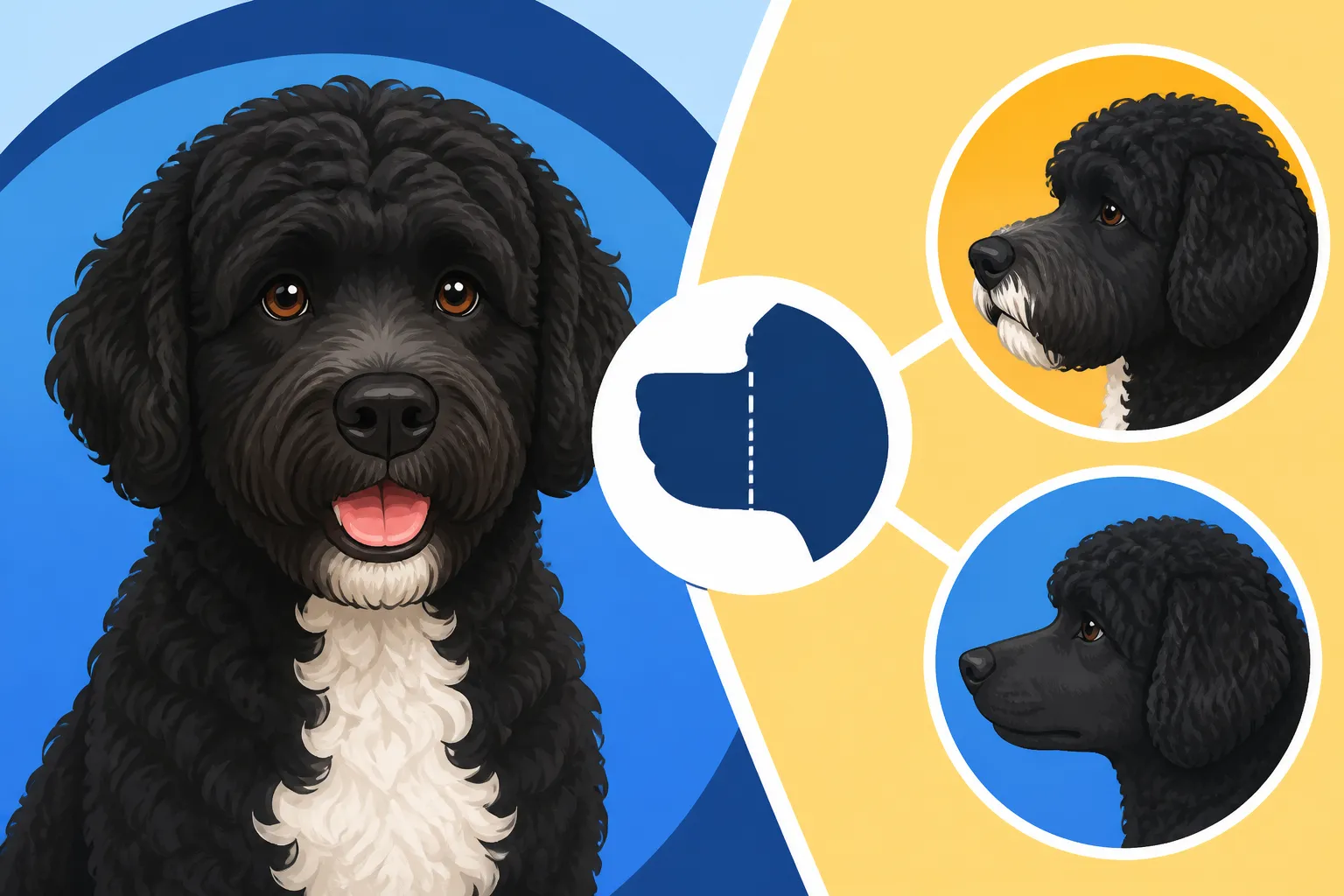
The Portuguese Water Dog's muzzle is a sight to behold, typically adorned with thick, dense hair that grows continuously, much like the hair on a human head. This isn't just some random fluff; it forms what many affectionately call the "beard" and "mustache," often extending over their chin and even giving them a bushy eyebrow look. This natural growth provides a layer of protection, especially when they're plunging into icy waters or rooting around for objects. Think of it as a natural shield against the elements, helping to protect their sensitive facial areas. It contributes immensely to their distinctive and lovable appearance, giving them that wise, somewhat mischievous expression we adore. It's a key part of what makes a PWD instantly recognizable, and understanding its natural growth pattern is the first step in deciding how to care for it.
The Importance of the PWD's Coat Type
Unlike many breeds with double coats that shed seasonally, Portuguese Water Dogs have a single coat that grows continuously. This is why they are often considered a good choice for people with allergies, though no dog is truly hypoallergenic. This continuous growth means that without regular grooming, the coat will mat, and that includes the hair around their muzzle. Whether your PWD has a curly or wavy coat, this principle applies. A curly coat might appear denser and more prone to tangling, while a wavy coat might look shaggier, but both will continue to grow and can become quite long around the muzzle if left untrimmed. This constant growth is central to the debate about whether to clip or leave the muzzle natural, as both options require consistent care, just in different ways. For more on this, you can check out Curly or Wavy: the Two Portuguese Water Dog Coats.
Grooming Choices: To Clip or Not to Clip the Muzzle
This is the big question many PWD owners grapple with. The decision to clip or not clip your Portuguese Water Dog's muzzle often comes down to a blend of aesthetics, practicality, and lifestyle. There's no right or wrong answer, but understanding the implications of each choice can help you make the best decision for you and your furry companion.
The "Unclipped" or Natural Muzzle
Many Portuguese Water Dog enthusiasts, particularly those involved in conformation showing or who simply love the traditional look, opt to leave the muzzle completely natural. This means allowing the beard, mustache, and eyebrows to grow to their full length, which can be quite substantial. The natural muzzle emphasizes the breed's rugged, working dog appearance and is an integral part of the breed standard when presented in the show ring, especially with the classic "Lion Clip." The idea behind this traditional look is that the full coat provides insulation and protection in cold water, mimicking their historical role on fishing boats.
However, a natural muzzle isn't a "set it and forget it" option. Far from it! That magnificent beard can become a magnet for food, dirt, and water. After every meal, you'll find bits of kibble, slobber, or even wet food clinging to the whiskers. If your PWD is a fan of dipping their face in their water bowl (and let's be honest, most are!), that long beard will soak up water like a sponge, leading to drips all over your floor and furniture. Regular cleaning is absolutely essential to prevent matting, skin irritation, and odors. This means wiping their face after eating, gently rinsing and drying their beard after swims or messy play, and brushing it regularly to keep tangles at bay. Some owners even invest in elevated food bowls or specialized water bowls designed to keep long muzzles drier. You might find a good selection of these on Amazon or Chewy.
Reasons for Clipping the Muzzle
On the other side of the coin, many pet owners choose to trim or clip their Portuguese Water Dog's muzzle, and for very good reasons. The primary motivation is often practicality and hygiene. A shorter muzzle cut can drastically reduce the amount of food debris and water that collects on their face. This means less mess around the house, fewer drips after drinking, and a generally cleaner-looking dog. If you've ever dealt with a PWD's beard that constantly drags through their food or water, you know the struggle is real!
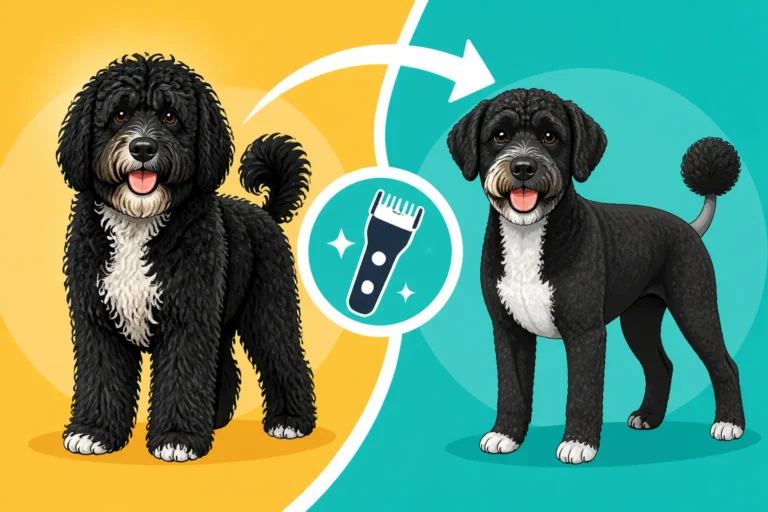
A clipped muzzle can also prevent mats from forming around the mouth area, which can be incredibly uncomfortable for your dog if left unattended. Mats near the mouth can pull on the skin, cause irritation, and even make eating and drinking difficult. For active dogs that are constantly swimming or playing outdoors, a shorter muzzle can be a game-changer in terms of ease of maintenance. While show dogs often adhere to the natural muzzle, the "Retriever Clip," a more uniform, all-over trim, is a very popular choice for pet PWDs and often includes a neatly trimmed muzzle. This clip keeps the coat at a practical length while still showcasing the PWD's natural curls or waves. Many owners find that a slightly shorter muzzle simply makes daily life with their energetic water dog much easier and more sanitary. You can read more about The Retriever Clip Is the Coat Most Portuguese Water Dogs Wear.
Professional Grooming Standards vs. Pet Ownership
It’s important to distinguish between the grooming standards for show dogs and the practical needs of a family pet. For a Portuguese Water Dog destined for the conformation ring, the breed standard generally dictates that the hair on the head, including the muzzle, should be left natural. Any clipping or trimming of the muzzle, beyond neatening stray hairs for health or safety, might be considered a fault by a judge. The traditional Lion Clip, for instance, involves shaving the hindquarters but leaving the muzzle and head full to protect vital organs and improve swimming efficiency, with a distinctive tail plume.
However, if your PWD is a beloved family member whose primary job is to be a wonderful companion, you have a lot more freedom. You are not beholden to show ring aesthetics. Your main concern should be your dog's comfort, health, and your own ability to maintain their coat. A professional groomer who is familiar with the breed can offer advice on a muzzle trim that looks good, is easy to maintain, and suits your dog's activity level. They understand that a pet owner's priorities are often different from those of a show handler, and they can execute a neat, practical clip that keeps your dog comfortable and hygienic without sacrificing their PWD charm. Don't feel pressured to keep a full, messy beard if it's causing you stress or your dog discomfort. Your groomer is there to help you find a happy medium.
Practical Approaches to Muzzle Grooming for Your PWD
Whether you decide to embrace the full, natural beard or opt for a neater, trimmed muzzle, consistent care is key. Grooming a Portuguese Water Dog is a commitment, and the muzzle is no exception. Let's break down how to manage both approaches effectively.
Maintaining a Natural Muzzle
If you've decided to let your PWD's beard and mustache flourish, prepare for a bit of extra maintenance. The goal here is to keep the long hair clean, tangle-free, and healthy.
- Daily Wiping and Rinsing: After every meal, gently wipe your dog's muzzle with a damp cloth to remove any food residue. After a swim or a particularly messy drink, a quick rinse under lukewarm water (and thoroughly drying!) will prevent the beard from becoming a damp, smelly mat. Make sure to get all the way to the skin.
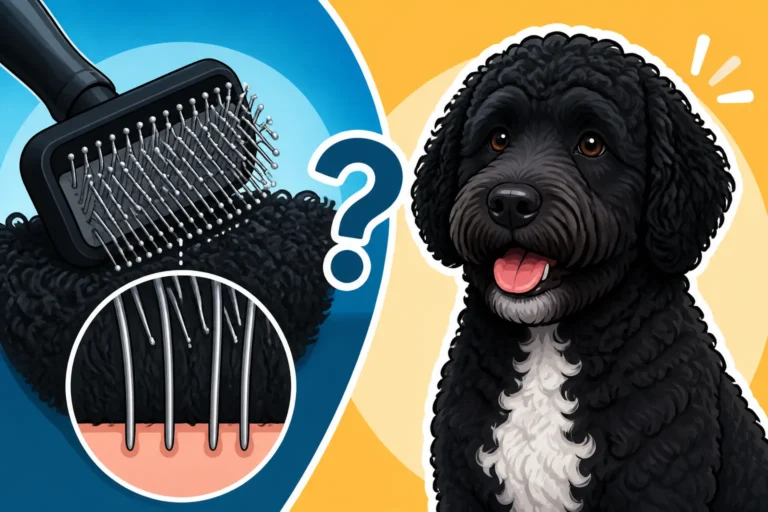
- Regular Brushing: Use a slicker brush and a comb designed for long hair to gently work through the beard a few times a week. Pay close attention to the areas around the mouth and under the chin, as these are prime spots for tangles. Always brush down and out from the skin, not just over the top of the coat. A good metal comb from a retailer like Amazon can help you find small mats.
- Water Management: Consider specialized water bowls that help keep long ears and beards dry. Some bowls have a narrower opening, while others have a sloped design that encourages drinking from the middle. If your dog is a big "face dipper," you might even need to towel dry their beard every time they take a drink.
- Snack Awareness: Be mindful of the types of treats you give. Sticky or crumbly treats are more likely to get caught in a long beard, so opt for cleaner, firmer options whenever possible.
- Trim for Hygiene (Selective): Even with a natural muzzle, you might find it necessary to carefully trim a few hairs around the very edge of the lips to prevent constant dampness or to clear the line of sight if hair is falling into their eyes. Use blunt-nosed scissors for safety, and only trim what is absolutely necessary for hygiene.
How to Safely Trim or Clip the Muzzle (If You Choose To)
If a neater, easier-to-maintain muzzle is more your style, here's how you can approach it, either at home or with your groomer.
- Gather Your Tools: You'll need a good quality pair of dog grooming clippers with various blade lengths, blunt-nosed scissors for delicate areas, a fine-toothed comb, and a force dryer (these are invaluable for PWDs, even if just used for the face!). Make sure your clippers are sharp and well-oiled to prevent pulling. Amazon or other pet supply retailers like Chewy offer a wide range of reliable clippers.
- Start with a Clean, Dry Dog: Always begin grooming with a freshly bathed and completely dry PWD. Their coat should be brushed out and free of tangles. This ensures an even cut and protects your blades. For tips on drying, check out Drying a Portuguese Water Dog After Every Swim.
- Introduce Clippers Slowly: If your dog isn't used to clippers, introduce them gradually with positive reinforcement. Let them sniff the clippers (off), then turn them on briefly, rewarding calm behavior. Start with a non-sensitive area first before moving to the face.
- Choose Your Length: Decide how short you want the muzzle hair. A longer guard comb will leave more hair, while a shorter one will give a cleaner look. Many owners aim for a length that keeps the beard neat but still gives some PWD character.
- Clipping Technique:
- Muzzle Top and Sides: Gently hold your dog's head steady. Using a #7F or #10 blade (or a longer guard comb over a #30 blade for more length), carefully clip with the grain of the hair, starting from just under their eyes and working down towards the nose and sides of the muzzle. Be incredibly careful around their eyes, nose, and lips. Stretch the skin taut to avoid nicks.
- Under the Chin/Beard: For the "beard" area, you can use the same blade length, clipping against the grain for a closer shave or with the grain for a tidier but still present look. Take your time, working in small sections.
- Tidying with Scissors: Use blunt-nosed scissors for any stray hairs around the eyes or mouth that the clippers missed, or to create a more natural line. Be extremely cautious.
- Whiskers: Generally, whiskers (vibrissae) are left intact unless there's a medical reason to trim them. They are important sensory organs. If you're clipping, be careful not to snip them off entirely. Focus on the coat around the whiskers.
- Positive Reinforcement: Keep grooming sessions short and positive, with lots of praise and treats. If your dog gets stressed, take a break. Consistency is key for them to get used to the process.
Seeking Professional Grooming Advice
If you're new to PWD grooming, or if you simply prefer to leave it to the experts, a professional groomer is your best friend. They have the tools, expertise, and experience to handle even the most challenging coats.
- Finding a PWD-Experienced Groomer: Look for a groomer with experience with Portuguese Water Dogs or other dense, non-shedding coated breeds like Standard Poodles. They'll understand the coat texture and common issues.
- Clear Communication: Always communicate your preferences clearly. Bring photos if you have a specific look in mind. Explain whether you want a natural muzzle or a clipped one, and what length you're aiming for. Discuss any specific concerns, like matting history or skin sensitivities.
- Regular Appointments: To maintain a tidy muzzle, and the rest of their coat, regular professional grooming every 6-8 weeks is usually recommended. This prevents extreme matting and keeps your dog comfortable. For more on how often your PWD needs professional grooming, check out How Often a Portuguese Water Dog Needs a Groomer.
Common Muzzle Grooming Misconceptions and Concerns
Navigating the world of Portuguese Water Dog grooming can feel a bit like sifting through old fishing nets – a lot of tangle and confusion! Let's clear up some common misconceptions and address concerns about muzzle grooming.
Impact on Whiskers and Sensation
One of the most frequent concerns I hear from owners, especially those new to the breed, is about clipping their dog's whiskers. It's a completely valid worry because whiskers, or vibrissae, aren't just decorative hairs. They are highly sensitive tactile organs deeply rooted in nerve-rich tissue, acting like a dog's sixth sense. They help PWDs navigate in low light, assess narrow openings, and even sense changes in air currents.
Here's the distinction:
- Trimming the coat around the whiskers: This is generally fine and often necessary for hygiene or aesthetics. You're not cutting the actual whisker, just the hair surrounding it. Think of it like a human getting a haircut – your hair gets shorter, but your sensory nerves aren't affected.
- Clipping the whiskers themselves: This is usually something to avoid. If you accidentally snip a whisker, it won't permanently damage your dog, but it will temporarily reduce their sensory input, potentially making them feel a little disoriented or less aware of their immediate surroundings. Imagine trying to walk through a dark room without being able to feel your way around. While not painful, it's not ideal for their navigation and perception. Most groomers are trained to be very careful around whiskers, and if you're trimming at home, using blunt-nosed scissors and extreme caution is paramount. The general rule of thumb is to leave the actual whiskers alone, focusing your trimming efforts on the coat around them.
The Myth of the "Hypoallergenic" Muzzle
You've probably heard that Portuguese Water Dogs are "hypoallergenic," and while they do tend to be better tolerated by allergy sufferers due to their single, non-shedding coat, it's a common misconception that clipping their muzzle somehow enhances this quality. Let's be clear: no dog is truly 100% hypoallergenic. The allergens dogs produce (dander, saliva, urine) are present regardless of their coat length or whether their muzzle is clipped.
Clipping the muzzle primarily addresses hygiene and aesthetic preferences, not allergen reduction. A shorter muzzle might drip less water, which could theoretically mean less allergen-laden saliva distributed around your home, but the fundamental allergen production remains. The key to managing allergies with a PWD, whether their muzzle is long or short, lies in regular bathing, thorough drying, and consistent brushing of their entire coat to remove dander. So, while a trimmed muzzle can certainly make for a cleaner dog and a tidier house, don't expect it to magically solve severe allergy issues. The breed's inherent coat type is what makes them "hypoallergenic," not a specific grooming style. If you want to know more, you can read How Portuguese Water Dog Is Hypoallergenic.
Health and Hygiene Benefits of a Well-Maintained Muzzle
Regardless of whether you choose a natural or a clipped muzzle, one thing is non-negotiable: proper maintenance. A well-cared-for muzzle isn't just about looking good; it's about your Portuguese Water Dog's health and comfort.
- Preventing Skin Irritation and Infection: Long, damp hair around the mouth can create a breeding ground for bacteria and yeast, leading to skin irritations, rashes, or even infections. Food particles trapped in a beard can also ferment, causing an unpleasant odor and skin issues. Regular cleaning and thorough drying, especially after swims or meals, are crucial. This applies equally to a short muzzle, which still needs to be kept clean, though it will dry faster.
- Comfort and Eating: Mats in the beard can pull on the skin, making it painful for your dog to eat, drink, or even open their mouth fully. Imagine having a tangle constantly tugging at your face! A clean, well-groomed muzzle ensures your PWD can enjoy their food without discomfort. This is particularly important for dogs who love to retrieve or carry things, as discomfort around the mouth can impact their natural instincts.
- Odor Control: Let's face it, a wet, food-encrusted beard can get pretty stinky! Regular grooming eliminates these odors, keeping your PWD smelling fresh and clean.
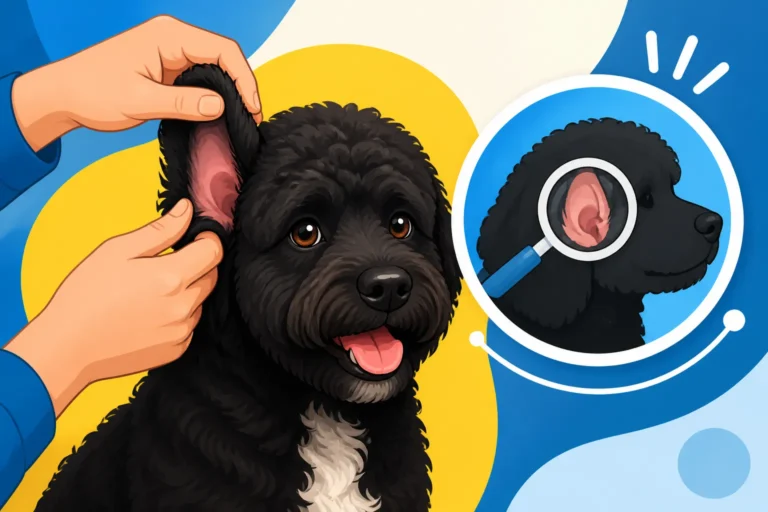
- Early Detection of Issues: Routine muzzle care allows you to regularly inspect the skin around your dog's mouth, lips, and chin. You can spot any lumps, bumps, sores, or dental issues much earlier, leading to prompt veterinary attention if needed. This proactive approach is a cornerstone of good pet ownership.
So, whether you decide to let that magnificent beard flow or keep it neatly trimmed, remember that consistent attention to your PWD's muzzle is a critical part of their overall well-being. It's an act of love that keeps them healthy, happy, and ready for whatever watery adventures come their way.
Here’s a quick overview of the pros and cons to help you decide:
| Feature | Natural Muzzle (Unclipped) | Clipped Muzzle (Trimmed) |
|---|---|---|
| Appearance | Traditional, rugged, distinct "beard & mustache" look | Cleaner, neater, more streamlined |
| Hygiene | Prone to collecting food/water, requires diligent cleaning | Easier to keep clean, less food/water accumulation |
| Matting Risk | Higher risk of matting without daily brushing | Lower risk of matting around the mouth |
| Maintenance | Daily wiping, frequent brushing, careful drying | Less frequent wiping/brushing of muzzle hair |
| Drips/Mess | More prone to water drips and food debris around the house | Significantly reduces drips and food mess |
| Show Ring | Required for conformation showing | Generally not permitted for conformation showing |
| Comfort | Can be uncomfortable if matted; otherwise natural | Can be more comfortable for active, messy eaters |
| Whiskers | Typically left fully intact | Can be accidentally trimmed if not careful |
Disclaimer
This article is for general informational purposes only and does not constitute professional advice. Laws, prices and regulations vary by location and change over time. Consult a qualified professional for guidance on your specific situation.