Where a Portuguese Water Dog Mats First
You've just brought home your gorgeous Portuguese Water Dog, or perhaps you've had one for a while and are starting to notice little tangles turning into solid felt. The reality of living with these amazing dogs is that their beautiful, non-shedding coats, while wonderful for allergy sufferers, are absolute magnets for mats. It's a common frustration, and you're certainly not alone in wondering where on earth these stubborn knots seem to appear first and how to stop them. This guide is here to walk you through the primary culprits and how to tackle them head-on.
Understanding the Portuguese Water Dog Coat
Let's be honest, that glorious, water-resistant coat is one of the main attractions of the Portuguese Water Dog. But it's also the source of much head-scratching when it comes to grooming. Unlike dogs that shed their undercoat, the PWD's single layer of hair just keeps growing, intertwining, and forming those notorious mats if not properly maintained.
The Two Coat Types: Curly vs. Wavy
Portuguese Water Dogs come in two distinct coat types: curly and wavy. While both are beautiful and functional for their aquatic heritage, they each have their own nuances when it comes to matting. The curly coat is often described as tight, dense curls, almost like a lamb's fleece, whereas the wavy coat tends to be softer, more flowing, with gentle waves rather than tight spirals.
You might think one would be easier than the other, but the truth is both require diligent care. The curly coat, with its tighter texture, can trap shed hair (yes, even non-shedding dogs lose a few strands!) and debris more effectively, leading to mats forming deep within the coat, close to the skin. The wavy coat, being a bit looser, might seem less prone on the surface, but its longer strands can tangle and knot more readily, especially when wet, forming wider, flatter mats that are equally challenging to remove. Understanding How a Curly Coat Differs From a Wavy Coat is the first step in tailoring your grooming approach.
Why PWD Coats Are Prone to Matting
The primary reason Portuguese Water Dog coats are so prone to matting is their unique structure. They have a single coat, meaning no insulating undercoat, but the hair itself is incredibly dense and designed to repel water. This density, combined with the fact that the hair doesn't shed in the traditional sense, means that any loose hairs get caught within the growing coat. Imagine trying to untangle a ball of yarn that's constantly having new strands added to it, all while it's getting wet and rubbing against things – that's essentially what's happening on your PWD!
This isn't a fault of the breed; it's simply a characteristic that comes with the territory of having a dog bred for water work. Their coat needs to protect them in cold water, and that means being thick and water-resistant. Unfortunately, this protective quality also makes it highly susceptible to matting if not regularly brushed and maintained. It's a trade-off, and one that dedicated PWD owners learn to manage with patience and the right tools.
The Shedding Myth and Reality
One of the big reasons people choose a Portuguese Water Dog is the promise of a "non-shedding" coat. While it's true they don't shed like a Labrador or a German Shepherd, leaving tumbleweeds of hair around your house, it's a bit of a myth to say they don't shed at all. The reality is that individual hairs still complete their growth cycle and fall out.
However, because the coat is so dense and curly/wavy, these loose hairs don't fall to the floor. Instead, they get trapped within the surrounding healthy hair, forming the core of what will eventually become a mat. This is why regular brushing is absolutely non-negotiable for a PWD. You're not just smoothing out the coat; you're actively removing those trapped, dead hairs before they have a chance to tangle with others and create felted knots. This is crucial for preventing mats before they even have a chance to start.
Common Matting Hotspots: Where Trouble Begins
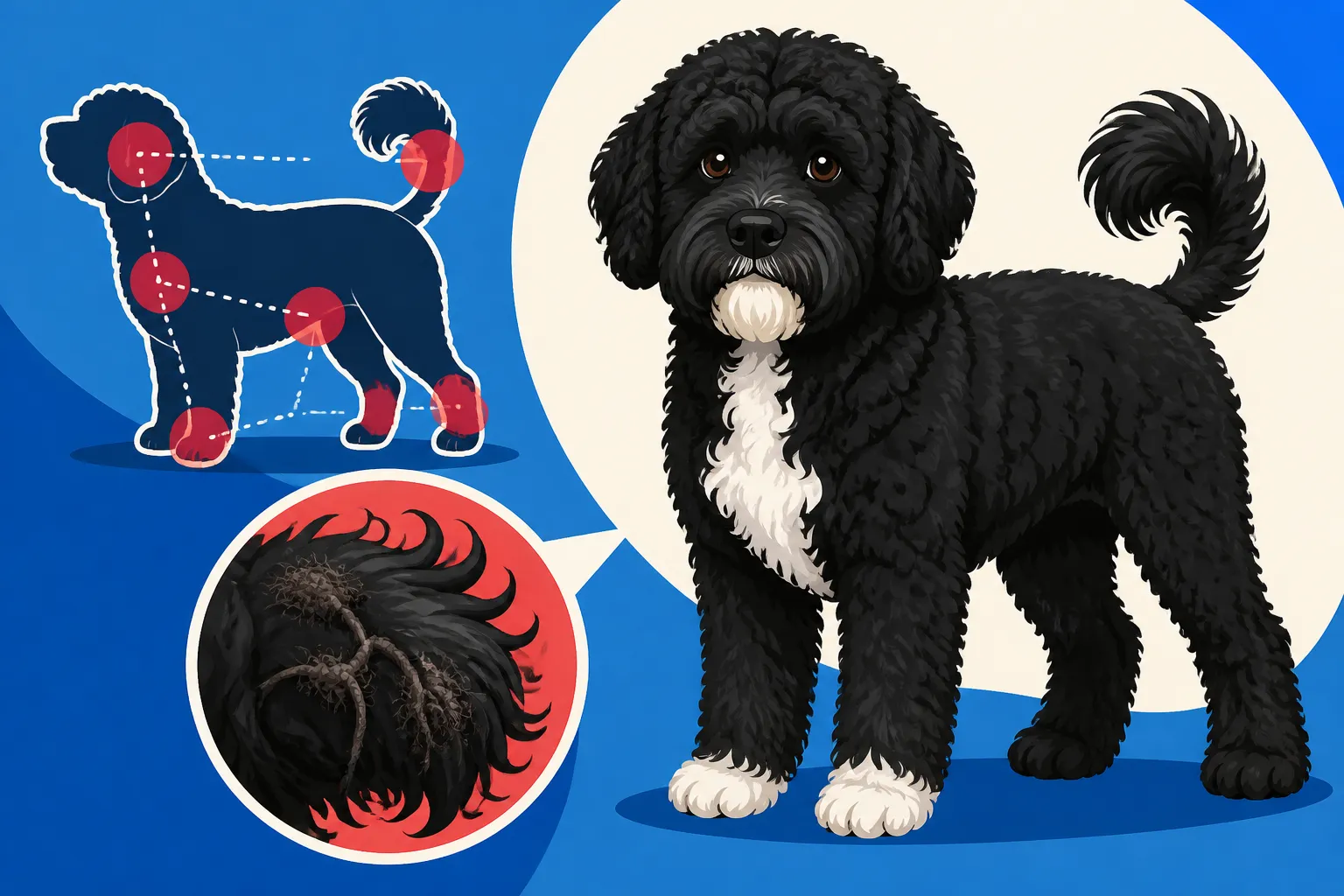
Knowing why they mat is one thing, but knowing where to focus your efforts is key. Portuguese Water Dogs have certain areas that are notorious matting hotspots due to friction, moisture, and the natural movement of their bodies. These are the places you'll need to pay extra attention to during your grooming sessions.
Behind the Ears and Neckline
Ah, the dreaded area behind the ears! This is almost universally the first place a Portuguese Water Dog will start to mat. Why? There are a few reasons. First, the hair here is often finer and softer than on the rest of the body, making it more prone to tangling. Second, there's a lot of movement. Your dog is constantly tilting its head, scratching, and interacting with you or other objects, creating friction that quickly turns soft hair into tight knots.
Think about how often you gently scratch your PWD behind the ears – that movement alone can start the process. Combine that with the natural oils from the skin, and you've got a perfect storm for matting. These mats can quickly become painful, pulling on the skin, so it's vital to check this area daily, feeling right down to the skin to catch any nascent tangles. You can almost guarantee that if you find a mat, it started here. Regularly checking Where a Portuguese Water Dog Mats Behind the Ears will save you a lot of heartache.
Under the Harness or Collar
Just like behind the ears, any area where there's constant friction or pressure is a prime candidate for matting. This means the areas under your PWD's collar and, especially, under their harness are incredibly vulnerable. The repeated rubbing of the strap against the coat can quickly work strands of hair together, tightening them into dense, painful mats.
If your dog wears a harness for walks, pay close attention to the chest, armpits, and along the back where the straps sit. Taking the harness off when not in use is a good start, but even then, the occasional friction from putting it on and taking it off, combined with movement during walks, can cause issues. Always check these areas thoroughly after removing the harness, making sure to lift the coat and feel for any compressed or tangled sections. This is a common issue, and understanding Whether a Portuguese Water Dog Mats Under the Harness is important for preventative care.
Legs, Armpits, and Groin
The legs, armpits, and groin areas are other high-traffic zones for matting, often catching owners off guard. The hair on the legs, particularly around the "feathers" if left longer, can easily pick up burrs, twigs, and dirt, all of which contribute to tangles. When your PWD runs or plays, the constant flexion and extension of their joints cause friction, particularly in the armpits and groin.
These areas are also prone to moisture retention. If your dog has been swimming or playing in wet grass, these tucked-away spots might not dry as thoroughly or quickly as the rest of the body, which can exacerbate matting. Because these areas are sensitive, mats here can be particularly uncomfortable and restrict movement. It's often a good idea to keep the hair in the armpits and groin a little shorter with a careful trim to minimize matting and maximize comfort for your active PWD.
The Impact of Water and Lifestyle on Matting
The Portuguese Water Dog was, quite literally, bred to be in the water. It's in their name, it's in their history, and it's often why we love them so much. However, their affinity for all things aquatic also plays a significant role in their coat care and potential for matting.
Swimming and Its Effect on the Coat
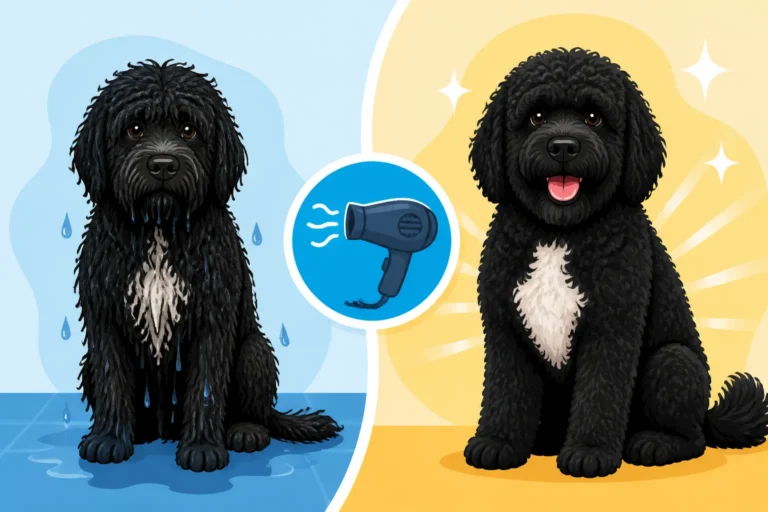
For a Portuguese Water Dog, a swim is pure joy. For their owner's grooming routine, it's a call to action. While their coat is designed to repel water, it certainly gets thoroughly soaked. When a PWD's coat gets wet, especially without proper prior brushing, any existing tangles or loose hairs tighten and compact. It's like wet wool shrinking. This makes nascent mats much harder to brush out and can turn a minor tangle into a solid, impenetrable felt mat in no time.
Imagine jumping into a pool with tangled hair – it becomes even more tangled when wet, right? The same principle applies here, but with denser, curlier hair. After every swim, a thorough rinse and a diligent drying and brushing routine are crucial. Ignoring it, even once, can set you back days in your grooming efforts. How Long a Portuguese Water Dog Takes to Air Dry can be surprising, and it often leads to mats if not properly managed.
Saltwater, Chlorine, and Lake Water
It's not just the wetness itself, but also what's in the water that can impact your PWD's coat. Saltwater, while natural, can be quite drying to a dog's coat, just as it is to human hair. This dryness can make the individual hairs more brittle and prone to breakage and tangling, leading to mat formation. Similarly, chlorinated pool water can strip natural oils from the coat, potentially leading to dryness and dullness, making it more susceptible to matting.
Lake water, on the other hand, often contains fine silt, algae, and organic debris that can get easily caught in the dense coat. This organic matter then acts like glue, binding hairs together and accelerating the matting process. Regardless of the water source, always rinse your PWD thoroughly with clean, fresh water after any aquatic adventure. This helps wash away salt, chlorine, or debris, and then you can proceed with proper drying and brushing. Thinking about Whether Salt Dries a Portuguese Water Dog's Coat Into Mats is a key consideration for beach-loving PWDs.
Activity Levels and Coat Friction
A Portuguese Water Dog is an active, energetic breed that thrives on exercise and having a "job" to do. This wonderful energy, however, contributes to matting. Whether they're romping in the park, playing with other dogs, or navigating dense underbrush on a hike, all this movement creates friction against their coat.
Think about areas where their legs rub against their body, where they roll on the ground, or where they brush past bushes. Each of these actions can cause the hair to intertwine and tangle. The more active your PWD, the more vigilant you need to be with your grooming. An hour-long hike through tall grass can easily result in dozens of tiny mats if the coat isn't prepared and checked afterward. Their active lifestyle isn't a problem, it's just a factor that needs to be accounted for in their regular care.
Preventing Mats: Proactive Grooming Strategies
The best way to deal with mats is to prevent them from forming in the first place. This means establishing a consistent and effective grooming routine. It might seem like a lot of work initially, but a few minutes of daily care will save you hours of struggle and potential discomfort for your beloved PWD down the line.
The Daily Brushing Routine
For a Portuguese Water Dog, "daily brushing" isn't just a suggestion; it's a commandment. Seriously. Even if you think their coat looks fine, a quick, thorough brush every single day is the most effective preventative measure against mats. This isn't about just skimming the surface; it's about getting right down to the skin with your brush and comb.
The goal of daily brushing is to remove any loose, dead hairs that are caught in the coat, detangle any tiny knots before they become larger, and distribute natural skin oils. Focus on those hotspot areas we discussed earlier: behind the ears, under the collar/harness, in the armpits, and on the legs. A routine like this doesn't have to be a major undertaking; even 10-15 minutes of focused brushing can make a world of difference. Consistency is key here. If you skip a few days, those tiny tangles will have already started to felt together, making your job much harder. How Long Brushing a Portuguese Water Dog Takes is less about one marathon session and more about consistent short bursts.
Tools of the Trade: Brushes and Combs
Having the right grooming tools is half the battle when it comes to managing a PWD coat. You can't just grab any old brush and expect success. You'll need a specific arsenal to tackle their unique coat.
Here’s what you should have in your grooming kit:
- Slicker Brush: This is your primary tool for daily brushing. Look for one with firm pins that can penetrate deep into the coat without scratching the skin. Brands available on Chewy or Amazon often have a good selection. You'll use this to brush through sections of hair, lifting out loose hair and starting the detangling process.
- Metal Greyhound Comb: After using the slicker brush, follow up with a good quality metal comb. The comb is essential for ensuring you've really gotten all the way down to the skin and removed all tangles. Start with the wider teeth for general detangling, then switch to the finer teeth to catch any smaller knots. This is the ultimate test for whether a section is truly mat-free.
- Detangling Spray: A good detangling spray can be a lifesaver, especially when working on stubborn tangles or brushing a dry coat. Spray a light mist over the area you're working on; it helps lubricate the hair and makes brushing much smoother, reducing breakage and discomfort.
- Blunt-nosed Scissors or a Mat Splitter: For those inevitable small, tight mats that form, these tools are invaluable. A mat splitter can carefully cut through a mat lengthwise, making it easier to brush out. Blunt-nosed scissors are for carefully cutting out a mat, but this should be a last resort and done with extreme caution to avoid nicking the skin.
Remember, quality tools make the job easier and more comfortable for your dog. Investing in good equipment is investing in your PWD's coat health. Here's a quick comparison of essential tools:
| Tool | Purpose | Best For | Notes |
|---|---|---|---|
| Slicker Brush | Daily detangling, removing loose hair | All over body, getting to the skin | Choose firm pins, various sizes available. |
| Metal Comb | Checking for mats, fine detangling | Finishing, ears, legs, sensitive areas | Wide and narrow teeth sections are ideal. |
| Detangling Spray | Lubricating hair, easing brush/comb through tangles | Dry or damp coat, stubborn knots | Reduces static, breakage, and discomfort. |
| Mat Splitter | Safely breaking up felted mats | Tight mats close to the skin | Use with caution, always away from skin. |
| Blunt-nosed Scissors | Cutting out small, stubborn mats (last resort) | Very small, isolated mats | Extreme caution required; aim to cut under the mat, not into it. |
Strategic Clipping and Trimming
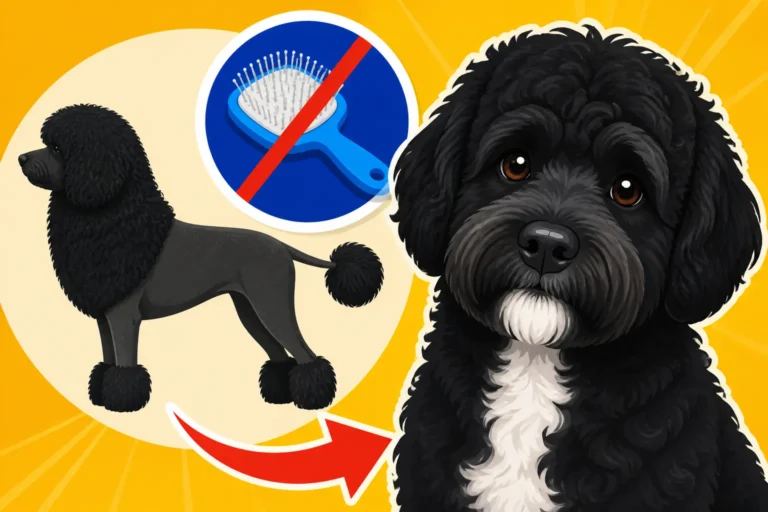
While daily brushing is paramount, strategic clipping and trimming play a crucial role in mat prevention, especially for pet Portuguese Water Dogs. Many owners opt for a "retriever clip" or a shorter pet clip, rather than the more elaborate "lion clip" often seen in show rings, precisely because it's easier to maintain and less prone to matting.
Keeping the hair shorter in those matting hotspots – like the armpits, groin, behind the ears, and around the muzzle – can significantly reduce the likelihood of knots forming. You don't have to shave them bare, but maintaining a shorter length in these areas can save you a lot of brushing time and prevent painful mats from developing. For instance, using a 1/2-inch or 1-inch guard on clippers in these sensitive areas can be incredibly effective. The Retriever Clip Is the Coat Most Portuguese Water Dogs Wear for a good reason – it’s practical and manageable. If you're not comfortable doing this yourself, a professional groomer can easily incorporate these preventative trims into their service. Remember to always brush before bathing or clipping, as water and clippers will only tighten existing mats.
Dealing with Existing Mats: Gentle Removal Techniques
Despite your best efforts, sometimes mats happen. A missed spot, an extra muddy romp, or a forgotten post-swim rinse can result in a surprise mat. The key here is to approach mat removal gently and methodically to avoid hurting your dog and making the experience unpleasant.
Tackling Small Mats Safely
When you discover a small mat, your first instinct might be to just pull at it, but resist that urge! This will only cause pain and make your dog wary of grooming. Instead, arm yourself with your detangling spray, a slicker brush, and a metal comb.
Here’s a step-by-step approach:
- Isolate the Mat: Gently separate the matted section from the surrounding healthy hair.
- Apply Detangling Spray: Liberally spray the mat with a detangling solution. Let it sit for a minute or two to penetrate the hair. You can find excellent detangling sprays from brands often sold on Chewy or Amazon.
- Work from the Outside In: Don't try to brush through the whole mat at once. Start at the very edge of the mat, closest to the hair that's not matted, and gently pick at it with the tip of your slicker brush or the wide teeth of your comb.
- Use a "Pat and Pull" Motion: Instead of dragging the brush, use a patting motion to gently separate the strands, then lightly pull away from the mat. Work in small sections, one tiny piece at a time.
- Hold the Skin: Crucially, always place your fingers between the mat and your dog's skin, holding the skin taut. This prevents the pulling sensation from hurting your dog as you brush.
- Switch to the Comb: Once you've loosened a good portion with the slicker brush, switch to the metal comb, starting with the wider teeth and gradually moving to the finer ones.
- Take Breaks: If your dog gets antsy, take a break. Mat removal can be tedious, and it's better to do it over several short sessions than to force your dog through a painful, extended ordeal.
Remember, the goal is to tease apart the mat, not rip it out. This protects your dog's skin and coat.
When to Call in a Professional Groomer
There are times when a mat is simply too large, too tight, or too close to the skin for you to safely remove at home. This is where a professional groomer becomes your best friend. Don't feel guilty or like you've failed if you need to call in the cavalry! Groomers have specialized tools, training, and experience in dealing with severe matting.
A professional groomer can often safely shave out severe mats using clippers with specialized blades, preventing further discomfort or skin damage. They are also skilled at spotting other potential issues hidden under mats, such as skin irritation, hot spots, or parasites. Be aware that de-matting can be a lengthy and sometimes costly process, especially if the mats are extensive. In severe cases, a complete shave-down might be the most humane option for your PWD, allowing the coat to regrow fresh and mat-free. When a Mat Should Be Cut Out of a Portuguese Water Dog is a question best answered by a professional in many situations.
The Importance of Patience and Positive Reinforcement
Grooming, especially mat removal, can be a stressful experience for both you and your Portuguese Water Dog. It's essential to approach it with immense patience and a generous supply of positive reinforcement. Every time you pick up a brush or comb, make it a positive experience for your dog.
Use calm, reassuring tones. Offer high-value treats frequently, especially during and after a grooming session. Short sessions are better than long, frustrating ones. If your dog starts to get stressed or tries to bite, stop. Re-evaluate your approach, take a break, or consider professional help. The goal is not just to have a mat-free dog, but to maintain a trusting relationship where grooming is seen as a normal, manageable part of their life, not something to dread. A positive association with grooming early on can prevent a lifetime of struggle.
Disclaimer
This article is for general informational purposes only and does not constitute professional advice. Laws, prices and regulations vary by location and change over time. Consult a qualified professional for guidance on your specific situation.