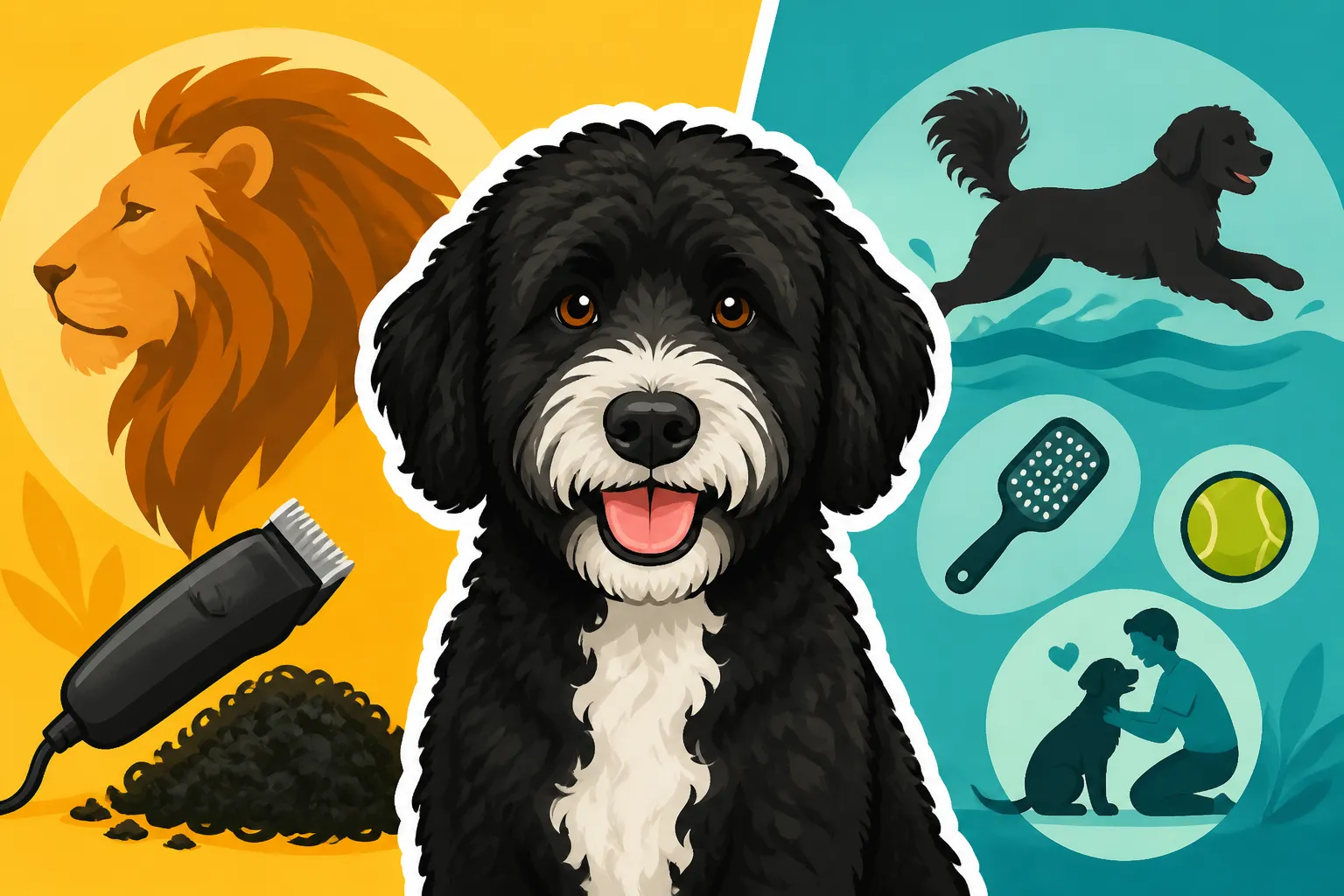
What the Lion Clip Leaves and What It Takes
Bringing a Portuguese Water Dog into your life means embracing a dog with a truly unique and demanding coat. Many new owners are immediately drawn to the iconic "Lion Clip" they see in show rings and photos, but they often don't realize the significant commitment and specific techniques involved in achieving and maintaining it. This guide is here to demystify the Lion Clip, breaking down exactly what parts of your dog's beautiful coat remain and what is taken away, so you can decide if this distinctive style is right for you and your beloved PWD.
The Origins and Purpose Behind the Lion Clip
The Lion Clip isn't just a fancy aesthetic choice dreamt up for the show ring; it has deep historical roots in the working life of the Portuguese Water Dog. These dogs were, first and foremost, working companions to fishermen along the coast of Portugal, and every aspect of their care, including their clip, served a practical purpose. Understanding this history helps you appreciate the functional genius behind a look that now seems so stylized.
How the Lion Clip Aided Working Dogs
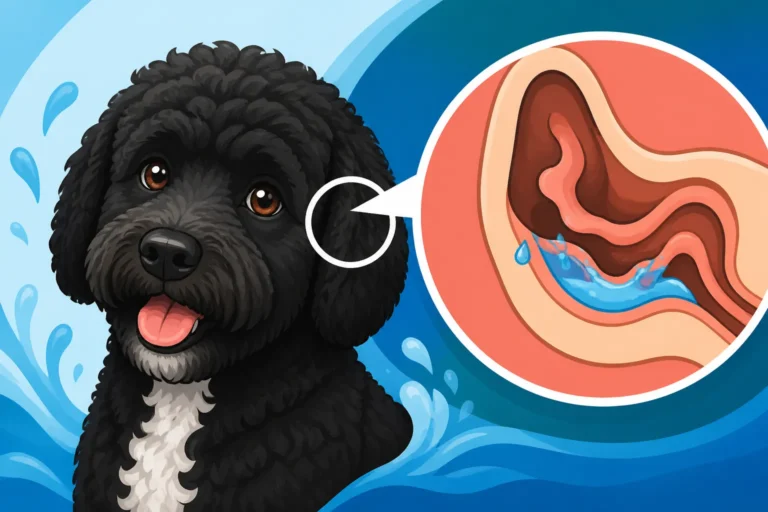
Imagine a Portuguese fisherman working on a chilly Atlantic coast, hauling nets or retrieving lost gear from the cold, often icy, waters. His dog would be right there with him, plunging into the sea repeatedly. The Lion Clip, with its closely shaved hindquarters and middle body, was designed to keep the dog warm where it mattered most – its chest, vital organs, and joints – while allowing for maximum efficiency and speed in the water. The bare hindquarters offered less drag, making swimming easier and faster. This was not a luxury; it was a matter of practical survival and performance. The dense, thick coat on the chest and forequarters provided crucial insulation against hypothermia, protecting the heart and lungs, while the long hair around the head and ears could be tied up to prevent water from entering the ear canal, minimizing discomfort and infection.
The shaved portions of the body would dry faster once the dog was back on board the fishing vessel, preventing prolonged dampness that could lead to skin issues or chill the dog further. Meanwhile, the robust, natural coat on the front acted as a protective barrier against the elements and any sharp objects encountered during their duties, like fishing hooks or rough boat edges. It truly was a functional haircut, optimized for the unique demands of a sea-faring canine. Why the Portuguese Water Dog Lion Clip Exists elaborates more on this fascinating historical perspective.
The Lion Clip in the Modern Show Ring
Today, the Lion Clip is one of the two recognized clips for Portuguese Water Dogs in the conformation show ring, the other being the Retriever Clip. While its original purpose was purely utilitarian, it has evolved into a statement of breed type and artistry for exhibition. Judges look for a clean, well-executed clip that highlights the dog's correct conformation and strong musculature, particularly in the forequarters, giving it that powerful, noble silhouette. The precise lines and transitions from clipped to unclipped areas are crucial, demanding a high level of skill from the groomer.
For many breeders and handlers, presenting a Portuguese Water Dog in a beautiful Lion Clip is a nod to the breed's heritage, a way to honor the working dogs of the past. It showcases the dog's physical attributes, emphasizing its robust build and the quality of its coat. It’s no small feat, and it requires a dedicated groomer who understands the nuances of the breed's coat and structure. Which Clip a Show Portuguese Water Dog Wears goes into more detail about show ring requirements.
Deconstructing the Lion Clip: What Stays and What Goes
To truly understand the Lion Clip, you need to visualize which parts of your Portuguese Water Dog's coat are left long and which are clipped close to the skin. It’s a very specific trim that creates a stark contrast, and this contrast is key to its distinctive look and historical function.
The Clipped Areas: The "Nude" Sections
In a traditional Lion Clip, the majority of the dog’s body is clipped very short, typically down to bare skin or a very short stubble, usually with a #10 or #15 blade. This includes the hindquarters, starting from just behind the last rib and extending all the way down the legs to the hock joints. The belly and flank areas are also closely shaved, joining the hindquarters in their short length. Additionally, about two-thirds of the tail, from the base, is clipped short, leaving only the distal third with a plume of longer hair.
This extensive clipping reveals the dog’s musculature, especially in the powerful hind legs. It’s a dramatic transformation that highlights the athletic build of the Portuguese Water Dog. For dogs regularly working in water, these closely shaved areas would shed water quickly and dry rapidly, preventing the dog from carrying excessive weight or staying chilled for too long. However, these bare areas are also more vulnerable to sunburn in summer and cold in winter, which is an important consideration for modern pet owners.
The Long Areas: The "Mane" and "Booties"
Conversely, significant portions of the dog’s coat are left long in the Lion Clip, creating the "lion-like" appearance. The entire forequarters, from the neck and shoulders down the front legs to the wrists, remains in full, natural coat. This thick, insulating coat extends across the chest and covers the vital organs. The head, face, and ears also retain their full coat, often shaped to frame the face nicely.
The hair on the front legs is typically left long, giving the appearance of "booties" or "pompoms" at the feet, blending into the longer coat of the forequarters. A distinctive feature is the "rosette" or "bracelet" of hair left around the hocks and wrists, acting as a decorative transition point from the shaved hindquarters to the longer hair on the lower legs. Finally, the tip of the tail retains a plume of long hair, sometimes referred to as a "pom-pom" or "flag." This long hair on the chest and head offers maximum warmth and protection for the most vital parts of the dog. What the Lion Clip Leaves and What It Takes further details these specific sections.
Pros and Cons of the Lion Clip for Your PWD
Deciding on a Lion Clip isn't just about aesthetics; it comes with a unique set of advantages and disadvantages that every Portuguese Water Dog owner should carefully consider. It's about balancing tradition, appearance, practicality, and your dog's comfort.
The Allure and Practicality of the Lion Clip
Let's be honest, the Lion Clip is undeniably striking. It highlights the unique structure of the Portuguese Water Dog, emphasizing its powerful, athletic build and giving it a distinct, almost regal appearance. Many owners are drawn to this historical look, feeling a connection to the breed's working past. For those involved in conformation showing, it's often the preferred clip, as it accentuates the dog's virtues for the judge. A well-executed Lion Clip can make a PWD look truly magnificent and turn heads wherever you go.
Beyond the aesthetics, there are still some practical benefits, especially if your dog is actively involved in water sports. The shaved areas dry much faster, reducing the time spent toweling off and decreasing the risk of skin irritations from prolonged dampness. This can be a huge plus after a day of dock diving or water trials. Less hair in certain areas also means less debris and burrs getting caught in the coat, simplifying cleanup after outdoor adventures. For specific water-related activities, having the hindquarters streamlined can still provide a slight advantage in hydrodynamics. What Water Sports Cost a Portuguese Water Dog Owner can give you an idea of the commitment to these activities.
The Challenges and Considerations of the Lion Clip
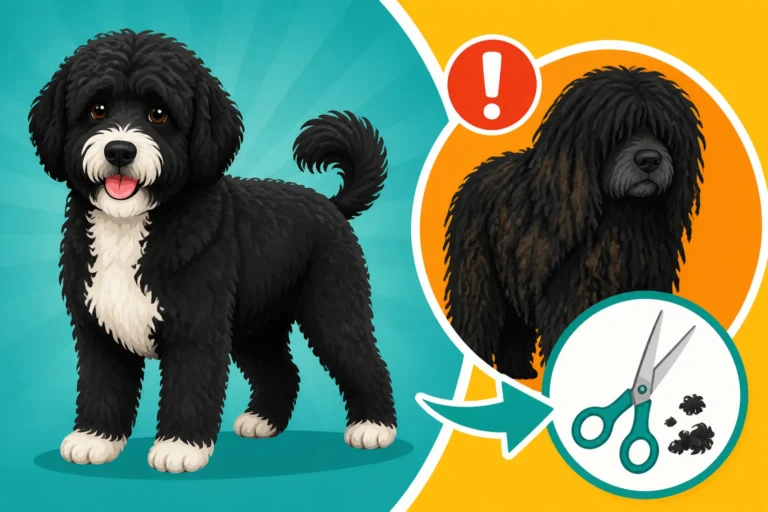
However, the Lion Clip isn't without its challenges. The most significant is the maintenance required for the long sections of coat. The dense, curly or wavy hair on the forequarters, head, and tail plume mats very easily, especially if the dog is swimming frequently. This means diligent, almost daily, brushing is absolutely essential to prevent painful mats from forming. Neglecting this can lead to discomfort for your dog and a hefty bill at the groomer, as severely matted coats often require a complete shave-down. You'll need quality grooming tools, perhaps a slicker brush and a sturdy metal comb from Chewy, and the time to use them consistently. How Long Brushing a Portuguese Water Dog Takes is a great resource for understanding this commitment.
Furthermore, the closely clipped areas are exposed. In colder climates, your dog might need a coat or sweater to stay warm, even for short outings, which can be an unexpected added expense. In summer, those exposed areas are prone to sunburn, necessitating the use of dog-safe sunscreen. The abrupt transition from long to short hair also means that growth is very noticeable, requiring frequent touch-ups to maintain the crisp lines of the clip. This typically means professional grooming every 4-6 weeks, which can add up financially. For many pet owners, the aesthetic appeal simply doesn't outweigh the increased grooming demands and the practical considerations for their dog's comfort and protection.
Maintaining the Iconic Lion Clip
Deciding to keep your Portuguese Water Dog in a Lion Clip is a significant commitment. It’s not a wash-and-wear style; it requires consistent effort, both at home and with professional groomers, to keep your dog comfortable and looking its best.
At-Home Grooming Routine for the Lion Clip
The cornerstone of maintaining a Lion Clip at home is a rigorous daily or every-other-day brushing schedule. The long, thick coat on the forequarters, head, and tail plume is a magnet for mats, especially if your dog loves to swim or run through brush. You'll need to line brush thoroughly, ensuring you get down to the skin to remove any tangles and prevent them from tightening into painful mats. Pay extra attention to high-friction areas like behind the ears, under the chin, and where a harness might rub. A good pin brush and a metal comb are your best friends here. Many owners find value in investing in a force dryer, readily available on Amazon, to ensure the long sections of coat are completely dry after baths or swims, as dampness encourages matting.
Regular bathing is also crucial to keep the coat clean and healthy, typically every 2-4 weeks, or more often if your dog gets particularly dirty or swims in salty or chlorinated water. After shampooing and conditioning, a thorough rinse is essential to prevent skin irritation. Then, the real work begins: drying. The long coat must be dried completely, preferably with a force dryer, while brushing to prevent mats and ensure the coat hangs nicely. Allowing it to air dry will almost guarantee a matting nightmare. Drying a Portuguese Water Dog After Every Swim provides more tips on this critical step.
Professional Grooming Schedule and Expectations
Even with diligent home care, regular professional grooming is indispensable for a Portuguese Water Dog in a Lion Clip. Most owners find they need to take their PWD to a professional groomer every 4 to 6 weeks to maintain the precise lines and length of the clip. A professional groomer has the specialized tools, expertise, and experience to execute the intricate clipping required for the shaved sections, trim the long parts, and ensure smooth transitions. They can also tackle any developing mats that you might have missed.
During these appointments, the groomer will re-clip the shaved areas, trim the longer sections to the desired length and shape, tidy up the "booties" and tail plume, and usually include a thorough bath and blow-dry. This regular schedule is vital not only for the aesthetic appeal of the Lion Clip but also for your dog's overall comfort and skin health. Neglecting these appointments can lead to overgrown, matted areas, making the groomer's job much harder and potentially more expensive, as they may need to spend extra time de-matting or even resort to a shorter clip than desired. When discussing your grooming needs, be clear about your expectations for the Lion Clip to avoid any misunderstandings. How Often a Portuguese Water Dog Needs Clipping can help you plan your budget.
Is the Lion Clip Right for Your Portuguese Water Dog?
Deciding on a Lion Clip for your PWD is a big decision that extends beyond just liking the look. It involves considering your lifestyle, your dog's temperament, and your commitment to the extensive grooming routine. It's about ensuring your dog's comfort and well-being first and foremost.
Lifestyle and Time Commitment
Your personal lifestyle plays a huge role in whether the Lion Clip is a practical choice. Do you have the time, energy, and patience for daily brushing sessions that can easily last 20-30 minutes, especially for a dog that enjoys swimming or playing outdoors? If your schedule is already packed, or if you prefer a lower-maintenance grooming routine, the Lion Clip might quickly become a source of stress rather than pride. Owners who travel frequently or have limited time for hands-on grooming often find the Lion Clip overwhelming.
Consider also your financial budget. Professional grooming for a Lion Clip is more frequent and typically more expensive than for a simple Retriever Clip due to the intricate styling and skill required. You're not just paying for a haircut; you're paying for artistry and meticulous attention to detail. If consistent professional grooming isn't feasible, maintaining the Lion Clip at home will demand even more of your time and investment in high-quality tools. For many families, the easier The Retriever Clip Is the Coat Most Portuguese Water Dogs Wear proves to be a more realistic choice.
Your Dog's Comfort and Preferences
While the Lion Clip is a traditional look, not every Portuguese Water Dog might be comfortable with it, especially in terms of climate control. The shaved areas offer no protection against extreme cold or direct sun exposure. If you live in an area with harsh winters or scorching summers, your dog might need additional protective gear, like a dog coat or sunscreen, which can be an extra hassle. Some dogs also simply dislike being clipped, finding the process stressful, or they might become itchy or sensitive in the shaved areas.
It's also important to consider your dog's personality during grooming sessions. A Lion Clip requires your dog to stand still for extended periods, both for home brushing and professional grooming. If your PWD is particularly fidgety, prone to anxiety during grooming, or just generally dislikes being handled, then a less demanding clip might be a kinder option. Ultimately, your dog's comfort, health, and happiness should always be the priority over maintaining a specific aesthetic. Providing a balanced, high-quality diet, perhaps from a brand like Ollie, can also contribute to a healthy coat and skin, no matter the clip.
Comparison of Lion Clip vs. Retriever Clip
To help you make an informed decision, let's briefly compare the Lion Clip to the more commonly chosen Retriever Clip, which is often preferred by pet owners for its practicality.
| Feature | Lion Clip | Retriever Clip |
|---|---|---|
| Appearance | Shaved body/hindquarters, long forequarters, head, tail plume | Uniform length all over (usually 1-2 inches), natural look |
| Historical Purpose | Utilitarian for working in cold water, less drag | General working dog, protection and insulation all over |
| Grooming Frequency | High (daily brushing, professional every 4-6 weeks) | Moderate (2-3 times/week brushing, professional every 6-8 weeks) |
| Complexity | High, requires skilled groomer for precise lines | Moderate, easier for home grooming if experienced |
| Climate Protection | Exposed shaved areas, needs protection in extremes | Consistent coat provides all-over protection |
| Matting Risk | High in long sections (forequarters, head, tail) | Moderate, consistent brushing prevents mats |
| Cost | Higher due to frequency and complexity | Moderate to lower |
| Show Ring Status | Accepted and often favored | Accepted |
This comparison makes it clear that while the Lion Clip is a magnificent testament to the Portuguese Water Dog's heritage, the Retriever Clip often aligns more with the practical realities of pet ownership, offering a balance of manageability and breed-appropriate appearance. Which Clip Suits a Pet Portuguese Water Dog offers a deeper dive into making this choice.
Conclusion: Making the Right Grooming Choice
The Lion Clip is more than just a haircut for your Portuguese Water Dog; it's a piece of living history, a nod to the rugged fishing dogs of the past who relied on this specific style for their livelihood. It's a striking look that highlights the breed's athletic physique and charismatic presence, especially in the show ring. However, for the average pet owner, it comes with a significant commitment of time, effort, and financial resources. The meticulous daily brushing, frequent professional grooming, and considerations for your dog's comfort in varying climates are all crucial factors to weigh.
Before committing to the Lion Clip, take a realistic look at your lifestyle, your budget, and most importantly, your dog's personality and needs. While the aesthetic appeal is undeniable, ensuring your PWD is comfortable, healthy, and happy in its coat should always be the priority. Whether you opt for the regal Lion Clip or the more practical Retriever Clip, consistent care and attention to your Portuguese Water Dog's coat will ensure it remains a joyful, well-groomed companion for years to come.
Disclaimer
This article is for general informational purposes only and does not constitute professional advice. Laws, prices and regulations vary by location and change over time. Consult a qualified professional for guidance on your specific situation.