Which Clip Suits a Pet Portuguese Water Dog
For any Portuguese Water Dog owner, or anyone considering bringing one of these wonderful, energetic, and utterly charming dogs into their home, the question of grooming is never far from mind. You’ve probably heard stories, or perhaps even experienced the battle, of keeping that incredible coat looking neat and healthy. It's a journey, not a destination, and choosing the right clip for your pet Portuguese Water Dog can make all the difference in making that journey enjoyable for both of you. This guide will help you navigate the world of Portuguese Water Dog clips, breaking down the options so you can find the perfect style that fits your lifestyle and your dog's comfort.
Understanding the Portuguese Water Dog Coat
Before we dive into the various clips, it's really important to grasp what makes a Portuguese Water Dog's coat so unique. It's not just "fluffy" or "hairy"—it's a specialized, functional coat that demands specific care. Ignoring its particular characteristics is where most grooming frustrations begin.
The Unique Texture and Growth Pattern
Unlike many double-coated breeds, the Portuguese Water Dog boasts a single coat, meaning there's no soft, dense undercoat beneath the coarser outer layer. This is why they're often considered a good choice for people with allergies, as they don't shed in the traditional sense. Instead of falling out all over your house, their hair grows continuously, much like human hair. This continuous growth is precisely why grooming is so crucial.
The coat comes in two distinct types: curly and wavy. The curly coat is typically dense, compact, and forms tight, cylindrical curls. Think of a tight perm, but entirely natural. The wavy coat is softer, often with a slight sheen, and falls in more open, flowing waves, usually without the defined cylinders. Both types are thick and water-resistant, designed to protect the dog in cold water environments. However, both are also prone to tangling and matting if not properly maintained. The hair around their ears, armpits, and groin tends to be finer and even more susceptible to knotting.
Why Matting is the Enemy
Because a Portuguese Water Dog's coat doesn't shed, any dead hair or loose strands get caught within the growing coat. This is where mats begin. Imagine trying to comb through a tangled mess of yarn – that’s what a mat feels like to your dog, except it’s attached to their skin. Mats aren't just unsightly; they're incredibly painful and can lead to serious health issues.
When mats form, they pull on the skin, causing discomfort and restricting movement. This is particularly noticeable in high-friction areas like behind the ears, under the collar or harness, in the armpits, and around the tail base. Constant pulling can lead to skin irritation, sores, and infections that go unnoticed beneath the dense hair. Furthermore, mats can trap moisture, dirt, and parasites, creating a perfect breeding ground for bacteria or fungus. It’s a vicious cycle where a small tangle can quickly become a large, impenetrable felted mass. It’s also worth noting that the coat can Whether a Portuguese Water Dog's Coat Changes Texture With Age, and this period can be a particularly challenging time for matting, often catching new owners by surprise. Many experienced owners will tell you that it's during these transitional phases that their dogs Why a Portuguese Water Dog Mats Worst During the Change, requiring extra diligence.
The Traditional Lion Clip: History and High Maintenance
The lion clip is the most iconic and historically significant Portuguese Water Dog clip, often seen in the show ring. While undeniably striking, it comes with a level of commitment that many pet owners underestimate.
What the Lion Clip Entails
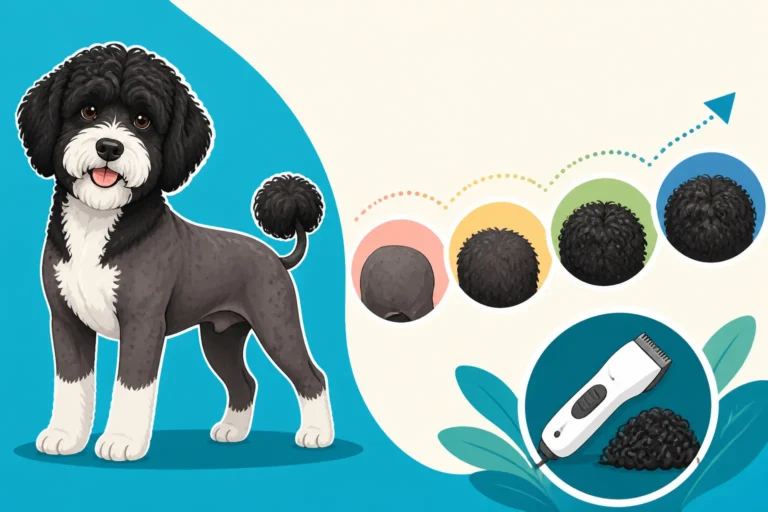
The lion clip is characterized by its dramatic contrast in coat length. The dog’s hindquarters, from the last rib to the tail set, are shaved very short, as are the muzzle and face. The tail is shaved except for a distinctive plume or pompom at the tip. The front half of the dog, including the chest, forelegs, and head, is left in full coat, forming a "mane" that gives the dog its regal, lion-like appearance.
Historically, this clip wasn't just for aesthetics. It was a functional clip developed by Portuguese fishermen. The shaved hindquarters reduced drag in the water, allowing for more efficient swimming and diving to retrieve fishing gear or herd fish. The full coat over the chest and ribs provided vital insulation and protection for the heart and lungs in the often-chilly Atlantic waters. This practical origin is Why the Portuguese Water Dog Lion Clip Exists. It showcases the breed's working heritage and unique adaptability.
The Realities for a Pet Owner
While a Portuguese Water Dog in a full lion clip is a showstopper, maintaining it for a pet owner is a considerable undertaking. The biggest challenge lies in the drastic difference between the shaved and long sections of the coat. The transition lines where the long hair meets the short hair are notorious mat magnets. As the short hair begins to grow out, it easily intertwines with the longer hair, creating dense, difficult-to-remove tangles very quickly.
To keep a lion clip looking its best and, more importantly, to keep your dog comfortable and mat-free, you need to commit to frequent professional grooming appointments, often every 4-6 weeks, or dedicate significant time to home grooming between visits. This isn't just a quick brush-through; it involves meticulous line brushing and careful attention to those transition zones. If you're not diligent, you'll find yourself battling painful mats that can only be resolved by shaving the dog down entirely. And let's be honest, those frequent trips to a professional groomer add up, making the What a Full Lion Clip Costs on a Portuguese Water Dog a serious consideration for your budget.
Pros and Cons of the Lion Clip for Pets
Deciding on a lion clip for your pet Portuguese Water Dog requires a candid look at the benefits and drawbacks.
Pros:
- Stunning Appearance: There's no denying the visual impact. A well-executed lion clip is elegant and commands attention, truly highlighting the breed's unique structure.
- Historical Connection: For owners who appreciate the breed's heritage, the lion clip is a direct link to their working past, showcasing the functional origins of the style.
- Show Ring Ready: If you have aspirations of showing your dog, this is the required clip.
Cons:
- High Maintenance: This is the biggest hurdle. Daily brushing, frequent professional grooming, and constant vigilance against matting are non-negotiable.
- Costly: The time and expertise required mean higher grooming bills, especially if you rely on a professional.
- Potential for Skin Issues: The shaved areas are exposed to the elements. In colder climates, your dog might need a coat to stay warm. In sunny environments, sunscreen might be necessary to prevent sunburn. These areas can also be prone to nicks or irritation during shaving.
- Time Consuming: Even if you do it yourself, maintaining this clip correctly will consume a significant portion of your week.
For many pet owners, the allure of the lion clip often gives way to the practical realities of its upkeep. It’s a beautiful clip, but it demands a truly dedicated owner.
The Practical Retriever Clip: A Pet Owner's Favorite
For the vast majority of pet Portuguese Water Dog owners, the retriever clip is the unsung hero. It offers the perfect balance of a tidy, breed-appropriate look and manageable maintenance, allowing you and your dog to enjoy life without constant grooming battles.
Defining the Retriever Clip
The retriever clip is characterized by leaving the coat at a uniform length, usually between 1 to 2 inches, all over the dog's body. The face might be trimmed slightly shorter, and the tail is typically left with a full, natural plume, sometimes just tidied up. Unlike the dramatic contrasts of the lion clip, the retriever clip presents a consistent, even appearance that emphasizes the dog's robust, athletic build.
The name "retriever clip" comes from its resemblance to the low-maintenance, practical coat of other water-retrieving breeds. It acknowledges the Portuguese Water Dog's heritage as a working water dog while making grooming far more approachable for the average family. It's a clip that allows the dog to look like a Portuguese Water Dog without the intense upkeep, and it's What the Retriever Clip Leaves and What It Takes for most pet owners to achieve a comfortable, healthy coat for their active companions.
Ease of Maintenance and Comfort
The primary advantage of the retriever clip is its sheer practicality. By keeping the coat at a consistent, moderate length, you drastically reduce the risk of severe matting. There are no dramatic transition lines for mats to sneakily form in, making brushing a much more straightforward affair. While regular brushing is still essential – don't ever think you can skip it entirely with a PWD! – it becomes a less daunting task, often taking less time than maintaining a lion clip.
This uniform length also makes drying easier after swims or baths. Water drains and evaporates more evenly, reducing the chances of skin irritation or "hot spots" that can occur if damp hair is left to sit against the skin in dense, matted areas. Imagine your dog enthusiastically diving into a lake or bounding through the surf; a retriever clip ensures they can dry off more quickly and comfortably. This clip is perfect for the active Portuguese Water Dog who loves to work and play, offering them maximum comfort in all weather conditions, from a cool autumn dip to a warm summer hike. Most owners find that Whether the Retriever Clip Is Easier at Home to maintain, which is a huge bonus.
Pros and Cons of the Retriever Clip for Pets
The retriever clip is popular for a reason, but it's important to understand both its advantages and any minor drawbacks.
Pros:
- Much Easier to Maintain: This is the big one. While not maintenance-free, it requires significantly less daily attention than the lion clip. Regular weekly brushing and professional grooming every 6-8 weeks are typically sufficient.
- Less Prone to Matting: The uniform length means fewer areas where mats can quickly take hold, reducing discomfort for your dog and stress for you.
- Comfortable for the Dog: It provides good insulation in cooler weather and allows for better airflow and quicker drying in warmer conditions, enhancing the dog's overall comfort.
- Professional, Tidy Appearance: Your dog will still look distinctly like a well-groomed Portuguese Water Dog, just without the dramatic flair of the lion clip. It's a clean, athletic look.
- More Affordable: Fewer and less intensive professional grooming appointments generally translate to lower overall costs.
Cons:
- Less Distinctive: For those who love the traditional look, the retriever clip is less dramatic than the lion clip.
- Still Requires Regular Grooming: Don't be fooled into thinking it's a wash-and-wear coat. Portuguese Water Dogs always need regular brushing and clipping to prevent matting and maintain skin health. It's simply easier than the alternative.
For families with active dogs, busy schedules, or those simply seeking a more practical approach to grooming, the retriever clip is almost always the superior choice.
Beyond the Standard Clips: Customizations and Practicalities
While the lion and retriever clips are the two most recognized styles, there's a lot of flexibility within Portuguese Water Dog grooming. Many pet owners find that a slight modification to the retriever clip, or even a shorter "utility" clip, works best for their specific circumstances.
The Utility or "Puppy" Clip
Sometimes, even the 1-2 inches of a retriever clip can feel like a lot, especially if your dog is particularly active in water, prone to severe matting, or going through that infamous coat change. This is where the utility clip, sometimes affectionately called the "puppy clip," comes in. This style involves clipping the entire coat to an even shorter length, often between 1/2 to 1 inch.
The utility clip is the ultimate low-maintenance option. It drastically reduces grooming time, virtually eliminates serious matting concerns, and allows for extremely quick drying after swims. It's especially popular for puppies during that awkward adolescent phase when their When a Portuguese Water Dog's Puppy Coat Changes makes them a matting nightmare. This shorter length helps them navigate that period without constant discomfort or the need for frequent, stressful dematting sessions. For older dogs, it can also be a wonderful option, making grooming less taxing on their aging bodies.
Tailoring the Clip to Your Dog's Needs
The beauty of pet grooming is that you aren't bound by show ring rules. You can absolutely tailor your Portuguese Water Dog's clip to suit their individual needs, your preferences, and your specific lifestyle. For example:
- Belly Shave: For dogs who swim frequently or tend to get muddy, a slightly shorter clip on the belly and inner thighs can make cleaning and drying much easier, without affecting the overall look of a retriever clip.
- Muzzle Length: While the standard clip usually involves a neat, short muzzle, some owners prefer to leave it a bit longer, giving a softer appearance. Others might keep it very short for cleanliness around food and water.
- Feet and Pads: Keeping the hair short between the paw pads is crucial for traction and hygiene. Some owners prefer to keep the top of the feet neatly trimmed, while others like a more natural, shaggy look, as long as it's not matting.
- Tail: While a full plume is standard, some prefer a slightly shorter, tidier tail for practicality, especially if the dog's tail tends to gather burrs or debris.
When you communicate with your groomer, discuss these elements. A good groomer will listen to your needs and help you find a custom clip that works for both you and your Portuguese Water Dog.
Addressing Health and Lifestyle in Your Clip Choice
Your dog's health, activity level, and your local climate should all play a significant role in your clipping decision.
- Swimming Enthusiasts: If your Portuguese Water Dog lives up to its name and spends most of its free time in the water, a shorter clip, like the retriever or utility, will make your life (and theirs!) infinitely easier. Longer coats hold water, take ages to dry, and increase the risk of skin infections if not meticulously dried after every dip.
- Climate Considerations: In hot, humid climates, a shorter clip can help your dog stay cooler and prevent overheating. Conversely, in very cold regions, a slightly longer retriever clip might offer more insulation, though even the lion clip's exposed hindquarters mean a coat or sweater might still be necessary.
- Allergies: While the PWD's coat is often chosen by allergy sufferers because it doesn't shed dander, the length of the clip doesn't change this hypoallergenic quality. A shorter clip won't necessarily make it "more hypoallergenic," but it can reduce the amount of loose hair that could potentially carry dander if not properly brushed out.
- Aging Dogs: As dogs get older, grooming can become more stressful or even painful if they have arthritis or other joint issues. Opting for a shorter, easier-to-maintain clip can significantly improve their quality of life. This is a key part of Caring for an Aging Portuguese Water Dog, making their later years more comfortable.
Ultimately, the best clip is the one that keeps your Portuguese Water Dog healthy, happy, and comfortable, while also fitting realistically into your daily life.
Grooming Tools and Techniques for Pet Owners
Whether you opt for the retriever clip or a customized shorter style, home grooming is a necessary part of Portuguese Water Dog ownership. Having the right tools and understanding basic techniques will save you money, prevent headaches, and keep your dog looking and feeling great.
Essential Tools for Home Grooming
Don't let the sheer variety of grooming tools overwhelm you. For a Portuguese Water Dog, a few key items are absolutely essential:
- Slicker Brush: This is your primary weapon against tangles. Look for one with fine, bent wire bristles. You'll use this almost daily.
- Long-toothed Metal Comb (Greyhound Comb): Essential for checking your work after brushing. The long teeth should reach down to the skin to ensure no mats have been missed.
- Clippers: A good quality set of dog clippers is a significant investment but will pay for itself many times over. Look for powerful, professional-grade clippers designed for dense coats. Brands like Wahl, Andis, or Oster are popular, and you can often find a good selection and accessories on Amazon. You'll also need a variety of blades (e.g., a #10 for sanitary areas, #7 for a utility clip, #5 or #4 for a longer retriever clip). Which Clippers Handle a Portuguese Water Dog's Coat effectively will vary, so research models specifically rated for thick, curly coats.
- Grooming Scissors: A pair of straight and thinning shears are useful for tidying up areas like the face, feet, and tail. Always use blunt-nosed scissors for safety around sensitive areas.
- Force Dryer: This is not optional for a Portuguese Water Dog. A high-velocity force dryer (like those found on Chewy or Amazon) is crucial for blowing water out of the dense coat after bathing, preventing mats, and reducing drying time significantly. Air drying alone can take hours, leading to damp skin and potential issues. How Long a Portuguese Water Dog Takes to Dry without one is considerable.
- Shampoo and Conditioner: Choose a good quality dog shampoo that is moisturizing and won't strip the natural oils from the coat. A good conditioner helps prevent tangles. Again, Chewy offers many options.
Investing in these tools upfront will make your grooming routine much more efficient and enjoyable for both you and your dog.
Regular Brushing and Bathing Routine
Consistency is truly key with a Portuguese Water Dog's coat.
- Brushing: Aim to brush your dog at least every other day, and ideally daily, especially if they have a longer coat or are going through a coat change. The most effective technique is "line brushing." This involves parting the coat and brushing in small sections, from the skin out, until you're sure you've reached all the way to the root. Always follow up with your metal comb to check for any missed tangles. Pay extra attention to common matting spots: behind the ears, under the chin, armpits, inner thighs, and where the collar or harness sits.
- Bathing: Most Portuguese Water Dogs need a bath every 2-4 weeks, depending on their activity level and how dirty they get. Before bathing, always brush your dog thoroughly to remove any mats. Washing a matted coat will only tighten the mats and make them impossible to remove. After shampooing and rinsing thoroughly, apply a good conditioner.
- Drying: This is arguably the most critical step. After towel-drying, use your force dryer. Point the nozzle at the skin and systematically blow the water out of the coat while brushing simultaneously. This not only dries the dog quickly but also helps to straighten the coat, preventing tangles as it dries. Never let a Portuguese Water Dog air dry completely if you want to avoid mats and skin issues.
A consistent routine helps your dog get used to the process, making it a more pleasant experience for everyone.
Finding a Groomer Who Understands PWDs
While home grooming is essential, many owners opt for professional grooming every 6-8 weeks to keep their Portuguese Water Dog looking sharp and healthy. The most important thing is finding a groomer who truly understands the unique PWD coat. This isn't just any groomer; it's someone with specific experience.
When interviewing potential groomers, ask specific questions:
- "Do you have experience with Portuguese Water Dogs?"
- "What kind of clippers and blades do you use for their coat type?"
- "Are you familiar with the retriever clip or utility clip for pet Portuguese Water Dogs?"
- "How do you handle mats, and what's your philosophy on dematting versus shaving?" (A good groomer will prioritize the dog's comfort and often advise against painful dematting of severe mats.)
- "Do you use a force dryer?" (This is a non-negotiable for a PWD.)
A groomer who knows Portuguese Water Dogs will be able to advise you on the best clip for your dog and provide valuable tips for home maintenance. They'll also be transparent about the cost, which can vary widely depending on your dog's size, coat condition, and the complexity of the clip. Understanding What Professional Grooming Costs for a Portuguese Water Dog is important for budgeting. Don't be afraid to ask for references or to see photos of their previous PWD clients. This relationship with your groomer is a partnership in keeping your PWD healthy and happy.
Choosing the Right Clip for Your Lifestyle
Making the final decision on which clip is right for your pet Portuguese Water Dog really boils down to a realistic assessment of your time, commitment, and what's best for your furry family member.
Time Commitment vs. Desired Look
This is the central tension in choosing a clip for your Portuguese Water Dog. Do you prioritize the striking aesthetic of the traditional lion clip, or the practical ease of the retriever or utility clip?
- The Lion Clip: If you dream of your PWD sporting the majestic lion clip, you must be prepared for the substantial time and financial investment. This isn't a "set it and forget it" look. It requires daily, thorough line brushing at home, meticulous attention to detail, and very frequent professional grooming appointments. If you don't commit to this level of maintenance, your dog will quickly become matted and uncomfortable, leading to expensive, and potentially painful, shave-downs.
- The Retriever or Utility Clip: For most pet owners, these clips offer a fantastic compromise. They allow your Portuguese Water Dog to look neat and healthy, highlight their athletic build, and significantly reduce the time and effort required for grooming. You'll still need to brush regularly and schedule professional grooms, but the burden is far lighter. Think about your busiest week – can you realistically carve out 30-60 minutes daily for brushing, or is a few times a week more feasible? Your answer will strongly guide your choice.
Be honest with yourself about your available time. A happy, comfortable dog in a practical clip is always better than a matted, neglected dog in a show clip.
Your Dog's Comfort and Activity Level
Beyond your own schedule, consider your dog's individual needs and preferences. Every Portuguese Water Dog is different.
- Activity Level: If your PWD is a true water enthusiast, constantly swimming in the ocean, lakes, or your backyard pool, a shorter retriever or utility clip will be far more comfortable. Longer coats become waterlogged, take ages to dry, and can lead to skin issues if not dried meticulously. Imagine trying to run around with heavy, wet hair plastered to your body – it's not fun. A shorter clip lets them dry quickly and get back to their adventures.
- Tolerance for Grooming: Some dogs absolutely adore being groomed, while others tolerate it at best. If your dog is particularly wiggly or stressed by long grooming sessions, a shorter, quicker-to-maintain clip will be much kinder to them. Regular, shorter sessions are always preferable to infrequent, marathon dematting struggles. Even the most patient dog can find an hour-long session to untangle mats to be deeply unpleasant.
- Climate: As discussed earlier, consider your local climate. A very short clip might necessitate a dog coat in cold winters, while a longer clip in a hot, humid environment requires extra diligence to prevent skin issues.
The best clip enhances your dog's quality of life, allowing them to participate in their favorite activities without discomfort or grooming hindrances.
Making the Decision and Sticking to a Schedule
Once you've weighed all the factors, don't be afraid to experiment a little, especially if you're unsure. You could start with a slightly longer retriever clip and see how you manage. If it's too much, you can always go shorter. The beauty of hair is that it grows back!
The most important thing, regardless of the clip you choose, is to establish and stick to a consistent grooming schedule. This includes:
- Regular Brushing: Daily or every-other-day brushing at home, focusing on mat-prone areas.
- Regular Professional Grooming: Schedule appointments every 6-8 weeks for retriever/utility clips, or every 4-6 weeks for lion clips. Book these in advance to ensure availability.
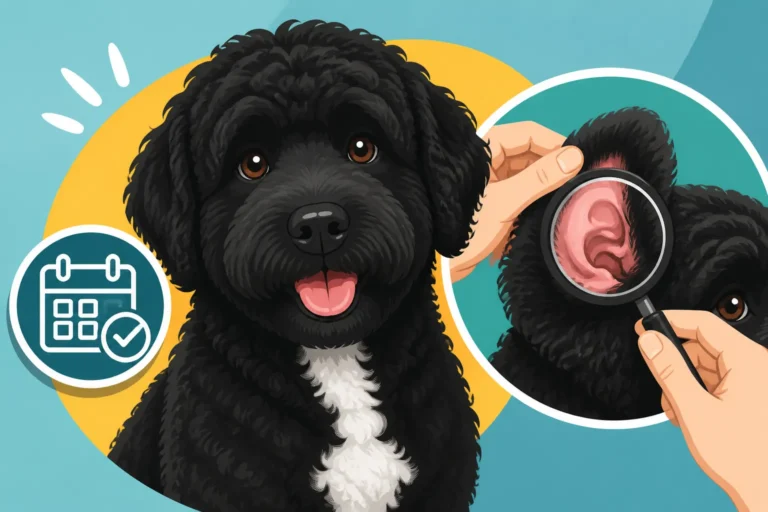
- Between-Grooming Maintenance: Don't forget nail trims, ear cleaning, and checking for any lumps or bumps that might be hiding under that glorious coat. Even checking ears often is critical, as Why a Portuguese Water Dog's Ears Need Checking Every Week is a common frustration for owners.
For consistent health and well-being, think of your dog's grooming schedule as part of their routine care, just like feeding them a quality diet from a trusted source like Ollie or ensuring they have their favorite toys from Chewy. Proper grooming isn't just about looks; it's a fundamental aspect of their overall health. A well-groomed Portuguese Water Dog is a happier, healthier companion, ready to dive into whatever adventure comes next.
Disclaimer
This article is for general informational purposes only and does not constitute professional advice. Laws, prices and regulations vary by location and change over time. Consult a qualified professional for guidance on your specific situation.