What to Clean a Portuguese Water Dog’s Ears With
One of the trickiest things about owning a Portuguese Water Dog, especially for new owners, is keeping those adorable, floppy ears clean and healthy. It's a constant battle, isn't it? You get them out of the water, dry them off, and then a few days later, you notice that tell-tale head tilt or a bit of a shake, and you just know you're in for another round of ear care. Given their heritage and love for all things wet, their ears are unfortunately a prime breeding ground for issues if not managed diligently. This comprehensive guide will walk you through exactly what to use and how to clean your PWD's ears effectively, helping you prevent those frustrating, and often painful, ear infections.
Why Portuguese Water Dog Ears Are Prone to Trouble
It’s not just bad luck that Portuguese Water Dogs seem to get ear infections more often than some other breeds; it’s actually a combination of their genetics, their physical ear structure, and, of course, their inherent love for water. Understanding these factors is the first step in being able to effectively care for their ears and keep them healthy. It’s all about working with their unique physiology, not against it.
The Anatomy of a PWD's Ear Canal
Let's talk about those charming, floppy ears for a moment. While they add to the PWD's distinctive look, they also play a significant role in making them susceptible to ear problems. Unlike dogs with upright ears, the floppy nature of a Portuguese Water Dog's ears creates a warm, dark, and often humid environment. This enclosure reduces air circulation, which is already a red flag for potential microbial growth. Imagine wearing a hat that constantly covers your ears and traps moisture – it's not ideal for ventilation, is it?
Adding to this, the ear canal itself is quite narrow and L-shaped, making it difficult for natural drainage and debris expulsion. But wait, there's more! Portuguese Water Dogs have a dense coat, and that coat extends right into their ear canals. This hair acts like a magnet for wax, dirt, and any foreign bodies, effectively creating a dam that further traps moisture and debris deep inside the ear, away from the drying effects of the air. It’s a perfect storm of conditions that allows bacteria and yeast to really set up shop and thrive.
The Water Lover's Dilemma: Moisture and Microbes
Now, let's layer in the "water dog" part of the Portuguese Water Dog equation. These dogs were bred for working in and around water, and they absolutely adore it! Whether it's a lake, ocean, or backyard pool, a PWD will seize every opportunity to take a dip. While swimming is fantastic exercise and fulfills their breed instincts, it introduces a significant challenge for their ears. Every time your PWD goes for a swim, water inevitably gets into those already enclosed, hairy ear canals.
This trapped moisture is the primary culprit behind many PWD ear infections. It creates the ideal humid environment for opportunistic yeast and bacteria to multiply rapidly. Think about how a damp towel left in a warm room can quickly develop a musty smell and even mildew – the same principle applies here, but with living organisms that cause discomfort and infection. A quick dip can turn into a full-blown ear infection within days if that moisture isn't properly addressed. It’s a constant battle to keep their ears dry, and neglecting this crucial step is often the fastest route to a vet visit. This is why understanding Why a Portuguese Water Dog's Ear Canal Traps Water is so vital for their overall health.
Recognizing the Early Signs of Ear Issues
As dedicated PWD parents, we become pretty attuned to our dogs' normal behaviors. Learning to spot the early warning signs of an ear issue can save your dog a lot of discomfort and prevent a minor irritation from escalating into a severe infection that requires strong medication. Don't wait until it's really bad; early intervention is key.
One of the most common and obvious signs is excessive scratching around the ear or vigorous head shaking. Your dog might tilt their head frequently, favoring one side, or rub their ear against furniture or the floor. If you get close, you might notice a distinct odor, often yeasty or pungent, emanating from the affected ear. You might also see redness or swelling of the ear flap, or even a discharge – which can range from yellowish to dark brown or black, and have a waxy or crusty texture. Some dogs may even whine or cry when you touch their ears, indicating pain. If you notice any of these symptoms, it's time to assess the situation and consider whether it's a cleaning issue or something that warrants a vet visit.
Essential Tools for Effective Ear Cleaning
Before you even think about cleaning your Portuguese Water Dog's ears, it’s crucial to have the right tools on hand. Using the wrong products or techniques can actually make things worse, potentially causing irritation or pushing debris further into the ear canal. We want to be gentle yet effective, and that starts with selecting appropriate, high-quality supplies.
Gentle Cleansers: What to Look For
When choosing an ear cleanser for your PWD, think "gentle and effective." You're looking for solutions specifically formulated for dogs that will break down wax and debris without irritating the delicate skin lining the ear canal. Avoid anything with harsh chemicals, perfumes, or alcohol, as these can cause more problems than they solve, especially in an already sensitive ear.
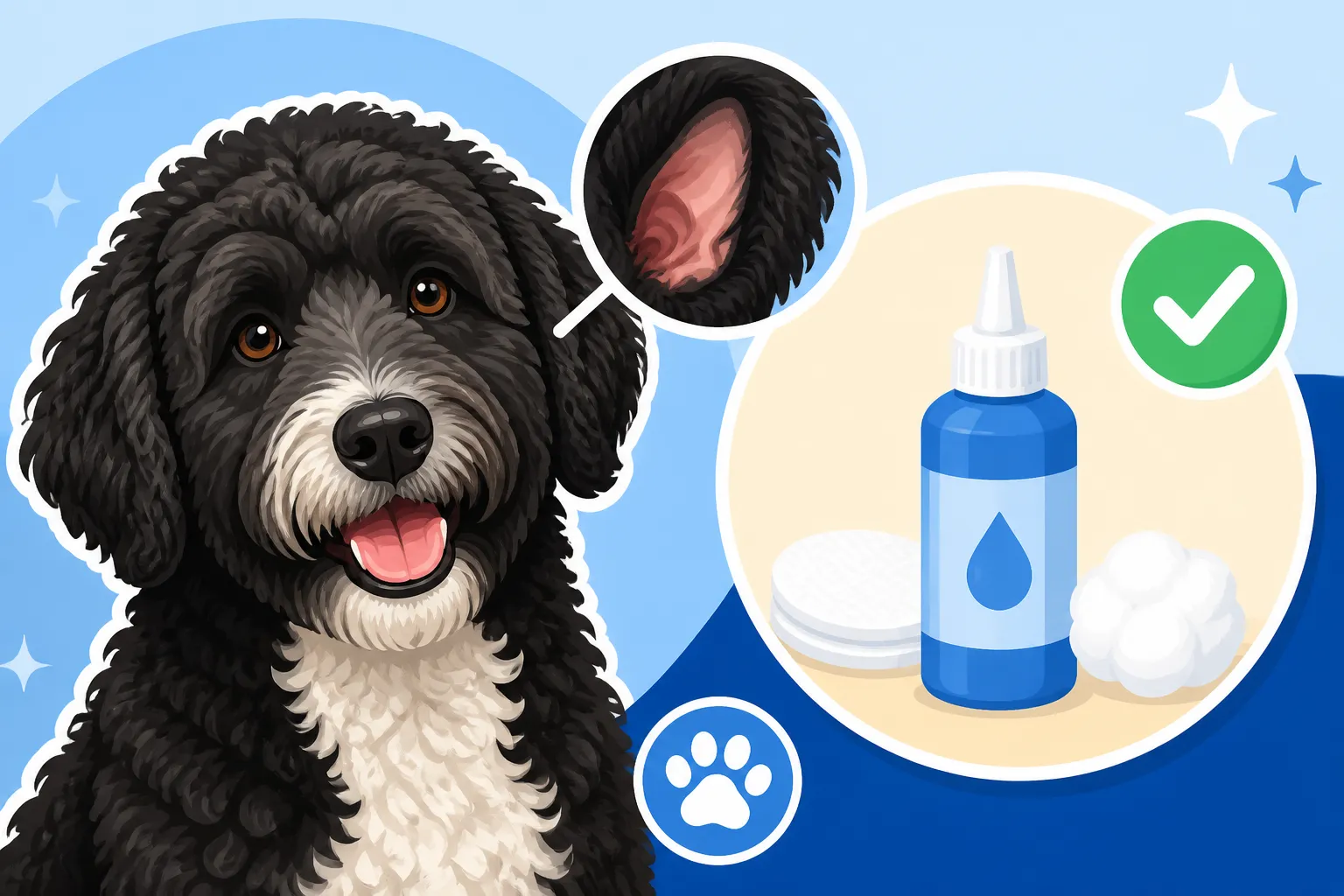
Many effective dog ear cleansers are pH-balanced to match your dog's natural ear environment. Look for ingredients known for their cleaning and mild antiseptic properties. Witch hazel is a common, gentle astringent. Salicylic acid can help break down excess wax. Boric acid is often used to help maintain a healthy pH balance and discourage yeast growth. Aloe vera can be soothing for irritated skin. Brands like Zymox, Virbac, and Epi-Otic offer popular and vet-recommended cleaning solutions available on platforms like Chewy or Amazon. Remember, these are for routine cleaning and maintenance; they are not medicated treatments for active infections, which require veterinary diagnosis and prescription.
The Right Applicators: Cotton Balls vs. Swabs
This is where many well-meaning pet owners go wrong, often inadvertently causing harm. For the external folds and visible parts of your Portuguese Water Dog’s ear, soft cotton balls or gauze pads are your best friends. They are absorbent, soft, and provide a good surface area for wiping away loosened debris and excess solution. Wrap a cotton ball around your finger to gently wipe the accessible parts of the ear.
What you should never use is a cotton swab (like a Q-tip) for deep cleaning inside the ear canal. Why? Because the L-shape of a PWD's ear canal means a cotton swab will almost certainly push wax and debris further down the canal, packing it in and creating a blockage. This can exacerbate an infection, irritate the eardrum, or even cause damage. Save the cotton swabs for cleaning tiny, visible crevices on the outer ear flap if absolutely necessary, but keep them far away from the actual ear canal.
Other Helpful Supplies for Routine Care
Beyond the cleanser and cotton balls, a few other items will make your ear cleaning routine much smoother and more pleasant for both you and your PWD. First, have a soft, absorbent towel handy. This isn't just for cleaning up spills; it's also crucial for gently drying the outer ear after cleaning or after a swim. Secondly, high-value treats are a must! Ear cleaning isn't usually a dog's favorite activity, so making it a positive experience with rewards is essential for cooperation, especially for a smart, sometimes opinionated breed like the PWD.
Consider an ear-drying solution, particularly if your PWD is a frequent swimmer. These solutions are different from cleansers; they're designed to evaporate residual moisture quickly from the ear canal, further preventing yeast and bacterial growth. Some formulations include ingredients that also acidify the ear canal, creating an environment less hospitable to microbes. Products like those found on Amazon that are specifically marketed as "ear dryers" for dogs can be a great addition to your post-swim routine. Whether an Ear Drying Solution Helps a Portuguese Water Dog depends largely on consistent use and a good formula.
Step-by-Step Guide to Cleaning Your PWD's Ears
Now that you have all your supplies ready, it's time to tackle the actual cleaning process. Approach this with patience, a calm demeanor, and plenty of positive reinforcement. Your Portuguese Water Dog will pick up on your energy, so making it a stress-free experience for them will make future cleanings much easier.
Gathering Your Supplies and Setting the Scene
Before you even call your PWD over, lay out all your necessary items: your chosen ear cleanser, a generous pile of cotton balls, some clean, soft towels, and a handful of irresistible treats. Choose a quiet, well-lit area where your dog feels comfortable and secure. This might be on the floor, on a grooming table if you have one, or even on a sturdy counter if your dog is small and accustomed to being lifted.
The goal is to make this a calm, positive experience. If your PWD is anxious, spend a few minutes just petting them and offering treats before you even bring out the supplies. You might even want to give them a few "happy ears" touches, gently stroking their ears without any cleaning solution involved, just to associate ear handling with pleasant feelings and treats. A relaxed dog is far more cooperative than a stressed one, especially with a sensitive area like their ears.
The Cleaning Process: Gentle and Thorough
Okay, deep breath! You've got your dog, your supplies, and your zen attitude. Here's how to actually clean those ears:
- Lift the Ear Flap: Gently lift your PWD's ear flap to expose the inner ear. You might notice some hair, wax, or dirt. Don't be alarmed; that's why we're here!
- Apply the Cleanser: Take your ear cleaning solution and carefully squirt a generous amount directly into the ear canal. You want enough to fill the canal, but don't overdo it. The exact amount will depend on the size of your dog and the product instructions, but usually, a good squeeze or two will suffice.
- Massage the Base: With the cleanser in the ear, gently massage the base of the ear (where it joins the head) for about 30 seconds. You should hear a squishing sound, which means the solution is working its way down and loosening wax and debris. This part is surprisingly satisfying!
- Allow Them to Shake: Step back and let your PWD shake their head. They will want to do this, and it's a good thing! The head shaking helps to bring loosened debris and excess solution up and out of the ear canal. You might want to do this outdoors or have a towel ready to catch any spray.
- Wipe Clean: After the head shake, take a fresh cotton ball (or gauze pad) and gently wipe the visible parts of the ear, including the ear flap and the entrance to the ear canal. Don't poke or prod deep inside with your fingers or the cotton ball. You're just cleaning up what has come out. Repeat with fresh cotton balls until no more dirt or wax is visible. Give a treat and praise after each step!
Remember to be patient. If your dog gets anxious, take a break, offer more treats, and try again. Never force the issue, as a negative experience can make future cleanings much harder.
Post-Cleaning Care and Drying Techniques
Once you've finished the cleaning itself, the battle isn't over yet, especially with a Portuguese Water Dog. Drying the ears thoroughly is just as important as cleaning them, if not more so, to prevent the growth of moisture-loving microbes. This is a critical step, particularly if your dog has just been swimming.
After wiping away the excess cleanser and debris with cotton balls, use a clean, dry, soft towel to gently blot and dry the outer ear flap and the visible parts of the ear canal. For PWDs who are frequent swimmers, consider using a dedicated ear-drying solution. These typically contain a drying agent (like boric acid or alcohol) and sometimes an acidifier to make the ear canal less hospitable to yeast and bacteria. Apply these solutions as directed on the label, usually after a swim or after the main cleaning, and follow up with another gentle ear massage. A soft towel can then be used to absorb any remaining external moisture. Some owners even use a low-heat, low-speed setting on a hairdryer (held far away from the ear, constantly moving, and with extreme caution to avoid burning) or a professional force dryer on a cool setting to ensure the outer ear area is completely dry, but this should only be done if your dog tolerates it well. Always be careful not to create too much airflow directly into the ear canal, as this can irritate it or cause discomfort. Emphasizing Whether a Portuguese Water Dog's Ears Should Be Dried Inside is crucial for preventing recurring infections.
When to Call the Vet: Beyond Routine Cleaning
While routine ear cleaning is an essential part of preventing problems in Portuguese Water Dogs, it’s also important to know when a situation has gone beyond preventative care and requires professional veterinary attention. Not every ear issue can be resolved with a simple cleaning solution, and sometimes, trying to treat an active infection at home can delay proper treatment and worsen the condition.
Persistent Symptoms and Worsening Conditions
You've been diligent with cleaning, you've used the right products, but your PWD's ear still doesn't seem right. This is a clear indicator that it's time to call the vet. Red flags include persistent head shaking, constant scratching, or signs of pain when you touch their ear. If you notice a foul odor that doesn't go away after cleaning, or a thick, dark, or pus-like discharge, these are strong signals of an active infection.
Swelling, redness, or warmth to the touch on or around the ear canal are also concerning. Sometimes, a severe infection can even cause your dog to be lethargic, lose their appetite, or exhibit balance issues. Don't assume it's just a stubborn bit of dirt; these symptoms point to inflammation, bacterial overgrowth, or yeast that requires targeted medical intervention. Remember, routine cleaning solutions are for preventing problems, not for treating established infections. Ignoring these symptoms can lead to chronic ear issues, hearing loss, or even more serious systemic problems for your beloved PWD. If you see Signs a Portuguese Water Dog's Ear Is Infected, pick up the phone.
Understanding Medicated Treatments vs. Preventative Cleaners
This distinction is absolutely vital. The ear cleansers we've discussed are designed for routine maintenance – to remove wax, dirt, and excess moisture, thereby creating an environment where infections are less likely to occur. They are generally gentle and can be used regularly.
Medicated treatments, on the other hand, are prescribed by your veterinarian after a diagnosis of an active ear infection. These will typically contain antibiotics to combat bacterial infections, antifungals for yeast infections, and often steroids to reduce inflammation and discomfort. Your vet will usually take a swab from your dog's ear to examine under a microscope (cytology) to determine the exact type of organism causing the infection, ensuring the correct medication is prescribed. Using an over-the-counter cleaning solution on an active infection might provide temporary relief by flushing out some debris, but it won't kill the underlying bacteria or yeast, and it can even make the infection harder to treat later. Always follow your vet's instructions precisely for medicated drops or ointments.
Preventative Strategies Beyond Cleaning
While regular cleaning is paramount, a holistic approach to ear health for your Portuguese Water Dog involves more than just solution and cotton balls. There are several other strategies you can employ to minimize the risk of ear issues.
Firstly, routine checks are crucial. Make it a habit to lift your PWD's ear flaps daily or every other day, just to take a quick peek and sniff. This allows you to catch any redness, discharge, or odor at the very earliest stage. Secondly, diet can play a role. Some dogs with food allergies or sensitivities may manifest symptoms as recurring ear infections. If your PWD seems particularly prone to ear issues despite diligent cleaning, discuss potential dietary changes or allergy testing with your vet. Thirdly, consider professional grooming for ear hair. The thick hair inside a PWD's ear canal can trap even more moisture and debris. Some groomers or vets recommend gently plucking this hair (a process called "ear plucking") to improve air circulation. However, this is a debated topic among professionals, as it can sometimes irritate the ear canal and lead to more issues if not done carefully or if the dog has sensitive skin. Always discuss this option with your vet or a trusted groomer. Finally, if your PWD is a super swimmer (and most are!), always use an ear-drying solution immediately after they emerge from the water to quickly eliminate moisture. Regularly scheduling How Often a Swimming Portuguese Water Dog Needs Ear Cleaning will also become second nature.
Common Ear Cleaning Products and Their Uses
Navigating the array of ear cleaning products on the market can be overwhelming. Each type has its own strengths and ideal uses. Let's break down some of the most common formulations you'll encounter and what they're best suited for when caring for your Portuguese Water Dog's ears.
Saline and Water-Based Solutions
These are generally the mildest types of ear cleansers and are excellent for very sensitive ears or for simple, routine maintenance in dogs with no history of significant ear problems. They typically contain a sterile saline solution or purified water with very mild, non-irritating agents. Their primary function is to gently flush out loose dirt, dust, and minor wax buildup.
Saline solutions work by physically washing away debris. They are typically isotonic, meaning they won't cause discomfort or irritation to the ear canal's delicate tissues. While they are safe and gentle, they may not be robust enough to tackle heavy wax accumulation or to actively inhibit the growth of yeast or bacteria as effectively as other formulas. For a Portuguese Water Dog who swims frequently, a water-based solution might need to be followed by a dedicated drying agent. They are a good starting point if you're unsure how your dog's ears will react, but for the typical PWD's challenges, you might need something with a bit more punch.
Acidifying and Antiseptic Formulations
This category represents a significant step up in preventative power, and these solutions are often the go-to for Portuguese Water Dogs due to their predisposition to ear issues. These cleansers work on two fronts: they clean out debris and they alter the ear canal's pH to make it a less hospitable environment for opportunistic pathogens like yeast and bacteria.
- Boric Acid: Often found in ear cleansers, boric acid is a mild antiseptic and drying agent. It helps to acidify the ear canal, which discourages yeast growth, as yeast thrives in warmer, more alkaline environments.
- Salicylic Acid: This ingredient is a keratolytic, meaning it helps to break down and shed dead skin cells and excess wax. It's excellent for PWDs who produce a lot of ear wax, helping to prevent blockages.
- Acetic Acid (Vinegar Solutions): Diluted white vinegar is a natural acidifier and mild antiseptic. Some commercial products contain acetic acid. While effective, it can be irritating if used too strong or if the ear is already inflamed, so always use veterinary-formulated products rather than homemade vinegar solutions, unless specifically instructed by your vet.
These formulations are excellent for regular use, especially after swimming, to maintain a healthy ear environment and prevent the pH from shifting to favor microbial growth. You can often find popular brands containing these ingredients at pet supply stores or online through retailers like Chewy or Ollie.
Natural and Home Remedies: Proceed with Caution
The internet is full of suggestions for natural and home remedies for dog ear cleaning, ranging from coconut oil to witch hazel and various essential oil concoctions. While some natural ingredients have beneficial properties, it's crucial to approach these with extreme caution, especially for a breed prone to ear issues like the Portuguese Water Dog.
- Witch Hazel: As mentioned, witch hazel is a mild astringent and can be part of a commercial ear cleaner. Used alone, it might help clean the outer ear, but it won't penetrate wax or address underlying pH imbalances deep in the canal effectively.
- Coconut Oil: While it has antimicrobial properties and can be soothing, introducing oil into the ear canal can be problematic. It can trap more dirt, create a greasy environment, and potentially make it harder for actual cleaning solutions to work. It’s generally not recommended for deep ear cleaning.
- Essential Oils: Never use undiluted essential oils directly in your dog's ears. Many are toxic to dogs, even in small amounts, and can cause severe irritation, pain, or even systemic issues. Even diluted, they can be highly irritating to sensitive ear tissues.
My strong recommendation is to stick to commercially prepared, vet-approved ear cleansers for dogs. These products have been formulated with the correct pH, safe ingredients, and appropriate concentrations for canine ear health. If you're considering a home remedy, always consult your veterinarian first. They can advise on safety and efficacy, or steer you towards a proven solution if your PWD's ears are already sensitive.
Here's a quick comparison of common ear cleaning solution types:
| Solution Type | Primary Function | Best For | Considerations |
|---|---|---|---|
| Saline/Water-Based | Gentle flushing, removal of loose debris | Sensitive ears, very light maintenance | Not effective for heavy wax or active prevention of yeast/bacteria |
| Acidifying (e.g., Boric Acid) | Lowers pH, discourages yeast growth | Routine prevention, post-swim drying | Can be combined with other agents; mild antiseptic properties |
| Ceruminolytic (e.g., Salicylic Acid) | Breaks down ear wax | Dogs with heavy wax buildup, routine cleaning | May be irritating if used too frequently or in an inflamed ear |
| Antiseptic (e.g., Chlorhexidine, Acetic Acid) | Kills bacteria/yeast, reduces inflammation | Active infection (vet-prescribed), heavy prevention | Commercial formulations are crucial; can be irritating if used incorrectly |
| Drying Solutions | Evaporates moisture rapidly | Post-swim, humid environments | Should be used in conjunction with a cleaner, not as a standalone cleaner |
Remember, consistency is key when it comes to Portuguese Water Dog ear care. A little bit of prevention, regularly applied, can go a very long way in keeping your dog happy, healthy, and free from painful ear infections. Good quality ear cleaning products can be found from trusted online retailers like Ollie, making it convenient to keep your supplies stocked.
Disclaimer
This article is for general informational purposes only and does not constitute professional advice. Laws, prices and regulations vary by location and change over time. Consult a qualified professional for guidance on your specific situation.