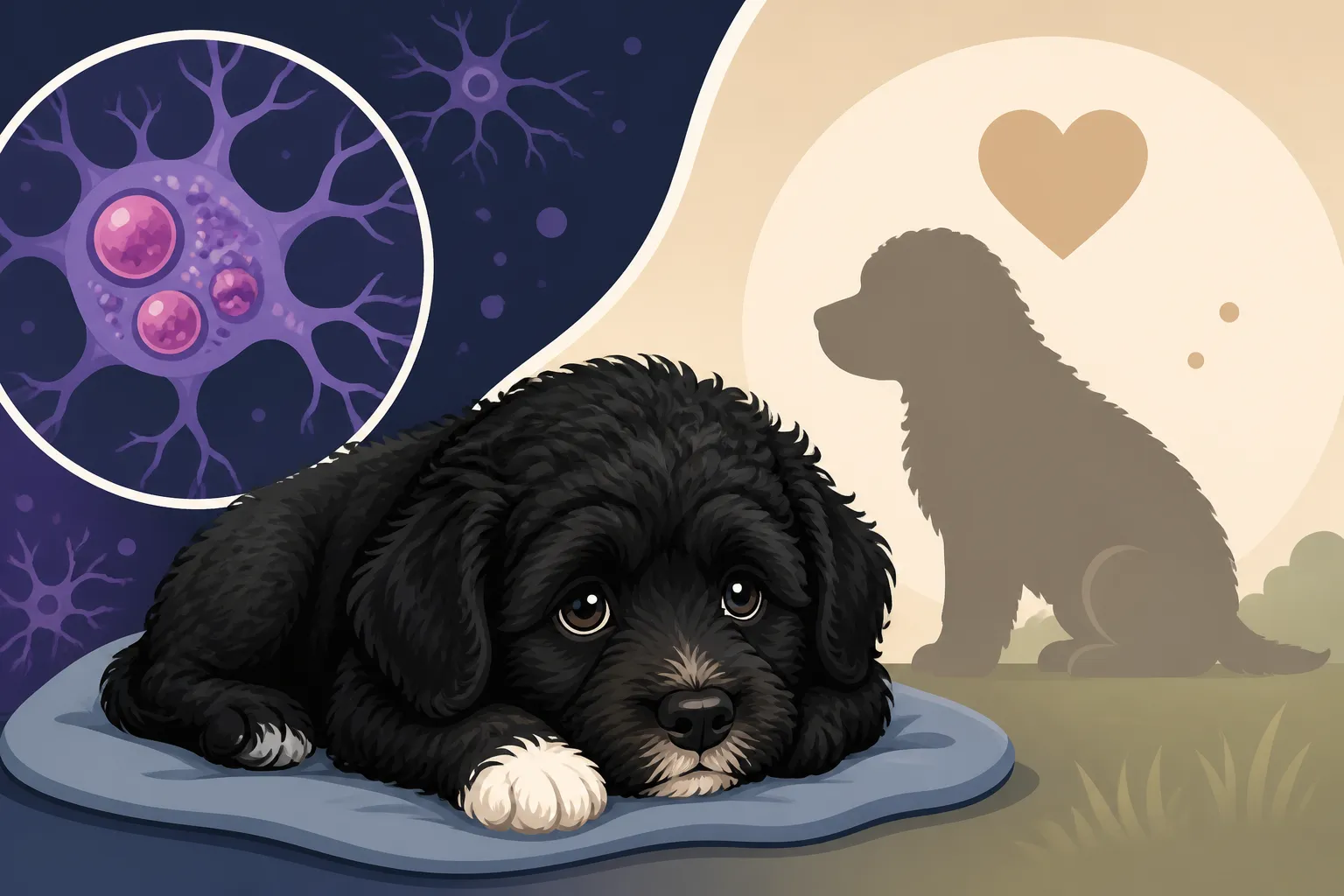
GM1 Gangliosidosis and the Portuguese Water Dog Puppy That Never Reaches Six Months
There’s arguably no heartbreak quite like that of a Portuguese Water Dog puppy diagnosed with GM1 Gangliosidosis. It’s a devastating genetic condition that robs families of the joy of watching their energetic little companion grow, ensuring a tragically short life, with most affected puppies never making it to their six-month birthday. This guide will walk you through understanding GM1, recognizing its insidious signs, and the critical role responsible breeding plays in preventing such sorrow.
Understanding GM1 Gangliosidosis: What Exactly Is It?
GM1 Gangliosidosis is a cruel, inherited neurological disease that impacts several breeds, including our beloved Portuguese Water Dogs. It's a lysosomal storage disorder, which sounds incredibly technical, but what it boils down to is a failure in the body's cellular cleanup crew. Imagine tiny garbage disposal units within each cell; when they don't work correctly, waste builds up, eventually overwhelming the cell and causing severe damage. In the case of GM1, this waste primarily accumulates in the brain and nervous system, leading to the devastating symptoms we see.
What GM1 Gangliosidosis Does to a Portuguese Water Dog
When a Portuguese Water Dog is affected by GM1, its body can't properly break down a specific type of fat molecule called GM1 ganglioside. Normally, an enzyme called beta-galactosidase handles this job, ensuring these molecules are recycled or removed. But in a GM1-affected puppy, this enzyme is deficient or completely absent. The result? Those GM1 gangliosides start piling up, particularly in the brain, spinal cord, and other organs. This accumulation disrupts normal cellular function, leading to progressive neurological deterioration. It's not just a minor issue; it's a systemic breakdown that rapidly impacts their ability to move, see, and function. The initial signs might seem subtle, almost like clumsy puppy behavior, but they quickly escalate into undeniable problems.
The Genetic Basis: How GM1 is Inherited
GM1 Gangliosidosis is inherited in an autosomal recessive pattern. What this means for Portuguese Water Dog owners and breeders is crucial: a puppy must inherit two copies of the defective gene—one from each parent—to be affected by the disease. If a puppy inherits only one copy, it becomes a "carrier." Carriers are completely healthy themselves; they show no signs of the disease and live full, normal lives. However, they can pass that single defective gene on to their offspring. This is why testing the parents before breeding is paramount. Without knowing the genetic status of both dam and sire, a breeder could unknowingly pair two carriers, resulting in an entire litter where some puppies might be affected, some carriers, and some clear. It's a genetic lottery that no responsible breeder wants to gamble with, especially given the tragic outcome for affected pups.
The Role of Beta-Galactosidase Enzyme
To truly grasp the devastation of GM1, it helps to understand the star player in this biochemical drama: the beta-galactosidase enzyme. This enzyme is like a tiny pair of molecular scissors, specifically designed to snip off a sugar molecule from the GM1 ganglioside, initiating its breakdown. When this enzyme is missing or defective, those scissors are blunt or simply not there. The GM1 gangliosides, instead of being broken down and disposed of, just keep accumulating inside the lysosomes—those cellular recycling centers. This buildup acts like internal sludge, clogging the cell's machinery, causing it to swell and eventually preventing it from working correctly. Think of a drain slowly getting clogged with grease; eventually, nothing can pass through. This is happening at a microscopic level throughout the affected puppy's nervous system, leading to the progressive and irreversible damage that defines GM1.
Recognizing the Early Warning Signs in PWD Puppies
One of the most heart-wrenching aspects of GM1 Gangliosidosis is how it first manifests. Puppies are usually born looking perfectly healthy and behave like any normal, playful Portuguese Water Dog pup for the first few weeks or even months. Then, subtle changes begin to appear, often dismissed initially as typical puppy clumsiness or a growth spurt imbalance. Knowing precisely what to look for can help owners and breeders identify the problem sooner, even if the outcome remains the same.
Signs a Portuguese Water Dog Puppy Has GM1
The initial signs of GM1 in a Portuguese Water Dog puppy often begin between 2 to 5 months of age. You might first notice a slight unsteadiness in their gait, a clumsiness that seems a bit more pronounced than normal puppy antics. They might trip over their own feet more often, or have difficulty coordinating their movements, especially when trying to run or jump. This isn't just a puppy who hasn't found its feet yet; it's a developing neurological problem. Other signs include a visible tremor, particularly when they are excited or trying to focus on something. You might also observe difficulty with balance, a wide-legged stance, or even head tremors. As the disease progresses, these motor skill deficits become more pronounced and undeniable. For a more detailed look, consider reading our article on Signs a Portuguese Water Dog Puppy Has GM1.
Subtle Behavioral Changes to Watch For
Beyond the physical clumsiness, there can be subtle behavioral shifts that an astute owner might pick up on. A GM1-affected puppy might seem a little more anxious or disoriented than its littermates. They might have difficulty recognizing familiar faces or spaces, or appear to stare blankly at objects. While Portuguese Water Dogs are typically intelligent and quick to learn, a puppy with GM1 might show a noticeable delay in learning simple commands or house-training cues. They might also exhibit changes in their eating habits, perhaps struggling to chew or swallow effectively, leading to weight loss despite a good appetite. Pay close attention to their overall demeanor; a healthy Portuguese Water Dog puppy is usually full of zest and curiosity. A sudden or gradual dulling of this vibrant personality can be a red flag.
Progressive Neurological Symptoms
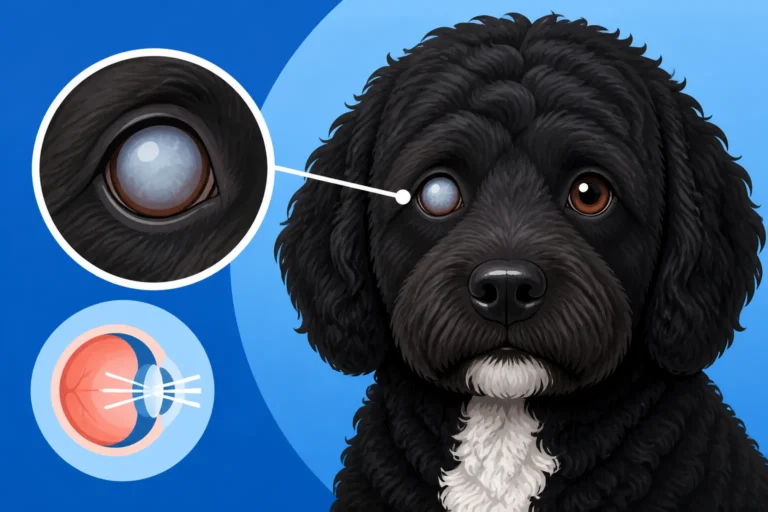
As the disease takes hold and the GM1 gangliosides continue to accumulate, the neurological symptoms become impossible to ignore. The initial clumsiness will worsen, progressing to severe ataxia, meaning a complete lack of muscle coordination. The tremors become more constant and noticeable, and the puppy might develop muscle weakness, struggling to stand or walk without assistance. Vision impairment is another common and devastating symptom, as the buildup of waste products can affect the eyes, leading to cloudiness or outright blindness. Eventually, the puppy will lose the ability to control its bodily functions, struggling with incontinence and even the simple act of eating and drinking becomes a challenge. The decline is typically rapid and relentless, leading to a profound impact on the puppy's quality of life.
The Heartbreaking Progression of GM1
The journey of a Portuguese Water Dog puppy with GM1 Gangliosidosis is, tragically, a one-way street of rapid decline. It’s a gut-wrenching experience for anyone witnessing it, as these once vibrant pups fade before your eyes, often succumbing to the disease before they even reach their first half-birthday. There’s no pause, no remission, only a relentless march of neurological deterioration.
Why a GM1 Puppy Loses Coordination
The progressive loss of coordination in a GM1 puppy stems directly from the ongoing damage to the central nervous system. As those toxic GM1 gangliosides accumulate in the brain and spinal cord, they disrupt the delicate electrical signals that tell the muscles what to do. Imagine a complex computer system starting to short-circuit in multiple places. The cerebellum, which is the part of the brain responsible for coordinating voluntary movements and balance, is particularly hard hit. When the cerebellum isn't functioning correctly, the puppy can't gauge distances, maintain equilibrium, or execute smooth, controlled movements. This leads to the characteristic unsteady gait, wide stance, and tremors you’ll observe. It’s not that the puppy is unwilling to move, but rather that its brain can no longer effectively communicate with its body. You can read more about this specific symptom in Why a GM1 Puppy Loses Coordination.
Whether a GM1 Portuguese Water Dog Has Seizures
While not always the earliest or most prominent symptom, seizures can absolutely be a part of the cruel progression of GM1 Gangliosidosis in a Portuguese Water Dog. The accumulation of abnormal substances in the brain irritates neuronal cells, disrupting their normal electrical activity and leading to uncontrolled bursts of activity that manifest as seizures. These can range from subtle focal seizures, where you might notice twitching in a limb or facial muscle, to full-blown grand mal seizures involving the entire body, with loss of consciousness and violent muscle contractions. The occurrence and severity of seizures can vary from dog to dog, but when they do appear, they add another layer of distress to an already agonizing condition, further confirming the widespread neurological damage occurring. It's a terrifying thing to witness in any dog, let alone a tiny puppy already struggling. For more insights, check out Whether a GM1 Portuguese Water Dog Has Seizures.
The Cruel Reality of a Short Lifespan
This is the hardest truth to confront about GM1 Gangliosidosis: it's invariably fatal, and it takes its victims quickly. Most Portuguese Water Dog puppies diagnosed with GM1 will not survive beyond six months of age. The progressive neurological decline eventually renders them unable to walk, eat, or even breathe effectively. The decision often falls to loving owners to make the compassionate choice of euthanasia to prevent further suffering once the quality of life has severely diminished. There is currently no cure or effective treatment that halts the progression of GM1. This grim prognosis underscores the absolute necessity of genetic testing in breeding programs to prevent the birth of affected puppies entirely, sparing both the animals and their human families from this profound grief.
Diagnosing GM1: From Suspect to Confirmed
The moment you notice something "off" with your Portuguese Water Dog puppy, your heart sinks. The suspicion of a serious health issue is terrifying, and the path to a definitive diagnosis can be fraught with anxiety. For GM1 Gangliosidosis, while the symptoms paint a clear picture as they progress, confirming the diagnosis involves specific genetic testing that has revolutionized how we approach this disease.
When the GM1 DNA Test Became Available
The development of a reliable DNA test for GM1 Gangliosidosis was a monumental breakthrough for the Portuguese Water Dog community, and frankly, for several other breeds affected by this condition. Before the test became available, diagnosing GM1 was often a post-mortem affair, or based on clinical signs and exclusion of other diseases, which meant many affected puppies suffered without a clear understanding of their condition. The DNA test, which identifies the specific genetic mutation responsible for GM1, came into widespread use around the early 2000s, varying slightly by breed and research progress. This relatively recent development has given breeders an invaluable tool to identify carriers and affected dogs before breeding, effectively preventing the birth of puppies with this devastating disease. This test allows breeders to make informed decisions and is a cornerstone of responsible breeding practices today. You can learn more about its impact in When the GM1 DNA Test Became Available.
The Diagnostic Process: What to Expect at the Vet
If you suspect your Portuguese Water Dog puppy might have GM1, your first step is an urgent visit to your veterinarian. They will conduct a thorough physical and neurological examination, looking for those tell-tale signs like ataxia, tremors, vision problems, and loss of coordination. Your vet might suggest ruling out other common puppy ailments or neurological conditions through blood tests, imaging (like MRI), or even a spinal tap, especially if GM1 isn't common in your specific regional lines or if the clinical signs are atypical. However, the definitive diagnosis for GM1 Gangliosidosis in a Portuguese Water Dog is through a DNA test. This usually involves a simple cheek swab or blood sample that is sent to a specialized veterinary genetics laboratory. The results will confirm whether the puppy is clear, a carrier, or, tragically, affected. This genetic test is a non-invasive, highly accurate way to get an answer.
Differentiating GM1 from Other Neurological Conditions
It's crucial for veterinarians to differentiate GM1 from other neurological conditions that can present with similar symptoms in young puppies. For instance, some balance issues could stem from inner ear infections, or certain nutritional deficiencies could cause neurological signs. Other genetic disorders, such as Juvenile Dilated Cardiomyopathy Kills a Portuguese Water Dog Puppy Fast or certain forms of progressive retinal atrophy (like Two Kinds of Retinal Atrophy in a Portuguese Water Dog), while devastating, present differently. A comprehensive veterinary work-up is essential to ensure the correct diagnosis. This includes blood tests to check for metabolic issues, imaging to look for structural abnormalities in the brain or spine, and possibly CSF (cerebrospinal fluid) analysis. The unique aspect of GM1, however, is the very specific pattern of ganglioside accumulation that can be seen on tissue samples (though typically not done on live animals) and, most importantly, the identifiable genetic mutation. The DNA test eliminates the guesswork and provides a definitive answer, allowing for informed decisions regarding care and future breeding.
Living with a GM1 Affected Puppy (Though Brief)
When a diagnosis of GM1 Gangliosidosis is confirmed for your beloved Portuguese Water Dog puppy, it’s like a punch to the gut. The dreams you had for your active, water-loving companion vanish, replaced by the grim reality of a rapidly progressing, incurable disease. While the time you have together will be tragically short, focusing on their comfort and quality of life during those precious weeks is paramount.
Whether GM1 Changes a Portuguese Water Dog's Temperament
One might wonder if such a devastating disease alters a puppy's inherent temperament. Initially, a GM1-affected Portuguese Water Dog puppy might still display glimpses of the breed's characteristic joyful and intelligent nature. They might still seek out affection, attempt to play, and show interest in their surroundings. However, as the neurological damage progresses, the disease can indeed change their temperament, though perhaps not in the way one might expect. The confusion, disorientation, and physical discomfort caused by GM1 can lead to increased anxiety, fearfulness, or irritability. A once playful puppy might become withdrawn or even snap if startled or in pain due to their declining senses and coordination. They might struggle to process information or recognize familiar cues, leading to frustration. It's not a change in their core personality, but rather the overwhelming impact of brain degeneration. Understanding this can help owners adapt their interactions, providing a calm, predictable, and supportive environment to minimize stress during their brief time.
Supportive Care and Palliative Measures
Since there is no cure for GM1 Gangliosidosis, care for an affected Portuguese Water Dog puppy focuses entirely on supportive and palliative measures. The goal is to maximize their comfort and quality of life for as long as possible, which typically spans only a few short weeks or months after diagnosis. This might include ensuring they have easy access to food and water, perhaps using elevated bowls or hand-feeding as coordination declines. Soft, comfortable bedding is essential to prevent pressure sores, especially if mobility is severely restricted. Your vet might prescribe medications to manage symptoms like tremors or potential seizures, should they occur. Maintaining a clean environment is also crucial, as incontinence can become an issue. Regular, gentle physical therapy might help maintain some muscle mass and comfort, though it won't stop the disease progression. It’s about providing tender, loving care to ease their journey. Some pet insurance providers, like Healthy Paws, might offer limited coverage for palliative care, but it’s essential to check policy details as genetic conditions diagnosed early can sometimes fall under exclusions or waiting periods.
The Emotional Toll on Families
The emotional toll of living with a GM1-affected Portuguese Water Dog puppy is immense. Families often grapple with intense grief, guilt, and helplessness. Watching a vibrant puppy rapidly decline, losing its ability to play, walk, or even interact, is profoundly traumatic. There’s the constant worry, the exhaustion of providing intensive care, and the agonizing anticipation of the inevitable. Support groups, whether online or in person, can be invaluable for connecting with others who understand this unique heartbreak. A compassionate veterinarian can also provide guidance and emotional support, helping families make difficult decisions about when to let go. It's okay to feel overwhelmed and devastated; it's a testament to the love you have for your furry family member. Remember, you are giving them the best possible comfort and love during their short, difficult life, and that is a profound gift.
Prevention and Responsible Breeding Practices
While dealing with an affected puppy is heartbreaking, the silver lining in the cloud of GM1 Gangliosidosis is that it is entirely preventable through responsible breeding. Genetic testing has completely changed the landscape for Portuguese Water Dog breeders, allowing them to make informed decisions that safeguard the health of future generations. This proactive approach is the most powerful tool we have against such devastating inherited diseases.
How the GM1 Test Changed Portuguese Water Dog Breeding
Before the GM1 DNA test, breeders were essentially breeding in the dark when it came to this specific condition. They could only react to affected puppies, which meant significant heartache, financial strain, and the propagation of carrier genes. The advent of the test allowed breeders to definitively identify if a dog was clear, a carrier, or affected by GM1. This knowledge empowered them to make calculated breeding decisions, such as never breeding two carriers together. If a known carrier must be bred for other valuable traits, they must only be bred with a "clear" mate. This pairing ensures that while some offspring might be carriers, no puppies will be born affected by GM1. The test transformed breeding from a reactive process to a proactive one, significantly reducing the incidence of this tragic disease in the breed. To delve deeper into this, our article on How the GM1 Test Changed Portuguese Water Dog Breeding offers further insights.
Whether a GM1 Carrier Portuguese Water Dog Is Affected
This is a common and very important question: does being a carrier mean a Portuguese Water Dog will eventually get sick? The answer, unequivocally, is no. A GM1 carrier Portuguese Water Dog is completely healthy and unaffected by the disease. They possess one normal copy of the gene and one mutated copy. The single normal gene is sufficient to produce enough of the essential beta-galactosidase enzyme, preventing the buildup of GM1 gangliosides. These dogs live full, normal, active lives, just like their clear counterparts. The only significance of being a carrier is their ability to pass the mutated gene to their offspring. This is why responsible breeders test all breeding stock and meticulously plan pairings to avoid producing affected puppies. It’s crucial for potential puppy buyers to understand this distinction; owning a carrier dog does not mean you own a sick dog. Our piece on Whether a GM1 Carrier Portuguese Water Dog Is Affected provides more context.
The Ethical Breeder's Role in Eradicating GM1
Ethical Portuguese Water Dog breeders are the frontline defense against GM1. Their role goes far beyond simply producing puppies; it encompasses a deep commitment to the health and well-being of the breed. This means:
- Mandatory Genetic Testing: All breeding stock should be tested for GM1 Gangliosidosis (along with other crucial health screenings like The Four DNA Tests Every Portuguese Water Dog Breeder Runs). Reputable breeders will be transparent with these results and provide proof.
- Strategic Pairing: Never breeding two GM1 carriers together. If a carrier is used in a breeding program (which is sometimes necessary to maintain genetic diversity, especially in breeds with a How Narrow the Portuguese Water Dog Gene Pool Is), it must be paired with a GM1 clear dog.
- Transparency with Buyers: Openly discussing GM1 and other health concerns with prospective puppy owners, explaining the genetic implications, and providing copies of the parent's health clearances.
- Health Guarantees: Offering health guarantees in their contracts that address genetic conditions.
By adhering to these rigorous standards, ethical breeders effectively eliminate the possibility of producing puppies affected by GM1, significantly improving the overall health of the breed and preventing untold heartache. Always ask a breeder about their health testing protocols and demand to see verifiable results for all relevant genetic diseases. A reputable breeder will have no problem sharing these details and educating you. In fact, a good breeder will often have done more than just the basics, they should really have tested for What a Portuguese Water Dog Breeder Should Have Tested.
The Current Status of GM1 in the PWD Population
Thanks to widespread genetic testing and the dedication of responsible breeders, the landscape of GM1 Gangliosidosis within the Portuguese Water Dog population has dramatically improved. It's a testament to how proactive health management and scientific advancements can truly make a difference in canine welfare. While the threat can never be completely eradicated as long as carriers exist, its prevalence has significantly diminished.
Whether GM1 Still Appears in Portuguese Water Dogs
The good news is that due to the diligent efforts of responsible breeders and the availability of DNA testing, GM1 Gangliosidosis is now a relatively rare occurrence in Portuguese Water Dogs from reputable lines. When breeders know the genetic status of their breeding animals, they can prevent affected puppies from being born. However, "rare" doesn't mean "zero." Occasionally, an affected puppy might still appear if:
- Untested Parents: Breeding animals were used without proper GM1 testing, perhaps by an uninformed or irresponsible breeder.
- Breeding Errors: A human error occurred in record-keeping or pairing, though this is uncommon with careful protocols.
- New Mutations: While extremely rare, a spontaneous new mutation could theoretically occur, though this isn't typically how established genetic diseases operate.
The key takeaway is that if you are acquiring a Portuguese Water Dog puppy from a responsible breeder who performs comprehensive health testing, the risk of your puppy being affected by GM1 is exceedingly low. It's important to ask for proof of testing for the parents. For more context, check out Whether GM1 Still Appears in Portuguese Water Dogs.
Impact of Genetic Testing on Breed Health
The impact of genetic testing for GM1 and other inherited diseases on Portuguese Water Dog breed health cannot be overstated. It has shifted the paradigm from managing disease to preventing it. By allowing breeders to identify carriers, they can make informed decisions to breed away from the mutated gene without excessively narrowing the gene pool. This means healthier puppies are being born, reducing the suffering associated with these conditions. It also saves prospective owners from the heartbreak and significant financial burden that comes with caring for a seriously ill puppy (even if they have pet insurance like Healthy Paws, genetic conditions can be tricky depending on when diagnosed). This proactive approach has made the Portuguese Water Dog, as a breed, much healthier than it might have been without these advancements, showcasing the power of scientific tools in breed preservation.
The Future of GM1 Eradication Efforts
While GM1 is well-controlled, the ultimate goal for the Portuguese Water Dog community is its complete eradication, meaning no carriers exist within the breeding population. This is a long-term endeavor that requires continued vigilance and commitment from every breeder. Ongoing efforts include:
- Universal Testing: Encouraging all breeders, even those who breed occasionally, to consistently test their breeding stock.
- Educating New Breeders: Ensuring that newcomers to Portuguese Water Dog breeding understand the importance of genetic testing and responsible pairing.
- Maintaining Genetic Diversity: While working to reduce carrier frequency, breeders must also be mindful of maintaining a broad genetic base to prevent other health issues arising from overly narrow breeding programs. This means carefully utilizing carriers with exceptional qualities by pairing them with clear dogs, rather than simply removing them from the gene pool entirely.
- Research & Monitoring: Supporting ongoing research to understand canine genetics better and to monitor for any new or emerging health concerns.
Through these continuous efforts, the future for Portuguese Water Dogs looks bright, with GM1 Gangliosidosis hopefully becoming a tragic memory of the past, rather than a present threat. The success story of managing GM1 stands as a powerful example of what can be achieved when scientific tools and dedicated breeders work hand-in-hand for the betterment of a beloved breed.
GM1 Gangliosidosis: Key Information Summary
To help you quickly reference the crucial aspects of GM1 Gangliosidosis in Portuguese Water Dogs, here's a helpful table summarizing the key information:
| Aspect | Description |
|---|---|
| What it is | An inherited, fatal neurological lysosomal storage disorder where a critical enzyme (beta-galactosidase) is missing, leading to toxic fat accumulation (GM1 gangliosides) primarily in the brain and nervous system. |
| Inheritance Pattern | Autosomal Recessive. Puppy must inherit two copies of the mutated gene (one from each parent) to be affected. Carriers (one mutated gene) are healthy but can pass the gene on. |
| Age of Onset | Typically between 2 to 5 months of age. |
| Early Signs | Progressive clumsiness, unsteadiness (ataxia), tremors (especially when excited/focused), difficulty with balance, wide-legged stance, subtle behavioral changes, disorientation. |
| Progression | Rapid and relentless. Worsening coordination, muscle weakness, vision impairment (cloudiness/blindness), potential seizures, difficulty eating/swallowing, incontinence. |
| Prognosis | Invariably fatal. Affected puppies rarely survive beyond 6 months of age. No cure or effective treatment exists. |
| Diagnosis | Definitive diagnosis is made via a DNA test using a cheek swab or blood sample. Clinical signs and exclusion of other conditions may precede genetic testing. |
| Prevention | Responsible breeding practices. All breeding stock should be DNA tested for GM1. Two carriers should never be bred together. If a carrier is used, it must be bred to a clear dog. |
| Current Status in PWD | Rare in Portuguese Water Dogs from reputable breeders due to widespread genetic testing and diligent breeding practices. |
Disclaimer
This article is intended for informational purposes only and does not constitute veterinary medical advice. Always consult with a qualified veterinarian for any health concerns or before making any decisions about your pet's care.