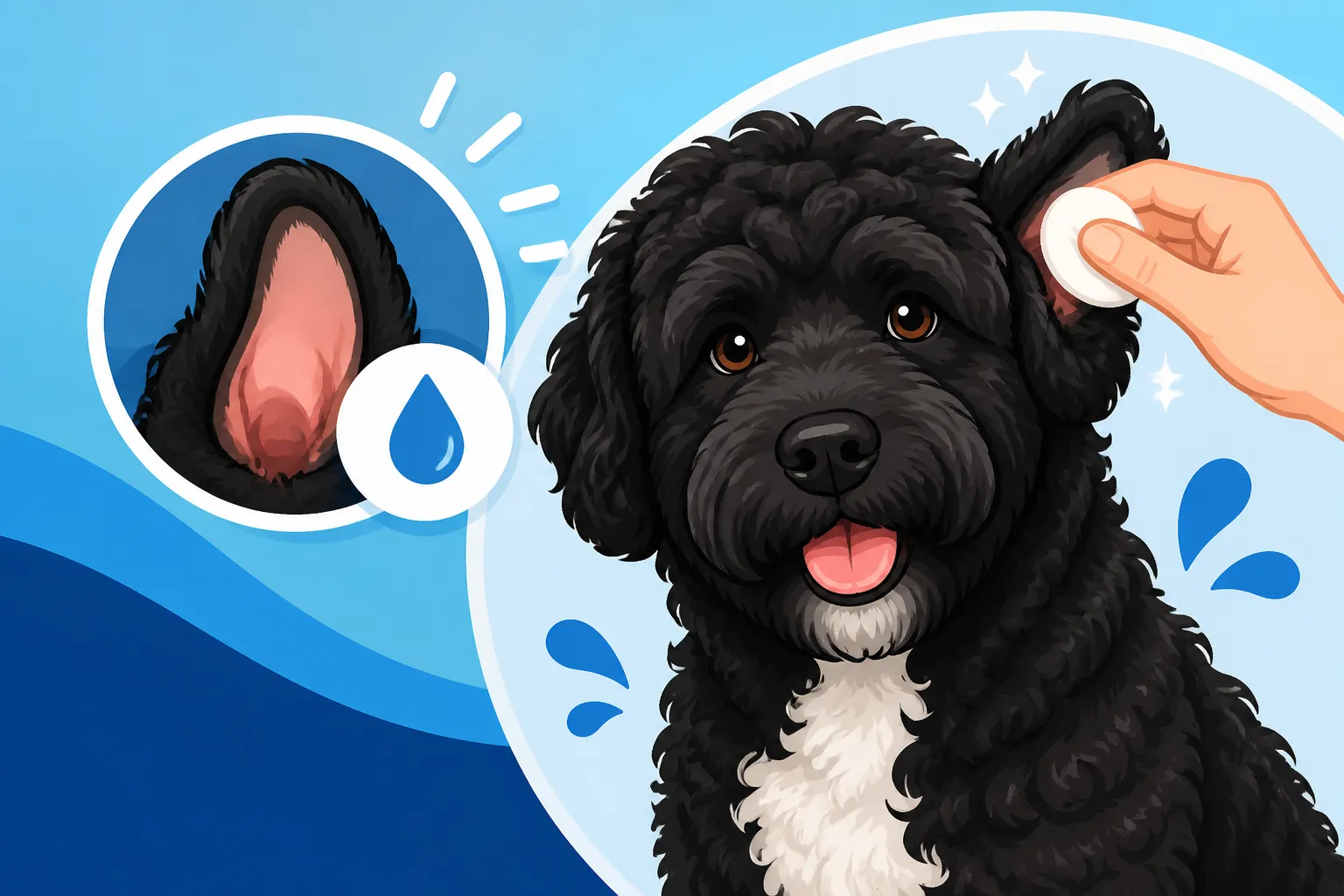
How Often a Swimming Portuguese Water Dog Needs Ear Cleaning
One of the most common worries for Portuguese Water Dog owners, especially those whose beloved companions live up to their breed's name and spend a lot of time in the water, is the dreaded ear infection. It's a frustrating cycle: your dog loves to swim, which is fantastic for their physical and mental health, but all that water in their unique ear canals can lead to a painful, smelly problem. This guide is here to walk you through exactly how often your swimming Portuguese Water Dog needs ear cleaning, why it's so important, and how to keep those ears healthy and happy.
The Unique Challenges of a Portuguese Water Dog's Ears
Our wonderful Portuguese Water Dogs are built for the water. From their webbed feet to their dense, single coat, every part of them is designed to thrive in aquatic environments. But what makes them such superb swimmers can also create a perfect storm for ear issues if we're not vigilant. It's a double-edged sword: you want them to enjoy their natural instincts, but you also want to prevent discomfort and costly vet visits.
Why Water Is Both Friend and Foe to Their Ears
Imagine diving into the cool lake water with your PWD, watching them retrieve a buoy with unbridled joy. It's pure bliss, right? However, for their ears, every swim is an invitation for moisture to settle deep within the ear canal. Unlike some breeds with open, airy ear canals, the Portuguese Water Dog often has a denser growth of hair inside their ears, which can act like a tiny dam, trapping water and humidity. This warm, moist environment is the absolute ideal breeding ground for bacteria and yeast, leading to those all-too-common ear infections. It’s not just dirty water that’s the culprit; even clean pool water, if left to sit, can cause problems. It's a constant battle against nature, and you need to be prepared. This is precisely Why a Swimming Dog Gets Ear Infections.
The Importance of Proactive Ear Care
I've been there, watching my own PWD shake his head furiously, scratching at an ear that was clearly bothering him. It's heartbreaking and, frankly, easily preventable with a consistent routine. Proactive ear care isn't just about avoiding a vet bill, although that's certainly a bonus; it's about ensuring your dog's comfort and quality of life. An ear infection isn't just itchy; it can be incredibly painful, causing your dog to shy away from head rubs or even become irritable. Ignoring the early signs can lead to more severe, chronic infections that are harder to treat and can sometimes even affect their hearing long-term. Establishing a regular cleaning schedule means you're actively working to keep that delicate ear environment balanced, preventing the conditions where those nasty invaders can thrive. Think of it as part of their essential What a Portuguese Water Dog Needs Every Day.
Establishing a Regular Ear Cleaning Routine for Swimming PWDs
Now, let's get down to the nitty-gritty: how often should you actually be cleaning those ears? There isn't a single, universal answer because every dog and every lifestyle is a little different. However, for a Portuguese Water Dog that loves to swim, "as needed" usually translates to "pretty often."
The 'How Often' Question: Factors to Consider
The frequency of ear cleaning for your swimming Portuguese Water Dog largely depends on a few key factors:
- How Often They Swim: This is the big one. If your PWD is a daily swimmer, whether in a pool, lake, or ocean, their ears will need more frequent attention. For dogs that swim every day, a gentle ear cleaning or at least a thorough drying immediately after each swim session is highly recommended. For those who swim a few times a week, a cleaning every 2-3 days might suffice, always with a good drying afterward. If swimming is an occasional treat, say once a week or less, then cleaning once a week should be a good starting point. The goal is to never let moisture linger.
- Type of Water: Saltwater from the ocean, while sometimes having a natural drying effect, can also be irritating if left in the canal. Lake or pond water, especially stagnant areas, can introduce more bacteria and debris. Chlorinated pool water can be drying and irritating to some dogs. Each type of water brings its own set of challenges, and the dirtier the water, the more diligent you need to be.
- Individual Ear Anatomy and History: Some PWDs have naturally tighter ear canals or more hair growth inside, making them more prone to trapping moisture and developing infections. If your dog has a history of recurrent ear infections, you'll need to be extra diligent, possibly even more so than the general recommendations. Conversely, if your PWD has never had an ear infection despite frequent swimming, you might be able to stretch the cleaning interval a bit, but still never neglect the post-swim drying. It's truly a personalized approach.
- Climate and Humidity: In hot, humid climates, moisture evaporates more slowly, increasing the risk. During summer months, you might need to step up your routine compared to drier seasons.
Consider this table as a general guide, but always adjust based on your dog's specific needs and your vet's advice:
| Swimming Frequency | Water Type | Recommended Ear Care Action | Ear Cleaning Frequency (Approximate) |
|---|---|---|---|
| Daily | Lake, Ocean, Pool | Thorough drying after EACH swim. | Every 1-2 days |
| Several times/week | Lake, Ocean, Pool | Thorough drying after EACH swim. | Every 2-3 days |
| Weekly | Lake, Ocean, Pool | Thorough drying after EACH swim. | Once a week |
| Occasional (rare) | Lake, Ocean, Pool or Bathed | Thorough drying after EACH water exposure. | Once every 1-2 weeks |
| Rarely (dry dog) | N/A | Routine checks for dirt/odor. | Every 2-4 weeks |
Remember, the goal is to keep the ear canal dry and clean. It's a delicate balance; over-cleaning can also cause irritation, so finding that sweet spot for your individual dog is key. You're trying to prevent Whether a Portuguese Water Dog's Ear Canal Stays Wet for too long.
Step-by-Step Guide to Effective Ear Cleaning
Alright, you've decided on your frequency, now how do you actually do it? It's not as daunting as it might seem, but technique matters.
- Gather Your Supplies: Before you even bring your PWD over, have everything ready. You'll need a good quality, vet-approved ear cleaning solution (look for one designed for dogs, ideally with a drying agent, perhaps one you found on Chewy or Amazon), plenty of cotton balls or gauze squares (avoid cotton swabs, as they can push debris further in), and a towel or two. Having a few treats on hand also doesn't hurt!
- Position Your Dog: Find a comfortable spot where your dog feels secure. For smaller PWDs, a table might work. For larger ones, kneeling beside them on the floor is often best. Offer calm reassurance.
- Apply the Cleaner: Gently lift your dog's ear flap. Hold the bottle of ear cleaner above the ear canal and squeeze a generous amount into the ear. You want enough to fill the canal, but don't force it.
- Massage the Base of the Ear: This is crucial! With the cleaner in, gently massage the base of your dog's ear for about 20-30 seconds. You should hear a squishy sound, which means the cleaner is breaking up wax and debris. Your dog might shake their head, which is normal – step back or hold the towel up to catch the spray!
- Wipe It Out: After massaging and the initial head shake (if it happens), take a clean cotton ball or gauze square and gently wipe out the visible portion of the ear canal and the underside of the ear flap. Don't go poking deep into the canal. You're just removing the loosened debris and excess solution. Use fresh cotton balls until no more dirt or wax comes out.
- Repeat (if needed): Some heavily soiled ears might need a second round of cleaner and massage.
- Reward and Praise: Always end on a positive note with plenty of praise and treats. This helps create a positive association with ear cleaning, making future sessions easier.
For more detailed information on product choices, you can check out What to Clean a Portuguese Water Dog's Ears With. Remember, the goal is to clean and dry, not to scrub or irritate.
Recognizing the Signs of Trouble and When to Seek Professional Help
Even with the most diligent ear cleaning routine, infections can sometimes sneak in. It's vital to know what to look for so you can address problems quickly before they escalate. Early detection is often the key to a faster, less complicated recovery for your PWD.
Telltale Signs of an Ear Infection
Your Portuguese Water Dog can't tell you in words that their ear hurts, so it's up to us to observe their behavior and physical signs. Here are the common indicators that an ear infection might be brewing:
- Excessive Head Shaking: This is often one of the first and most obvious signs. If your dog is shaking their head much more than usual, especially tilting it to one side, it's a strong indicator of discomfort.
- Persistent Scratching: Pawing or scratching at the affected ear, sometimes to the point of causing raw spots or even bleeding around the ear flap, is another clear signal.
- Redness and Inflammation: Gently lift the ear flap and look inside. Is the skin redder than usual? Swollen? Does it look irritated?
- Unpleasant Odor: A healthy ear should have a very mild, neutral scent. If you notice a strong, yeasty, or foul odor coming from the ear, that's a classic sign of an infection.
- Discharge: Look for any abnormal discharge. This could be dark brown, black, yellow, or greenish, and it might be waxy, crusty, or liquid.
- Sensitivity to Touch: If your dog flinches, whines, or pulls away when you try to touch their ear or even the side of their head, it's a sign of pain.
- Reluctance to Play or Changes in Demeanor: Severe ear infections can make a dog feel generally unwell. They might be less active, more withdrawn, or even a bit irritable.
- Rubbing Ears on Furniture/Carpet: Another way dogs try to relieve the itch is by rubbing their ears against surfaces.
Don't ignore these signs! Even a minor ear flick can escalate into a full-blown infection rapidly. For a deeper dive into recognizing these symptoms, refer to Signs a Portuguese Water Dog's Ear Is Infected.
When Your Vet Becomes Your Best Friend
If you observe any of the signs mentioned above, it's time to call your veterinarian. Attempting to self-diagnose and treat an ear infection with over-the-counter remedies can actually make the situation worse, especially if you're dealing with a ruptured eardrum or a specific type of bacterial or yeast infection that requires targeted medication.
Here's what to expect and why professional intervention is so important:
- Proper Diagnosis: Your vet will use an otoscope to look deep into the ear canal, checking for foreign bodies, excessive debris, inflammation, and the condition of the eardrum. They might also take a swab of the discharge for cytology, which involves examining the cells under a microscope to identify the specific type of bacteria or yeast causing the infection. This tells them exactly what medication will be most effective.
- Tailored Treatment: Based on the diagnosis, your vet will prescribe the appropriate treatment, which could include medicated ear drops (antibacterial, antifungal, or anti-inflammatory), oral antibiotics, or other systemic medications. They'll show you how to administer the medication properly and advise on the duration of treatment.
- Addressing Underlying Causes: Sometimes, ear infections are a symptom of a larger problem, such as allergies (food or environmental), thyroid issues, or even polyps. Your vet can help investigate and address these underlying conditions to prevent future recurrences.
- Preventing Complications: Untreated ear infections can lead to chronic pain, hearing loss, or even spread to the middle or inner ear, causing more severe neurological issues. Prompt veterinary care prevents these serious complications.
I know, I know, vet visits can feel like a hit to the wallet, and ear issues are often recurring. But trust me, catching an infection early and treating it correctly is far less expensive and less stressful than dealing with a chronic or severe case. It can save you from bigger headaches down the road, both literally for your dog and figuratively for your budget. You can get a sense of the financial aspect by looking at What a Portuguese Water Dog's Ear Infection Costs to Treat.
Complementary Care and Long-Term Strategies
Beyond regular cleaning and swift vet visits for infections, there are other aspects of care that can contribute to your Portuguese Water Dog's overall ear health and reduce the likelihood of those pesky infections cropping up. Think of it as a holistic approach to keeping those ears in tip-top shape.
The Role of Diet and Overall Health
You might not immediately connect what your dog eats with their ear health, but there's a significant link! Allergies, particularly food allergies, often manifest as skin and ear problems in dogs. If your PWD is experiencing recurrent ear infections despite a solid cleaning routine, it might be worth discussing potential allergies with your vet.
- Food Sensitivities: Certain ingredients in dog food can trigger an inflammatory response that leads to itchy, irritated skin and ears, making them more susceptible to infection. Your vet might suggest an elimination diet or special hypoallergenic food. Brands like Ollie, which offers fresh, human-grade food, can sometimes be a good option for dogs with sensitivities, as their ingredients are often simpler and more transparent, but always consult with your vet before making significant dietary changes.
- Overall Immune System: A balanced, nutritious diet supports a strong immune system, which is your dog's first line of defense against any invaders, including those that cause ear infections. Ensure your PWD is getting high-quality food appropriate for their activity level and age. Supplements like omega-3 fatty acids can also contribute to skin and coat health, which indirectly benefits ear health by reducing inflammation.
Remember, a healthy dog from the inside out is better equipped to fight off infections.
Grooming Practices Beyond Cleaning
Your PWD's amazing coat, while low-shedding and visually striking, requires consistent grooming, and that includes specific attention to their ears.
- Hair Removal in the Ear Canal: This is a topic that often generates debate among PWD owners and even veterinarians. Some Portuguese Water Dogs have a lot of hair growing inside their ear canals, which, as we've discussed, can trap moisture and debris. Gently plucking this hair (either by hand or with specific grooming tools) can improve air circulation and reduce moisture buildup. However, it must be done carefully, as improper plucking can cause micro-traumas to the skin, leading to irritation or even infection. Many owners prefer to have a professional groomer or veterinarian perform this task. If you're considering it, discuss it with your vet or a knowledgeable groomer first. You can learn more about this by reading Whether a Portuguese Water Dog's Ear Hair Should Be Removed and Whether Plucking a Portuguese Water Dog's Ear Hair Helps.
- Thorough Drying After Every Swim: I cannot emphasize this enough! After your PWD's fantastic swim, it's not enough to just towel-dry their body. Their ears need special attention. Use a soft towel or a cotton ball to gently wipe out the outer ear canal. You can also use a low-setting hairdryer, held at a safe distance, to ensure the inner ear is dry. This is especially important for Whether a Portuguese Water Dog's Ears Should Be Dried Inside. Many owners also use an ear drying solution (again, check Chewy or Amazon for options) after swims. These solutions often contain ingredients like boric acid or witch hazel, which help evaporate remaining moisture. They are different from cleaners and are specifically designed to dry the ear canal without causing irritation. These drying solutions can be incredibly helpful for Whether an Ear Drying Solution Helps a Portuguese Water Dog.
- Regular Trimming Around the Ear Flap: While not directly inside the canal, keeping the hair around the ear flap trimmed can also help with air circulation and prevent matting that could potentially trap moisture against the ear.
By combining a proactive approach to cleaning, being vigilant for signs of infection, and integrating these complementary grooming and health practices, you'll be well on your way to keeping your Portuguese Water Dog's ears healthy, comfortable, and ready for their next adventure in the water.
Disclaimer
This article is for general informational purposes only and does not constitute professional advice. Laws, prices and regulations vary by location and change over time. Consult a qualified professional for guidance on your specific situation.