Whether Plucking a Portuguese Water Dog’s Ear Hair Helps
Many Portuguese Water Dog owners, myself included, have wrestled with the frustrating challenge of recurrent ear infections. It often feels like you’ve tried everything, from diligent cleaning to special diets, and still, those persistent head shakes and itchy ears return. One piece of advice you might hear, especially from older grooming traditions, is to pluck the hair from inside your PWD's ears. But does this practice actually help, or could it be making things worse? This guide will dive deep into the world of PWD ear health, examining the pros and cons of ear hair plucking and offering alternative, vet-approved strategies to keep your beloved water dog's ears healthy and happy.
The Unique Challenges of Portuguese Water Dog Ears
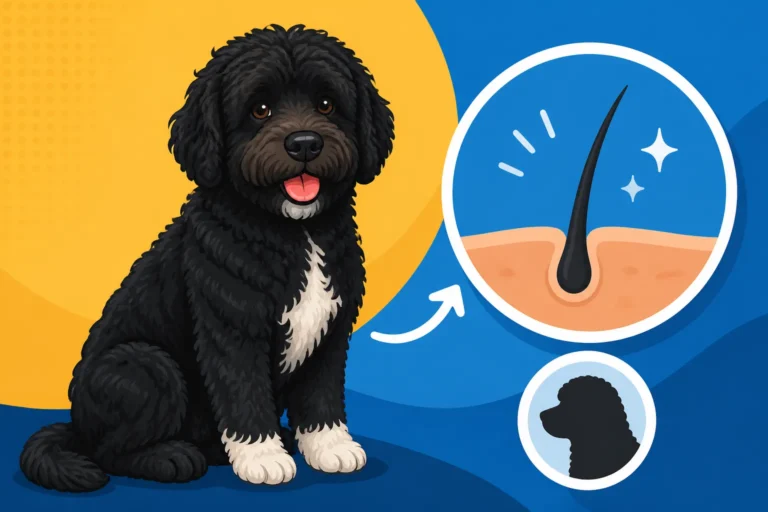
Portuguese Water Dogs are, quite literally, built for the water. Their dense, single coat, often described as curly or wavy, is a marvel for repelling moisture and insulating them in cold seas. Their powerful, rudder-like tail helps them navigate, and their webbed feet are perfect paddles. But while their aquatic adaptations are truly impressive, their ears often present a challenge that many owners find themselves constantly battling.
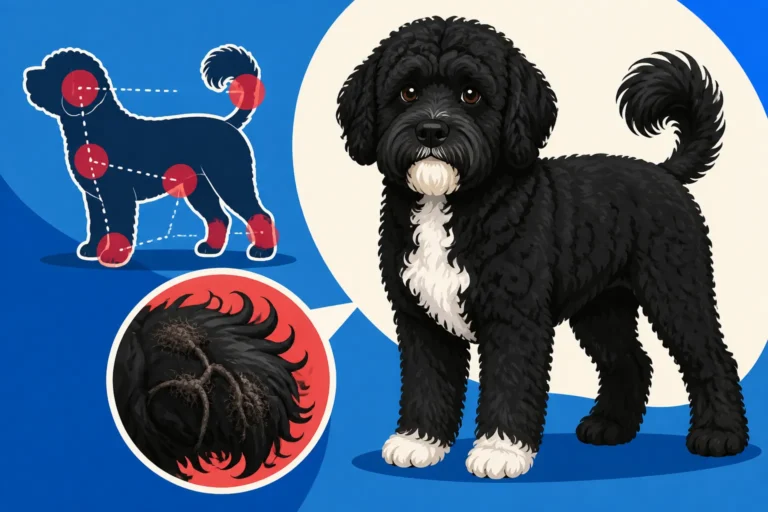
Think about it: PWDs have those lovely, floppy ears that hang down, creating a warm, dark, and often humid environment within the ear canal. Couple this with their naturally dense coat, which extends right into the ear canal, and you have a perfect storm for trouble. This combination traps moisture, debris, and warmth – exactly what yeast and bacteria thrive on. Every splash in the lake, every swim in the ocean, and even a damp day can introduce more moisture and foreign particles into this already vulnerable space. It's no wonder many PWDs seem to constantly struggle with their ears! As a PWD owner, you quickly learn that regular ear checks are not just a recommendation but a necessity to stay ahead of potential problems. Why a Portuguese Water Dog's Ears Need Checking Every Week is a crucial read for any owner.
The anatomy of a Portuguese Water Dog's ear canal is also a factor. It's L-shaped, which means it has a bend that can make it harder for air to circulate and for natural drainage to occur. Hair growing deep within this canal acts like a little net, catching wax, dirt, and water, and preventing that vital airflow. This trapped gunk, combined with moisture, becomes a breeding ground for those unwelcome guests – yeast and bacteria – leading to inflammation, itching, and eventually, full-blown infections. It’s a constant battle against nature, and understanding these inherent challenges is the first step toward effective ear care. If you've ever wondered Whether a Portuguese Water Dog's Ear Canal Stays Wet, the answer is often "yes," and this contributes significantly to their predisposition to ear issues.
To Pluck or Not To Pluck: Weighing the Options
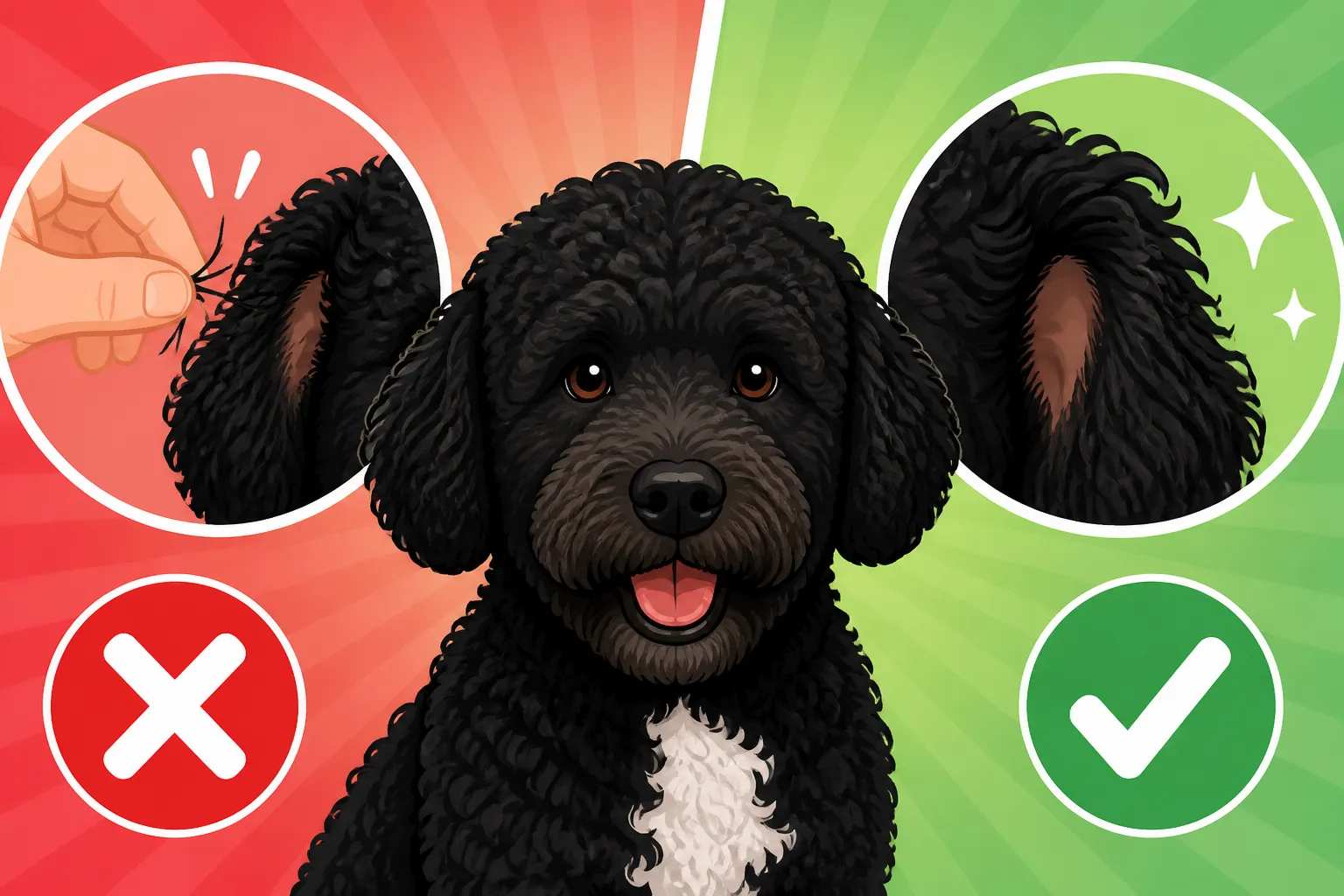
For many years, and still in some circles, ear hair plucking has been seen as a standard grooming practice for breeds with hairy ear canals like the Portuguese Water Dog. The idea is simple: remove the hair to improve airflow, reduce moisture retention, and prevent debris from getting trapped, thereby preventing infections. On the surface, it sounds logical, right? Less hair, more air, fewer problems. However, modern veterinary science and experienced groomers often have a more nuanced, and sometimes opposing, view on this practice.
Arguments for Ear Hair Plucking
Proponents of ear plucking often point to a few key benefits. By removing the dense hair deep within the ear canal, you theoretically create a more open environment. This increased ventilation can help evaporate moisture more quickly after a swim or bath, reducing the damp conditions that yeast and bacteria love. Removing the hair also eliminates the "net" that traps excess wax, dirt, and water, which can otherwise accumulate and contribute to blockages and infections. For dogs with exceptionally thick hair that completely occludes the ear canal opening, some argue that plucking is the only way to effectively manage the environment and allow topical medications to penetrate. It’s about trying to change the microclimate inside the ear to make it less hospitable for pathogens.
Arguments Against Ear Hair Plucking
Despite the perceived benefits, there's a growing consensus among veterinarians and many professional groomers that routine ear plucking can actually do more harm than good. When you pluck hair, you are essentially pulling it out by the root. This process can be quite painful for your dog, even if they tolerate it stoically, and can cause tiny tears or micro-trabras to the delicate skin lining the ear canal. These microscopic wounds are perfect entry points for bacteria and yeast, potentially causing an infection rather than preventing one. The irritation can also lead to inflammation, making the ear canal even more swollen and less accessible to air and cleaning solutions.
Furthermore, some argue that repeated plucking can stimulate thicker hair growth, creating a vicious cycle where more hair grows back, leading to more plucking and more trauma. It's like shaving stubble; it often grows back thicker. If you suspect your Portuguese Water Dog might have an ear infection, knowing Signs a Portuguese Water Dog's Ear Is Infected is far more important than reaching for the plucking tools. These signs—like excessive scratching, head shaking, redness, or a foul odor—always warrant a vet visit, not a DIY plucking session.
Here's a quick comparison of the perceived pros and cons:
| Feature | Perceived Benefit of Plucking | Potential Drawback of Plucking |
|---|---|---|
| Airflow | Improves ventilation, reduces moisture | Can cause irritation, inflammation, swelling |
| Debris Trapping | Eliminates hair "net" for wax, dirt, water | Micro-trauma allows pathogen entry |
| Infection Risk | Thought to reduce risk by drying ear canal | Can introduce infection via open follicles |
| Comfort | Some dogs feel relief if canal was blocked | Painful procedure, can cause anxiety |
| Hair Growth | Removes existing hair | May stimulate thicker regrowth, creating cycle |
Ultimately, whether plucking "helps" is highly debatable and often depends on the individual dog and the severity of their ear hair growth. For many PWDs, the trauma caused by plucking may outweigh any potential airflow benefits, especially if done incorrectly or too frequently.
Practical Strategies for Maintaining Healthy Portuguese Water Dog Ears
Given the potential downsides of ear plucking, what are the best ways to keep your Portuguese Water Dog's ears healthy? The good news is there are several effective, vet-recommended strategies that focus on proactive care and minimal invasion. The goal is to create an environment that discourages the growth of yeast and bacteria without causing undue stress or injury to your dog's sensitive ears.
Regular, Gentle Cleaning
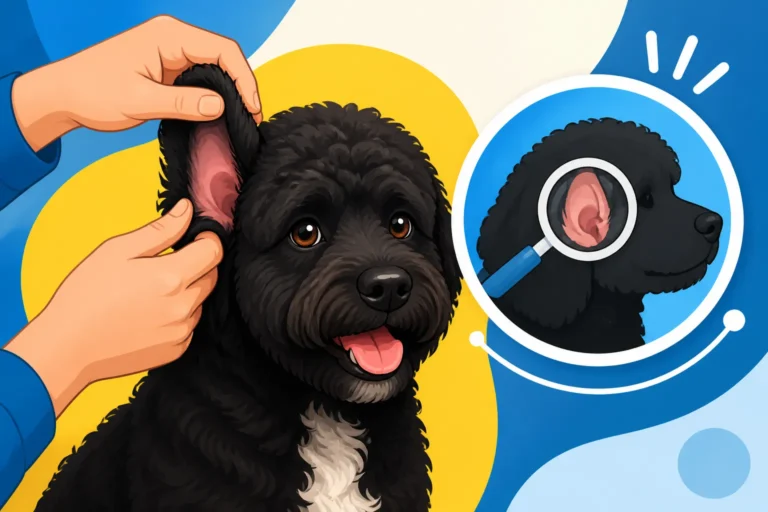
One of the most crucial steps is a consistent ear cleaning routine. This doesn't mean digging deep into the ear canal with cotton swabs – please don't do that! Instead, use a veterinarian-approved ear cleaning solution designed for dogs. These solutions are formulated to break down wax and debris while also having drying and sometimes antimicrobial properties. To clean effectively, gently lift your PWD's ear flap, insert the tip of the cleaner bottle just into the opening of the ear canal, and squeeze to fill the canal with solution. Then, massage the base of the ear vigorously for about 30 seconds. You'll hear a squishing sound, which means the solution is working its way down and loosening gunk. Finally, allow your dog to shake their head (stand back!). This shaking action helps expel the loosened debris and excess solution. Use a cotton ball or soft tissue to wipe away any visible gunk from the outer ear and the entrance to the canal. Remember, the goal is to clean, not to sterilize, and certainly not to irritate. What to Clean a Portuguese Water Dog's Ears With provides excellent details on selecting the right products. Many quality ear cleaners can be found on online retailers like Chewy or Amazon, making it convenient to keep your supplies stocked.
Thorough Drying After Water Activities
This is absolutely paramount for a water-loving breed like the PWD. Every time your dog goes for a swim, has a bath, or even gets caught in the rain, moisture can get trapped in those floppy, hairy ear canals. After any water exposure, you must ensure their ears are thoroughly dried. Gently blot the outer ear and the visible part of the canal with a soft towel or cotton ball. For deeper drying, a low-setting dog-specific hair dryer (held at a safe distance and never pointed directly into the ear canal) can be beneficial, or simply allow ample air-drying time in a warm, dry environment. This step is critical in preventing the warm, moist environment that encourages infections. Don't underestimate how much water those dense PWD ears can hold!
Strategic Trimming, Not Plucking, for Airflow
Instead of painful plucking, consider strategic trimming of the hair around the opening of the ear canal. A professional groomer or your veterinarian can carefully use blunt-nosed scissors or electric clippers with a very small blade to trim the hair that is growing excessively around the entrance of the ear canal. This opens up the area, allowing for better airflow and easier access for cleaning solutions, without causing the micro-trauma associated with plucking. The goal is to create an open pathway, not to remove all hair from deep inside the canal. Discussing this with your groomer can be helpful, especially if you're exploring Whether a Portuguese Water Dog's Ear Hair Should Be Removed for better ear health. A skilled groomer will know how to manage the hair without irritating the sensitive skin.
Addressing Underlying Issues Like Allergies
Sometimes, recurrent ear infections aren't just about trapped moisture; they're a symptom of an underlying issue, most commonly allergies. Portuguese Water Dogs, like many breeds, can suffer from environmental allergies (pollen, dust mites) or food allergies. When a dog has allergies, their immune system overreacts, leading to inflammation and itching not just on the skin but also in the ears. This chronic inflammation makes the ears more susceptible to secondary yeast and bacterial infections. If your PWD has chronic ear problems despite diligent cleaning and drying, it's worth exploring potential allergies with your vet. This might involve diet trials with novel protein or hydrolyzed protein foods, or allergy testing. Specialized diets, sometimes offered by brands like Ollie, can be a part of managing food sensitivities that impact ear health. This holistic approach looks beyond just the ear itself to identify and manage systemic causes of inflammation.
When to Call the Vet
While proactive ear care is essential, there are definitely times when you need to step back from home remedies and call in the professionals. Portuguese Water Dogs are notoriously stoic, and they can often hide discomfort until a problem is quite advanced. Learning to recognize the early warning signs of an ear infection or other ear issue is vital for their well-being.
If you notice any of these symptoms, it's time to schedule an appointment with your veterinarian:
- Persistent scratching or rubbing: If your dog is constantly pawing at their ears or rubbing their head against furniture or the floor, it's a clear sign of discomfort.
- Head shaking: While some head shaking is normal, excessive or frequent head shaking often indicates irritation or fluid in the ear.
- Redness or swelling: A healthy ear canal should be a pale pink. Any visible redness, inflammation, or swelling, especially inside the ear flap, is a red flag.
- Foul odor: A healthy ear has a very faint, neutral smell. A strong, yeasty, or unpleasant odor is almost always indicative of an infection.
- Discharge: Any discharge—yellow, brown, black, waxy, or pus-like—is not normal and requires veterinary attention.
- Pain or sensitivity: If your PWD cries out, pulls away, or becomes aggressive when you try to touch their ears, they are in pain.
- Changes in behavior: Lethargy, loss of appetite, or general irritability can sometimes accompany more severe ear infections.
- Hearing loss or imbalance: While less common, severe ear infections can sometimes affect hearing or balance.
Remember that trying to treat a severe infection at home with over-the-counter remedies can delay proper diagnosis and treatment, potentially leading to more chronic issues or even permanent damage. Your veterinarian can accurately diagnose the type of infection (bacterial, yeast, or mites) through cytology (looking at a sample under a microscope) and prescribe the most effective medication, whether it's topical drops, oral antibiotics, or anti-inflammatories. They can also explore if an ear infection is actually related to a broader issue, such as a foreign object, a polyp, or a systemic allergy. How Often a Portuguese Water Dog Gets an Ear Infection can provide more context on the prevalence of this issue in the breed, highlighting the need for vigilance and professional care. Ultimately, a healthy Portuguese Water Dog is a happy Portuguese Water Dog, and sometimes that means relying on expert help to keep them thriving. What a Portuguese Water Dog Needs Every Day includes diligent health monitoring, and ear care is certainly a big part of that.
Dealing with your Portuguese Water Dog's ear health can feel like a never-ending saga, but it's a vital part of responsible ownership. While the idea of plucking ear hair might seem like a quick fix, the potential for pain, irritation, and even new infections often outweighs any perceived benefit. Instead, focus on a consistent routine of gentle cleaning with appropriate solutions, thorough drying after every water adventure, and strategic trimming of external ear hair to promote airflow. If you find yourself consistently battling ear issues, remember that chronic problems often point to underlying allergies or other conditions that require a veterinarian's expertise. By taking a proactive, gentle approach and knowing when to seek professional help, you can help ensure your PWD's ears stay as healthy and happy as the rest of them.
Disclaimer
This article is for general informational purposes only and does not constitute professional advice. Laws, prices and regulations vary by location and change over time. Consult a qualified professional for guidance on your specific situation.