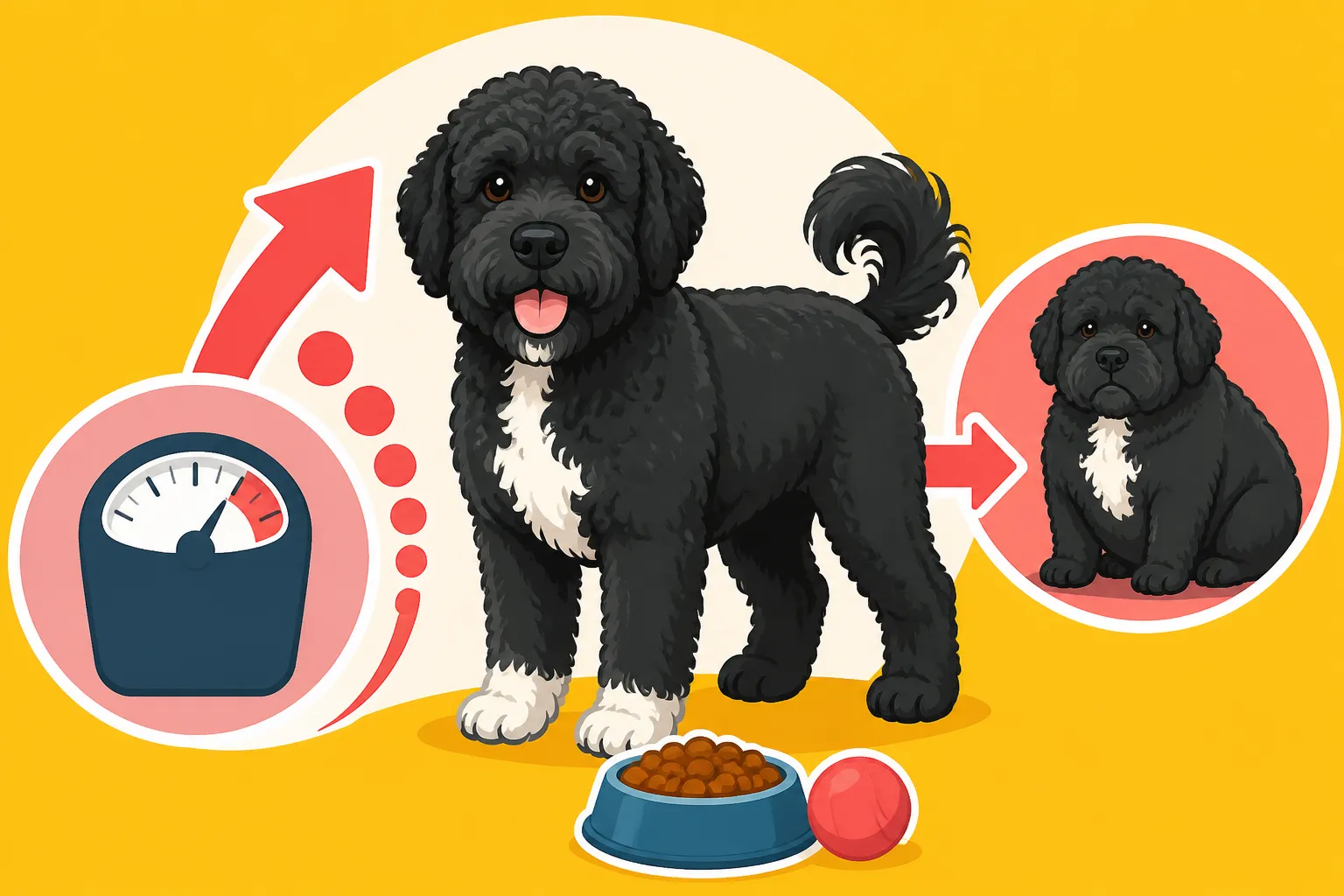
How Easily a Portuguese Water Dog Gains Weight
It’s a scenario many Portuguese Water Dog owners find themselves in: one day you’re admiring your sleek, athletic companion, and the next, you notice a certain roundness creeping in. Despite their reputation as energetic, active dogs, Portuguese Water Dogs can put on weight surprisingly easily, often before owners even realize it. This guide will walk you through why PWDs are prone to weight gain, what factors contribute to those extra pounds, and most importantly, how to keep your beloved water dog healthy and trim for a long, vibrant life.
Understanding the Portuguese Water Dog's Metabolism
Portuguese Water Dogs are a breed forged by a history of hard work alongside fishermen on the coasts of Portugal. This heritage has imbued them with an athletic build and a metabolism designed for sustained activity. When their modern lives don't align with these inherent needs, weight gain can become a real challenge.
The Active Working Dog Heritage
Imagine a Portuguese Water Dog from generations past, leaping from boat to boat, retrieving lost tackle, driving fish into nets, and swimming for hours in the chilly Atlantic. This wasn't just a hobby; it was their job, and their very survival depended on their strength, agility, and endurance. Their bodies evolved to be efficient calorie burners, constantly fueled by demanding physical tasks. They needed quick bursts of energy and the stamina to keep going all day.
This means their natural metabolic rate is geared towards processing a lot of calories to support an incredibly active lifestyle. They weren't bred to be couch potatoes; they were maritime athletes. Their dense, waterproof coats also helped them regulate body temperature in cold waters, contributing to a robust physical makeup. Understanding this deep-seated need for activity is the first step in appreciating why weight management is so critical.
Energy Needs vs. Sedentary Lifestyle
Fast forward to today, and most Portuguese Water Dogs aren't working on fishing boats. While many enjoy swimming, dock diving, or agility, their daily activity often pales in comparison to their ancestors' demanding lives. This creates a significant mismatch: a dog with a working dog's metabolism living a pet dog's reality.
If a PWD isn't getting the intense, consistent exercise their genetics call for – perhaps a daily long walk isn't cutting it, or swimming sessions are infrequent – their body still expects a certain intake of calories. When those calories aren't burned off, they're stored as fat. It's not a matter of a "slow" metabolism, but rather a metabolism perfectly efficient at storing energy for work that simply isn't happening. Many owners are surprised to learn how few calories their active-looking dog actually needs if that activity isn't truly strenuous, working-dog level. This subtle shift in lifestyle is often the silent culprit behind a creeping weight problem.
Common Reasons a PWD Puts on Pounds
It's rarely one single thing that causes a Portuguese Water Dog to gain weight; more often, it's a combination of factors that slowly add up over time. Identifying these common traps is crucial for preventing and reversing weight gain.
Overfeeding and Portion Control
This is, hands down, the biggest reason dogs gain weight. It sounds simple, but it's incredibly easy to overfeed. Maybe you're not accurately measuring your dog's food, simply eyeballing it, or you're free-feeding, allowing them access to a full bowl all day. For a PWD, especially one not working on a boat, those extra kibbles quickly become extra pounds. Many high-quality dog foods, often found on platforms like Chewy, provide clear feeding guidelines on their packaging. However, these are often just starting points and need to be adjusted based on your dog's individual metabolism, age, and actual activity level.
Consider a typical scenario: you pour what looks like a reasonable amount of kibble into the bowl, perhaps a bit more because your PWD just had a good run at the park. But that "good run" might not have burned as many calories as you think. Then, multiple family members might all contribute to the food bowl or treat jar without coordinating. Before you know it, your dog is consuming far more calories than they need to maintain a healthy What a Portuguese Water Dog Weighs and How to Keep It There. Learning How Much an Adult Portuguese Water Dog Eats in relation to their actual energy expenditure is vital for portion control.
Insufficient Exercise
Portuguese Water Dogs thrive on activity. They are part of the Working Group for a reason! They need vigorous physical exercise combined with mental stimulation. A quick walk around the block, while better than nothing, simply isn't enough to satisfy their intrinsic need to move and work. If a PWD isn't getting adequate exercise, their calorie needs plummet, and any excess food rapidly turns into stored fat.
An under-exercised PWD isn't just prone to weight gain; they can also develop behavioral issues as they try to burn off pent-up energy in less constructive ways. Think destructive chewing, excessive barking, or constant demand for attention. This isn't just about walks; it's about active engagement. Swimming, fetch, hiking, agility, or even advanced obedience training can help burn calories and keep their minds sharp. Neglecting these needs means their body will hold onto every extra calorie, leading to a heavier, less happy dog. If you're wondering What an Under Exercised Portuguese Water Dog Does, weight gain is definitely on the list alongside the more obvious destructive behaviors.
Treats, Table Scraps, and Hidden Calories
Ah, the silent saboteurs! Treats are a wonderful tool for training and bonding, but they are also packed with calories. Many owners don't account for the calories in treats when calculating their dog's daily intake. A few biscuits here, a dental chew there, and suddenly you've added an entire meal's worth of calories without even realizing it. The same goes for table scraps. While a tiny morsel of plain chicken might seem harmless, human food is often much richer and higher in calories, fat, and sodium than dog food.
Beyond direct treats and scraps, think about other hidden calories. Some medications come in palatable chews that add calories. Shared ice cream cones on a hot day, or a piece of cheese when you're making a sandwich – these small indulgences accumulate. Even "healthy" dog chews or long-lasting toys can contribute significantly to calorie intake if not factored into the daily total. It's easy to forget these little extras, but they are often the tipping point that pushes a PWD into an unhealthy weight range.
Practical Strategies to Manage Your PWD's Weight
Successfully managing your Portuguese Water Dog's weight requires a multi-faceted approach that addresses diet, exercise, and consistent monitoring. It's a commitment, but one that pays off in a happier, healthier companion.
Accurate Feeding and Calorie Management
The first step is to be precise with food. Invest in a proper measuring cup or, even better, a kitchen scale to weigh your dog’s kibble. Dry kibble can vary wildly in density, so a cup measurement might not be consistent. Consult your veterinarian for a target weight and daily calorie recommendation. This isn't a one-size-fits-all number; it's tailored to your individual dog. Many dog food brands, including those found on Chewy or specialized pet stores, provide excellent guidance. If you're using a fresh food service like Ollie, ensure you're adjusting portions precisely based on their guidelines and your dog's actual needs.
Once you have a target calorie count, subtract the calories from treats and chews from their main meal portion. If your dog gets 50 calories in training treats throughout the day, reduce their dinner by that amount. Distribute their meals into two or three smaller servings daily to help manage hunger and metabolism. For PWDs who gulp their food, consider slow-feeder bowls or puzzle toys, easily found on Amazon. These not only make mealtime last longer but also provide a little mental engagement, which is crucial for a smart breed like the PWD. Remember that How Much a Working Portuguese Water Dog Eats will be vastly different from a less active companion, so adjust accordingly.
Boosting Activity Levels and Mental Stimulation
Remember that working dog heritage? Your PWD needs a job, even if that job is just playing fetch for an hour straight or practicing complex tricks. Aim for at least 60-90 minutes of vigorous exercise daily, broken into multiple sessions. This doesn't mean just letting them out in the yard; it means active engagement. Swimming is fantastic for PWDs as it's low impact and uses all their muscles, burning a lot of calories. Exploring new hiking trails, engaging in vigorous games of fetch in a large field, or enrolling in dog sports like agility, obedience, or dock diving are all excellent ways to burn energy.
Mental stimulation is just as important. A mentally tired dog is often a physically content dog. Incorporate daily training sessions, puzzle toys, sniff walks where they can explore scents, or even hide-and-seek games. A PWD that's bored or under-stimulated can become destructive or anxious, which can sometimes manifest as overeating or demanding food. Providing outlets for both their physical and mental energy will significantly aid in weight management and overall well-being.
Regular Monitoring and Veterinary Partnership
Consistent monitoring is key. While their dense, curly coat can sometimes hide weight fluctuations, it's important to know How a Portuguese Water Dog's Coat Hides Weight Loss and gain. You should be able to easily feel your PWD's ribs without seeing them, and they should have a discernible waist when viewed from above. Use this simple "rib test" regularly. Weigh your dog at home weekly or bi-weekly if you have a reliable scale, or during vet visits. If you're unsure How Often a Portuguese Water Dog Should Be Weighed, a regular schedule helps you catch small changes before they become big problems.
Your veterinarian is your most valuable partner in weight management. They can assess your dog's ideal weight, create a personalized diet and exercise plan, and rule out any underlying medical conditions that might contribute to weight gain, such as hypothyroidism. They can also provide guidance on safe weight loss rates and adjust medication dosages if necessary. Don't hesitate to schedule a "weight check" visit if you're concerned. They can also help you understand Signs a Portuguese Water Dog Is Overweight with an objective eye.
The Long-Term Health Risks of PWD Obesity
Beyond the aesthetic concerns, allowing a Portuguese Water Dog to carry extra weight has serious, long-term implications for their health, quality of life, and even lifespan. It's not just about looking good; it's about feeling good and staying healthy.
Joint Strain and Mobility Issues
One of the most immediate and significant impacts of excess weight on a Portuguese Water Dog is the strain it puts on their joints. PWDs are naturally athletic, built for movement, and while they are generally a robust breed, conditions like Hip Dysplasia in a Portuguese Water Dog and elbow dysplasia can occur. Carrying even a few extra pounds dramatically increases the stress on their hips, elbows, knees, and spine. This accelerated wear and tear can lead to premature arthritis, making movement painful and difficult.
An overweight PWD will be less inclined to run, jump, and swim, creating a vicious cycle where decreased activity leads to more weight gain and further joint deterioration. This can severely limit their ability to enjoy the very activities that make them so happy and fulfilled. The zest for life, the eager retrieve, the powerful swim – all these can be diminished by the chronic pain and stiffness that obesity brings, making their golden years far less comfortable than they should be. The age at which The Age a Portuguese Water Dog Gets Arthritis can be significantly lowered by sustained excess weight.
Increased Risk of Other Health Conditions
Obesity isn't just a cosmetic issue or a problem for joints; it's a systemic disease that impacts nearly every organ system in a dog's body. An overweight Portuguese Water Dog is at a significantly higher risk for developing a host of other serious health problems. These include diabetes, where their body struggles to regulate blood sugar, and various forms of heart disease, as their cardiovascular system works harder to support the extra mass. Their respiratory system can also be affected, leading to breathing difficulties, especially in warmer weather or during exercise.
Furthermore, excess fat tissue is not inert; it's metabolically active, producing hormones that can contribute to inflammation throughout the body. This chronic inflammation can exacerbate existing conditions and potentially increase the risk of certain types of cancer. Overweight dogs may also have compromised immune systems, making them more susceptible to infections. Even simple procedures like anesthesia become riskier for an obese dog. Managing their weight is one of the most proactive steps you can take to protect your PWD from a myriad of potentially life-threatening conditions, ensuring they can enjoy The Twelve to Fifteen Years a Portuguese Water Dog Gets to their fullest.
| Trait/Condition | Ideal Weight PWD | Overweight PWD |
|---|---|---|
| Ribs | Easily felt, like knuckles on a loosely clenched fist | Difficult to feel, require pressure |
| Waistline | Clearly visible tuck behind the ribs | Little to no tuck, may bulge out |
| Abdomen | Flat, not sagging | Rounded or pendulous, may have a fat pad |
| Energy Level | Enthusiastic, eager to play and exercise | Lethargic, less interested in activity |
| Stamina | Can sustain vigorous activity without tiring quickly | Tires easily, may pant excessively after minor exertion |
| Coat Appearance | Healthy, vibrant, well-maintained | May appear dull, more prone to matting |
| Mobility | Agile, moves freely and easily | Stiff, reluctant to jump or run, possible lameness |
Disclaimer
This article is for general informational purposes only and does not constitute professional advice. Laws, prices and regulations vary by location and change over time. Consult a qualified professional for guidance on your specific situation.