Getting Weight Off a Portuguese Water Dog
It's incredibly frustrating, isn't it, when you start to suspect your beloved Portuguese Water Dog is carrying a few extra pounds? Their gorgeous, dense, and often curly or wavy coat is fantastic for keeping them warm in the water, but it's also a master of disguise. That fluffy exterior can hide a multitude of sins, making it genuinely tough to spot weight creep until it's become a real problem. This guide is here to walk you through the subtle signs, the common reasons, and the practical, actionable steps you can take to help your PWD shed those extra pounds safely and get back to their optimal, agile self.
The Subtle Signs Your Portuguese Water Dog is Carrying Too Much Weight
Because of their unique coat, telling if your Portuguese Water Dog is overweight can be a real challenge. You can't just glance at them and know, not like you might with a short-haired breed. It requires a bit more hands-on detective work and keen observation of their behavior. Many owners miss the early signs, only realizing there's an issue when the weight has already become significant.
Feeling for Ribs and Hip Bones
This is hands-down the most reliable way to assess your PWD's body condition. Visual cues are often deceiving due to their thick, water-resistant coat. What looks like a perfectly normal silhouette might actually be hiding excess fat underneath. You need to get your hands on them and literally feel what's going on.
To perform this check correctly, start by placing your thumbs on your dog’s backbone and spreading your fingers across their rib cage. You should be able to feel their ribs quite easily, almost like running your hand over a washboard, but without pressing hard. There should be a thin layer of fat covering them, but you shouldn't have to push to locate them. If you're feeling for those ribs and it's like searching for hidden treasure under a thick blanket, that's a red flag. You're definitely looking for the subtle definition, not a prominent, bony feel, but definitely not a smooth, uninterrupted layer of padding. Similarly, you should be able to lightly feel their hip bones, though these might be a bit harder to discern depending on their coat type and thickness. Don't be fooled by their luxurious fur; a healthy How to Feel a Portuguese Water Dog's Ribs Under the Coat PWD should still have a discernible structure beneath.
Changes in Energy Levels and Movement
Portuguese Water Dogs are renowned for their boundless energy and their love for activity, especially swimming. They are working dogs through and through, bred to be agile and tireless. So, if you notice your PWD slowing down, seeming less enthusiastic about playtime, or tiring more quickly during walks or swims, it could very well be a sign they're carrying too much weight. Extra pounds put a strain on their joints, heart, and lungs, making even their favorite activities feel more like a chore.
Think about their typical behavior: are they usually the first one at the door, ready for an adventure? Do they bounce with excitement at the sight of a retrieve toy? If that enthusiasm has waned, or if they're panting more heavily than usual after a moderate romp, it's worth considering their weight. It's easy to dismiss these changes as "just getting older," especially in middle-aged dogs, but often, proper weight management can significantly boost their vitality. A PWD should ideally maintain their zest for life and activity well into their senior years, provided they are kept at a healthy weight and given the right support.
Observing Their Body Shape and Waistline
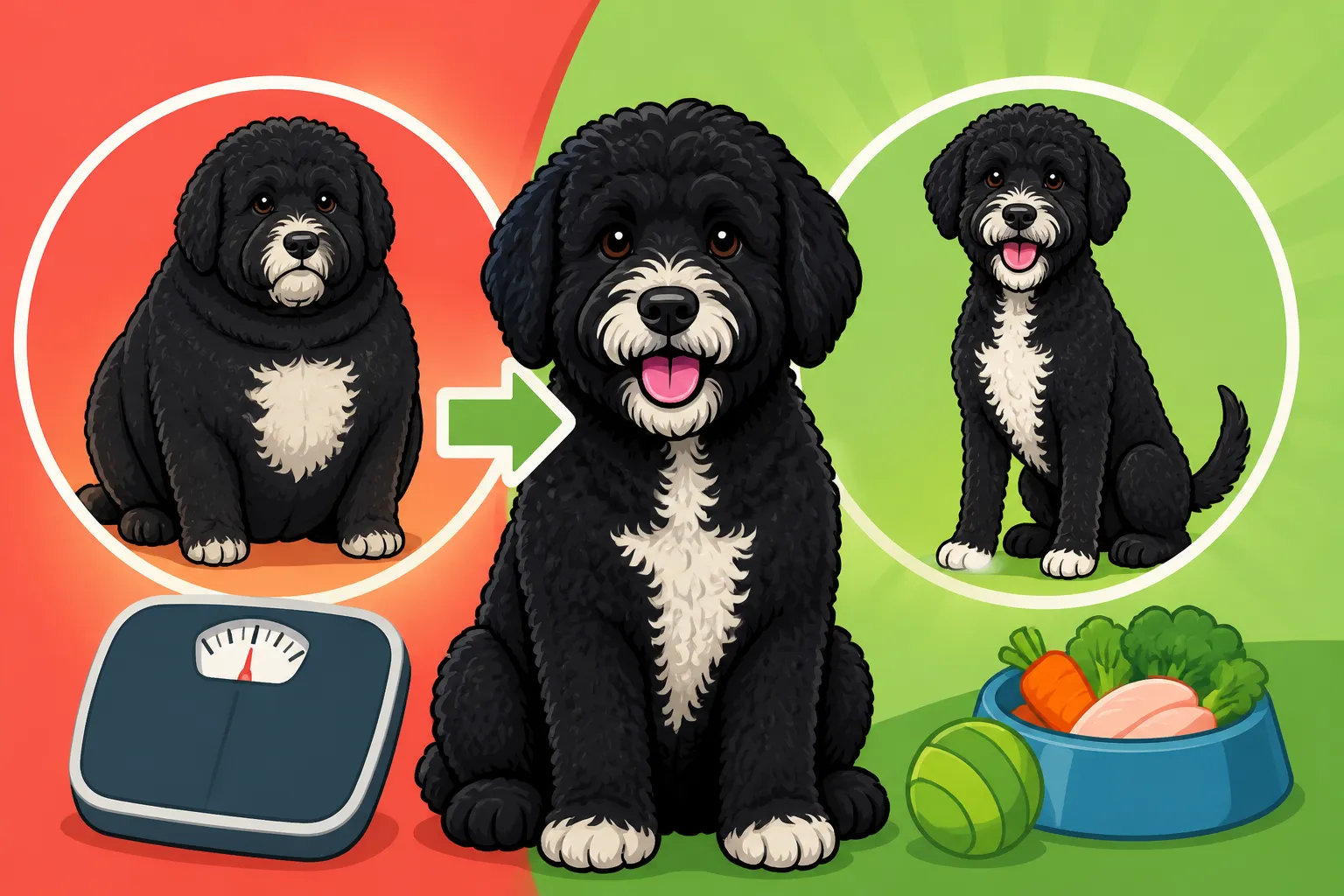
While the coat makes it difficult, with a wet or freshly groomed PWD, you might be able to get a better visual assessment. From above, a healthy Portuguese Water Dog should have a noticeable "waistline" – an indentation between their rib cage and their hips. When viewed from the side, their abdomen should tuck up slightly from their chest, not hang low or be straight across like a barrel. This abdominal tuck is a classic sign of a fit dog.
It's common for owners to miss these subtle changes, especially if they see their dog every day. Sometimes, a photo from a few months or a year ago can be a revelation, highlighting how much their shape has changed. Pay attention to how their harness or collar fits; if it's suddenly tighter or riding up in uncomfortable ways, it’s another clue. Remember, we're not talking about a greyhound's extreme tuck, but a definite lean, athletic build. A PWD should look powerful and agile, not round or blocky.
Common Culprits Behind Portuguese Water Dog Weight Gain
Understanding why your Portuguese Water Dog might be gaining weight is the first step toward fixing the problem. It's rarely malicious, usually a combination of factors that, when added up, tip the scales in the wrong direction.
Overfeeding and Portion Control Challenges
This is perhaps the most common reason for weight gain in any dog breed, and PWDs are no exception. We love our dogs, and food is often a way we show that love. However, those extra kibbles, table scraps, and training treats add up far more quickly than we realize. Many dog food bags provide a general guideline for feeding, but these are often on the generous side and don't account for individual metabolism, activity levels, or whether your dog is sharing meals with other household members (or sneaking bites from the cat's bowl!).
It’s easy to get into the habit of just "topping off" the bowl or leaving food down all day, which can lead to overconsumption. If you have a working Portuguese Water Dog, you might be feeding them like they're still herding fish all day, when in reality, their daily activity might be much less intense. The difference between How Much an Adult Portuguese Water Dog Eats and How Much a Working Portuguese Water Dog Eats can be substantial. Even a few extra pieces of kibble per meal, multiplied by two meals a day over weeks and months, can result in significant weight gain. Remember those irresistible puppy eyes when you're eating dinner? They're masters of persuasion!
Insufficient Exercise for an Active Breed
Portuguese Water Dogs are not content to be couch potatoes. They were bred for demanding work on fishing boats, requiring stamina, agility, and a strong drive to swim. While they adapt wonderfully to family life, their intrinsic need for significant physical and mental exercise remains. If they aren't getting enough outlets for their energy, their metabolism can slow down, and any excess calories quickly turn into fat.
A couple of short walks around the block each day simply isn't enough for most PWDs. They thrive on vigorous activity, whether it's long swims, extended hikes, dock diving, or structured dog sports like agility. If their exercise routine doesn't match their breed's inherent needs, they might not only gain weight but also develop behavioral issues out of boredom or pent-up energy. An under-exercised PWD will find its own "job," and it might not be one you appreciate! Consider How Many Hours a Week a Portuguese Water Dog Really Takes – it’s more than you might think.
Age-Related Metabolic Slowdown
Just like people, dogs experience changes in their metabolism as they age. A younger Portuguese Water Dog might burn calories at a faster rate, easily maintaining their weight even with a hearty appetite. However, once they reach their senior years – typically around 7-9 years old for a PWD, depending on the individual – their metabolism can slow down, and their activity levels might naturally decrease. This combination creates a perfect storm for weight gain if their diet isn't adjusted accordingly.
It's a subtle shift that can be easy to overlook. You might still be feeding them the same amount of food they thrived on at age five, even though they're now nine and taking more naps. Their joints might not be as eager for a long run, and their playful bursts might be shorter. Caring for an Aging Portuguese Water Dog means being proactive about their diet and exercise to prevent weight from creeping up. It’s important to remember that keeping them lean in their senior years can significantly improve their comfort and mobility. While you might notice What Changes in an Aging Portuguese Water Dog's Coat, the weight changes can be even more impactful on their overall health.
Strategies for Safely and Effectively Reducing Your Portuguese Water Dog's Weight
Once you've identified that your PWD is overweight, it's time to take action. The good news is that with a consistent and thoughtful approach, you can help them achieve a healthier weight and improve their quality of life.
Re-evaluating Their Diet and Portion Sizes
The first and most impactful step is to meticulously assess and adjust what and how much your Portuguese Water Dog is eating. This isn't about deprivation; it's about providing appropriate nutrition. Start by getting an accurate weight for your dog and consulting your veterinarian (more on that later) for a target weight. Then, using that target, calculate their ideal daily caloric intake. Many premium dog food brands, like those found on Chewy or even specialized services like Ollie, provide guidelines, but remember these are starting points.
Consider switching to a high-quality, weight-management formula if necessary. These foods are typically lower in calories but still provide essential nutrients, often with increased fiber to help your dog feel full. When you switch, do it gradually over a week to avoid digestive upset. Measure every single meal with a kitchen scale or a precise measuring cup – eyeballing portions is a common pitfall. If your PWD is a fast eater, consider using a slow feeder bowl to make mealtime last longer and aid digestion. Even if you think your Portuguese Water Dog is a How Portuguese Water Dog Is a Fussy Eater, it’s worth trying new foods formulated for weight management.
Boosting Their Activity Levels Thoughtfully
Increasing exercise is crucial, but it needs to be done gradually and thoughtfully, especially if your dog is significantly overweight or older. Too much too soon can lead to injury. Portuguese Water Dogs love to swim, and this is an excellent, low-impact exercise option that's incredibly effective for burning calories and building muscle without stressing joints. Why Swimming Protects a Portuguese Water Dog's Joints is a key advantage of this activity.
Start with slightly longer walks, adding a few minutes each day, or incorporating more vigorous play sessions. Instead of one long walk, try two or three shorter, more energetic ones. Fetch sessions in a large, safe area are fantastic. If swimming is an option, even short, supervised dips can make a huge difference. Build up endurance slowly, paying close attention to your dog's breathing and stamina. Their goal isn't just to lose weight, but to increase their fitness and enjoy their activities again. For specific activities and how they help, consider the guide The Portuguese Water Dog That Has Not Had Enough Exercise for ideas.
Smart Snacking and Rewarding Without Calories
This is where many owners unintentionally sabotage their dog's weight loss efforts. Treats, while wonderful for training and bonding, are often calorie bombs. It's time to get smart about snacking. Many fruits and vegetables can be excellent, low-calorie alternatives. Think small pieces of carrots, green beans, apple slices (without seeds), or cucumber. Always research safe foods for dogs before offering them.
Beyond food, there are countless ways to reward your Portuguese Water Dog. Praise, a favorite squeaky toy, a quick game of tug, or a few minutes of undivided attention are often far more valuable to them than a calorie-laden biscuit. Use these non-food rewards liberally. If you must use food for training, break high-value treats into tiny, pea-sized pieces. Even a small bag of treats from Amazon or Chewy can last much longer if you're mindful of portioning. Consider how much energy your dog is truly expending, and remember that How Much a Working Portuguese Water Dog Eats is very different from an average pet's needs.
Working With Your Veterinarian and Staying Consistent
Embarking on a weight loss journey for your Portuguese Water Dog shouldn't be a solo endeavor. Your veterinarian is your most valuable partner in this process.
The Importance of Veterinary Guidance
Before making any significant changes to your Portuguese Water Dog's diet or exercise routine, schedule a visit with your vet. This is crucial for several reasons. First, your vet can accurately assess your dog's current weight and body condition score. More importantly, they can rule out any underlying medical conditions that might be contributing to weight gain, such as hypothyroidism or Cushing's disease, which would require specific medical treatment rather than just diet and exercise adjustments.
Your vet can help you set realistic weight loss goals and create a personalized plan tailored to your dog's age, health status, and lifestyle. They can recommend specific weight-management foods, advise on appropriate portion sizes, and suggest a safe exercise regimen. They might even recommend periodic check-ins to monitor progress. Regular wellness exams are always a good idea; How Often a Portuguese Water Dog Needs a Wellness Exam helps catch potential issues early.
Monitoring Progress and Adjusting the Plan
Weight loss isn't a linear process, and consistency is key. You won't see dramatic changes overnight, and that's okay. Weigh your Portuguese Water Dog regularly, perhaps once a week or every two weeks, ideally at the same time of day and on the same scale. Keep a log of their weight, food intake, and exercise. This data will help you and your vet track progress and make informed adjustments.
If, after a few weeks, you're not seeing the desired results, don't get discouraged. This is where the monitoring comes in handy. It might mean you need to slightly reduce their caloric intake further or increase their exercise intensity. Conversely, if they're losing weight too quickly, you might need to slightly increase their food. Your vet can guide you on these adjustments. Remember that a PWD's coat can hide weight loss, just as it hides gain, so continue to rely on your hands-on rib checks. How a Portuguese Water Dog's Coat Hides Weight Loss can be a frustrating aspect of this journey, but patience and consistency are your allies.
Long-Term Maintenance for a Healthy Lifestyle
Reaching your Portuguese Water Dog's ideal weight is a huge accomplishment, but the journey doesn't end there. The strategies you used to get them to a healthy weight now become their new normal for maintenance. The goal is to establish sustainable healthy habits that ensure they stay fit and active for the rest of their lives.
Continue with precise portion control, choose healthy treats, and keep their exercise routine consistent and engaging. Regular veterinary check-ups remain important to monitor their overall health and catch any subtle changes that could lead to weight regain. Celebrate their athleticism and energy! A fit Portuguese Water Dog will have more stamina for those long swims, more enthusiasm for play, and generally enjoy a higher quality of life. Understanding What an Adult Portuguese Water Dog Should Weigh will help you keep them on track for years to come. Making healthy living a cornerstone of their daily routine will ensure your beloved companion stays by your side, happy and healthy, for as long as possible.
Disclaimer
This article is for general informational purposes only and does not constitute professional advice. Laws, prices and regulations vary by location and change over time. Consult a qualified professional for guidance on your specific situation.